What Three CEOs in 50 Years Says About Extra Space Storage
As Extra Space Storage approaches its 50th anniversary, the company reflects on its uncommon history of having just three CEOs. Leadership continuity, shared values, and thoughtful succession planning have helped shape its growth and prepare the company for the next chapter under incoming CEO Noah Springer.

As Extra Space Storage approaches its 50th anniversary in 2027, one aspect of its history stands out. Since its founding in 1977, the company has had just three chief executive officers (CEOs). That uncommon leadership continuity has helped shape how Extra Space grows, develops its people, and maintains its culture through decades of change. Now, as the company prepares to welcome Noah Springer as its fourth CEO on January 1, 2027, it's an opportunity to reflect on what that continuity has meant and how it positions Extra Space for the future.
An Uncommon History of Leadership Stability
CEO transitions are a regular part of corporate life. According to 2025 research from leadership advisory firm Spencer Stuart, sitting CEOs at S&P 500 companies serve an average of 7.6 years in their roles.
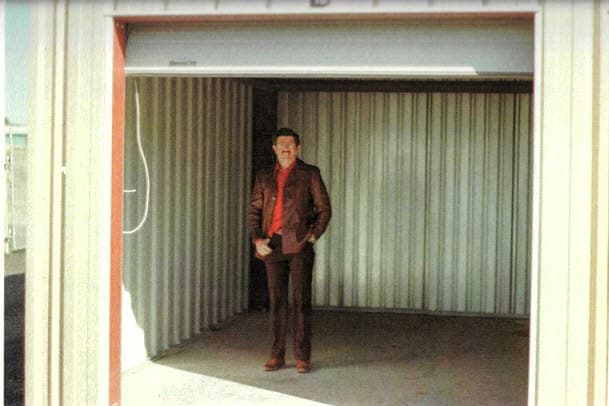
Extra Space's leadership history stands out against that broader landscape. Founder Ken Woolley served as CEO from 1977 through March 2009, followed by Spencer Kirk from April 2009 through 2016. Joe Margolis became CEO in January 2017 and will complete 10 years in the role when he retires at the end of 2026.
For Whitney Harper, Senior Vice President of People at Extra Space Storage, that consistency was noteworthy even before she joined the company.
"This is a company that has had three CEOs since 1977. That's unusual," Harper recalled thinking when she first worked with Extra Space as a consultant.
As she explained on the Inside Extra Space Storage podcast, that stability sparked her interest in the company. She was drawn to the combination of a strong organizational culture, a resilient business model, and opportunities to improve and grow.
Different Leaders, Shared Principles

Long-tenured leadership hasn't meant standing still. Each Extra Space CEO has brought different strengths and perspectives that helped the company evolve.
Woolley founded Extra Space as a small real estate development business, eventually establishing the partnerships and investment relationships that supported its expansion. His entrepreneurial approach helped lay the groundwork for the company's transformation into a publicly traded real estate investment trust (REIT).
Kirk, who partnered with Woolley beginning in 1998, brought experience building and scaling a technology company. He helped establish the leadership team, systems, and organizational structure needed to support significant growth. During his tenure as CEO, Extra Space expanded its operating capabilities and navigated the challenges of the Great Recession.
Margolis brought an institutional real estate and investment background, along with a relationship with Extra Space dating back to 1998. Under his leadership, the company expanded its investment strategies, completed major acquisitions, and grew from approximately 1,400 stores to more than 4,400. Annual revenue more than tripled, increasing from $1.1 billion to $3.5 billion.
Despite their different approaches, all three leaders emphasized the importance of teamwork, integrity, strong relationships, and a willingness to improve. Those shared principles have provided consistency while the company's strategies, operations, and scale have changed considerably.
A Culture That Extends Beyond the CEO

One of the strongest connections between Extra Space's leaders has been their commitment to maintaining the company's culture.
In a recent interview reflecting on his leadership, Margolis explained that Extra Space's culture began with Woolley, was reinforced by Kirk, and has been nurtured by employees throughout the company's history.
"Everyone needs to be the guardian of our culture and of our values," said Joe Margolis, CEO of Extra Space Storage.
That philosophy extends beyond executive leadership. Kirk helped establish the concept of the Store Support Center, reinforcing the idea that the corporate office exists to support the teammates serving customers in the field. His emphasis on putting the company's interests ahead of individual priorities continues to influence leaders today.
The company's relationship-first approach is another lasting example. Woolley emphasized fair dealings and mutually beneficial partnerships from the earliest days of Extra Space. That commitment remains relevant to how the team works with customers, business partners, and one another.
The culture has also continued to evolve. As Extra Space has expanded, team members have introduced new ideas, technology, and processes while maintaining the underlying values that guide their decisions. The goal has never been to preserve every practice from the past, but to retain the principles that make the organization effective.
Why Continuity Matters to the Business
For a public company, leadership continuity can offer important advantages. Longstanding relationships, institutional knowledge, and a consistent strategic direction can support decision-making over multiple business cycles. They can also give employees, business partners, and investors greater confidence during periods of change.
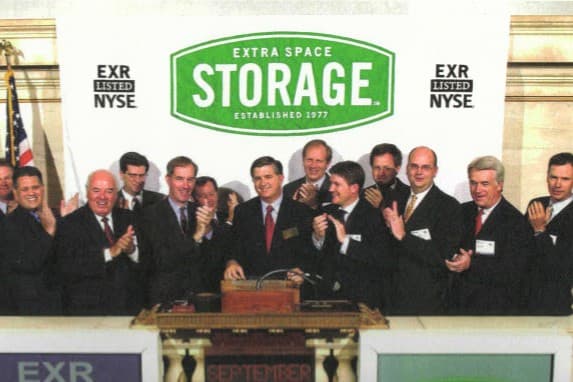
Extra Space's experience illustrates how this can work in practice. The company completed its initial public offering in 2004, acquired Storage USA in 2005, and expanded its third-party management and investment platforms over the following decades. Its 2023 merger with Life Storage further expanded its national footprint, making Extra Space the largest self storage operator in the United States by store count. These milestones required significant changes to the business, but they were built on many of the same principles established in the early years.
Leadership succession has also been an important part of maintaining investor confidence. In a previous Inside EXR interview, Jeff Norman, now Chief Financial Officer, reflected on the transition from Kirk to Margolis. He described how important it was to give investors opportunities to get to know Margolis and understand his leadership capabilities. Norman noted that the transition occurred without a material loss of confidence in the management team, an outcome he considered important to preserving shareholder value.
Continuity alone doesn't guarantee business success. But when combined with effective succession planning, strong leadership development, and the willingness to adapt, it can provide a foundation for long-term growth.
Preparing the Next Generation of Leadership

Extra Space's upcoming transition follows a familiar pattern of developing leaders who understand the company before stepping into its highest executive role.
Springer joined Extra Space in 2006 and has spent the past 20 years helping shape the business. His experience spans third-party management, joint ventures, asset management, operations, and other strategic functions. He also helped build ManagementPlus, which has grown into the largest third-party management platform in the self storage industry.
Throughout that time, Springer has worked with all three of the company's previous CEOs, gaining insight into their different leadership styles and approaches.
"Having that front-row seat to their leadership has been invaluable," said Noah Springer, President and incoming CEO of Extra Space Storage, in the company's August 2026 leadership announcement.
Springer's appointment follows a long-term succession planning process, with Margolis continuing as CEO through December 31, 2026, before transitioning into an advisory role to the Board of Directors. As Springer prepares to lead the company, he has emphasized both the importance of protecting Extra Space's culture and the opportunities to continue improving its operations, technology, and customer experience.
In 2027, Extra Space Storage will celebrate 50 years in business while beginning a new chapter under its fourth CEO. The company's history shows that leadership continuity and meaningful change can go hand in hand. Its next chapter will build on that foundation, with new opportunities for the employees, customers, partners, and investors who contribute to its success.
Interested in learning more about Extra Space Storage? Visit our investor site, tune in to the Inside Extra Space podcast, or explore our current job openings today.