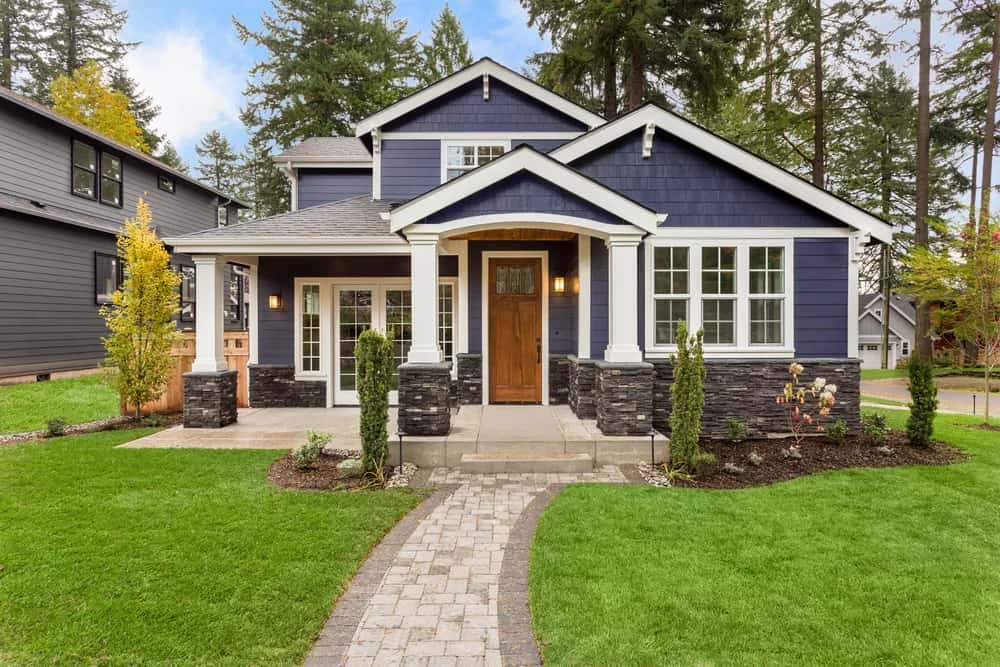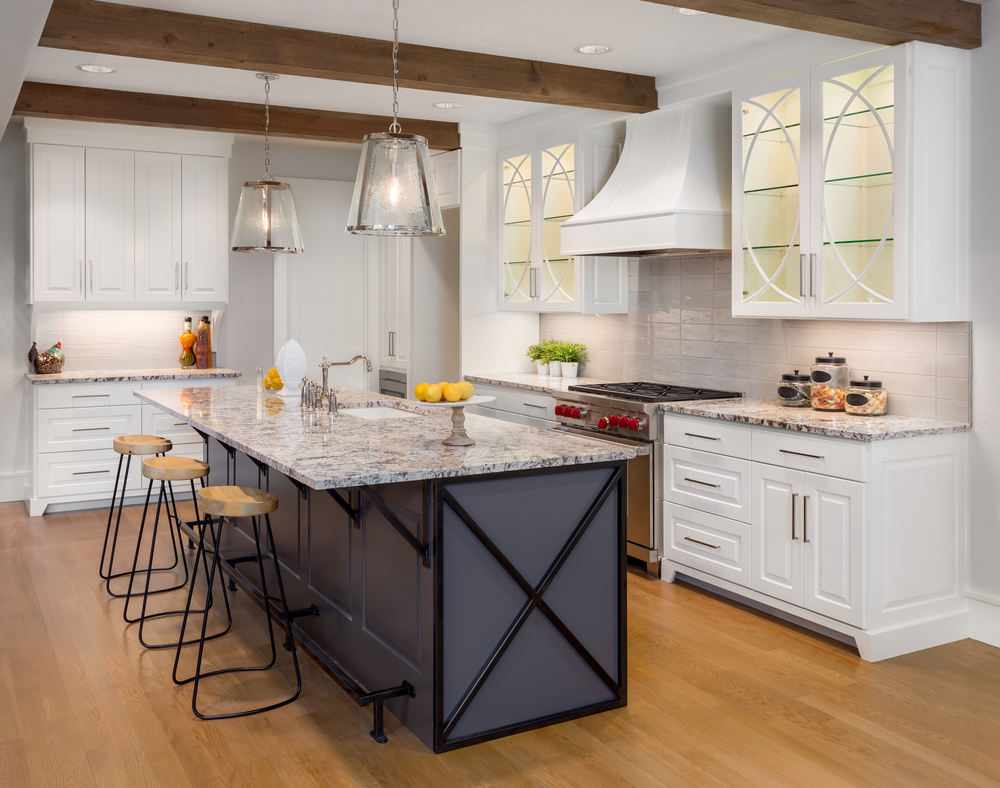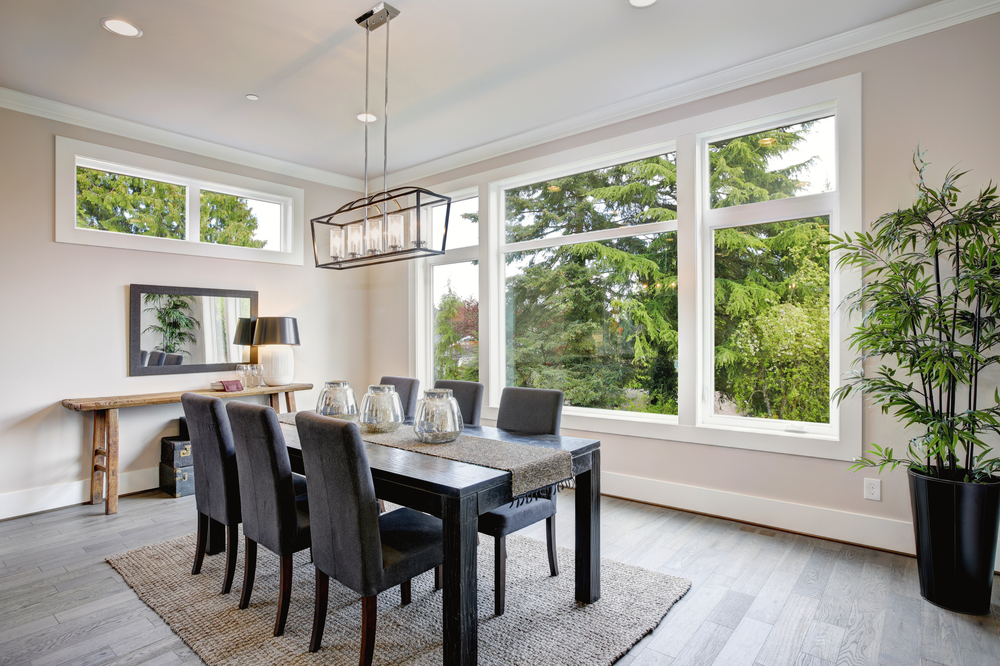

Looking to get the most bang for your buck while selling your home? Home staging might be the answer. But what exactly is home staging, and what does it entail? Below, we’ll walk you through the basics of staging a home and whether it’s worth it for your situation.
What Is Home Staging?
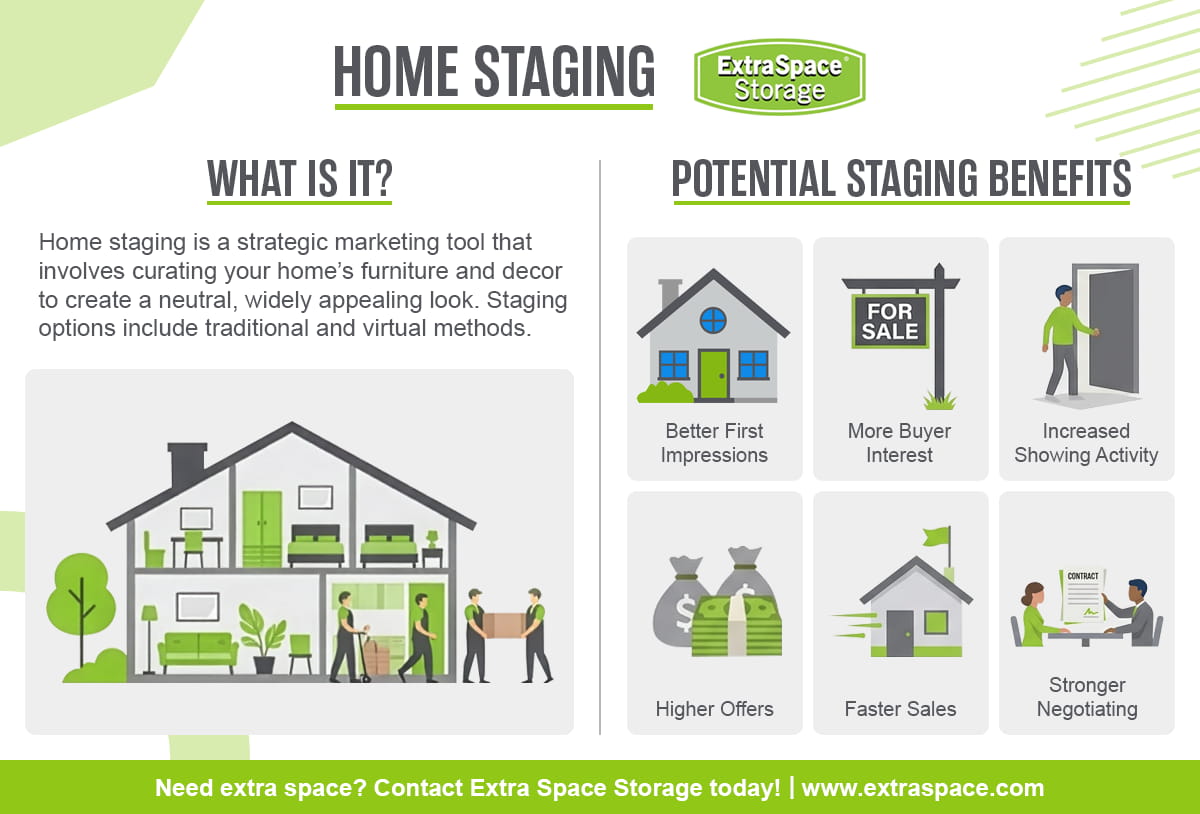
Home staging is a strategic marketing tool that involves curating your home’s furniture and decor to create a neutral, widely appealing look. By removing personal clutter and adding aspirational pieces, staging helps buyers visualize themselves in the space and how they’d use it, potentially helping the home sell faster and for a higher price. Often, home staging begins with a consultation. During this consultation, the staging professional or realtor will visit your home, evaluate which features will appeal most to buyers, and determine what changes should be made before listing photos are taken and showings begin.
Does Staging a Home Help It Sell?
Home staging is a proven strategy for selling faster and at a stronger price—and the data makes a compelling case for how effective home staging truly is. Research shows that 83% of agents agree that staging helps potential buyers envision the property as their future home. This can translate into real results—in fact, 49% of real estate agents report that staged homes sell faster, reducing time on the market.
Is Home Staging Necessary?
While you can certainly sell your home as is, staging can be key to selling quickly and for top dollar. Even in a seller’s market where homes sell in a matter of days, staging can lead to more showings, more offers, and stronger negotiating opportunities. Staging your home could be the difference between one good offer you have to accept and multiple offers that lead to a bidding war in your favor. If you’re staging on a budget, however, focus on high-traffic rooms like the kitchen, living room, primary bedroom, and bathroom.
Is Home Staging Worth the Investment?
Home staging can be worthwhile when selling a property, but its value depends on your goals and local market conditions. Since staged homes often sell faster and attract more buyers, making this investment can help preserve or improve your final sale price while also reducing carrying costs—such as mortgage payments, taxes, and utilities. Because homes that sit longer on the market are more likely to receive lower offers than the original asking price, staging can be a strategic way to support both speed and pricing. That said, if minimizing upfront costs is your top priority or demand is already high in your market, the impact of staging may be less significant.
How Much Does Home Staging Cost?
When hiring a professional, the cost of home staging largely depends on the local market and the size of the home. On average, however, the staging process costs around $300 to $600 for an initial design consultation, and $500 to $600 per month per staged room. If you’re staging on a budget, you can stage the home yourself and prioritize funds more flexibly.
Who Pays For Home Staging?
Usually, the homeowner pays for staging as an investment to increase the home’s sale price. In some cases, real estate agents cover staging as part of their service or marketing strategy—but the cost is often indirectly passed on to the seller through reimbursement at closing or included as part of the agent’s overall marketing expenses.
Is Staging Your Home Tax Deductible?
Home staging costs aren’t directly tax deductible, but they may qualify as selling expenses that help reduce your taxable gain when you sell your home. For many homeowners, this may have limited impact due to the capital gains tax exclusion on primary residences. It’s best to consult a tax professional for guidance on how this applies to your specific situation.
How Do You Choose a Professional Stager?
When choosing a professional home stager, look for variety in their design portfolio to make sure they can adapt their style to different home types and target buyers. Ask about their average “days on market” for staged homes, but remember to consider this information alongside local market conditions. It’s also important to understand their pricing, what services are included (such as consultations or furniture rental), and whether they have experience staging homes similar to yours.
How Do You Stage a Home While Living in It?
There are pros and cons to staging a home that you’re still living in. The big benefit is that staging costs could be much lower, since professional stagers can work with the furniture you already have in your home. The downside is that it requires more upkeep throughout the process—specifically, regular cleaning and decluttering. One way to make it easier to keep a home staged while still living in it is to rent a storage unit. This allows sellers to keep the home clutter-free and temporarily store items that might negatively influence buyers.
How Do You Stage a Home with No Furniture?
When selling a vacant home, one option is to rent or borrow furniture to place throughout the house before professional real estate photos are taken. To create warmth throughout the home, add smaller decorative elements like artwork, stylish lighting, and indoor plants. For budget-friendly staging, focus on key areas like the living room, kitchen, and primary bedroom. You can also hire a professional home stager to add furniture—or consider virtual home staging.
What Is Virtual Home Staging?
Virtual home staging is an affordable marketing option that enhances photos of a vacant property by adding photorealistic furniture and decor using 3D software. This helps potential buyers better visualize how the space could look when furnished, which can make your listing more appealing online. While the home will still be empty during in-person showings, virtual staging remains a valuable tool for creating a strong first impression and generating interest.
What Are the Biggest Home Staging Mistakes to Avoid?
Sellers who DIY stage a home often miss the balance between personal style and broad buyer appeal. Common mistakes include neglecting curb appeal, leaving flexible spaces undefined or cluttered, and failing to depersonalize the space—all of which can make it harder for buyers to picture themselves in the home. To avoid common staging and home showing pitfalls, focus on these home staging tips:
- Depersonalize the Space: Remove family photos and niche decor so buyers can envision themselves in the space.
- Don’t Ignore the Exterior: Maintain a clean, manicured entrance for a great first impression.
- Address Pet Odors: Deep clean rather than masking scents with heavy sprays.
- Pay Attention to Furniture Scale: Use appropriately sized pieces to keep rooms feeling open and functional.
- Utilize Lighting: Open blinds and use bright, balanced lighting to create an inviting atmosphere.
- Provide Clear Room Identities: Assign a purpose to every space—for instance, stage an unused area as an office or a cozy reading nook.
***
Prepare your home for sale by decluttering and storing valuable belongings at Extra Space Storage. We have convenient storage facilities nationwide. Find a storage facility near you!