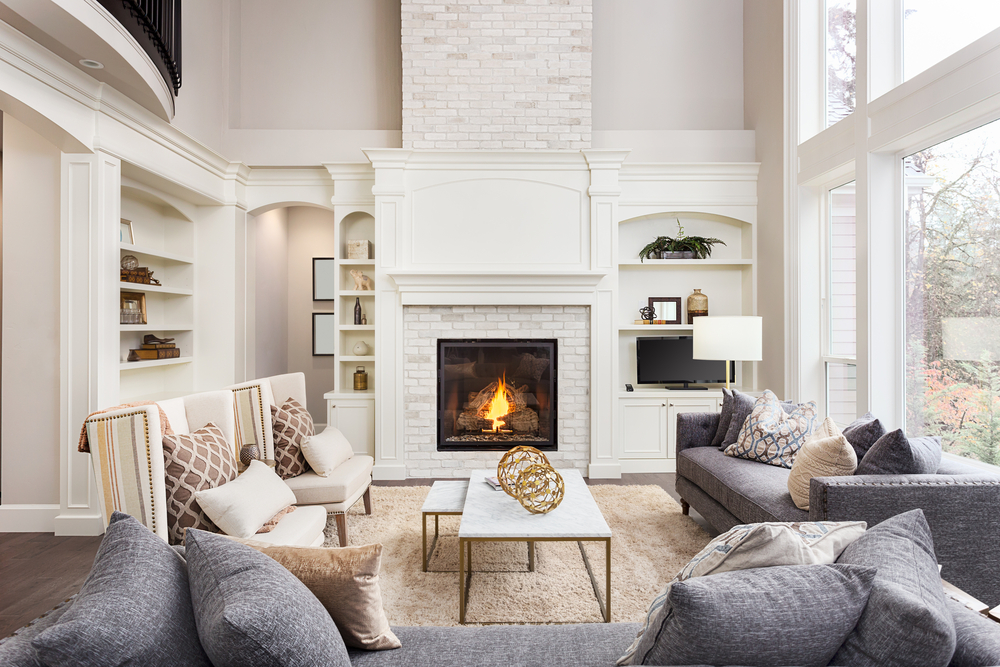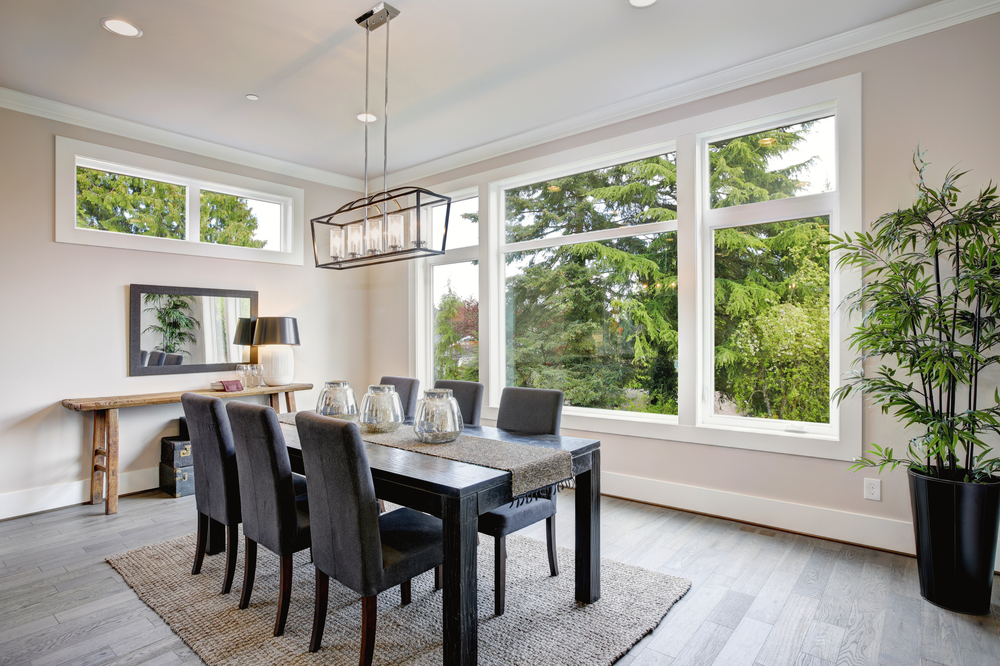

Home staging can be a powerful tool when selling a home—but what if you’re selling an empty home? While furnishing an entire house is an option, it can get expensive quickly. Virtual staging is a more affordable alternative. In the guide below, learn all about virtual staging—including its pros, cons, and best practices.
What Is Virtual Staging?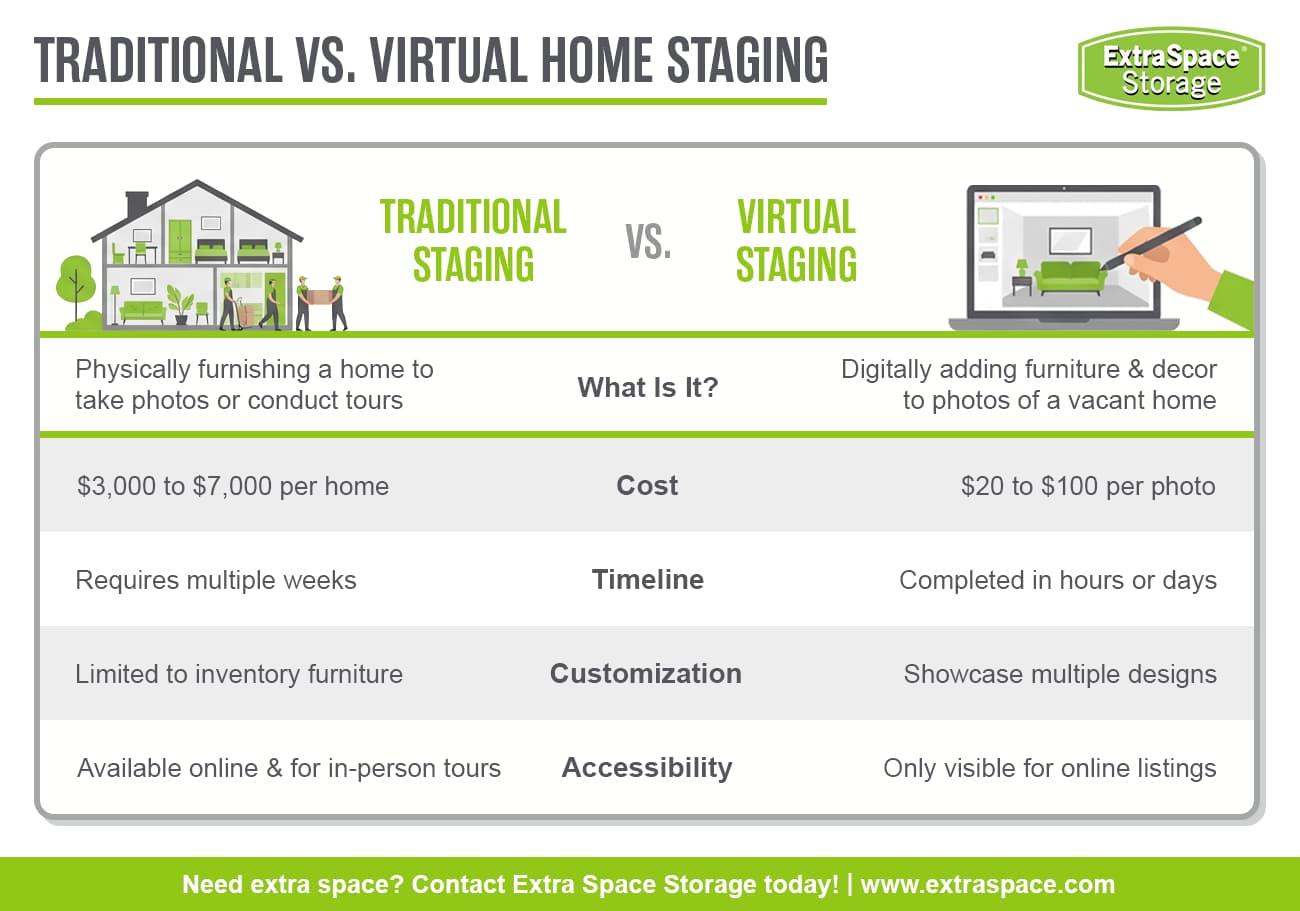
In real estate, virtual staging is the process of digitally adding furniture and decor to photos of a vacant home. As with traditional home staging, the goal is to make your property more appealing to buyers—just without physically furnishing the space.
Furnished homes tend to attract more interest because they help buyers picture themselves living there. Empty rooms, on the other hand, can feel cold, smaller than they are, and more difficult to make sense of. Virtual staging solves this by transforming vacant spaces into warm, inviting interiors that highlight the home’s potential—helping generate stronger interest and, potentially, more offers.
Benefits of Virtual Staging
Like traditional home staging, digital staging can help your home sell faster, making it an increasingly popular option for sellers. From saving time and money to helping buyers emotionally connect with a space, virtual staging offers several key benefits.
Less Expensive Than Traditional Staging
Looking to stage your home on a budget? One of the biggest advantages of digital staging is its lower cost. Traditional staging can range from $3,000 to $7,000, depending on the size of the home and the amount of furniture needed, while high-quality virtual staging photos typically cost between $20 and $100+ per image—making digital staging a much more affordable option.
Faster Turnaround Time
Virtual staging can be completed in a matter of days—or even hours—whereas traditional home staging often takes weeks to coordinate, from scheduling to furniture delivery and setup. With virtual staging, sellers can list their home much faster, which is especially valuable in competitive real estate markets.
Helps Buyers Visualize the Space
Digital home staging makes it easier for buyers to understand how a space can be used. Empty rooms can feel ambiguous, making it difficult to gauge layout, scale, and functionality. By adding realistic furniture and decor, virtual staging helps buyers imagine living in the home and form an emotional connection with it. It also allows for flexibility—for example, showing a flex room as an office, nursery, or hobby room, depending on the target buyer.
Allows for Multiple Design Styles
Virtual staging makes it easier to showcase a home in different design styles, such as modern, minimalist, or farmhouse. With a huge library of digital assets, sellers can appeal to a broader audience without physically changing anything—helping buyers see how the home is suited to their personal tastes.
Challenges of Virtual Staging
Though digital home staging can be a convenient and affordable way to stage your home for sale, there are a few important considerations to keep in mind.
Quality Can Vary
Not all virtual staging providers deliver the same level of quality. Some may lack real estate or design experience, resulting in unrealistic layouts or poorly scaled furniture. Others may use generic or outdated designs that fail to impress buyers. Choosing an experienced stager with a strong portfolio of on-trend designs is key.
Requires High-Quality Photos
Virtual home staging is only as effective as the photos it starts with. Images that are poorly lit, taken from awkward angles, or low resolution can make even well-designed staging look unrealistic. Clear, well-composed photos give virtual stagers a better foundation—helping them place furniture accurately and create a more natural-looking final product. To ensure proper lighting, angles, and image quality, opting for professional real estate photography—rather than taking your own photos—may be worthwhile.
Potential to Mislead Buyers
Virtually staged images should accurately reflect the home. Over-editing or adding features that don’t exist can create unrealistic expectations and lead to disappointment during in-person showings. To maintain transparency, it’s best to disclose when property images have been virtually staged.
Limited In-Person Impact
While virtually-staged homes can look highly appealing online, they don’t change the experience of walking through an empty property in person. This can sometimes create a disconnect for buyers who expect the warmth and scale shown in listing photos. To help bridge that gap, some agents provide printed images or visual references—via brochures or easel displays—during showings to remind buyers of the home’s potential.
Best Practices for Virtual Home Staging
To avoid common staging mistakes, maximize your home’s sale price, and get the most out of virtual staging, consider the following digital home staging advice:
- Declutter & Clean: A clutter-free, empty space is easier to photograph and enhance digitally.
- Make Minor Repairs: Fix small imperfections in the home to ensure it matches its staged appearance.
- Optimize Lighting: Maximize natural light and supplement with artificial lighting to make rooms appear brighter, larger, and more inviting in photos.
- Minimize Distractions: Keep spaces simple so virtual elements look natural.
- Highlight Key Features: Draw attention to home features buyers want, like storage, flex rooms, or open layouts.
- Use High-Quality Images: Consider hiring a professional photographer to set a strong foundation for digital staging.
- Choose the Right Virtual Stager: Review portfolios, compare pricing, and read through client reviews to find a virtual stager that meets your needs.
- Avoid Misleading Edits: Ensure furniture is scaled correctly and features are accurate to prevent disappointment during in-person viewings.
- Set Realistic Expectations: Be clear about what’s been digitally staged vs. what actually comes with the property to build trust and avoid misleading buyers.
***
Looking for a safe place to store your belongings while moving or staging your home? Extra Space Storage has convenient self storage facilities across the country to help ease your transition. Find affordable storage units near you!