

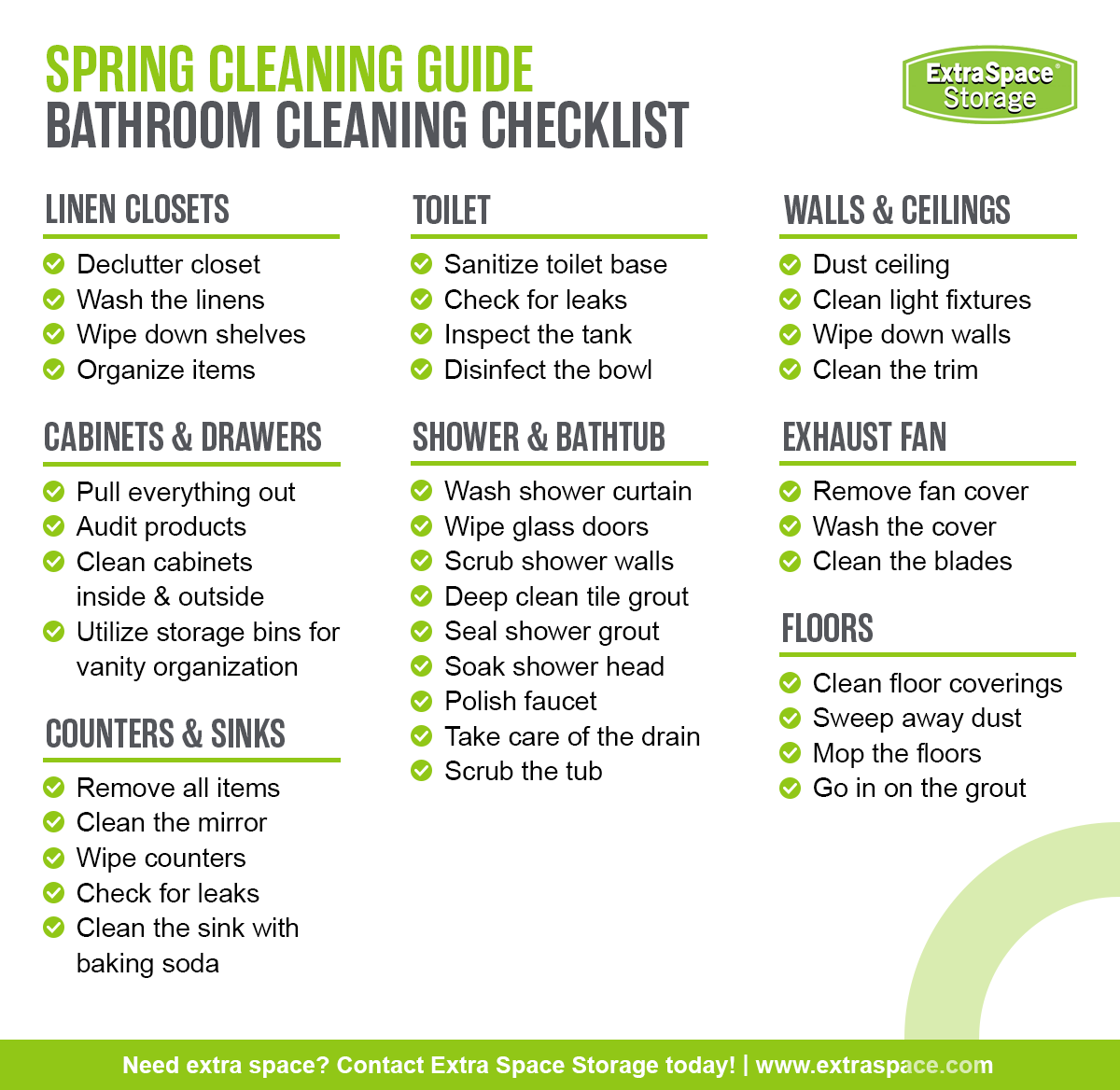
As one of the most frequently visited rooms in our homes, the bathroom can often be one of the dirtiest and most cluttered spaces. Get started spring cleaning your bathroom with these cleaning and organizing tips!
How to Spring Clean Your Bathroom Linen Closet
Whether your linen closet is a dedicated closet in your hallway or a cabinet built into your bathroom, it can tend to fill up with lots of bathroom essentials. With these spring cleaning tips, you’ll have a clean, organized space in no time!
Declutter Your Linen Closet
The first step to refreshing your linen closet is to remove everything from it. Decluttering this way will help you take stock of what you have and allow you to do a deep clean of the closet without having to work around items. Categorizing your linens into four specific piles will help you make quick, objective decisions about what to do after decluttering:
- Keep: Your favorite high-quality essentials you use regularly.
- Repurpose: Heavily used items that could be used to dry pets, keep in the garage, or use for crafting or home improvement projects.
- Donate: Extra sheet sets, blankets, or towels that are in good condition but no longer fit your style or needs.
- Toss: Linens that are permanently stained, tattered, or have lost their absorbency, and any expired toiletries.
Wash the Linens
Go through your linens and pick out which ones haven’t been washed in the past few weeks. When you’re ready to start the laundry, follow these guidelines to maximize cleanliness and longevity:
- Bedsheets: Use the hot water setting to effectively eliminate dust mites, allergens, and lingering germs.
- Bath Towels: Wash on a warm cycle to kill bacteria while preserving fiber integrity.
- Musty Fabrics: If your towels have a musty odor, use half the usual detergent and add one cup of white vinegar to the load to strip away buildup and restore freshness.
Make sure to fully dry all items before putting them away.
Wipe Down Shelves
Deep cleaning bathroom closet interiors is beneficial because it removes hidden allergens and residues that accumulate over time. Start by using a dry microfiber cloth to trap loose dust, then follow up with a more intensive scrub to tackle tougher buildup. To best maximize your spring cleaning efforts, pay close attention to these cleaning targets:
- Dust & Hair: Use a damp washcloth with hot water to lift away fine particles that a dry cloth might miss.
- Product Residue: Scrub away any sticky grime or spots caused by leaked beauty products and hygienic supplies.
- Moisture Protection: Consider installing shelf liners to create a moisture-resistant barrier that prevents future spills from damaging the wood.
Organize Closet Items
Instead of putting items back where they were, it’s a good idea to organize them with dedicated bins, containers, and baskets. Clear plastic bins with labels are great for storing toiletries, while larger baskets are ideal for holding bulky towels. With everything in its designated space, it will be easier to keep your linen closet organized!
How to Spring Clean Bathroom Cabinets & Drawers
Hair products, makeup, medicines, and other toiletries often get thrown into bathroom cabinets and drawers with no sense of order. Don’t forget to clean and organize these storage areas in your bathroom!
Pull Everything Out & Audit Products
Start by removing everything from bathroom drawers and cabinets. This “empty-out” method allows you to easily identify expired products or items that need to be discarded. As you sort, be sure to wipe down leaky bottles and containers with a damp cloth. This helps keep your storage spaces clean and residue-free when you move everything back in.
Clean Bathroom Cabinets Inside & Outside
Use a washcloth and warm water to clean the insides of your bathroom drawers and cabinets. Dust, hair, and residue from leaking bottles can leave them looking dirty and messy, so this is a quick and easy way to freshen up the space. If you’re having trouble getting into the corners, use a handheld vacuum to pick up any debris. After cleaning the inside of your bathroom storage spaces, take some time to wipe down the outside surfaces as well. This will help keep dust and dirt away and leave your bathroom squeaky clean!
Utilize Storage Bins for Vanity Organization
Before putting items back, find storage containers like plastic trays, wooden baskets, or metal bins to give everything a designated spot—and consider using hidden bathroom storage solutions, too! Be sure to create labels for any bins or baskets you use. This will help you keep your items stored in an organized way and make it easier to see what you have.
How to Spring Clean Bathroom Counters, Sinks, & Vanity Areas
The vanity is the centerpiece of any bathroom, but it’s also a magnet for toothpaste splatters, soap scum, and daily clutter. Detail cleaning bathroom counters, sinks, and vanity areas during a deep clean not only improves hygiene but instantly elevates the room’s overall aesthetic.
Remove All Items
Give your bathroom countertop a clean slate by removing toothbrush holders, cotton swabs, plants, and anything else you have. This allows you to reach every corner and crevice while cleaning without worrying about chemicals getting on anything.
Clean the Mirror
Always prioritize maintaining the mirror and backsplash before tackling your countertops. Starting from the top prevents dust and cleaning solution from dripping onto a freshly scrubbed vanity, saving you from having to repeat the work. For a detailed clean, include the following steps:
- Hardware Care: If your mirror features an ornate or carved border, use small cotton swabs dipped in glass cleaner to reach into intricate designs and tight corners.
- Perimeter Dusting: Wipe the entire outer edge of the glass to eliminate hard-to-reach dust that often escapes standard wiping.
- Final Polish: Use a dedicated glass cleaner and a lint-free cloth to remove fingerprints and streaks for a crystal-clear reflection.
Wipe Counters
Use an all-purpose cleaner, or make your own cleaning solution of white vinegar and water, to spray down your bathroom counter. Then, scrub it down with a washcloth or sponge. Once dry, wipe down any items like toothbrush holders, lotions, soap dispensers, and other everyday products before putting them back on the counter. Keep the space organized by including only the essentials for the daily routine.
Check for Leaks
Leaky sink pipes can cause your water bill to skyrocket and damage your vanity and floor, so it’s not a bad idea to check for leaks while spring cleaning your bathroom. Open the cabinet under the sink and run cold and hot water separately to make sure the pipes don’t drip or spray. If they do, you may be able to tighten them yourself. If there’s more severe leakage, you’ll want to call a plumber to help you make necessary repairs.
Clean the Sink with Baking Soda
One of the best methods for cleaning a bathroom sink is to wet the surface with warm water, then sprinkle on some baking soda. Use an old toothbrush to scrub around the caulking and in hard-to-reach places, like where the sink meets the faucet and the handles. Rinse with warm water, then wipe away any remaining baking soda with a cloth. Remember to wipe down the faucet as well to remove hard water stains!
How to Spring Clean Your Toilet
Looking for the best way to clean your toilet? You may need to take some extra steps beyond just brushing the inside of the bowl. Here’s how to freshen up your toilet!
Sanitize the Toilet Base
Because the base and rear of the fixture are prone to collecting both dust and airborne bacteria, a two-stage cleaning process is the most effective way to achieve a germ-free finish. Dry dust the entire surface with a microfiber cloth or paper towel. Next, apply a disinfectant cleaner or a natural vinegar solution to the porcelain, paying special attention to high-touch points like the handle and seat lid. As you wipe, ensure you clean the deep crevices around the floor bolts and hinges, where hair and grime often accumulate, and thoroughly sanitize the bottom perimeter near the floor to eliminate hidden bacteria and lingering odors.
Check for Leaks
Small amounts of water can begin to leak from the base of your toilet, so be sure to check for any leaks or signs that the sealing ring is worn. An easy way to do this is to wipe a rag along the base and see if it soaks up any water. If there’s serious leakage, you’ll want to look into having some repairs done.
Inspect the Tank
During a bathroom deep clean, a toilet tank inspection is a proactive way to prevent costly leaks and ensure your bathroom plumbing functions efficiently. Here’s what to look for after lifting the lid:
- Water Level: Ensure the water reaches the marked fill line. A low water level often indicates a faulty fill valve or an improperly adjusted float ball.
- Toilet Float: Check the toilet float to ensure it hasn’t sunk or become misaligned, as a damaged float can cause the toilet to run constantly.
- Rubber Flapper: Look for cracks or warping in the rubber flapper to prevent “phantom flushing” and water waste.
Disinfect the Bowl
Use your toilet cleaner of choice and apply it to the inside of the bowl. Let it sit for a few minutes, and then go in with a toilet brush and scrub the entire thing. Get up toward the underside of the rim and around the siphon jets to ensure the entire bowl is clean and free of grime. Rinse the bowl with a final flush. Consider installing an automatic toilet bowl cleaner that refreshes your toilet with every use!
How to Spring Clean the Shower & Bathtub
Whether you have a freestanding shower, standalone tub, or a shower-tub combo, this area can be a place where mildew and scum build up quickly. As you spring clean your bathroom, follow these tips for deep cleaning your shower and tub!
Wash Your Shower Curtain . . .
Don’t neglect shower curtain maintenance! Take it down and check to make sure it’s machine washable. If so, put it in the washing machine on a warm cycle to freshen it up! Shower liners are often made of washable materials like polyester, nylon, and vinyl. However, if your shower curtain liner can’t be washed, consider replacing it. Take some time to clean the curtain rod rings, too. Place them in a sink filled with warm water and white vinegar. Soak them for a few minutes, then rinse them with regular water to remove buildup. Dry each ring before putting it back on the rod and attaching the curtain and liner.
. . . Or Wipe Glass Doors
Mix a couple of drops of dish detergent with white vinegar in a spray bottle. Spritz the mixture on your shower doors and let it soak for about 30 minutes. Rinse off the cleaner with a damp sponge, then dry with a cloth.
Scrub Shower Walls
If you want to cut down on harsh chemical cleaners in the bathroom, mix equal parts white vinegar and warm water, then spray it onto the shower tiles. Let it sit for a few minutes to help dissolve any scum, and then scrub with a brush or washcloth to wipe it away.
Deep Clean Tile Grout
The porous, recessed lines between your shower tiles are magnets for mold, mildew, and stubborn soap scum. To effectively clean tile grout without harsh chemicals, create a powerful DIY grout cleaner using hydrogen peroxide and washing soda. This oxygen-based whitening duo cuts through the toughest bathroom grime while sanitizing the surface. While wearing gloves, use a toothbrush to scrub the mixture along your tile grout. Let it sit for a few minutes, then rinse with a sponge. Repeat as needed for those stubborn spots.
Seal Shower Grout
Spring cleaning is the perfect time to seal your shower grout. Head to your nearest home improvement store and purchase a grout sealer that best suits the tile in your shower. Selecting the correct grout sealer depends on the porosity of your tile and the moisture levels of the environment. Using the wrong type can lead to trapped moisture—which can cause mold—or to a slippery surface that creates a safety hazard. Apply the sealer slowly and keep a rag nearby to wipe off any excess. Let it dry for about an hour, then add a second coat if needed.
Soak the Shower Head
To remove hard water deposits and limescale from your shower head, pour some white vinegar into a plastic bag and completely submerge your shower head. Use zip ties to secure the bag and let it sit overnight. The next day, remove the bag and run hot water to rinse and remove any remaining deposits.
Polish the Faucet
Does your tub’s faucet look a little dull from water spots and other grime? Give it a polish! Start by using dish soap and a wet cloth to wipe down the faucet. To give it extra shine, dampen some paper towels with white vinegar and wrap them around the faucet. Let them sit for about ten minutes, then rinse and dry.
Take Care of the Drain
If you have a free-standing shower, you’ll want to clean the drain, like so:
- Before adding any cleaner, make sure to remove any hair that may be present.
- Pour half a cup of baking soda down the drain, then add one cup of vinegar.
- Let it foam for a few minutes, then run hot water down the drain.
- If it’s still draining slowly, you may want to snake the drain to remove any remaining hair and debris.
If you notice your bathtub has been slow-draining, most of the time it’s an easy fix! Here’s how to easily unclog a bathroom drain:
- Pour about half a cup of baking soda and one cup of white vinegar down the drain opening. The mixture will foam for about five minutes.
- Rinse with hot water, and it should be back to normal.
- Use a drain snake to remove any hair and grime if it’s still slow to drain.
- Finally, wipe down the drain stopper to give it a clean finish!
Scrub the Tub
Give your bathtub a good cleaning by pouring hot water over it and sprinkling on some baking soda. Then grab a bucket of hot water and dish soap, and use a sponge to scrub the surface until everything is clean. Use hot water to rinse away any remaining soap.
How to Spring Clean Bathroom Walls & Ceilings
Since the bathroom is full of moisture, your walls and ceilings can get grimy, too. Don’t forget about them as you work on your bathroom spring clean!
Dust the Ceiling
To reach the surface and corners of your ceiling, use an extendable duster with a microfiber cloth to sweep away cobwebs and trap small dust particles. This is the easiest way to freshen up your ceiling without pulling out a ladder.
Clean Bathroom Lighting
Clean bathroom light fixtures by removing any light shades or coverings, if possible, and soak them in the sink with some soap and water. If the covers aren’t removable, take a damp cloth and soap to wipe away dust and dirt.
Wipe Down Walls
For painted bathroom walls, take a microfiber duster to remove any dust and dirt. Then scrub down any grimy spots with warm water and mild dish soap, and dry with a towel. If the walls in your bathroom are tiled, spray a mixture of white vinegar and warm water onto the wall, then wipe it clean. You can also apply a coat of car wax to help water roll off tile walls rather than stick to them.
Clean the Trim
Remember to clean the baseboard trim and any molding! Start by vacuuming up any dust and other large particles, then take a warm, damp sponge to the trim. Don’t forget to get into those nooks and crannies—especially the corners!
How to Spring Clean Your Exhaust Fan
The exhaust fan in your bathroom is one area that’s prone to dust and mold. Spring cleaning is a great time to deep-clean your bathroom fan! Safety is important here, so wear protective eyewear and turn off the circuit breaker before following these steps.
Remove the Fan Cover
Before you wash the fan cover, remove it. To do this, pull down on the cover and squeeze the wires on either side to remove them from the slot. This will let you see inside and really give your fan a thorough, deep clean.
Wash the Cover
To clean your bathroom fan cover, fill your sink with warm water and a few drops of dish soap. Let the cover soak for a few minutes, then scrub with a sponge to remove all the dirt and dust. Set the cover on a towel and air-dry it completely before replacing it.
Clean the Blades
Before you clean the fan and its blades, make sure the power to your bathroom is off. Then, use a vacuum extension or a microfiber cloth to clean all the built-up dust. Finally, use a damp cloth to wipe off any remaining dirt and grime. Ensure everything is dry before reassembling and turning the power back on.
How to Spring Clean Bathroom Floors
As you finish up your bathroom spring cleaning, don’t forget about the floor! This is one of the main surfaces in your bathroom, so it can easily gather lint, dust, and other grime.
Clean Your Floor Coverings
If you have cloth bathmats in your bathroom, start by shaking them off to remove any lint and hair, then vacuum away any excess dirt. Throw rugs in your washing machine on a cold, gentle cycle—fold if needed to make them fit. Once they come out of the wash, let them hang dry.
Sweep Away Dust
Grab a broom and dustpan and sweep up all the lint, hair, and dust that’s gathered on your bathroom floor. Make sure you get the corners of your bathroom, too, as this is where most dust and hair will gather.
Mop the Floors
Once you’ve swept, give your bathroom floor a nice clean shine by mopping. Mix warm water, 1/4 cup of white vinegar, and some dish soap. Mop the floor surface with this cleaning solution, then dry it with a towel.
Go In on the Grout
Have stubborn grout stains? Make a mixture of hydrogen peroxide and washing soda, then use an old toothbrush to scrub away at grout. Rinse and apply a grout sealer after 24 hours to help prolong the grout’s appearance and repel moisture!
Looking for more bathroom cleaning and organization projects? Check out these DIY bathroom organization ideas, eco-friendly bathroom upgrades, and hidden storage hacks for bathrooms!
***
Need more space at home while spring cleaning? Extra Space Storage has self storage facilities throughout the U.S. that can help you declutter while you deep clean. Find a storage rental near you!