Helpful Relocation Resources for Seattle, WA Newcomers
Relocating to Seattle, WA? Whether you're still choosing a move date or already have the keys to your new place, this guide brings together the resources, costs, and local knowledge that matter most. From moving cost estimates and local movers to a first 30-day checklist and a directory of local services, here's what you need to get set up in Seattle.

Planning Your Move to Seattle
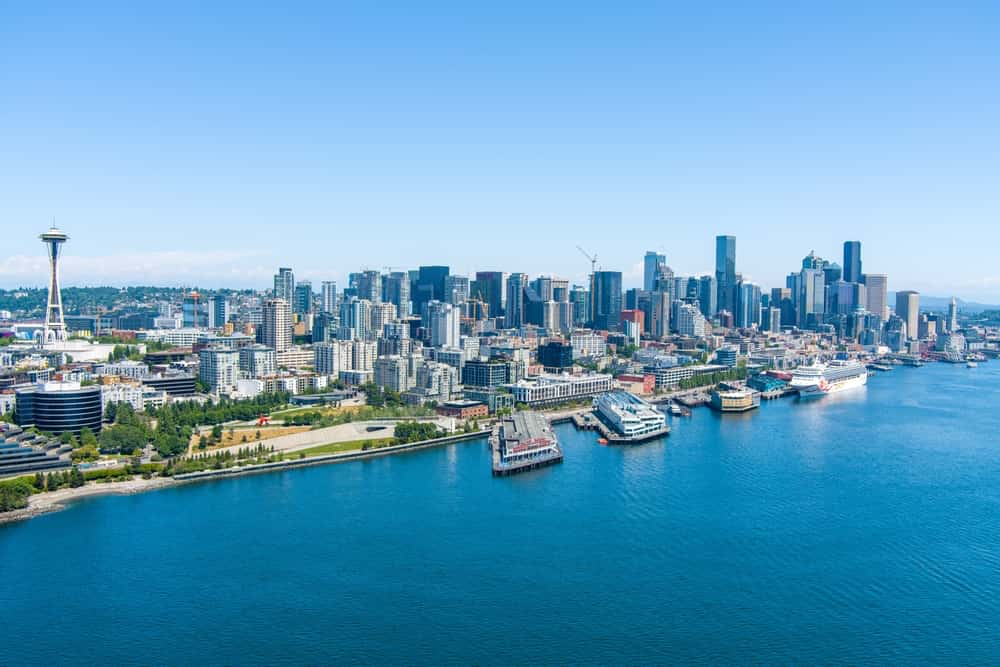
Cost of Movers in Seattle, WA
Find out what hiring movers costs in Seattle when moving locally or long-distance. Explore hourly moving rates and what to expect for planning your move.
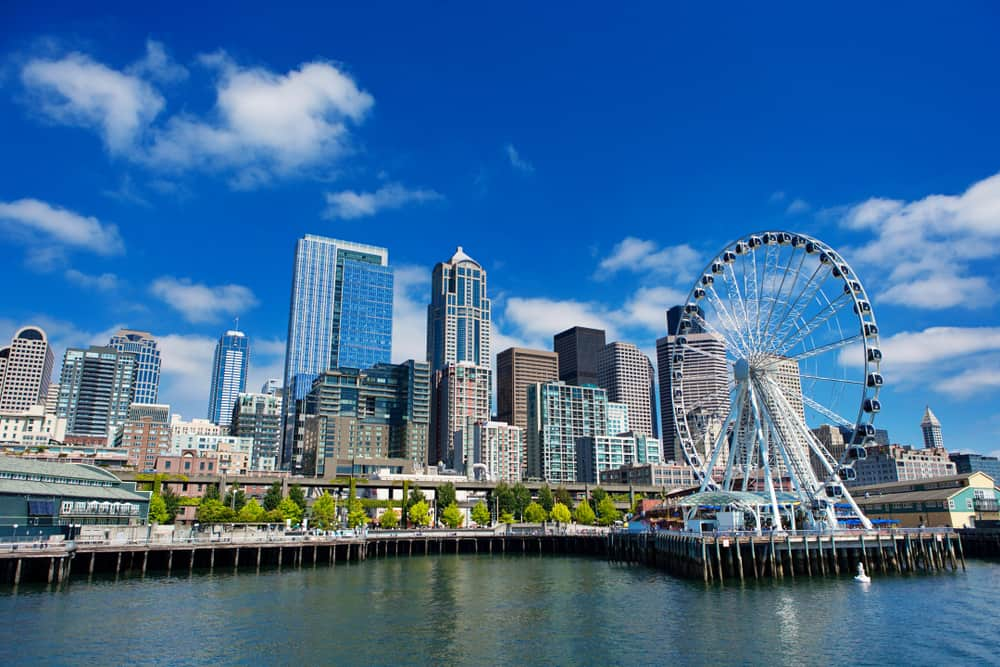
Best Movers in Seattle, WA
Check out our recommendations for the best moving companies in Seattle, WA.

Free & Cheap Moving Boxes in Seattle, WA
Learn where to find free and cheap moving boxes near you in Seattle—and where to recycle them!
Seattle Self Storage & Moving Day Logistics
Between lease gaps, home closings, and staging needs, self storage can be a practical option when moving in Seattle. See how to use storage during your move and find a facility near you.
Self Storage in Seattle
Extra Space Storage operates 15 facilities in the greater Seattle area, with locations in Youngstown, West Queen Anne, Fremont, and more. Find affordable self storage in Seattle during your move.
Choosing the Right Storage Unit in Seattle
When selecting a storage unit in Seattle, a few factors are worth weighing before reserving:
Climate Control: Seattle's rainy season typically runs from October through April, with November and December usually the wettest months. Climate-controlled storage helps protect furniture, electronics, documents, and clothing from moisture and seasonal temperature changes. → Climate-Controlled Storage Guide
Unit Size Guide: 5x5 (small closet/boxes); 5x10 (studio apartment); 10x10 (1-bedroom); 10x20 (2–3 bedroom home); 10x30 (large home or vehicle). → Storage Unit Size Guide
Access & Security: Look for extended or 24-hour gate access, electronic entry, on-site management, and video surveillance. → 24-Hour Access Storage
Lease Flexibility: Month-to-month leases mean you're not locked in, which is useful when move timelines are still in flux. Units can be upgraded or downsized as needs change.
How to Use Storage In Between Homes
If your lease ends before your Seattle home is ready, your closing date shifts, or you're staging a home for sale, short-term storage can bridge the gap. Our guide explains how to plan storage around move-out and move-in dates. → Learn More About Storage for Moving
Explore Seattle: Neighborhoods, Cost of Living, & What to Expect
Seattle's neighborhoods differ in housing costs, commute options, and home types, from apartments near downtown to single-family homes in residential areas farther out. The guides below can help you compare areas and decide where to live.
Cost of Living in Seattle
Seattle's cost of living is approximately 46% above the national average. Housing accounts for most of that difference, with costs approximately 108% above the national average, while utilities fall about 2% below the national average.
Pros & Cons of Seattle
Reviewing the practical trade-offs of living in Seattle can help you plan before or right after your move so you know what to expect. Consider advantages like the strong job market and vast outdoor recreation against disadvantages like the high cost of living and congested traffic.
Things to Know About Seattle
Exploring local knowledge is a great way to navigate living in a new city! Take time to look at things like Seattle's sustainability efforts, pedestrian and cycling paths, the best places to listen to live music, and more.
Seattle vs. Portland
Deciding between two Pacific Northwest cities? Seattle and Portland are both solid options, although they both have their own pros and cons—deciding which works for you will depend on your own needs.
Best Neighborhoods in Seattle

Safe, Affordable Neighborhoods in Seattle
Seattle may have a higher cost of living, but there are still some affordable neighborhoods available, like Beacon Hill, Magnolia, and Blue Ridge.

Best Neighborhoods in Seattle for Singles & Young Professionals
With available jobs, plenty of things to do, and hip neighborhoods like Capitol Hill, Fremont, and Lower Queen Anne, Seattle is great for young adults.

Best Neighborhoods in Seattle for Families
Neighborhoods like Madrona, West Seattle, and Ravenna are great choices for families looking for high-quality schools and family activities.
Local Resources for New Seattle, WA Residents
Take a look at the practical tasks that come with establishing residency in Seattle and King County: driver's license and vehicle registration, utilities, school enrollment, healthcare, transportation, and Washington-specific financial and emergency considerations.
Government & Administrative Setup in Seattle
New Washington residents have 30 days to get a Washington driver's license and register their vehicles, and the license comes first. Driver and vehicle licensing are handled at separate offices, so check the Washington State Department of Licensing (DOL) website for locations and appointments before you go.
Driver's License | Washington requires a Washington driver's license within 30 days of moving to the state. Depending on where you're moving from, a knowledge or drive test may be required, and an expired out-of-state license requires both. You'll leave the office with a 45-day temporary license, and your permanent card arrives by mail. → Get a Driver License |
Vehicle Registration | Register your vehicles within 30 days of moving, after you have your Washington license. Bring your current title and odometer reading to any vehicle licensing office. Washington ended vehicle emissions testing on January 1, 2020, so no emissions test is required. → Vehicle Registration and Plates |
Voter Registration | Online and mail registrations must be received eight days before an election—after that, you can register in person at a county voting center through 8 p.m. on Election Day. Washington votes by mail, and voters do not register by party affiliation. → Register to vote |
Utilities Setup | Seattle City Light provides electricity, and both owners and tenants can open accounts. Seattle Public Utilities (SPU) handles water, sewer, garbage, recycling, and food and yard waste collection for property owners—renters should confirm these services with their landlord. Natural gas service is provided by Puget Sound Energy (PSE). Internet options vary by address, so check availability with providers such as Xfinity and Quantum Fiber. Income-eligible households can apply for the City's Utility Discount Program for reduced City Light and SPU bills. |
Toll Pass | Washington's toll system is Good To Go!, operated by the Washington State Department of Transportation (WSDOT). Drivers with a pass save $2 per trip compared with paying by mail. → Good To Go! Accounts & Passes |
Pet Registration | Seattle requires licenses for cats and dogs, as well as miniature goats and potbellied pigs. Purchase or renew licenses through the Seattle Animal Shelter in person at 2061 15th Ave W, by phone 206-386-PETS (7387), or online. → Seattle Animal Shelter |
School & Family Resources in Seattle
Seattle Public Schools (SPS) serves 48,957 students across 106 schools, according to district data as of August 2026. Students are assigned to a neighborhood school based on their address, and SPS also offers option schools through its School Choice process.
K–12 Public Schools | Find your assigned Seattle Public Schools neighborhood school using the district's address lookup tool. → SPS Enrollment |
School Enrollment | New students need an admission form, a Certificate of Immunization Status (or Certificate of Immunization Exemption), a parent or guardian photo ID, and two proofs of address dated within the past two months. Students entering kindergarten or first grade also need proof of age, such as a birth certificate or passport. → Enroll My Student |
Charter & Private | Washington does not have a state private school voucher or tax-credit scholarship program—private schools set their own admissions and tuition. Washington's public charter schools are tuition-free and open to all students, with most authorized and overseen by the Washington State Charter School Commission. |
Higher Education | Colleges and universities in Seattle include the University of Washington (UW), Seattle University, Seattle Pacific University, and the Seattle Colleges district. In-state tuition generally requires establishing a Washington residence for 12 consecutive months before the first day of the term, primarily for purposes other than education. |
Child Care | The Washington State Department of Children, Youth, and Families (DCYF) administers the Working Connections Child Care subsidy for income-eligible families. The City of Seattle's Department of Education and Early Learning runs the Seattle Preschool Program for 3- and 4-year-olds, with sliding-scale tuition that is free for most families, and the Child Care Assistance Program for eligible working families. |
Healthcare in Seattle
Seattle is served by several hospital systems, along with a large network of primary care clinics and urgent care locations across the city.
Major Health Systems | Health systems in Seattle include UW Medicine, Providence Swedish, Virginia Mason Franciscan Health, Kaiser Permanente Washington, and Seattle Children's, which provides pediatric care. |
Finding a PCP | Use your insurance provider's online directory to find in-network primary care physicians near you, or check your preferred health system's provider search tool. |
Urgent Care | UW Medicine, Providence Swedish, Virginia Mason Franciscan Health, and Kaiser Permanente Washington each operate urgent care locations in Seattle, and Seattle Children's offers pediatric urgent care. Many accept walk-ins or online check-in—check individual locations for hours. |
Mental Health | Call or text 988 for the Suicide & Crisis Lifeline. Crisis Connections operates King County's 24-hour crisis line at 1-866-427-4747 and can connect callers with local mental health services. |
Pharmacy | National chain and grocery store pharmacies operate throughout Seattle. Use your insurer's pharmacy locator to find in-network options near your new home. |
Transportation in Seattle
Seattle residents get around by car, bus, light rail, streetcar, and ferry. A Good To Go! toll account is useful if you'll cross Lake Washington on SR 520 or use the region's express toll lanes, and an ORCA card covers most regional transit.
Toll Pass Setup | Good To Go! offers four pass types, and every pass pays the lowest toll rate on Washington toll roads. The Flex Pass lets qualifying carpools use the I-405 express toll lanes and SR 167 HOT lanes toll-free. → Good To Go! Accounts & Passes |
Key Toll Roads | Good To Go! Express lanes run on I-405, SR 167, and SR 509. There is also bridge tolling on SR 520 and SR 99. |
Public Transit | King County Metro operates buses across Seattle and King County, and Sound Transit operates Link light rail, Sounder commuter rail, and ST Express buses. The adult fare is $3 on both Link and Metro buses, and riders 18 and under ride free. Pay with an ORCA card or contactless tap-to-pay—income-eligible adults can apply for the ORCA LIFT reduced fare. |
Airport Access | Seattle-Tacoma International Airport (SEA), south of downtown Seattle, is the region's primary commercial airport. Seattle Paine Field International Airport (PAE) in Everett, north of Seattle, offers additional commercial flights. |
Major Roadways | Key routes include I-5 and SR 99, which run north-south, and I-90 and SR 520, which connect Seattle to cities east of Lake Washington. |
Financial & Legal Setup in Seattle
Washington's tax structure differs from most other states, and a few financial and insurance considerations are specific to Seattle and King County. Here's what new residents of Seattle should address during their first 30 to 60 days.
State Income Tax | Washington does not currently tax wages or salaries, so no state income tax is withheld from paychecks. Residents relocating from a state with income taxes should update their W-4 withholding with their employer after establishing Washington residency. |
Homestead Exemption | Washington does not offer a general homestead property tax exemption. The state's property tax exemption and deferral programs reduce property taxes for qualifying seniors, people with disabilities, and disabled veterans who meet income limits. |
Homeowners Insurance | Standard homeowners and renters insurance policies usually do not cover earthquake or flood damage—both require separate policies or endorsements. Seattle is in an active earthquake region, so review earthquake coverage options with your insurer. → FEMA Flood Map Service Center |
Vehicle Insurance | Washington requires minimum liability coverage of $25,000 for injury or death to one person, $50,000 for injury or death to all other people, and $10,000 for property damage (25/50/10). Optional coverages, such as personal injury protection (PIP) and underinsured motorist coverage, can add protection beyond the minimum. → Washington's Mandatory Auto Insurance Law |
Address Updates | In addition to filing a USPS Change of Address, notify the IRS (Form 8822), the Social Security Administration, your bank and financial institutions, insurance providers, your employer, and any other service providers. |
Seattle Emergency Preparedness & Safety
The City of Seattle coordinates disaster preparation, response, and public safety across the city. It identifies earthquakes, winter storms, and windstorms among the highest-risk hazards it faces, and landslides and flooding are also concerns. The Seattle Office of Emergency Management provides preparedness guides and hazard information.
Emergency | 911 |
Seattle Police Non-Emergency | (206) 625-5011 |
Poison Control | 1-800-222-1222 |
State Crisis Line | Crisis Connections (King County 24-hour crisis line): 1-866-427-4747 |
988 Suicide & Crisis Lifeline | 988 (call or text) |
Emergency Alerts | Sign up for AlertSeattle, the City of Seattle's official emergency notification system, to receive alerts by text, email, or voice message, or text SEATTLE to 67283. |
Natural Disaster Info | Earthquakes can occur without warning, so the city recommends preparing your home and household in advance. Winter brings snow and ice storms, windstorms, and landslides on steep slopes, and heavy rain can cause localized flooding. Look up the hazards for your address through the city's All Hazards page. |
FEMA Flood Map | Homeowners—especially those in flood-prone areas—should check their address through the FEMA Flood Map Service Center. |
Employment Resources in Seattle
Seattle's economy includes technology and e-commerce, healthcare and life sciences, higher education, aerospace, and maritime trade and logistics. Here are key employment resources to help you get started.
Major Industries | Industries in the Seattle area include technology and cloud computing, e-commerce, healthcare and life sciences, higher education and research, aerospace, and maritime trade and logistics. Learn more through the City of Seattle Office of Economic Development. |
Top Employers | Education: University of Washington Technology and E-commerce: Amazon Healthcare: Virginia Mason Franciscan Health, Seattle Children's Retail and Consumer: Starbucks Government: City of Seattle |
Job Search Tools | Filter by Seattle on platforms like LinkedIn, Indeed, and Glassdoor. The Puget Sound Business Journal covers regional business and industry news. |
State Job Portal | WorkSourceWA offers state-managed job listings, career services, and workforce training resources. |
Unemployment Benefits | If you are newly unemployed after relocating, apply for unemployment benefits through the Washington Employment Security Department (ESD). Eligibility depends on your work history and the reason you left your job, so review ESD's requirements if you relocated before securing work. |
Professional Networking | The Seattle Metropolitan Chamber of Commerce connects businesses across the region, and SCORE Greater Seattle offers free mentoring and workshops for small business owners and entrepreneurs. |
Staffing & Temp Agencies | Robert Half and Randstad both operate in the Seattle area and serve residents seeking contract or temp-to-hire positions. |
Seattle Community Resources & Amenities
Public Library: The Seattle Public Library operates 27 locations, including the Central Library downtown and 26 neighborhood branches. Library cards are free for Seattle residents, and King County residents also qualify through a reciprocal agreement with the King County Library System. → Get a Library Card
Parks & Recreation: Seattle Parks and Recreation manages parks, community centers, pools, and beaches within city limits, while King County Parks manages regional parks and trails across the county.
Neighborhood Associations & Civic Resources: The Seattle Department of Neighborhoods connects residents with community programs, P-Patch gardens, and neighborhood funding, and the City's Newcomer's Guide lists City services for new residents of Seattle.
Local Media:The Seattle Times is the city's daily newspaper, and KUOW is the local NPR station. Local television stations include KING 5, KIRO 7, and KOMO News.
Quinn Johnson
Quinn Johnson is a moving expert and author for Extra Space Storage. He's moved over 15 times, including internationally, and helped countless others between their own homes. He's happy to lift some boxes for a friend as long as he's paid in pizza. As a writer and content creator for Extra Space Storage since 2019, Quinn shares helpful moving tips and info to alleviate the common stresses of moving.