Moving Box Calculator
Gathering the right amount of supplies and boxes is critical for preparing for your move to a new home. Enter the approximate number of items you have, how many people live in your home and how many rooms you’re packing up into our moving box and supplies calculator. We’ll give you a personalized count of small to wardrobe size boxes and other packing supplies you’ll need to complete your move with ease. Input your email to receive a copy of your results.
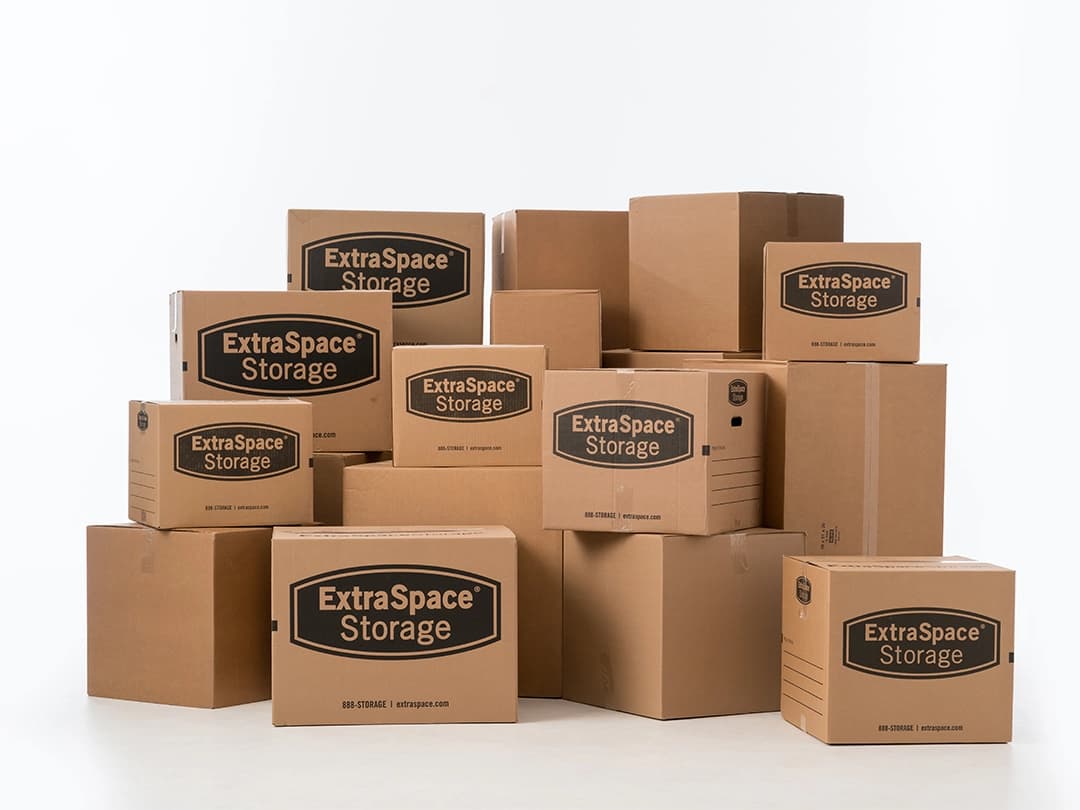
Essential Supplies for a Stress-Free Move
When moving to a new home, investing in the right number of packing supplies—like moving boxes, bubble wrap, and storage bags—can help make the process more manageable. It's also important to follow key packing tips such as choosing the right-sized moving boxes, properly protecting fragile items, and clearly labeling each box.
Factors That Affect How Many Boxes You Need
Decluttering
If you sort through belongings before packing, you can reduce your box count by 20-40%. Moves where decluttering happened before packing consistently land below the average estimate for that home size.
Storage Areas
Basements, attics ,garages, and storage lockers are consistently underestimated. A finished basement alone can add 20-30 boxes. Walk storage areas separately when estimating—don’t lump them into the bedroom count.
Number of Residents
Two people in a 2-bedroom apartment have more combined belongings than one person in the same space. The 10-15 boxes per person rule exists for this reason—the bedroom count is a starting point, not a ceiling.
How Long You Have Lived There
Longer residency means more accumulated items, particularly in closets and storage areas. A home occupied for 10 years will typically require more boxes than the same home occupied for 2 years.
Packing Density
Tightly packed boxes reduce your total count, loosely packed boxes inflate it. Using the right box size for each item type keeps packing efficient and box counts accurate.
How Many Moving Boxes Do You Need?
You can use our moving box calculator for more detailed recommendations or consult the packing supplies charts for 1-bedroom through 4-bedroom homes below.
How many moving boxes do I need for a 1-bedroom apartment?
For a one-bedroom apartment, you’ll typically need between 20 and 45 moving boxes, depending on how much you own and how many people live in your home. A mix of small, medium, and large boxes is recommended, along with some extra large boxes and specialty options.
Small boxes (1.5 cu. ft.): 10-15 for books, dishes, and small appliances.
Medium boxes (3.0 cu. ft.): 5-10 for clothing, pots, pans, and bathroom items.
Large boxes (4.5 cu. ft.): for bedding, pillows, and lightweight bulky items.
Wardrobe boxes: 3-5 one per closet rod section.
Dish pack: 1-2 for fragile kitchenware and glassware.
How many moving boxes do I need for a 3-bedroom house?
For a three-bedroom house, you'll typically need between 45 and 70 boxes, depending on how many people live in your house and how much you own. A combination of small, medium, large, and extra-large boxes is recommended, along with specialty boxes like wardrobe boxes for clothing and dish boxes for fragile items.
Small boxes (1.5 cu. ft.): 15-25 for books, dishes, and small appliances.
Medium boxes (3.0 cu. ft.): 25-40 for clothing, pots, pans, and bathroom items.
Large boxes (4.5 cu. ft.): 15-30 for bedding, pillows, and lightweight bulky items.
Wardrobe boxes: 4-6 best for hanging clothes directly from the closet.
Dish pack: 3-5 for fragile kitchenware and glassware.
How many moving boxes do I need for a 2-bedroom apartment?
For a two-bedroom apartment, you'll typically need between 30 and 55 moving boxes in varying sizes—though the exact number will depend on the number of people in your household and how much you own. It's best to use a combination of small, medium, large, and extra-large boxes, as well as a few specialty boxes like wardrobe boxes.
Small boxes (1.5 cu. ft.): 20-30 boxes for books, heavy items, small appliances.
Medium boxes (3.0 cu. ft.): 15-25 boxes for clothing, shoes, toys, and linens.
Large boxes (4.5 cu. ft.): 10-15 boxes for pillows, bedding, and larger, lightweight items.
Wardrobe boxes: 2-4 boxes for hanging closet items.
Dish pack: 2-4 boxes for fragile kitchenware and glassware.
How many moving boxes do I need for a 4-bedroom house?
For a four-bedroom house, you'll typically need between 55 and 80 moving boxes, depending on the size of your household and the number of belongings. It's best to use a mixture of small, medium, large, and extra-large boxes, as well as specialty options like wardrobe boxes and dish boxes.
Small boxes (1.5 cu. ft.): 45-60 boxes for books, tools, and canned goods.
Medium boxes (3.0 cu. ft.): 40-50 boxes for toys, folded clothes, and general home items.
Large boxes (4.5 cu. ft.): 25-35 boxes for linens, pillows, lamp shades, and bulky, lightweight items.
Wardrobe boxes: 10-14 boxes for hanging bars to keep clothes on hangers.
Dish pack: 6-8 boxes for packing china, glassware, and fragile kitchenware.
What Moving Box Sizes Are Available
There are various moving box sizes designed to meet different needs. Read below to learn how certain box sizes are better suited for specific items.
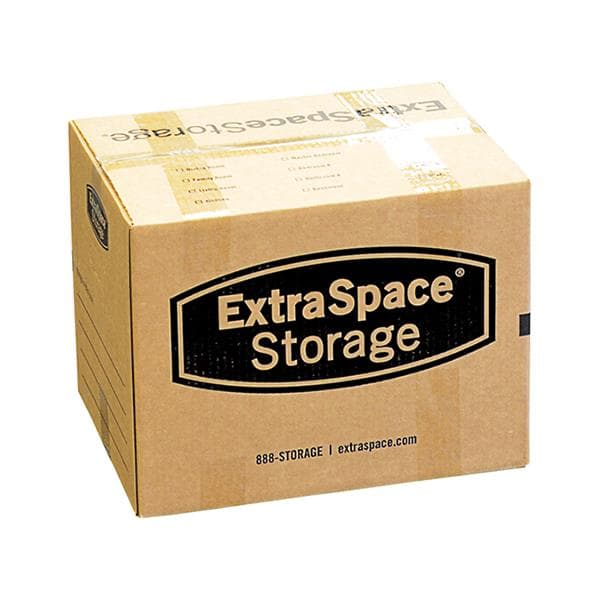
Dimensions: 1.5 cubic feet, 16.625"x12.5"x12.5"
Sturdy enough to handle heavier items such as books, tools, or canned goods. These also handle fragile items well like dishes and glassware.
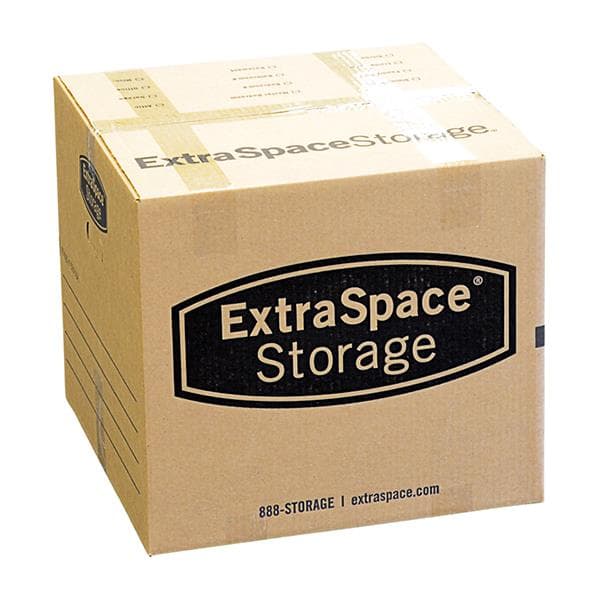
Dimensions: 3 cubic feet, 18"x18"x16"
Ideal for mid-weight belongings like small appliances, kitchen utensils, cookware, toys, and decorative accessories. Made to handle all your essentials.
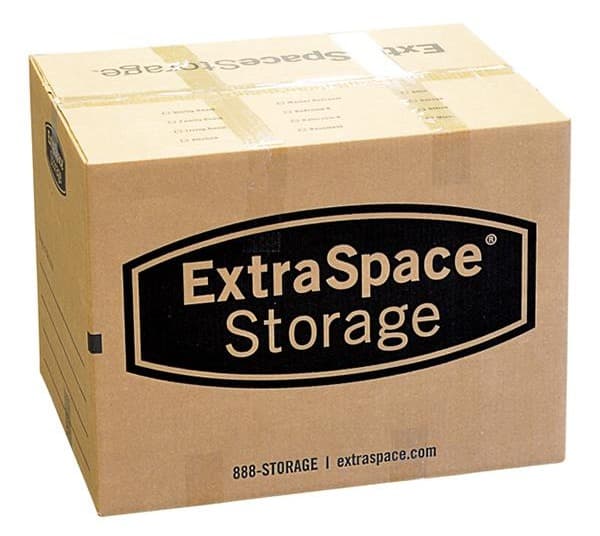
Dimensions: 4.5 cubic feet, 24"x18"x18"
Great for packing bulky, lightweight items like bedding, or awkwardly shaped items like computers, monitors, speakers, and lampshades.
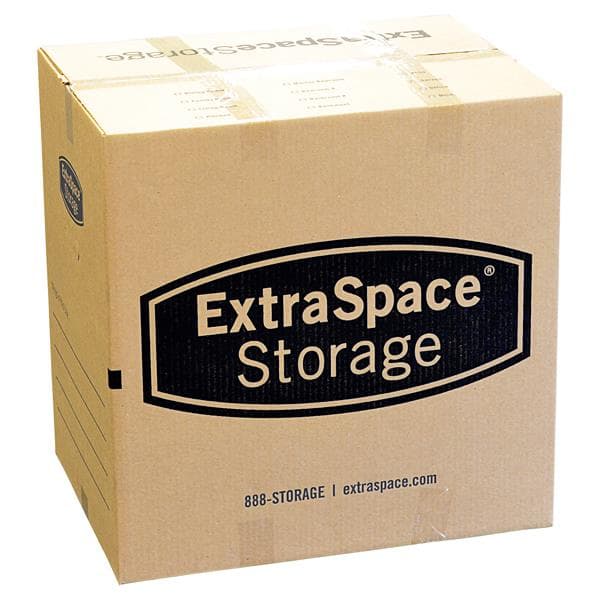
Dimensions: 6.1 cubic feet, 24"x18"x24"
Designed to hold lightweight, bulky items like pillows, linens, comforters, towels, winter coats, and stuffed toys. Provides ample space for all your soft goods.
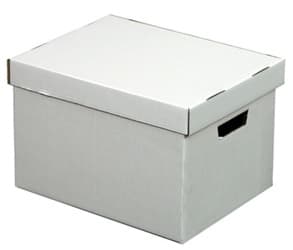
Dimensions: Letter size, 15"x12"x10"
Perfect for packing important documents and other papers. Features handles for easy carrying.
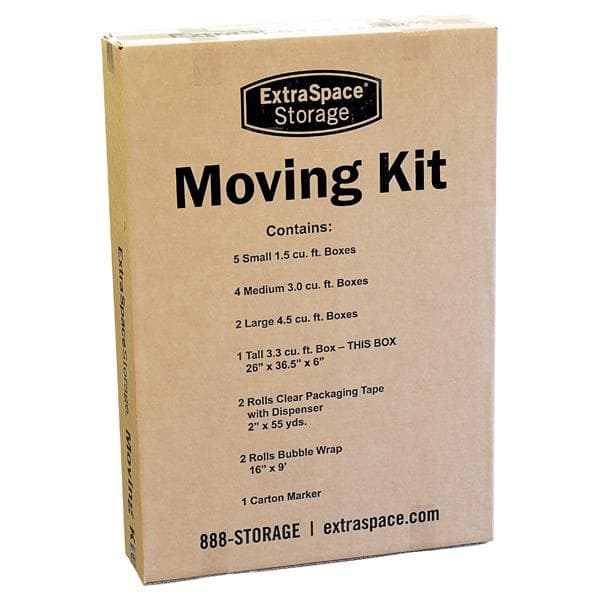
Includes 5 small boxes, 4 medium boxes, 2 large boxes, 1 tall box, 2 rolls of clear packing tape, 2 rolls of bubble wrap, and 1 carton marker.
Helpful for small moves, offering you a variety of moving box sizes to give you enough space to pack all of your things.
Pro Packing and Box Tips
Even after buying boxes for moving, there are a few steps you can take to maximize their utility and ensure an efficient packing process. Check out these tips on how to pack moving boxes!
Always Buy More Than Your Estimate
Order 10–20% more boxes than your total. Returning a few unused boxes is far easier than making an emergency run to the hardware store mid-move. Most moving supply retailers accept returns on undamaged boxes.
Prepare Your Boxes for Packing
Pack smarter to get the most out of your boxes and keep them stable during your move! Start by securely taping down the bottoms of your boxes and using padding materials like towels or bubble wrap for extra cushioning.
Sort Items By Type
Proper moving box organization is essential for quickly accessing the items you need right away in your new home. Group similar items like clothes, toiletries, or bathroom supplies together, and then organize them into categories like necessities and heavy or light belongings.
Make the Most of Box Space
No matter what packing box sizes you have, it's important to avoid under-packing or overpacking your boxes to help prevent damage to your items. A properly packed box will close easily and feel firm when you push on it.
Wrap Fragile Items
When packing a box, take the time to wrap fragile items like glass, electronics, and antiques with an extra layer of padding before adding them to the box. Materials like bubble wrap, packing peanuts, and bedsheets can also be used to help pad delicate items.
Sort and Label by Room
One way to have an organized move is to pack moving boxes by room to help you keep track of your belongings as you unpack. Clearly label all boxes with the room they are from and what's inside them to make the unpacking process more efficient. Write both the destination room and a short contents description on every box. Kitchen boxes especially benefit from contents labels — “Kitchen: pots/pans” vs. “Kitchen: fragile/glasses” changes how movers handle them.
Seal Your Boxes After Packing
When you finish filling a box for packing, be sure to use additional packing materials to line the top of the box, and then seal it tightly with packing tape. This will not only help protect your items but also make stacking boxes on top of each other easier and safer.
Use Small Boxes for Heavy Items
books, canned goods, tools, and kitchen appliances are deceptively heavy. Small boxes (1.5 cu ft) keep weight manageable and prevent box failures — keep them under 35 lbs.
Account for Storage Areas Separately
Garages, basements, and attics need their own box estimate. Don’t fold them into the bedroom count; walk them separately and add to your total.
Use Wardrobe Boxes for Hanging Clothes
Moving hanging clothes flat into regular boxes causes wrinkles and wastes space. One wardrobe box replaces a full closet rod and keeps clothes ready to hang in your new home.
Moving Kits & Other Packing Supplies
Using proper packing supplies can help you maximize space, keep items secure, speed up unpacking, and more. Learn more about the best packing supplies for moving.
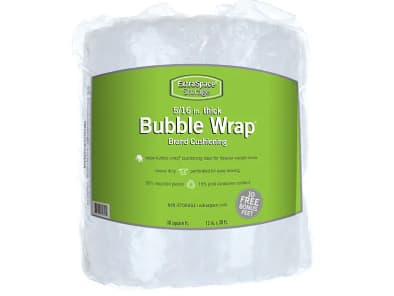
Using bubble wrap with your fragile items will give them the extra layer of protection they need to remain safe while on the move. This is great to use with items like TVs, lamps, dishes, glassware, and more.
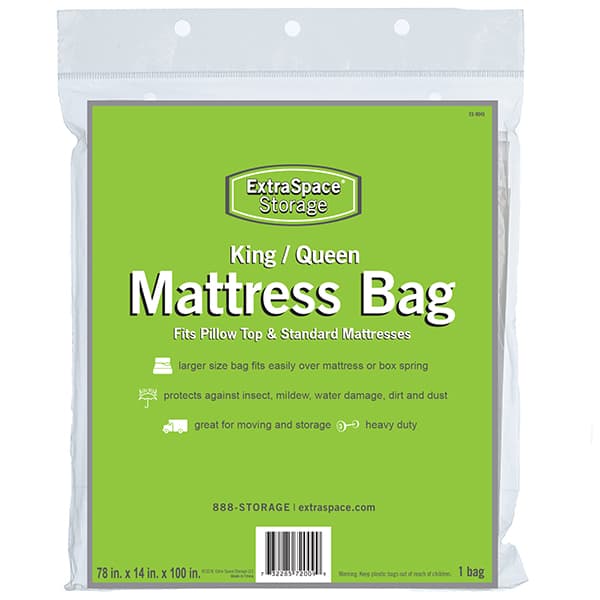
Storage bags are heavy-duty, resealable bags that help protect large items like mattresses against dirt, water damage, and pests. Similarly, protective covers help shield sofas, chairs, and more. Both are helpful in keeping furniture safe and easier to manage during a move.
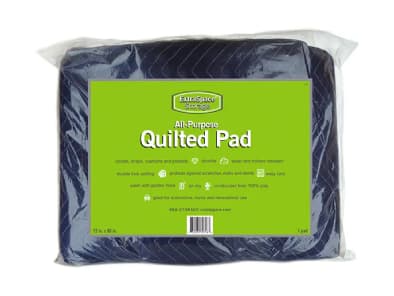
Quilted moving pads add a protective layer for fragile items like furniture, mirrors, and appliances, helping prevent scratches, dents, and water damage during transport.
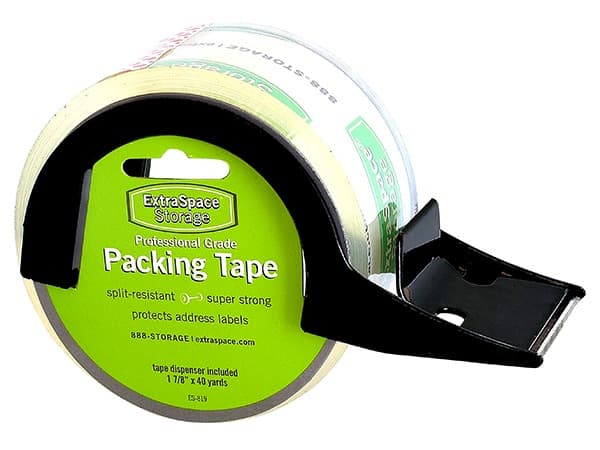
Moving supplies like clear tape and stretch wrap help keep your items secure during a move. Tape helps you seal your moving boxes and prevents them from tearing, while stretch wrap helps protect and hold together larger items like desks, dressers, and more.
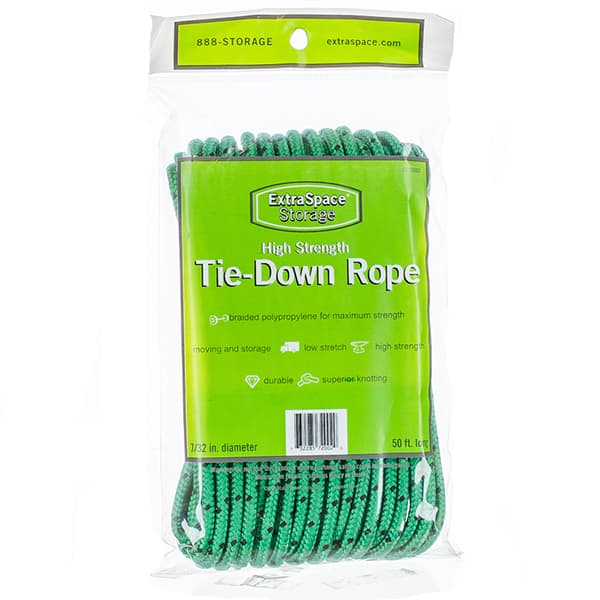
Using tie-downs for larger objects like furniture or boxes will help prevent them from shifting in the moving truck and getting damaged during your move.
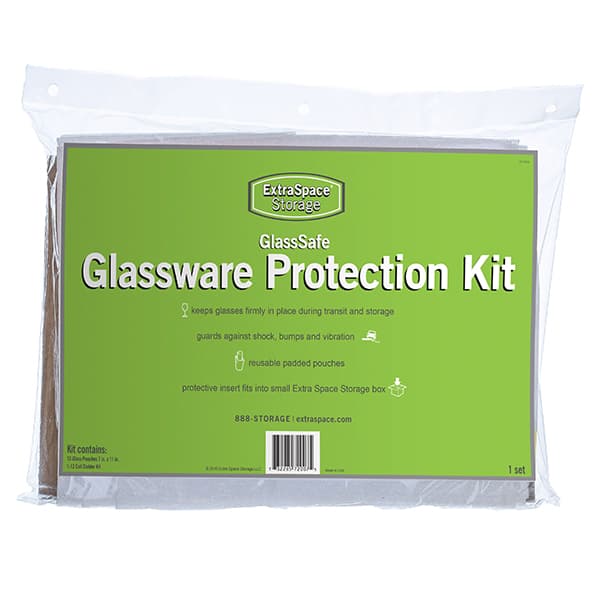
Protection kits are a great way to help keep fragile belongings—like dishes, glassware, and more—safe and secure from shock, rough handling, and vibrations that could occur in transit to your new home.
Frequently Asked Questions
How much weight can a moving box hold?
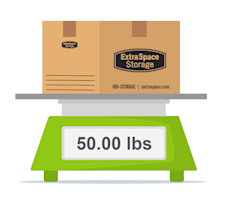
Standard moving boxes can generally support around 20 to 30 pounds. While some boxes are rated for up to 60 or 70 pounds, it's best to keep the weight in these around 50 pounds for easier carrying.
What supplies do you need for moving?
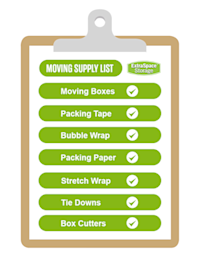
Some essential packing supplies you need for your next move include boxes, packing tape, bubble wrap, packing paper, stretch wrap, tie-downs, and box cutters.
What is the most common moving box size?
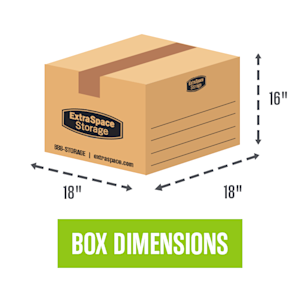
A medium-sized box with three cubic feet of space and 18"x18"x16" dimensions is the most common moving box size you'll encounter. They are great for items like cookware, accessories, and other mid-weight belongings.