Moving Guide
Moving Boxes 101: How to Choose & Pack Boxes
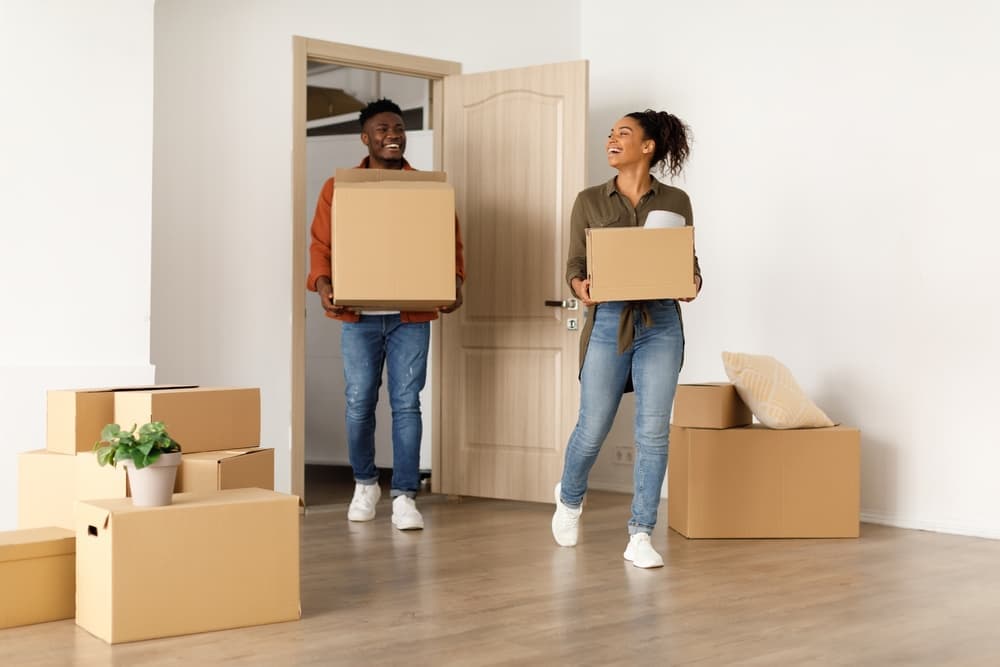
Moving boxes are a must-have for a smooth move, but not having a room-by-room packing checklist can make for a stressful experience. Regardless of what you're planning to move, keep these general packing tips in mind:
Choose Sturdy Boxes: If you're not sure what boxes to use for moving, focus on finding sturdy boxes, with reinforced double walls for added security.
Plan Box Quantities: Estimate how many moving boxes you’ll need based on the size of your home and the number of belongings, so you can gather enough supplies before packing begins.
Match Box Size to Item Weight: It might sound counter-intuitive, but you’ll want to use smaller boxes for heavy items and larger boxes for lightweight items. This makes it easier to transport boxes and reduces the risk of damage.
Pack Strategically: When filling boxes, distribute the weight evenly. Make sure there isn’t a ton of room for individual items to move around—and if there is, use a smaller box.
Avoid Overstuffing: Unless you’re hiring movers, you will be the one moving these boxes—so avoid overpacking them. Having too much in one box can make it heavier and more difficult to safely move.
Label Clearly: After firmly sealing the box, one of the most helpful packing tips is to label each box with its content and destination for easier unpacking.
Knowing how to properly pack different box sizes can help you save money and materials, avoid wasting space, and reduce the likelihood of damaging items while moving. Learn about the different types of moving boxes and their best uses in our guide below!
Small Moving Boxes
Medium Moving Boxes
Large Moving Boxes
Extra Large Moving Boxes
File Boxes
Wardrobe Boxes
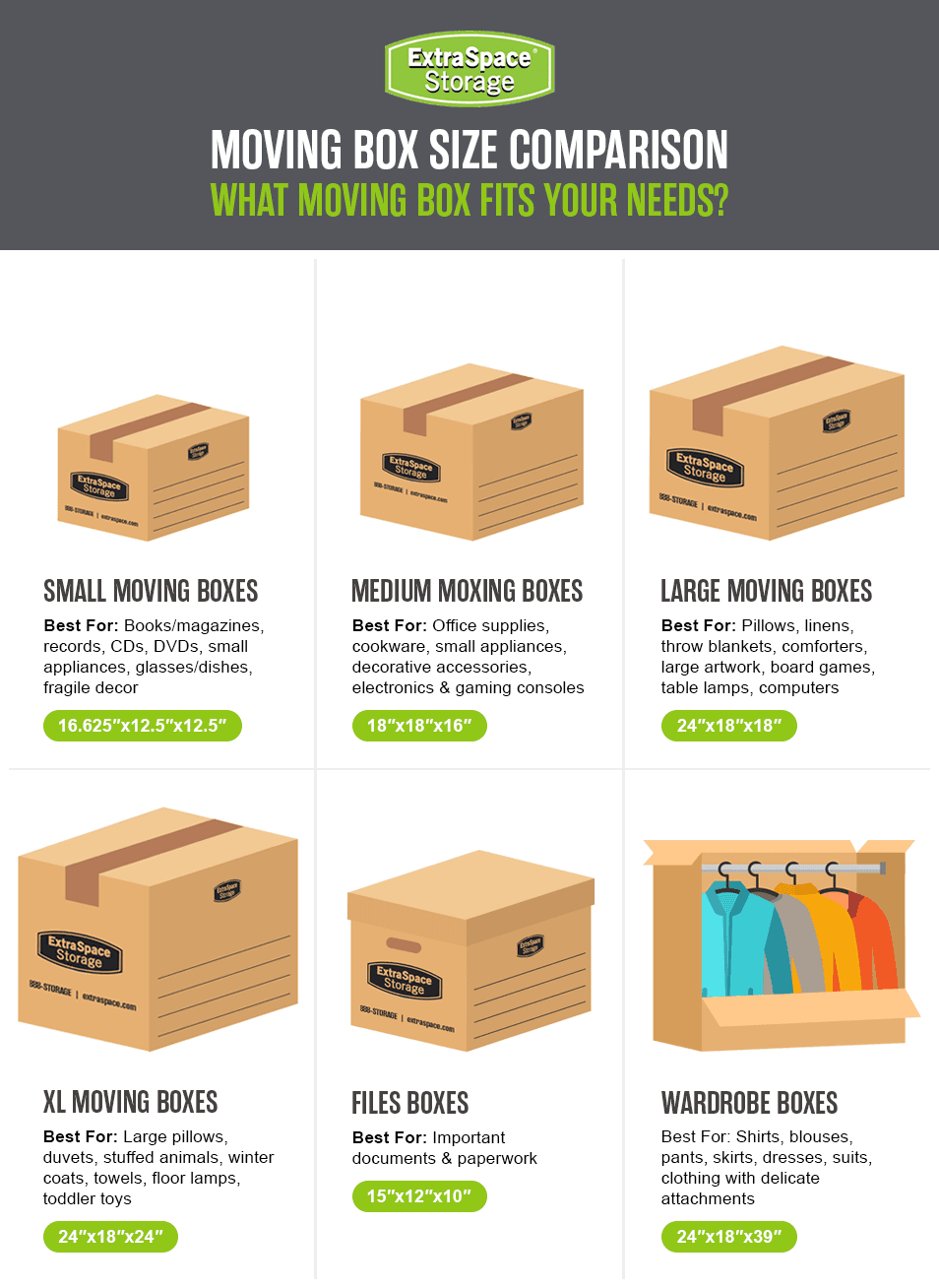
Small Moving Boxes
Dimensions: 16.625"x12.5"x12.5"
Best For: Books/magazines, records, CDs, DVDs, small appliances, glasses/dishes, fragile decor
Approximately 1.5 cubic feet, a small moving box is designed for packing and transporting small or fragile items during a move. Small packing boxes are more dense and compact, which makes them an ideal option for packing heavy items, as well.
Tips for Packing Small Moving Boxes:
Pack larger books near the sides of the box for better distribution of weight.
Protect glasses and other dishes by wrapping them individually in tissue or stiff paper.
When packing items that don't sit flush against the sides of the box, make sure there's little-to-no empty space to prevent jostling.
Avoid packing items that could harm each other in the same box—such as silverware and records.
Medium Moving Boxes
Dimensions: 18”x18”x16”
Best For: Office supplies, cookware, small kitchen appliances, decorative accessories, electronics/gaming consoles
A medium moving box offers 3 cubic feet of space and is one of the most versatile moving boxes. With slightly more space than small boxes, medium-size boxes are best for handling items that are a bit bigger and lighter—including kitchen appliances like toasters, blenders, and coffee machines.
Tips for Packing Medium Moving Boxes:
Wrap fragile items like decor in bubble wrap or packing paper to prevent them from clinking together or breaking during transport.
When packing appliances, take off and wrap removable parts separately so they don't fall off and cause damage during the move.
If possible, place electronics in their original packaging to help prevent shifting—or use packing peanuts, towels, and other soft materials to cushion these items.
Find Affordable Self Storage Near You
Extra Space Storage has over 4,000 locations across the U.S. with friendly customer service, advanced security features, and affordable month-to-month rates.
- Save up to 40% off online
Large Moving Boxes
Dimensions: 24”x18”x18"
Best For: Pillows, linens, throw blankets, comforters, large artwork, board games, table lamps, computers
At Extra Space Storage, large boxes are 4.5 cubic feet in size, making them one of the best types of boxes for handling bulky, lightweight items. Large packing boxes are also great for items that are awkwardly-shaped and don't fit in smaller boxes—like computers or monitors. With a bigger box size like this, it's important to be extra mindful of the overall weight of the box as you're packing. While these boxes aren't fragile, it's still important to pack them properly to avoid damaging your items.
Tips for Packing Large Moving Boxes:
Be sure to distribute weight across the entire box to prevent breakage in the middle or bottom.
When packing paintings and artwork, large vases, and other fragile or valuable belongings, use blankets as padding to fill empty space for more protection. Use moving blankets to wrap the outside of the box for additional protection.
Use the square method or pillowcase folding technique to help maximize space when packing blankets, comforters, and linens.
Extra Large Moving Boxes
Dimensions: 24”x18”x24”
Best For: Large pillows, duvets, stuffed animals, winter coats, towels, floor lamps, toddler toys
Similar to large boxes, extra large boxes are ideal for packing one large item or several lighter weight, non-fragile items such as towels or pillows. Extra large packing boxes are often used for items that don't quite fit into large boxes. With 6.1 cubic feet of space, the additional height offered by extra large boxes also comes in handy if you have any taller items to pack. Just remember to evenly distribute the weight when packing extra large moving boxes since they're generally less sturdy than more compact boxes.
Tips for Packing Extra Large Moving Boxes:
Fold towels and linens neatly and consider using space-saving vacuum seal bags to allow for additional items in the same box.
Use packing peanuts, bubble wrap, or crumpled paper to fill any empty spaces and prevent items from shifting during transport.
Be careful not to overload these boxes to help maintain the integrity of the box and make them easier to carry and stack.
File Boxes
Dimensions: 15”x12”x10”
Best For: Important documents/paperwork
A file box is a specialized cardboard box designed for transporting and storing documents and files. If you pack papers in regular boxes or with other items, they could become damaged or lost in the flow. File boxes are sturdier, flatter, and specifically sized to fit standard folders—making them the ideal box to use if you're moving important documents.
Tips for Packing File Boxes:
Use folders or dividers to group related documents together and keep the box organized.
Clearly and concisely label all dividers, along with the box itself, for easy unpacking.
Fill any empty space with packing paper to prevent folders (and documents) from shifting during the move.
Wardrobe Boxes
Dimensions: 24”x18”x39”
Best For: Shirts/blouses, pants, skirts, dresses, suits, clothing with delicate attachments
At 13.4 cubic feet, a wardrobe box is a large, sturdy moving box option specifically designed for hanging clothes. These cardboard boxes come with a metal hanging bar inside, which allows you to transfer clothes on hangers directly from your closet and into the box. Wardrobe moving boxes are a packing hack because they keep nice clothes wrinkle-free during a move and streamline the unpacking process by keeping clothes on their hangers.
Tips for Packing Wardrobe Boxes:
Use wire or plastic hangers if possible to minimize space and weight consumption.
Hang heavier clothes near the sides of the box so that the weight in the middle doesn't pull the box down or collapse.
Prioritize packing delicate clothing items or formal wear in wardrobe boxes before including t-shirts or tank tops that don't require as much protection.
Avoid packing several bulky clothing items—like winter coats—in the same box so it doesn't become too heavy to carry.
***
Trying to find affordable moving supplies? Extra Space Storage offers sturdy moving boxes and other helpful moving supplies that help make decluttering before relocation a breeze. Find a storage facility near you today!
Explore More Packing Tips
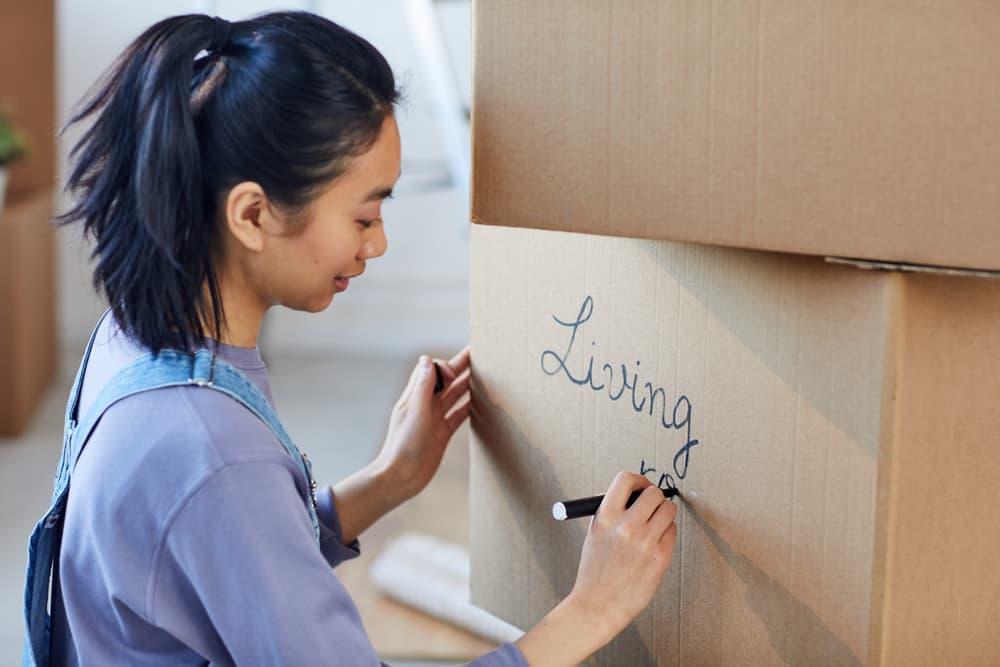
7 Tips for Labeling Moving Boxes
Moving into a new home? Use this guide for proper labeling techniques to make the moving process easier.
Tips for Packing & Moving a Flat-Screen TV
Moving homes and need to pack a flat-screen TV? Follow this guide on how to securely and safely prepare it for your move.
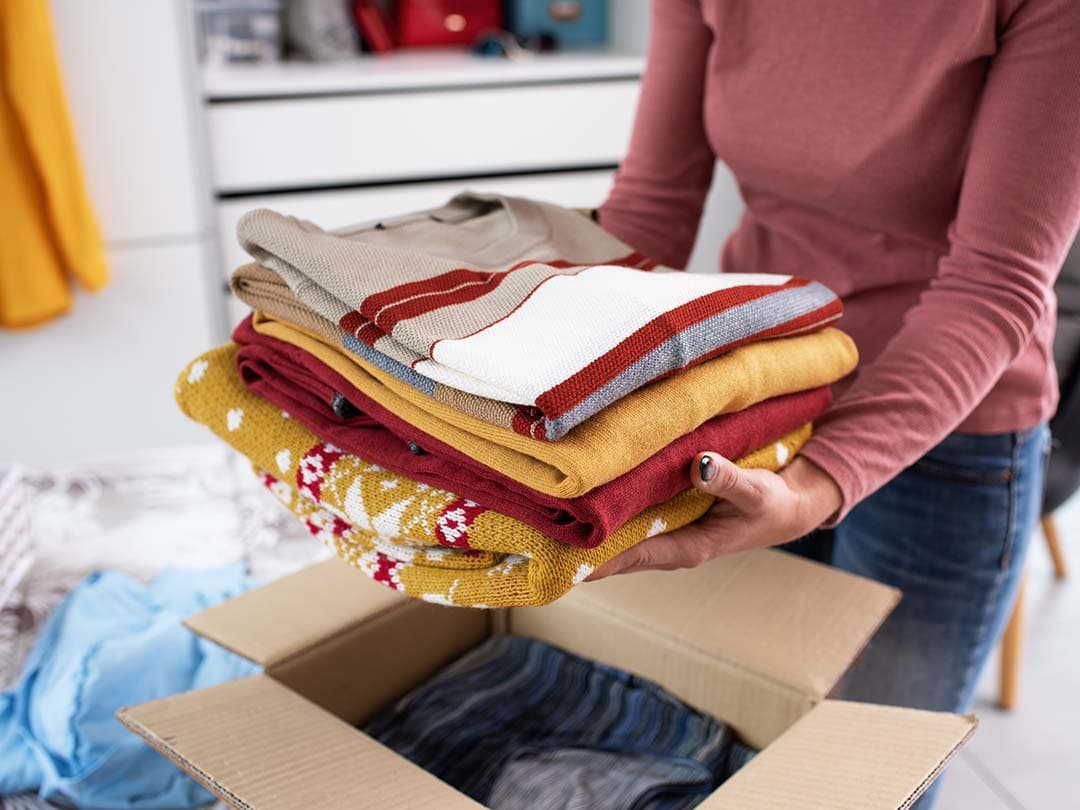
Best Way to Pack Clothes for Moving
Learn the best ways to pack clothes for a move with these expert tips on decluttering, folding techniques, packing supplies, and more.
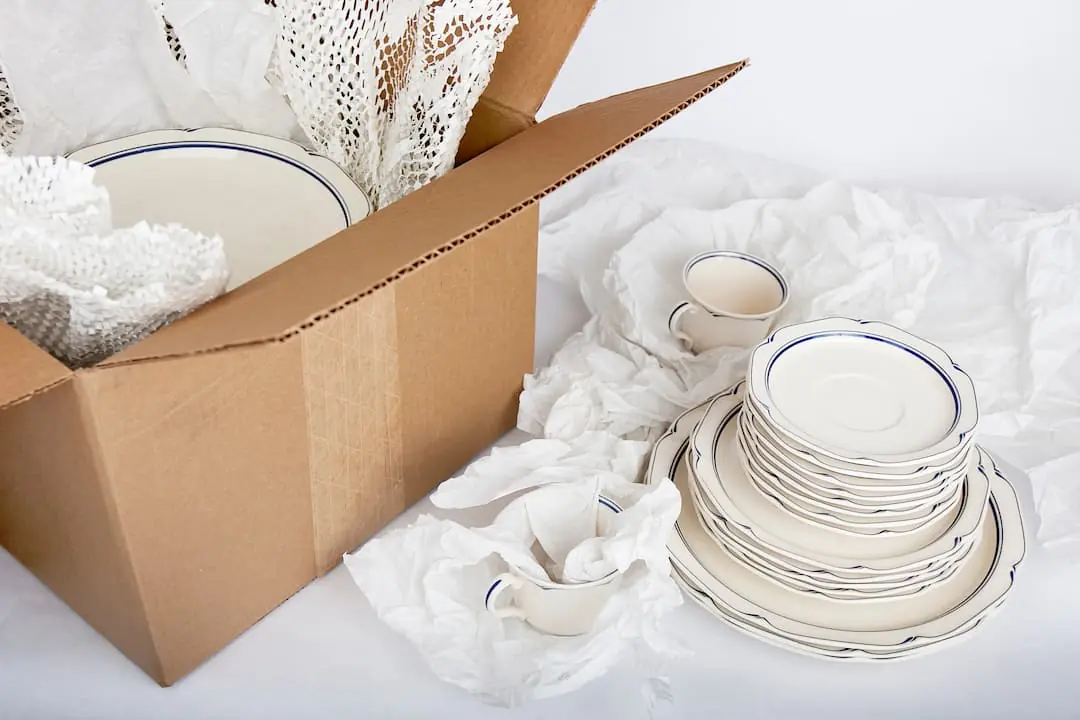
How to Pack Fine China
Need to pack china for storage or moving? Follow these helpful steps to avoid damaging your delicate china.
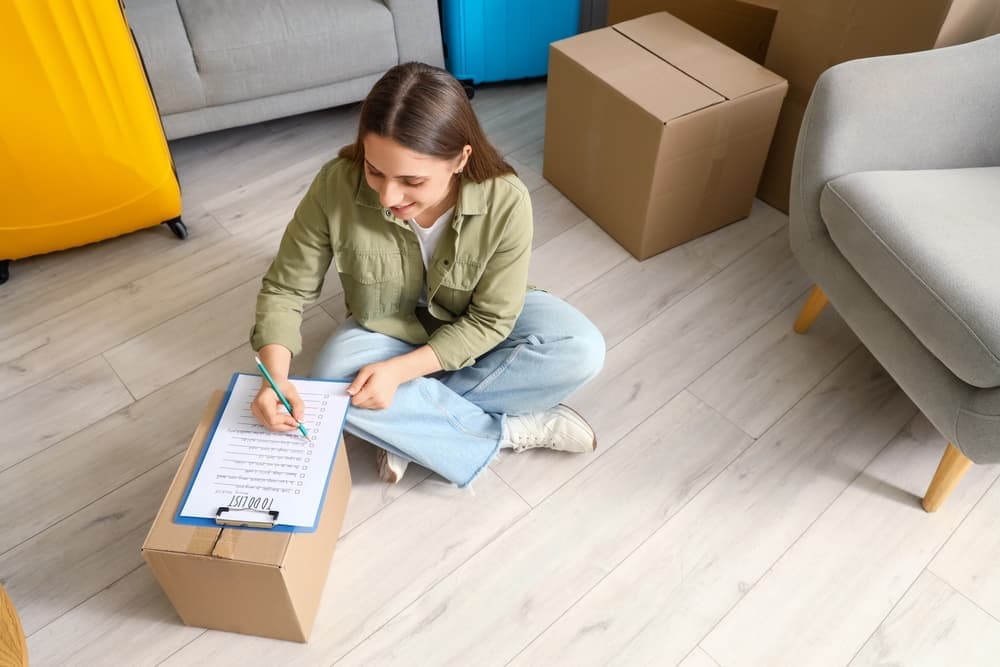
Room-By-Room Packing Checklist
Make packing for your next move easy with our room-by-room checklist, which includes specific packing tips for each area of your home or apartment!
Author Profile
Quinn Johnson
Quinn Johnson is a moving expert and author for Extra Space Storage. He's moved over 15 times, including internationally, and helped countless others between their own homes. He's happy to lift some boxes for a friend as long as he's paid in pizza. As a writer and content creator for Extra Space Storage since 2019, Quinn shares helpful moving tips and info to alleviate the common stresses of moving.