Moving Guide
Packing Tips for Your Next Move
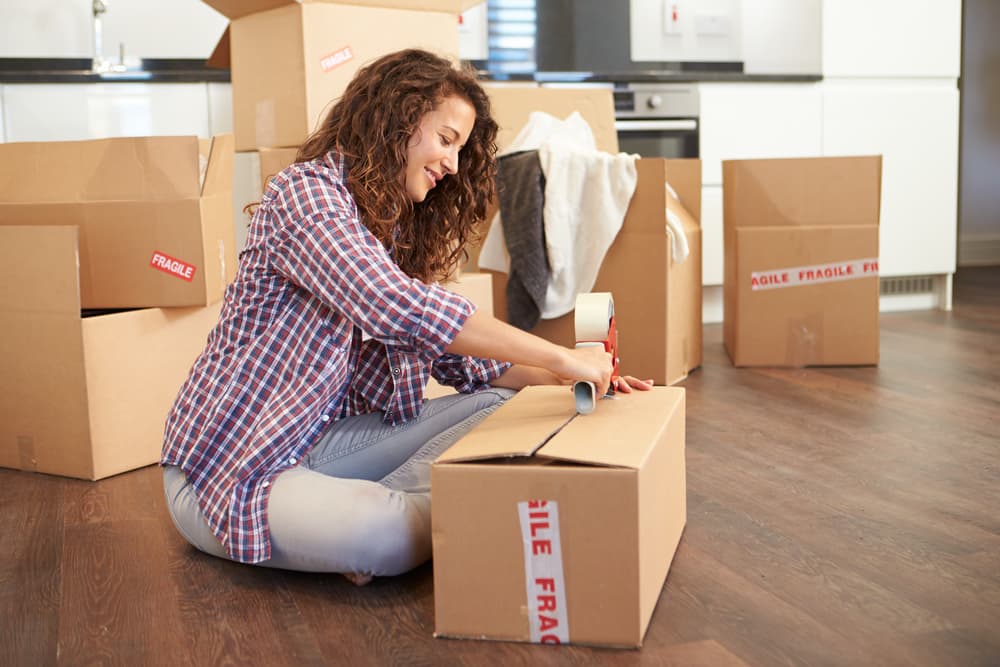
Preparing to move? No matter if you're moving out of state or relocating somewhere local, packing up all your belongings can be intimidating. Check out these packing tips as you work to complete your moving checklist!
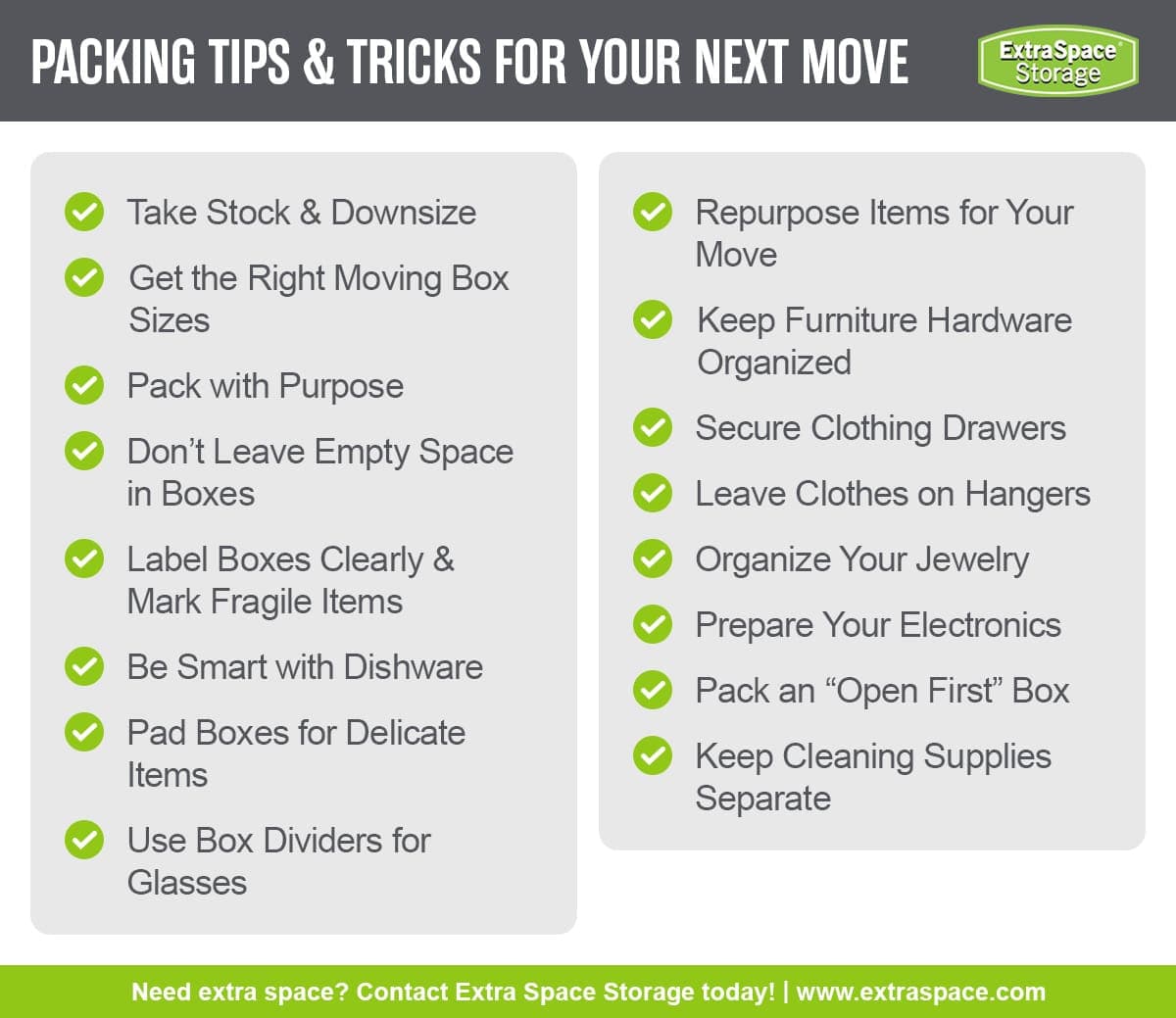
Take Stock & Downsize
Whether you're moving by yourself or with others, one of the best ways to simplify the packing process is to declutter a couple months before your moving date. The fewer items you have to pack, the easier it'll be to load your moving vehicle. Things you can do with decluttered items include selling them at a garage sale or through local online listings, donating items to local charities, and more. If you're not ready to part with certain belongings just yet, temporary storage can give you extra time to decide without adding to the stress of moving.
Get the Right Moving Box Sizes
Before you can start packing, you'll need to make sure you get the right moving box sizes. Having small, medium, and large boxes makes it easier for you to safely pack your items in an adequate space. Plus, using the right box size is crucial to protecting your items from damage during the move. If you're moving on a budget, look for affordable or free moving boxes in your area—storage facilities, grocery stores, liquor stores, and online marketplaces like Facebook Marketplace and Craigslist are great places to start your search. Use our free moving box calculator to get a personalized estimate of how many boxes you'll need for your move.
Pack with Purpose
Start packing about four weeks before moving day to avoid a last-minute rush. Begin with items you don't use daily, such as seasonal clothing, decor, and extra linens, then work your way toward everyday essentials as moving day approaches. A great moving tip is to pack room-by-room rather than mixing items from different areas of your home. This keeps boxes organized, makes labeling easier, and simplifies unpacking by allowing you to unload items directly into their designated room. Be sure to stick to a packing schedule and tackle a little each day to stay on track and feel prepared when moving day arrives.
Don't Leave Empty Space in Boxes
One of the best ways to pack for moving is to minimize the empty space in your boxes to prevent belongings from being damaged from shifting around. If you don't have packing paper, use newspapers, magazines, or towels to help fill in any gaps in your moving boxes. Put heavier items at the bottom of boxes and lighter items on top to help prevent your belongings from tumbling and getting damaged while in transit.
Label Boxes Clearly & Mark Fragile Items
Once you've packed each room, label every box with its destination room and a brief description of its contents. To save time, use room abbreviations like "KIT" for the kitchen or "BR" for the bedroom, or color-code labels so movers can quickly identify where each box belongs in your new home. Don't forget to also indicate which boxes are delicate to help protect your belongings. For a simple, consistent system, mark fragile boxes with a circled "F" or write the word FRAGILE on all sides. You can also seal the box with tape that has the word already printed on it. These small steps help movers handle your belongings with care, simplify unloading, and make unpacking less stressful.
Be Smart with Dishware
Kitchen items can be hard to pack because of their fragility. It's a good packing idea to use bubble wrap or foam pouches when dealing with breakable plates and bowls. Another moving hack to protect delicate kitchen items is to incorporate things like paper towels, newspaper, styrofoam plates, and corrugated cardboard between dishes, glassware, and china to help prevent them from scratching each other during transportation. You can also pack dishes like plates vertically to prevent them from breaking.
Pad Boxes for Delicate Items
When you're moving to a new home, a great moving tip for packing fragile items is to pad your moving boxes even before wrapping your belongings. While you can use moving classics like newspaper or packing paper to line boxes, you can use other items like tea towels, rags, or clothing instead. This is especially helpful for moving dishes, lamps, and other delicate home decor, as it can prevent items from shuffling around inside boxes. For even more protection, you can wrap boxes with moving blankets!
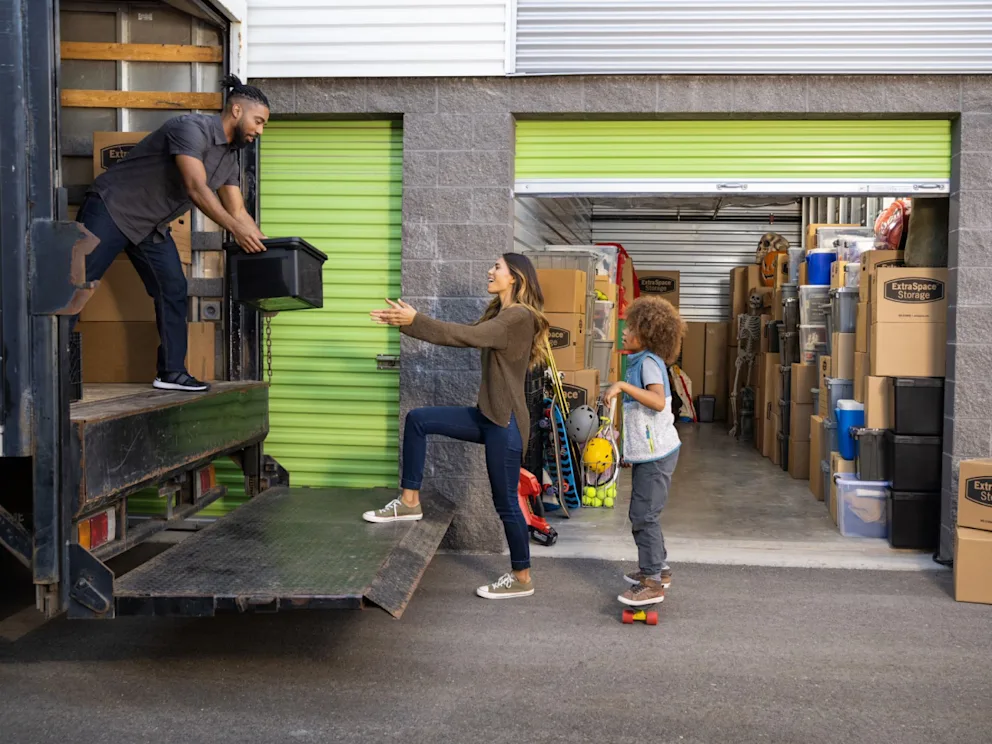
Find Affordable Self Storage Near You
Extra Space Storage has over 4,000 locations across the U.S. with friendly customer service, advanced security features, and affordable month-to-month rates.
- Save up to 40% off online
Use Box Dividers for Glasses
If you don't want to pack wine glasses and other glassware by just wrapping them in bubble wrap or packing paper, consider using glassware protection kits, dishware protection kits, or dish pack boxes that come with dividers for each item in the container. Though these boxes can be more expensive, the extra protection they provide is well worth the price. The dividers create a buffer between glassware so they don't bounce together, keeping them safer during your move.
Repurpose Items for Your Move
You don't need a moving box for everything you own—find ways to repurpose items lying around the house. Use rolling suitcases to transport heavy or awkward items like books, tools, and cookware. Pack smaller items—like toiletries, toys, or makeup—in food storage containers to keep them together and prevent them from getting lost. Maximize space in larger boxes by vacuum-sealing bulky items like sweaters and pillows, and use blankets to cushion fragile decor. You can even tuck cooking utensils into oven mitts, and pack spices and herbs inside your slow cooker.
Keep Furniture Hardware Organized
When disassembling furniture for a move, keep screws, bolts, nails, brackets, and other small hardware together so you can easily reassemble everything in your new home. Place the hardware from each furniture item in a separate sealable bag, label it clearly, and tape it securely to the corresponding piece of furniture. This will help prevent small parts from getting lost in transit and make reassembly much easier once you arrive.
Secure Clothing Drawers
Instead of just tossing clothing into a moving box, garbage bag, or suitcase—spaces you can utilize for other items—keep your clothes in the dresser, and then wrap it with plastic wrap! This will help save space as you pack up and in the moving vehicle. Or if you're not hiring professional movers, keep your clothing in each drawer, but remove the drawers from the dresser or armoire. This will allow you to use the drawers as boxes, stay organized while packing, and make it more manageable for you and a friend to transport.
Leave Clothes on Hangers
For clothing you typically hang in the closet, the best packing hack is to actually keep them on their hangers! Separate the hanging attire into smaller bundles, then slide garbage bags or other large bags over them. While the bags provide protection for your clothes, it's also a good idea to tie the strings or a rubber band around the hooks to help prevent them from shifting too much. By leaving your clothes on their hangers, all you have to do when you get into your new home is hang the items up and pull the bags off!
Organize Your Jewelry
There are a ton of ways you can go about packing jewelry for moving. Save yourself money and repurpose items you already have for jewelry storage. For example, string your necklaces through a straw to keep them from tangling. Put smaller jewelry like earrings or rings inside pill bottles or egg cartons to help prevent them from tossing around during a move.
Prepare Your Electronics
Packing electronics properly helps protect them during your move and keep them working after you arrive. Use original packaging if available, or choose a box large enough to hold each device and its accessories with protective materials. Keep related items together, and take photos of your devices’ setups before disconnecting them to make reconnecting easier later. Bundle and label cords with the devices they belong to and their purpose, and consider taping cords and remotes to their corresponding electronics to keep everything together. For valuable electronics, take photos and record serial numbers in case you need documentation for an insurance claim down the line.
Pack an "Open First" Box
No matter if you're dealing with a short-notice move or something more planned, one of the best packing tips is to gather a room's essentials into an "open first" box. These open-first boxes will contain basic necessities to help you get through the first few days in your new home as you begin unpacking. Some items to include in an open-first box are your moving folder, important documents, water bottles, plastic cutlery, paper plates, toiletries, pillows, phone chargers, and more. Just make sure to seal your toiletries in something like a plastic bag to prevent any leaks from getting on your other items.
Keep Cleaning Supplies Separate
As you pack up your old home, keep the cleaning supplies away from everything else. Whether organic or chemical, these materials can spill and potentially damage other items—so it's best to seal them in a separate container. And while it's courteous and can help renters, in particular, get their deposit back, outgoing residents do not always clean the space before vacating. So, it's a good idea to pack your cleaning supplies last when moving, and unpack them first in your new home.
Frequently Asked Questions About Packing for a Move
How many weeks before moving day should I start packing?
Aim to start packing about a month before your moving date so you have enough time to prepare without feeling rushed. Use the first few weeks to gather packing supplies, organize your belongings, and box up items you can live without for a few weeks. Leave everyday essentials until the final few days so you can stick to your usual routine right up until moving day.
How many boxes do I need to pack a house?
The number of boxes you'll need to pack your house depends on your home's size, the number of belongings you have, and how much you've decluttered before moving. Using a mix of small, medium, and large boxes can help you pack more efficiently while keeping your items protected during transport. To determine how many boxes you need, get a personalized estimate with our moving box calculator!
How do I pack fragile items without bubble wrap?
If you don't have bubble wrap on hand, use household items like towels, blankets, socks, and clothing to cushion fragile belongings for your move. Wrap dishes and glassware individually, fill empty spaces in boxes with crumbled packing paper or soft fabrics, and label boxes clearly so they're handled with care.
What should go in an "open first" box?
An "open first" box should contain the essentials you'll need immediately after arriving at your new home—so you don't have to dig through multiple boxes to find them. Include toiletries, medications, phone chargers, basic kitchen supplies, and a change of clothes. If you have kids, pack their favorite toys, snacks, bedtime essentials, and any necessary hygiene supplies. For pets, include food, bowls, leashes, medications, and familiar comfort items. Keep the box easily accessible to help everyone settle in more comfortably.
***
Looking for self storage to help with your move? Extra Space Storage has convenient storage locations across the country. Find secure storage near you!
Explore More Packing Tips
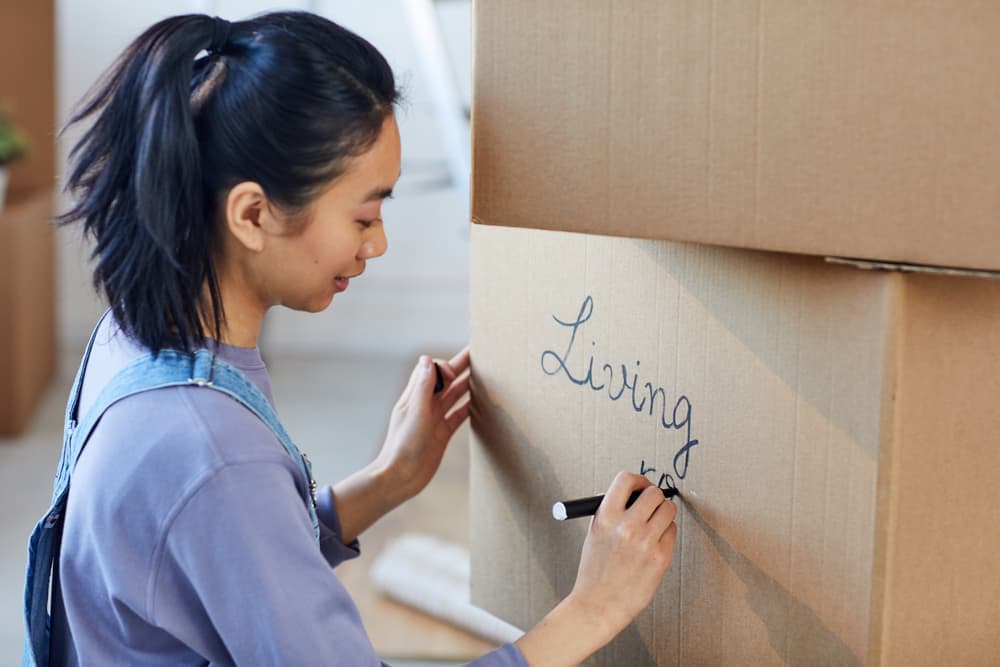
7 Tips for Labeling Moving Boxes
Moving into a new home? Use this guide for proper labeling techniques to make the moving process easier.

Tips for Packing & Moving a Flat-Screen TV
Moving homes and need to pack a flat-screen TV? Follow this guide on how to securely and safely prepare it for your move.
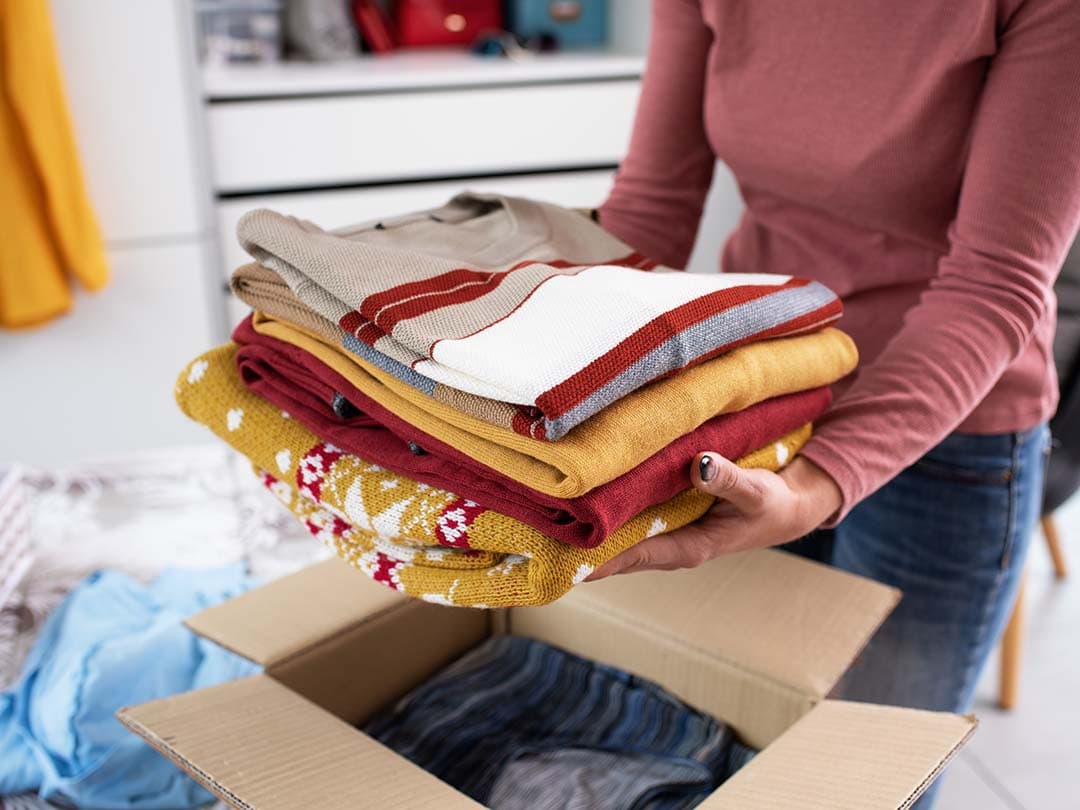
Best Way to Pack Clothes for Moving
Learn the best ways to pack clothes for a move with these expert tips on decluttering, folding techniques, packing supplies, and more.
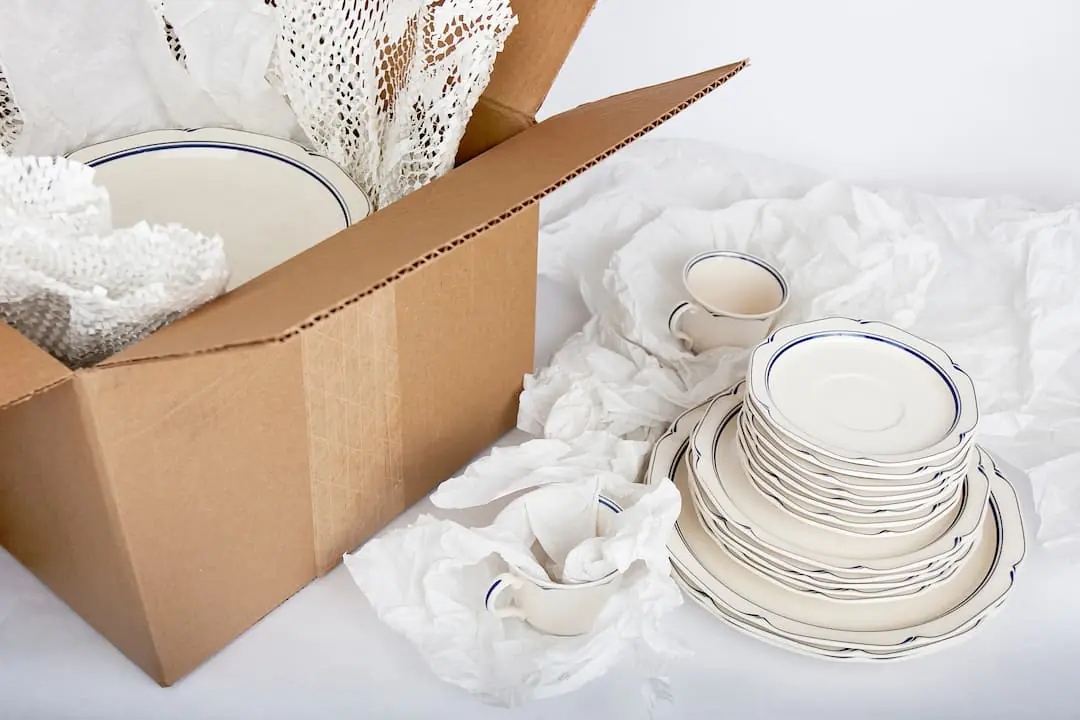
How to Pack Fine China
Need to pack china for storage or moving? Follow these helpful steps to avoid damaging your delicate china.
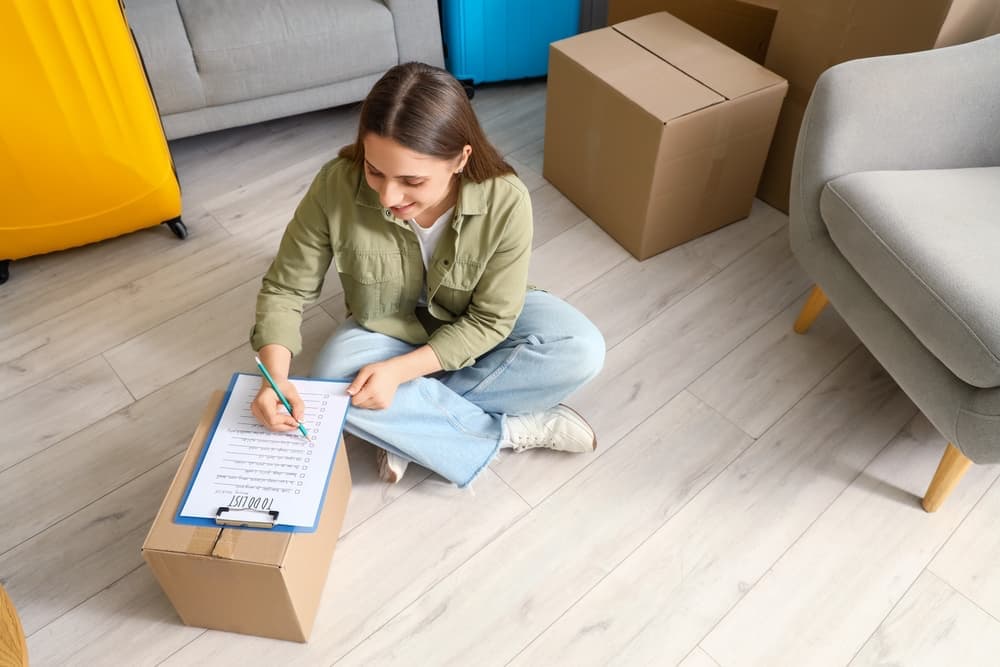
Room-By-Room Packing Checklist
Make packing for your next move easy with our room-by-room checklist, which includes specific packing tips for each area of your home or apartment!
Author Profile
Quinn Johnson
Quinn Johnson is a moving expert and author for Extra Space Storage. He's moved over 15 times, including internationally, and helped countless others between their own homes. He's happy to lift some boxes for a friend as long as he's paid in pizza. As a writer and content creator for Extra Space Storage since 2019, Quinn shares helpful moving tips and info to alleviate the common stresses of moving.