Moving Guide
Step-by-Step Guide to Hiring Professional Movers

Read Time: 8 min read
It’s normal to feel a bit overwhelmed by the process of moving to a new home, but hiring movers can turn a stressful relocation into a smoother, more manageable experience. In this guide, we’ll walk you through every step of finding the best movers in your area, from researching and getting quotes to checking reviews and verifying credentials. Here are 12 steps to take when hiring professional movers.
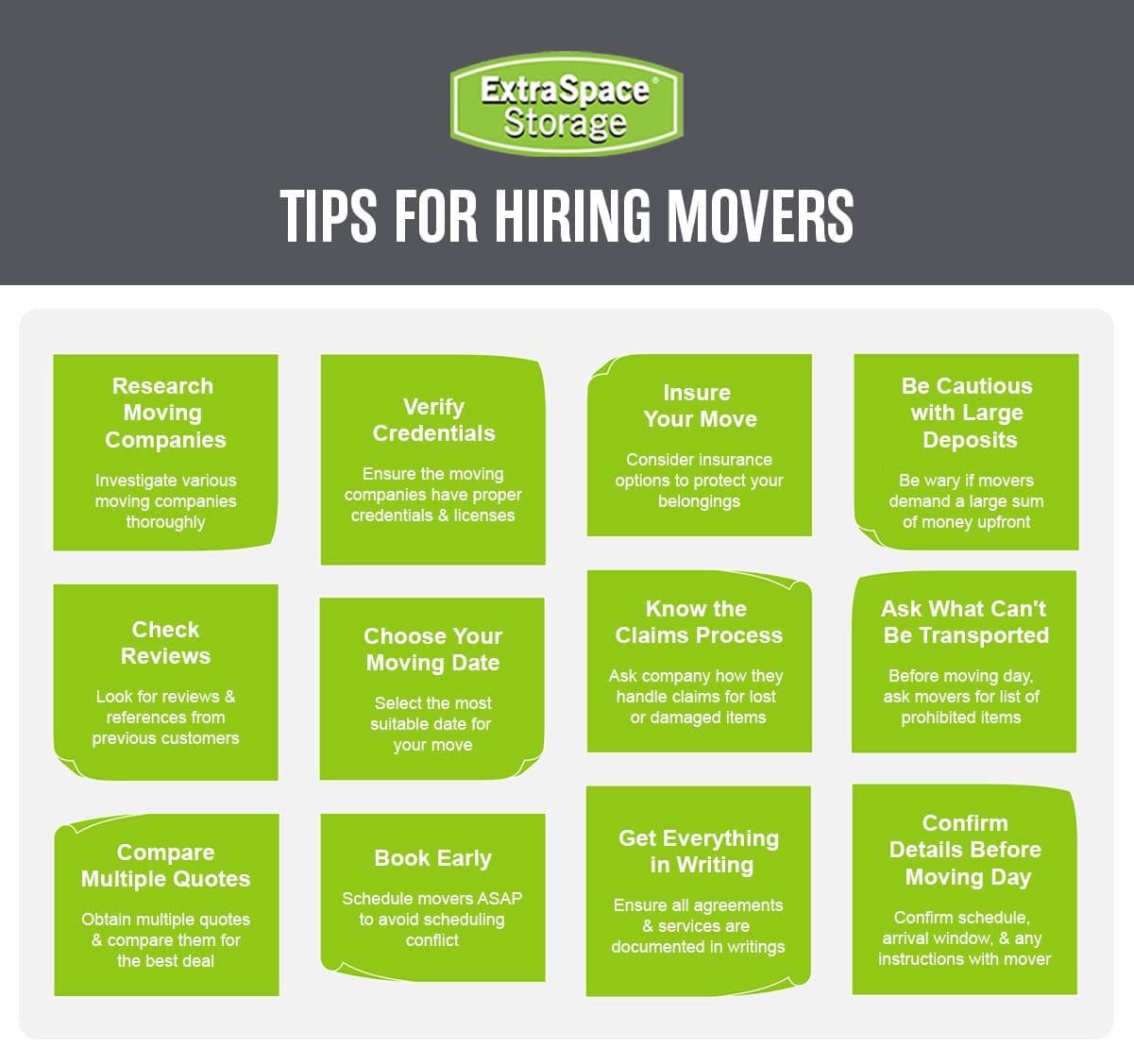
Research Moving Companies Thoroughly
When thinking about how to choose a moving company, the first step in hiring professional movers is research. First, consider what your moving needs are—some companies only do local moves, while others specialize in long-distance or out-of-state relocations. Make sure the movers you’re considering offer the services you need and operate in your origin and destination areas. You should also consider if you'll need packing services in addition to moving services. Determining what your needs are when moving will help you narrow down the list of movers as well as what type of company to look into.
Check Reviews & References
Once you've gathered a list of moving companies to consider, ask friends, family, and coworkers which moving companies they had good experiences with. You can also check online for moving company tips and read customer reviews on Yelp, the company's Google Business Profile, and the Better Business Bureau (BBB) website to see if their reputation is overall positive. A long track record of reliable service and positive reviews is a great sign that you’re dealing with professionals who care about customers and their belongings. You can also ask the moving companies for references directly—a quality mover who takes pride in their work will be able to connect you with recent customers who can share their experiences. Doing adequate research into the company's services and reviews will give you a well-rounded view of their reliability.
Get Multiple Quotes and Compare
Once you have a shortlist of movers, reach out to at least three different moving companies for moving quotes to help you understand the average cost of movers and spot any outliers for choosing the right moving company. Some things to keep in mind when considering quotes include:
Establish your budget for hiring professional movers with a moving cost calculator
Determine how companies calculate pricing—whether through a binding estimate, flat rate, or hourly charges
Be cautious of unusually low quotes or firm pricing without an in-home or virtual review of your belongings, which could indicate missing services or less reliable movers
Ensure each quote includes the same services—like supplies, long carries, and large items—to accurately compare prices
Document all communications
Ask movers questions about anything unclear
Decide which company offers the best balance of cost and services for your move
Verify Credentials
One of the most important steps in hiring professional movers is verifying their credentials. A genuine professional moving company should be fully licensed and insured. For interstate moving companies in the U.S., check that they are registered with the U.S. Department of Transportation's (DOT) Federal Motor Carrier Safety Administration (FMCSA). Look up the USDOT number to confirm that the mover is authorized to transport goods across state lines and adheres to federal regulations. If you’re moving a shorter distance within the same state, the licensing requirements might vary, so look up your state’s rules, or ask the moving company for proof of any required state license.
Choose the Right Moving Date
If your timing is flexible and you want to move on a budget, consider choosing a moving company that will help you move during winter or on a less busy day. Many people move on Fridays or weekends, which can drive up demand and prices. By contrast, weekdays often have lower rates. Being open to a move during an off-peak time might also mean your crew can give you more personalized attention, as they won’t be rushing to the next job.
Book Your Move Early
Once you know your moving date and have vetted potential moving companies, schedule your movers as soon as possible. Great moving companies can get filled up quickly, especially during weekends, at the end of the month, and in the summertime. Booking in advance secures your ideal date and gives you plenty of time to coordinate logistics with the company and set up or transfer utilities. Early planning translates to fewer last-minute surprises. If there's any possibility that your moving plans can change, ask how far ahead you must cancel and what costs or fees you will be responsible for.
Insure Your Move
Insuring your move is crucial. Don’t hesitate to ask for proof of the mover’s insurance coverage. At the very least, they should have basic liability coverage for your belongings and cargo insurance for the transport. Legitimate movers will also offer valuation coverage options that you can choose from to protect your goods (for example, basic coverage by the pound or full value protection). Verify whether the company’s insurance is up-to-date and sufficient. A trustworthy mover will gladly provide you with documentation of their mover insurance and explain what it covers. In fact, many building managers or homeowner's associations require proof of a moving company’s insurance before move-in day, especially to cover any potential property damage in common areas.

Find Affordable Self Storage Near You
Extra Space Storage has over 4,000 locations across the U.S. with friendly customer service, advanced security features, and affordable month-to-month rates.
- Save up to 50% off online
Know the Claims Process Before You Hire
Even careful movers occasionally damage or lose items, so ask how a company handles claims before you book: how to file, who handles them, and how long they take to resolve. Your valuation coverage determines what you’d be paid. Released Value Protection is free but pays only 60 cents per pound per item, while Full Value Protection covers repair, replacement, or the item’s current value, so confirm your choice in writing.
On delivery day, check your items against the inventory on your Bill of Lading before you sign, and note any damage or missing pieces on the paperwork. If something’s wrong, file a written claim and keep the damaged items until it’s resolved. For interstate moves, you have nine months from delivery to file, and the mover has 30 days to acknowledge your claim and 120 days to resolve it. Intrastate moves follow state rules, so check yours or ask your mover.
Get Everything in Writing
When hiring movers, make sure you have a written contract, or Bill of Lading, that outlines all the details of your move—including the services to be provided, dates, costs, the mover’s responsibility for loss or damage, and more. Having a clear agreement protects you and sets clear expectations. Sometimes a Bill of Lading includes an inventory list or additional attachment that lists all items being moved. Re-read the contract a few days before the move, and don’t hesitate to ask your mover any questions. Knowing exactly what to expect will keep you feeling in control.
Be Cautious with Large Deposits
It’s common for moving companies to request a small deposit to hold your moving date, but be wary if a mover demands a large sum of money upfront. When choosing the right moving company, most reputable movers charge the bulk of the payment upon delivery of your goods, not before. Paying by credit card can also help offer you protection against fraud. A company requiring a huge upfront payment or only accepting cash could be a red flag. A trustworthy company instills confidence with fair payment terms—they’ll do the job right and then collect payment, rather than the other way around.
Ask What Movers Won’t Transport
Before moving day, ask your mover for their list of prohibited items. Federal regulations restrict movers from transporting hazardous materials, and many companies add their own rules, so lists vary. Getting the list early gives you time to dispose of, donate, or transport these items yourself.
Items movers commonly won’t take include:
Hazardous & flammable items: fuels, propane and other air tanks, charcoal
Chemicals & cleaners: bleach, ammonia, pesticides
Automotive items: car batteries, motor oil, antifreeze
Household products: aerosol cans, rubbing alcohol, paint
Explosives: fireworks, matches, ammunition
Perishables: frozen or refrigerated food
Plants and pets: most movers won’t transport them, and some states restrict moving plants across state lines
Movers will usually load valuables like jewelry, important documents, and family heirlooms, but it’s safer to keep them with you. Take them in your own vehicle or send them through a secure delivery service.
Confirm Details Before Moving Day
A day or two before your move, confirm the schedule, arrival window, and any special instructions with your mover. If your building requires you to reserve an elevator or loading dock, book that ahead of time and let the crew know. For tips on getting your belongings ready, see our packing guide.
On moving day, stay reachable so the crew can ask questions. Point out fragile items and priority boxes before they start loading. Before the truck leaves, do a final walkthrough of every room, closet, and storage area to make sure nothing is left behind. Also, keep cash on hand for tipping movers after the work is complete.
FAQs
What are red flags when hiring movers?
Major red flags for moving companies include lack of verifiable license or insurance, no physical address, suspiciously low estimates, demands for large cash deposits, and missing paperwork. Be sure to read the FMCSA Spot the Red Flags Guide, read company reviews, and look up any complaint history on the Better Business Bureau before deciding on a moving company.
Should I get an in-home or virtual moving estimate?
The right type of moving estimate will depend on the size of your home, schedule, and how detailed you'd like to be. A virtual moving estimate may be best if you have a smaller space or you need a moving estimate fast. An in-home estimate is better if you have a larger home or complex layout, have specialty items to move, and want to avoid surprise moving costs.
What items won’t movers transport?
Movers can’t transport hazardous materials like propane tanks, gasoline, and ammunition, which are restricted under federal rules. Most movers also won’t take plants or pets, and some states restrict moving plants across state lines. Ask your mover for their full list of prohibited items.
What moving insurance should I get?
Full Value Protection offers more coverage compared to Released Value Protection, the two insurances moving companies are required to offer. While Released Value is free, you're only compensated with $0.60 per pound, while Full Value insures you for the item's market value.
***
Planning a move? Extra Space Storage offers resources for moving, including tips, moving calculators, and more on our Moving Resources Hub. And for storage needs, we have locations across the U.S. to help with your transition. Find affordable storage near you!
Helpful Moving Tips & Tools

How to Set Up Utilities After Moving: Your Complete Guide
Moving to a new apartment or home soon? This guide takes you through how to set up utilities—including a step-by-step utility setup timeline.

Moving to a New Home? Use This 3-Month Moving Checklist
Moving to a new home? Whether it's to a new house or an apartment, moving can be difficult at times. Stay on track with our three-month moving to-do list!

Address Change Checklist: Who to Notify When You Move
Planning a move soon? Use this change of address checklist to notify the proper people and places that you're moving!

How Much Do Movers Cost?
Professional movers cost ~$550-$12,000. Learn the average cost of hiring a moving company for local and long-distance moves in this guide.

Best Tape for Moving Boxes
Planning a move? Buying the best packing tape for moving boxes is essential for a hassle-free move. Find out which tapes are best for moving boxes.
Author Profile
Quinn Johnson
Quinn Johnson is a moving expert and author for Extra Space Storage. He's moved over 15 times, including internationally, and helped countless others between their own homes. He's happy to lift some boxes for a friend as long as he's paid in pizza. As a writer and content creator for Extra Space Storage since 2019, Quinn shares helpful moving tips and info to alleviate the common stresses of moving.