Moving Guide
Best Tape for Moving Boxes

Moving to a new home can be exciting, but it also comes with a lot of preparation and packing. During a move, finding moving supplies like affordable moving boxes and moving blankets or furniture pads, as well as finding a reliable moving company is often the biggest priority. But smaller details like choosing the best tape for moving boxes is crucial to keep your packed items secure is also part of that process. Learn more about what packing tape is best for a move below!
Why the Type of Tape Matters for Moving
Using a reliable, sturdy tape means your moving boxes will stay sealed through loading a moving truck, bumpy car rides, unloading at your new home, and even short or long term storage. The right tape keeps your belongings safe inside the box and saves you from the stress of finding items broken or lost due to a box bursting open. Plus, quality packing tape is easier to use. It unwinds smoothly, resists tangling, and often comes with a dispenser that speeds up the job.
Best Tape for Moving Boxes
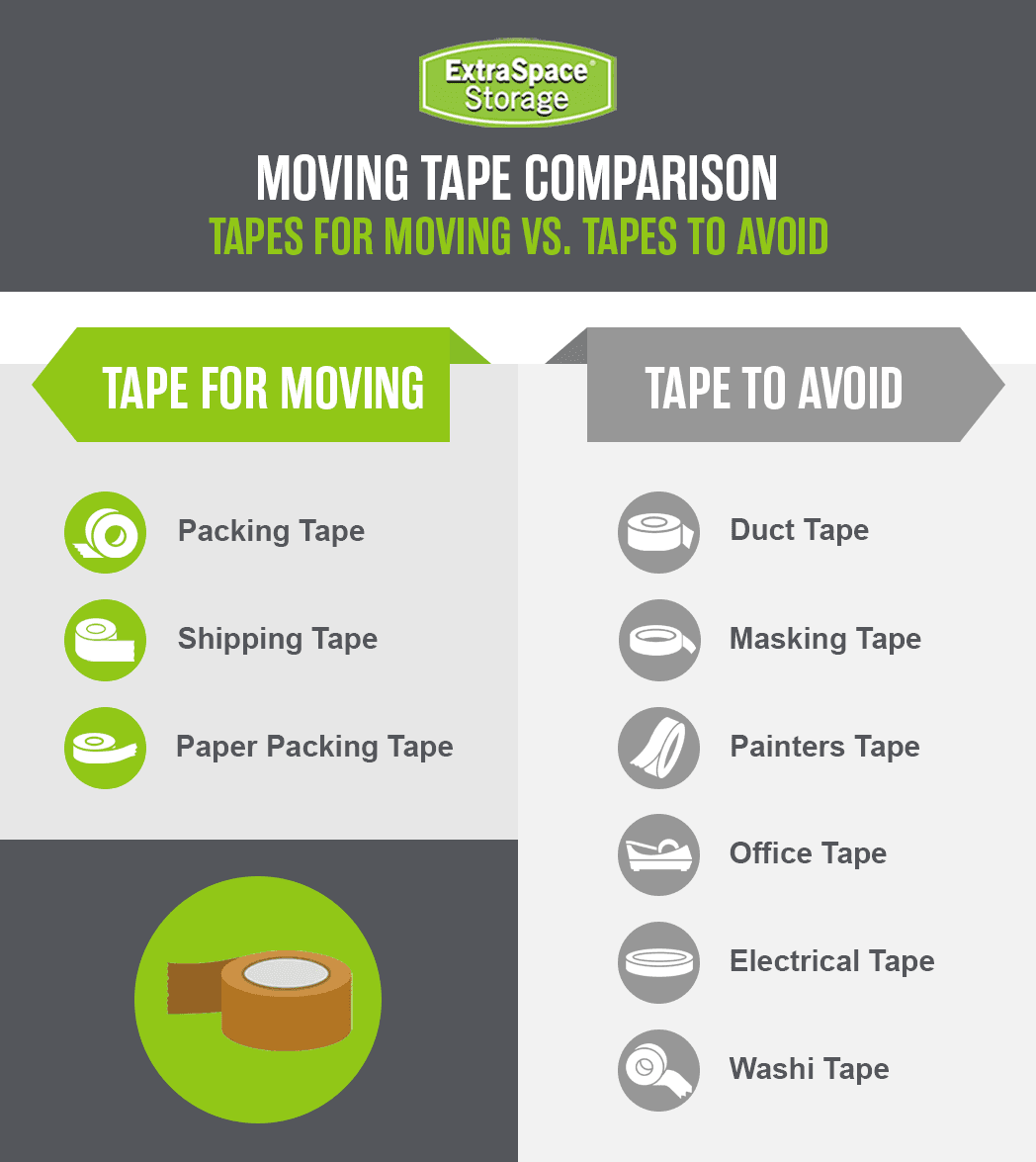
There are several types of tape that are good for sealing moving boxes. The best tape for packing boxes depends on what you’re packing, how heavy your boxes are, and how long they’ll be in storage.
Packing Tape
Packing tape, often called moving tape or storage tape, is the most popular option for sealing boxes, making it ideal for both moving and long term storage. Some benefits of packing tape are:
Made from durable plastic with long-lasting acrylic adhesive
Sticks well to cardboard
Resists cracking or peeling in heat or humidity
Affordable and easy to find
Shipping Tape
When choosing the best tape for packing boxes, shipping tape is one of the best options. Shipping tape traits include:
Being stronger, thicker, and stickier than standard packing tape and built for heavy duty use, like heavy boxes or
Uses a hot-melt rubber adhesive for a strong hold and may be reinforced with fiberglass strands
Not designed for multi-year, long-term storage
Paper Packing Tape
Another best packing tape for moving boxes is paper packing tape, or kraft tape—this tape is a favorite among professional movers. Paper packing tape is typically:
Made of brown paper with an adhesive backing, making it more sustainable
Doesn't stretch and lays flat
Comes either as self-stick tape for convenience or as water-activated tape to create a tamper-resistant seal
Best for lighter boxes and
with easy handling
Tapes to Avoid for Moving Boxes
When packing for a move, it’s best to avoid any tape not specifically designed for sealing boxes. Using the wrong kind of tape can lead to boxes that won’t stay closed or fall apart at the worst moment. Here are different kinds of tape to avoid and why they aren’t recommended for sealing moving boxes.
Duct Tape
Despite its reputation for strength, duct tape isn’t a good choice for moving boxes because:
It's rubber adhesive doesn't bond well with slick cardboard
It loses adhesion in heat or humidity
It can peel and leave a sticky residue over time
Masking Tape or Painters Tape
Designed for light-duty tasks like painting, masking tape and painters tape can't be used for moving because:
It's too thin and weak to secure moving boxes
It doesn’t offer enough stickiness or surface coverage to keep flaps closed under pressure
It can be used for labels or bundling light items
Office Tape
The small roll of clear tape on your desk won’t cut it for moving boxes because:
Office tape is too weak to support the weight of a moving box
The adhesive may stick for a moment, but it won't remain stuck
It can be used for lightweight envelopes of papers
Electrical or Washi Tape
Any specialty tape that is designed for very specific purposes like electrical wiring or crafting, is not meant for holding a box together, as they often lack the necessary adhesion strength or are too narrow. For example:
Electrical tape is meant to stretch and wrap around wires
Washi tape is decorative
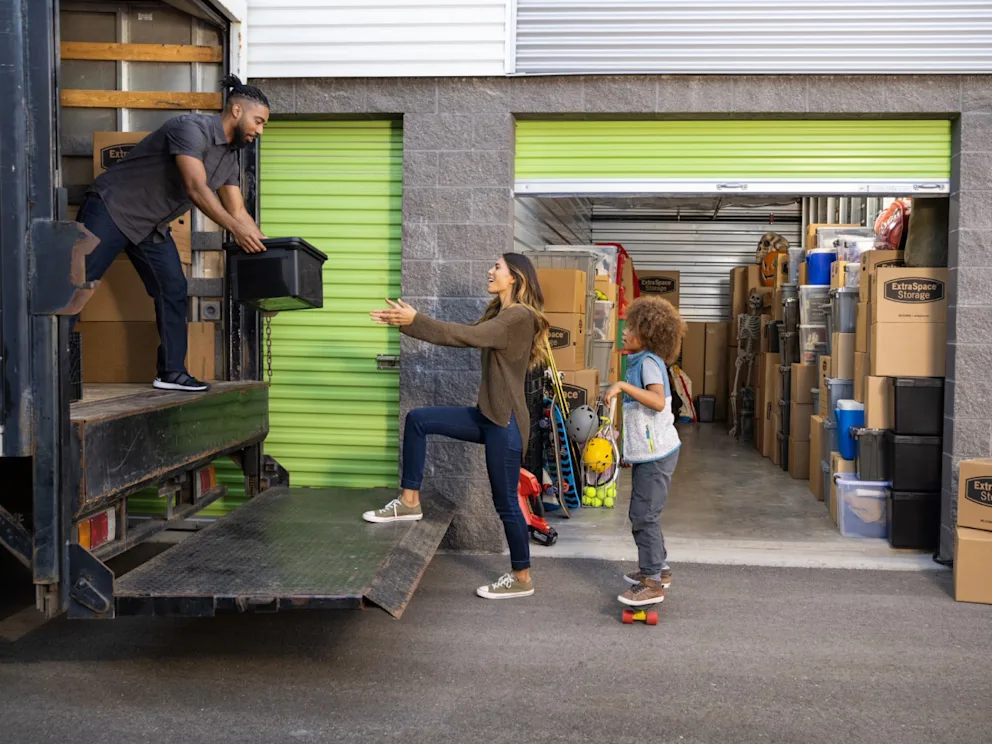
Find Affordable Self Storage Near You
Extra Space Storage has over 4,000 locations across the U.S. with friendly customer service, advanced security features, and affordable month-to-month rates.
- Save up to 40% off online
How to Choose a Quality Packing Tape
All good box tapes share certain characteristics that make them effective. When shopping for the best tape for moving boxes, keep these factors in mind when making your purchase.
Adhesive Strength
The adhesive is the most important part of packing tape. When shopping for tape, look for:
Labels mentioning moving, packing, or shipping since they're formulated for cardboard
Descriptions like heavy-duty, strong-holding, or long-lasting
Check product reviews or ask for recommendations
Acrylic adhesives for resisting heat, cold, and aging
Rubber-based or hot melt adhesives to withstand high-stress shipping with a fast, strong-grip
Tape Thickness & Durability
Tape thickness is measured in “mils” with one mil equaling about one-thousandth of an inch. Most packing tapes range from about 1.9 mils to 3+ mils thick. When looking at tape thickness, consider:
Tape below 2.0 mils may be too thin, shredding when you apply tension
Standard packing tapes are about 2.0-2.5 mil, ideal for moving boxes
Heavy-duty moving tapes are 3+ mils, good for heavier boxes
Width of the Tape
For moving boxes, wider tape covers more area and provides a better seal. When looking at tape, look at these width considerations:
2 inches or less: This width won't hold well without multiple layers
2-inch-wide tape: Standard packing tape, which fits most tape dispensers
3-inch-wide tape: Good for large or heavy boxes as it covers more surface with less strips
Ease of Use
Good tape should be easy to use without curling, tearing, or sticking to itself. Elements to consider when looking at ease of use include:
Easy unwind or silent unwind features
Tape with a release coating
An appropriately sized, serrated-edge tape dispenser
Temperature & Climate Resistance
If your boxes will be stored in a garage, attic, or a storage unit, you'll want to choose tape that holds up in extreme temps—always check the tape label temperature resistance and storage suitability.
Acrylic adhesives: Perform well in heat, cold, and humidity
Hot melt adhesives: May soften in heat or become brittle in cold
Quantity & Value
During a move, you’ll be surprised how much tape you go through, so multi-roll packs are a great investment! They are a better value and usually range from 50 to 100 yards per roll. For a small home or apartment, three to six rolls should be enough while larger homes may need more.
Tips for Taping Your Moving Boxes Securely
With a few simple taping techniques, you can make even a loosely packed box hold together firmly as you pack each room in your home. Here are some tips for packing and taping moving boxes like a professional.
Start with a Strong Box: Even the strongest tape won’t hold together a flimsy or worn-out box. Use boxes in good condition, and if a box feels weak, reinforce the bottom with extra cardboard or double-box it. Tape sticks best to firm, solid surfaces.
Use the H-Taping Method: A common method for sealing boxes is called the H-tape method. To do this, tape along the center seam of the box where the two flaps meet and make sure the tape extends a few inches over the edge on each side. Then, tape along the two outer edges where the flap edges meet the sides of the box.
Press the Tape Firmly: After applying a strip of tape, run your hand or a tape scraper along it to press it down firmly onto the cardboard. This ensures full contact with the surface and better adhesion. If you’re in a cold environment, a little pressure and even a moment of hand-rubbing friction can warm the tape enough to stick better.
Don’t Skimp on Tape for Heavy Boxes: For very heavy boxes, consider double taping the seams. Apply two layers of tape along the same seam or do an H-tape method with multiple strips along the center. You can also tape all the way around the box with a strip that goes around the sides and bottom like a belt. This is commonly done in shipping to add support.
Label After Taping: If you plan to write directly on the cardboard or on labels, do that after taping up the box. Writing on tape can sometimes smear, and sticking labels on tape may cause them to fall off.
***
Relocating to a new city? With conveniently located self storage facilities located around the U.S. and expert moving resources, Extra Space Storage has the storage solutions you need to make your move or the decluttering process before your move smooth! Find a self storage unit near you today!

Explore More Moving Tips

How to Move on a Budget
Moving doesn't have to be extremely expensive. Learn how to save money when planning your move by following these 12 budget-friendly moving tips.

Pros & Cons of Hiring a Moving Company
Preparing to move and considering hiring movers? Explore the pros and cons in this guide to determine whether you should hire movers or DIY your move.
Room-By-Room Packing Checklist
Make packing for your next move easy with our room-by-room checklist, which includes specific packing tips for each area of your home or apartment!
Moving Truck Size Comparison
Not sure what size moving truck you need? Use our moving truck size chart to rent the best dimensions for you!
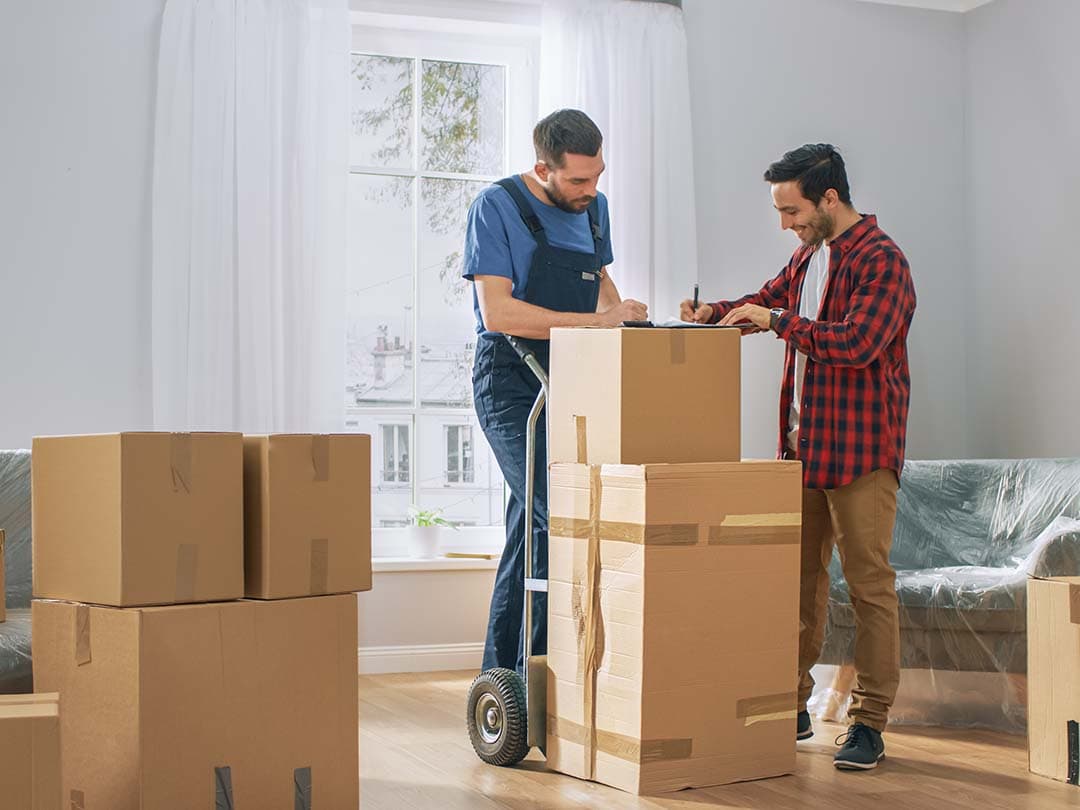
Guide to Hiring Movers
Thinking of hiring professional movers? Using movers can make your relocation go more smoothly. Read our guide for hiring a moving company!
Author Profile
Quinn Johnson
Quinn Johnson is a moving expert and author for Extra Space Storage. He's moved over 15 times, including internationally, and helped countless others between their own homes. He's happy to lift some boxes for a friend as long as he's paid in pizza. As a writer and content creator for Extra Space Storage since 2019, Quinn shares helpful moving tips and info to alleviate the common stresses of moving.