Moving Guide
How to Pack Moving Boxes Efficiently
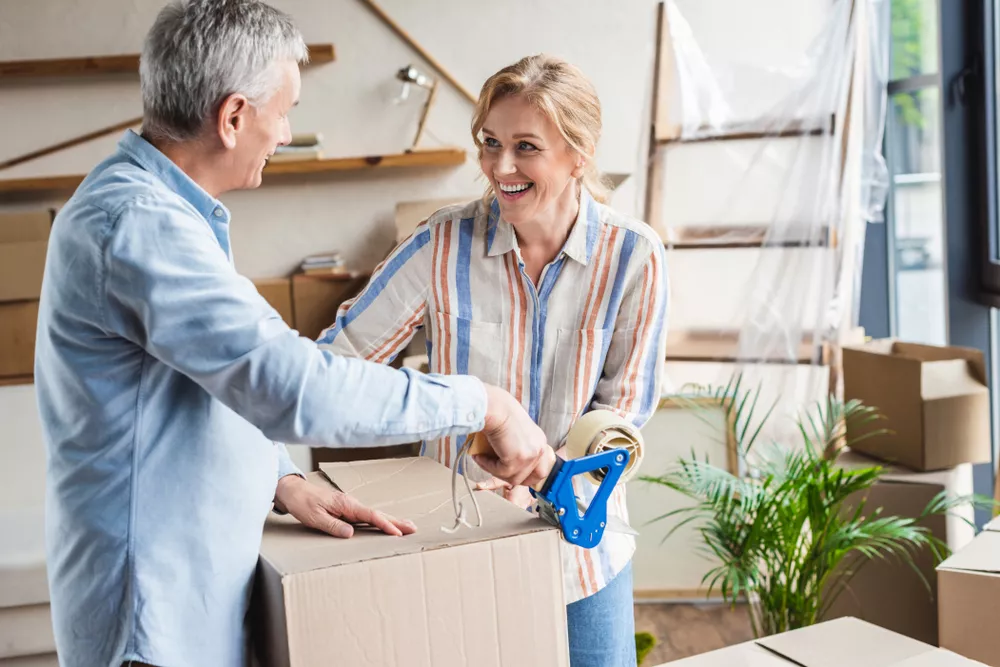
Getting ready to move? Knowing how to pack efficiently can help you avoid packing mistakes that result in damaged items or personal injury. Smart packing also keeps you organized, making it easier to find things when unpacking in your new home. Below, we share our tips for packing moving boxes effectively and efficiently!
Gather Essential Moving Supplies
Before you start packing, make sure you have all the right packing supplies! A moving box calculator can help determine how much you'll need based on your number of belongings and home size. Sturdy moving boxes can be purchased from local storage companies, moving companies, and home goods stores. You can also ask for free moving boxes from local businesses, family, friends, schools, and retail stores—just make sure the boxes you get are clean, strong, and the right size for your items. Or opt for plastic moving boxes, which are more expensive but extra durable—and better protect items from water, dirt, and bugs. In addition to boxes, here are some other essential moving supplies:
Packing labels & permanent markers
Packing paper, packing peanuts, or bubble wrap
Box cutters or scissors
Resealable plastic bags
Shrink wrap
Dish packing kits
Wardrobe moving boxes
Prep Boxes
Before you start packing up your items, securely tape the underside of each box and then use packing foam, bubble wrap, towels, or blankets to line the insides of your boxes. This will stabilize the bottoms to help prevent heavy items from breaking through and falling out as you're moving. The layer of padding can also help protect your items from dirt and moisture when you set boxes on the ground.
Sort Items Before Loading
Going room by room through your house, organize your possessions into three groups: necessities, heavy items, and light items. It's important to identify all your household necessities first—such as clothes, toiletries, and bathroom supplies—since you'll need to access them immediately after moving into your new home. Then, begin grouping like items together, or find combinations of belongings that would be good in the same box. You can also declutter before moving, so you only pack what you'll actually need.
Pack Moving Boxes According to Weight
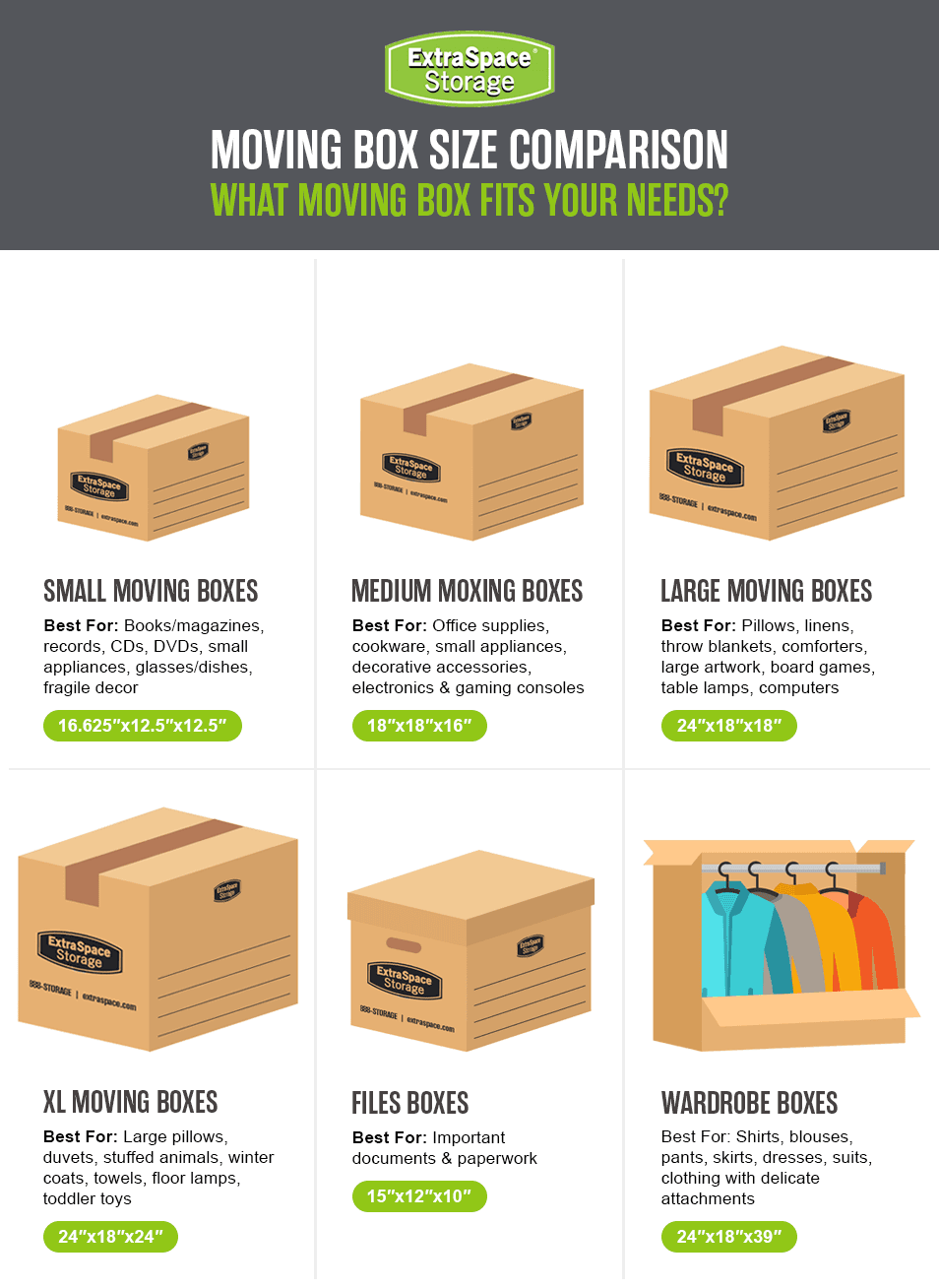
When packing for a move, it's a good idea to place heavier belongings in small boxes and lighter items in large boxes. Using smaller moving boxes for heavy items helps you avoid overfilling them to the point where they could break or become too heavy to carry. On the flip side, large boxes are great for packing lighter belongings like clothing, towels, bedding, and like items, since you can fit more into them without making them too difficult to move. If you need to mix heavy and light items in some boxes to fill gaps, be sure to put the heaviest items at the bottom and then layer lighter items on top to avoid damaging your belongings. In general, try to keep each box under 30 pounds so you can easily transport them—and save yourself a backache later!
Pack & Label Moving Boxes by Room
In addition to dividing items among boxes by necessity and weight, it's also key to keep items from the same room together when packing boxes for a move. This will help you keep track of where things are as you unpack in your new home. Make sure to label each box according to room—kitchen, bathroom, living room, bedroom, etc.—and consider going a step further with more specific labels like "Kitchen Pantry" or "Bathroom Linens" to make the unpacking process even quicker and easier.
Take Extra Care Packing Fragile Items
With fragile belongings like electronics, glassware, dishes, mirrors, and antique items, a great packing tip for moving is to wrap them individually with a protective layer of padding before placing them in moving boxes. Consider photographing the condition of any particularly valuable items for your own records—this will make filing any damage claims easier if necessary.
Use Wardrobe Boxes for Clothes
Wondering how to pack clothes for moving? Rather than trying to stuff your clothes into standard moving boxes, opt for wardrobe moving boxes! These specialty boxes typically come with a rod that allows you to hang clothing inside the box, keeping clothes wrinkle-free and making it simpler to transport them. This is especially helpful if you have a lot of dress clothes that wrinkle easily.
Use the Russian Doll Nesting Technique
For non-fragile but small items like desk clutter and decor, small kitchen gadgets, and other knick-knacks, use the nesting packing technique—packing smaller boxes inside larger boxes, and filling the remaining space with other items. This consolidation keeps smaller items more organized while also maximizing space—saving space in the moving truck and reducing the amount of boxes you'll need to carry.
Bag Loose Parts Before They Go in the Box
Cords, chargers, ethernet cables, remotes, and hardware like screws and brackets tend to sink to the bottom of a box and get separated from what they belong to. Seal them in labeled plastic bags and place them near the top of the box packed for the matching room, or tape the bag directly to the item it goes with. Bags are also worth using for like toiletries or cleaning products so a leak stays contained instead of soaking through the box and damaging everything else inside.
Don't Under or Overpack Boxes
It's a good idea to pack moving boxes completely full to stack them stably during your move, but don't overdo it. Overpacking can cause boxes to break or items to get damaged by other things inside the box—and it can even lead to injuries while lifting and carrying them. On the other hand, under-packing your boxes can cause them to collapse when stacked. To eliminate empty space in boxes, prevent shifting during the move, and keep your boxes strong and stackable, stuff padding into any gaps. A properly packed box should feel firm when pressed upon, but it should also close easily, without any items poking up or out against the sides of the box.
Find Affordable Self Storage Near You
Extra Space Storage has over 4,000 locations across the U.S. with friendly customer service, advanced security features, and affordable month-to-month rates.
- Save up to 40% off online
Properly Close & Tape Each Moving Box
When you're finished packing a box, use extra packing materials to line the top before closing and sealing it with packing tape. While you may be tempted to tuck the box flaps into each other rather than using tape, this approach can structurally compromise your boxes and make stacking them more difficult, since the tops will be uneven. Instead, fold the flaps flat, with the smaller ones inside and the larger ones over top, and then tape them down. One way to do this is with the H-taping method, so that all edges are fully secured. Make sure to extend the strips of tape over the sides of the box so there's less chance of them coming unstuck.
Reserve an Open Box for Moving Day
On moving day, there are almost always a few things you find—or that you use daily and need access to—that need to be packed last minute. Whether it's cleaning supplies or small items that fell through the cracks as you packed moving boxes, you'll need a place to put them. Leave a box or two open with some room on top for these items, and make sure to label them with the contents before sealing them up.
Pack Your Moving Truck in Proper Order
How you pack your moving truck is incredibly important for safe driving and to help protect your belongings in transit. Make sure to pack heavy moving boxes at the bottom of stacks, and place them (and your other heaviest items) toward the front of the truck, closest to the driver. This helps your vehicle stay balanced—too much weight in the back or top of the trailer can cause it to tip or fishtail more easily. Then, stack lighter boxes on top and towards the back (where it latches closed). Make sure you get the right truck size so your items fit snugly and won't shift around during transit.
***
Need a place to temporarily store items while moving? Extra Space Storage has convenient storage facility locations throughout the nation, so we can help with your transition. Find storage units near you!
Explore More Packing Tips
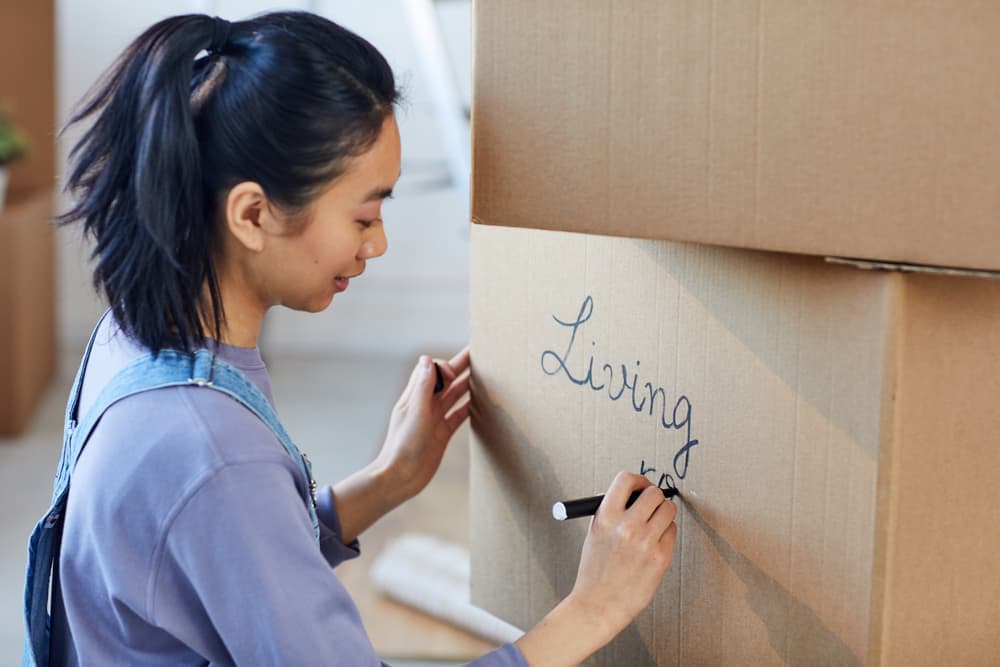
7 Tips for Labeling Moving Boxes
Moving into a new home? Use this guide for proper labeling techniques to make the moving process easier.

Tips for Packing & Moving a Flat-Screen TV
Moving homes and need to pack a flat-screen TV? Follow this guide on how to securely and safely prepare it for your move.
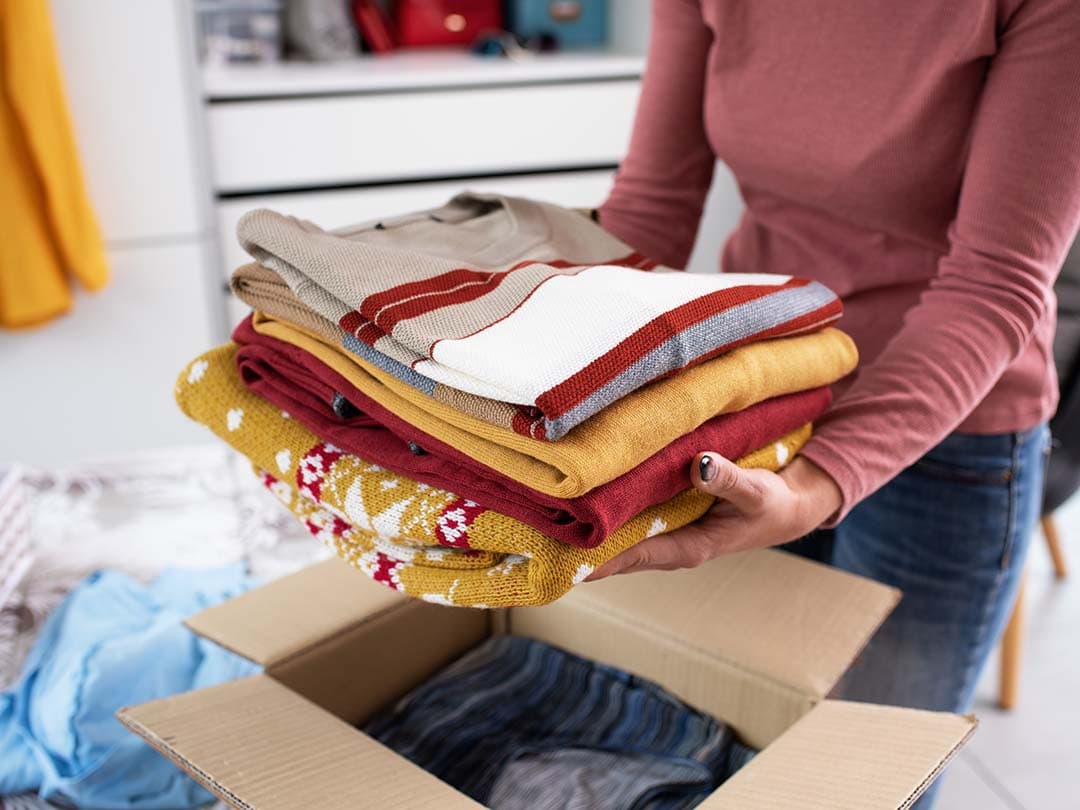
Best Way to Pack Clothes for Moving
Learn the best ways to pack clothes for a move with these expert tips on decluttering, folding techniques, packing supplies, and more.
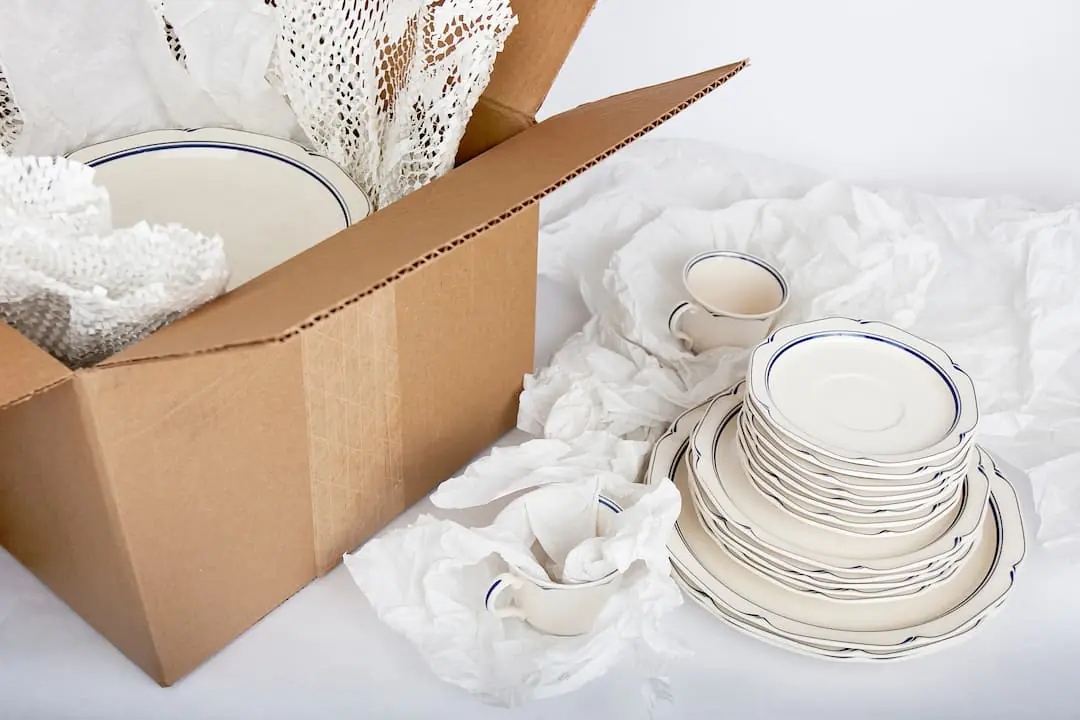
How to Pack Fine China
Need to pack china for storage or moving? Follow these helpful steps to avoid damaging your delicate china.
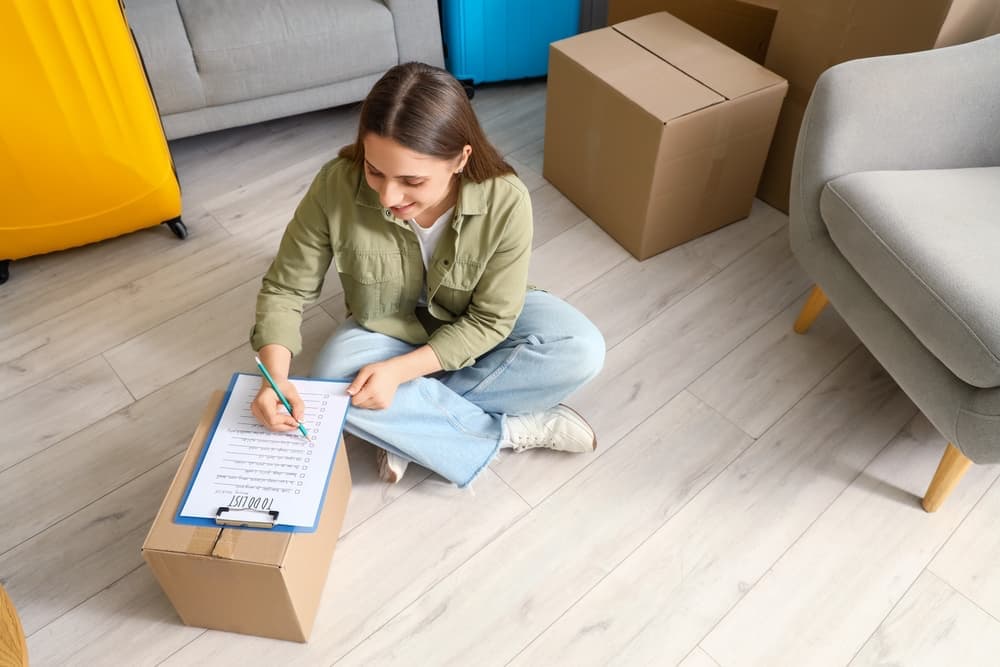
Room-By-Room Packing Checklist
Make packing for your next move easy with our room-by-room checklist, which includes specific packing tips for each area of your home or apartment!
Author Profile
Quinn Johnson
Quinn Johnson is a moving expert and author for Extra Space Storage. He's moved over 15 times, including internationally, and helped countless others between their own homes. He's happy to lift some boxes for a friend as long as he's paid in pizza. As a writer and content creator for Extra Space Storage since 2019, Quinn shares helpful moving tips and info to alleviate the common stresses of moving.