Moving Routes for Major U.S. Cities
Planning a move to a different city? To help with the process, we have brought together the most popular city-to-city moving routes across the U.S. Discover the differences between two cities in cost of living, weather and climate, lifestyle changes, and more. Each guide offers practical insights, regional highlights, and tips that help you feel prepared for your move. Plus, explore our 8-week moving timeline customized for each city-to-city route. Use this information to fully prepare for a seamless transition and confidently take your next big step!
How We Determine Popular Moving Routes
When identifying the most popular city-to-city moving routes across the U.S., we rely on verified migration data from the U.S. Census Bureau's American Community Survey (ACS). This dataset is one of the most accurate and comprehensive resources available for understanding nationwide moving patterns and city-to-city relocation trends.
The ACS tracks population shifts and shows where people are moving from and where they are moving to across different metro areas. By analyzing this migration flow data, we can identify which moving routes experience the highest volume. These insights help us highlight the most common city-to-city moving routes and provide a clearer comparison of moving costs between different locations.

Things to Consider When Moving to a New City
Moving to a new city is a major decision, and having the right information upfront can make the transition much easier. Below are some key factors to consider when moving to a new city that can shape your budget, comfort, and overall quality of life.
Cost of Living
Before you move somewhere new, it's best to know if you can afford to live there. The best way to learn about the affordability of a new city is by checking out the area's cost of living. If you know exactly where you want to move to, or if you're still wondering what it costs to live in certain areas, check out our free Cost of Living Calculator.
Lifestyle Changes
A new city can influence everything from your social life and hobbies to how you navigate work. Researching the lifestyle differences in cities beforehand will help ensure that the city you're looking into is aligned with your lifestyle.
Neighborhoods & Housing
When comparing cities to move to, researching neighborhoods and housing options should be at the top of your list. Whether you prefer the energy of urban living or the quiet comfort of the suburbs, be sure to check housing or rent prices, home types, walkability, or schools. Take some time to explore the areas that best fit your lifestyle and needs.
Transportation
It's important to know what kind of transportation options are available in cities since it plays a major role in your daily routines. For instance, dense cities have extensive public transit, while sprawling cities have longer distances and are more car-dependent. Check local commute trends, public transit availability, and walkability to make sure the city fits your needs.
Weather & Climate
A city's weather and climate play a major role in your daily routine, lifestyle, and overall quality of life. Before choosing a new city, take time to review average temperatures, humidity, and seasonal conditions so you know what to expect throughout the year.
City-to-City Moving Routes
Explore key city-to-city moving routes to see where people are relocating and why. Find out everything you need to know when moving to and from large cities in the U.S. From learning about moving costs, to adapting to a new city, climate, and lifestyle, you'll find helpful information to plan your move.
Popular Moving Routes
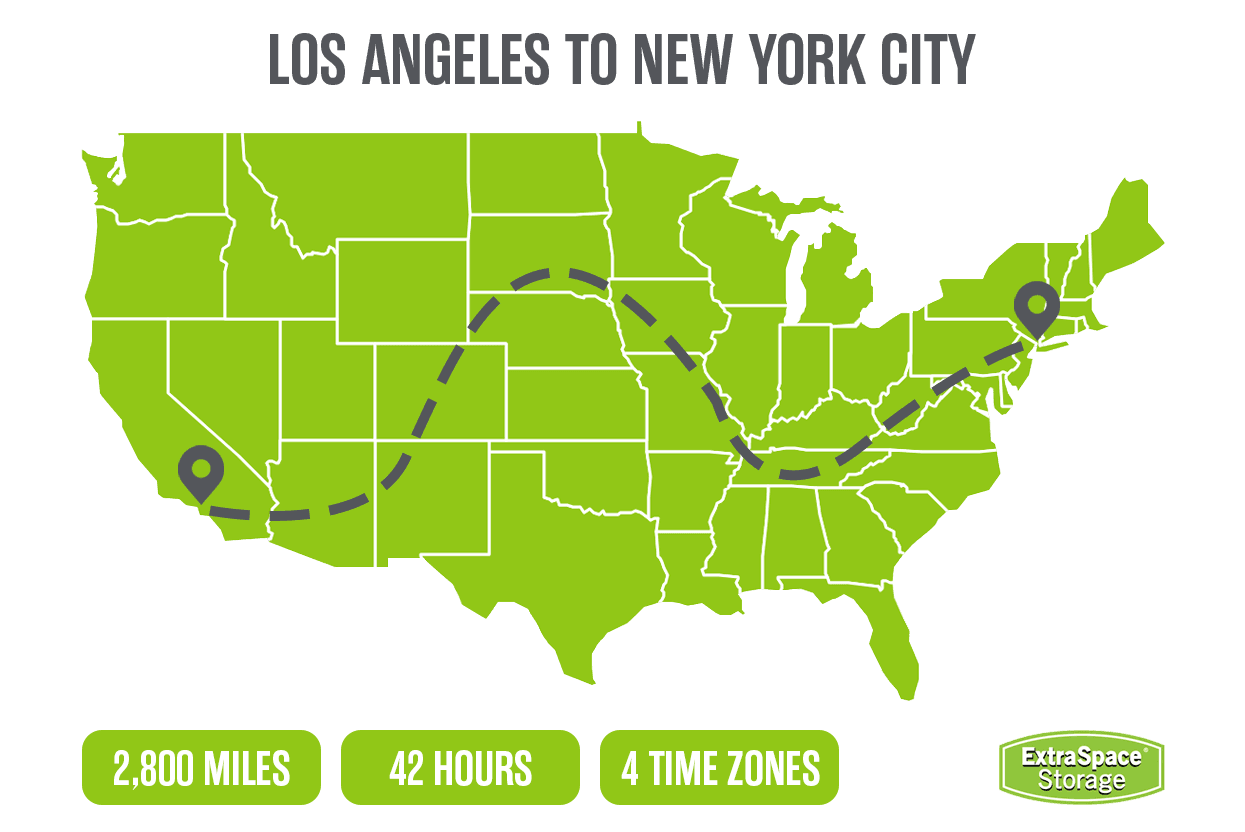
Moving from Los Angeles to New York City
Moving from LA to NYC? Read our guide for making this cross-country move, including what to expect, moving checklists, and more!
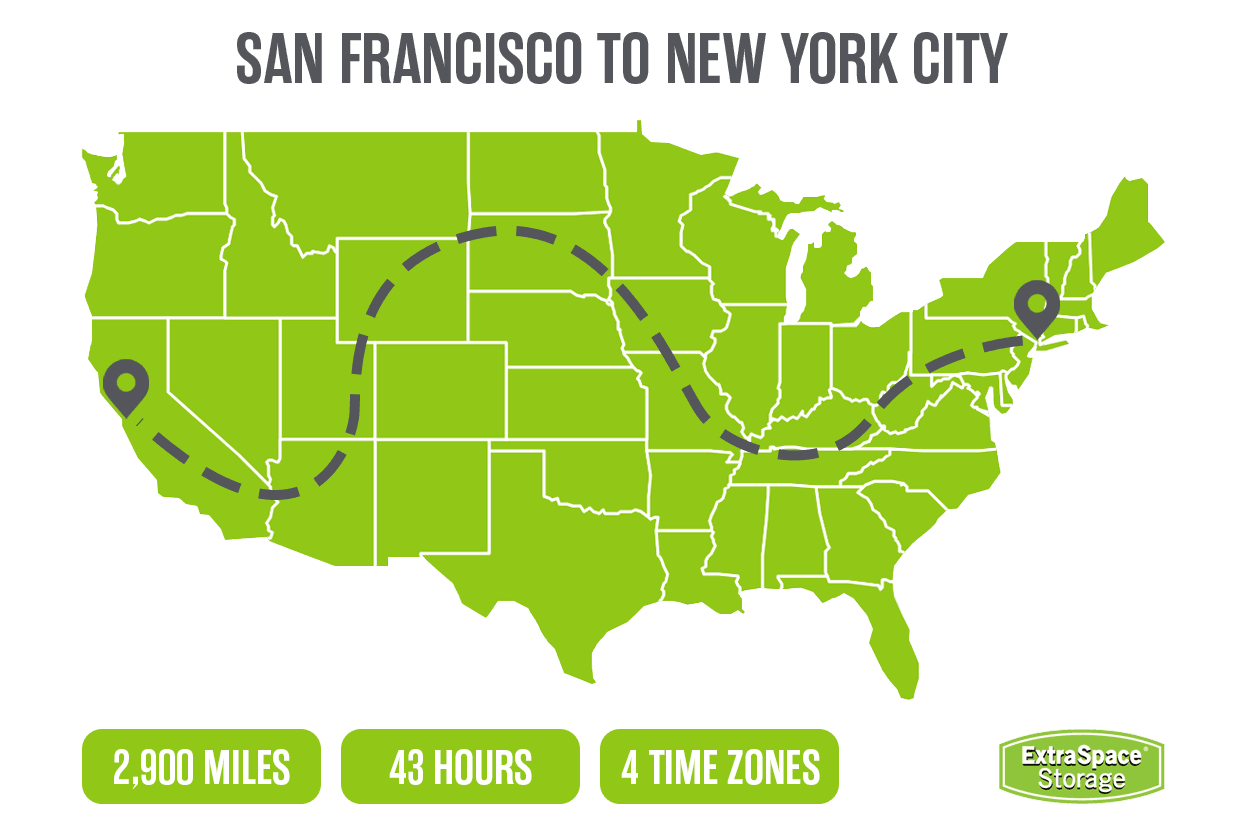
Moving from San Francisco to New York City
Moving from San Francisco to NYC? Read our guide for making this cross-country move, including what to expect, moving checklists, and more!

How to Move to Canada from the U.S.
How do Americans move to Canada? Explore the process, potential costs, visa requirements, and key tips for moving from the U.S. to Canada.
FREQUENTLY ASKED QUESTIONS
How do you choose a school when moving to a new city?
Should I visit a city before deciding to move there?
What's the best way to make friends in a new city?
How long does it take to adjust to a new city?
How do I learn what the job market is like in a city?
Make City-to-City Moves Easier with Storage
Storage gives you flexibility when coordinating long-distance moves, housing dates, and time spent settling into a new city. Renting storage along your moving route can simplify the process provide peace of mind, knowing your belongings are secure while you transition.

Most Viewed Tools & Guides

Free Moving Cost Calculator
How much does it cost to move? Use this moving cost calculator from Extra Space Storage to get a moving cost estimate and compare moving options.

Moving Truck Size Calculator: What Size Truck Do You Need?
How big of a box truck do you need for your upcoming move? Check out this moving truck size calculator to find the right moving truck rental for you!

Cheapest Ways to Ship Boxes Across the Country
Need to ship moving boxes across the country? Explore the most affordable ways to ship boxes in this guide!

How to Protect Your Furniture When Moving
Whether you're moving across the country or relocating to a nearby area, our tips to protecting your furniture can help you doing your move!

What Size Apartment Do I Need & How Much Square Footage?
Finding the right apartment size can be difficult. From average apartment square footage to budget and layout, our apartment size guide can help you decide!