Moving Guide
How to Protect Your Furniture When Moving

Whether you’re moving across the country or relocating to a nearby area, it’s important to take measures to protect your furniture so your items arrive safely at your destination. Below are nine helpful tips on how to protect your furniture while moving!

Enlist Help
Moving furniture by yourself can put you at risk for injury and potentially lead to damaged or broken items. Recruiting helpers to move furniture with you can make the process both safer and less stressful. Ask friends, family, or neighbors if they’d be willing to assist you on moving day. If no one is available, consider hiring cross-country movers or local movers. Local movers are familiar with the area and know how to move furniture efficiently across the area’s traffic patterns—while cross-country movers can save you time and give you peace of mind when moving long distances.
Take Inventory of Your Furniture
To make sure all your items arrive at your new home safely, it’s best to go room by room and create a moving packing list by room of all your furniture. Even if you’ve hired the most experienced movers, mistakes can happen when moving furniture. So, take inventory—and even capture pictures or videos of your items—before moving so you can assess your furniture’s condition pre-move vs. post-move. Additionally, taking inventory can give you a better idea of whether you need moving insurance and which policy you should consider.
Clean Your Furniture
Cleaning furniture before moving is key to preventing built-up dust and debris from scratching your items during the move—plus, it’ll help you avoid bringing unnecessary grime into your new space. However, it’s important to use the proper methods when cleaning different types of furniture so your items maintain their quality. For wooden and glass pieces, apply a mild cleaning solution to a soft microfiber cloth and gently scrub the surface, then dry quickly. Thoroughly vacuum couches and chairs made of durable fabric, or consider steam-cleaning if necessary. Other upholstered furniture—like leather and velvet couches—require additional care, so be sure to follow guidance from the manufacturer when cleaning these pieces.
Measure Furniture & Clear a Safe Path
When moving large items like furniture, it’s especially important to plan ahead to ensure your item will be able to travel safely from your current home to your new one. Before you actually move any items, measure the length, depth, width, and height of all your furniture. Then measure the doors and hallways of both your current home and your new home to ensure each of the items can fit through these spaces without getting stuck or damaged. Once that’s done, clear your path, removing any clutter or obstacles that could interfere during the moving process. Taking these precautions can help you avoid roadblocks and prevent damage to your items.
Gather Wrapping Supplies
One of the best ways to protect your furniture during a move is to wrap each piece properly. While there are different methods to wrap furnishings, these are the most essential supplies to have on hand when wrapping furniture for moving:
Bubble wrap
Moving blankets
Packing paper
Packing tape
Plastic stretch wrap
Rope
Sofa & mattress covers
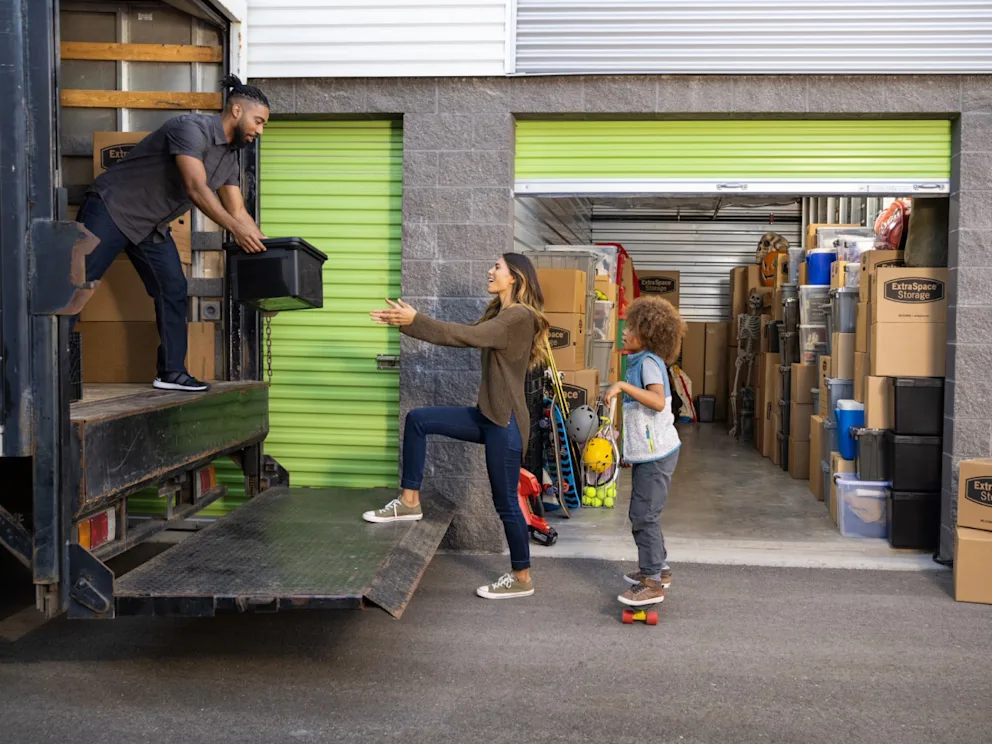
Find Affordable Self Storage Near You
Extra Space Storage has over 4,000 locations across the U.S. with friendly customer service, advanced security features, and affordable month-to-month rates.
- Save up to 40% off online
Disassemble Furniture in Advance
Before you start wrapping, take your furniture apart if possible. Breaking down furniture into separate parts can lighten the load and help prevent large, awkwardly-shaped items from brushing up against walls or door frames. Plus, working with smaller pieces can make it easier to pack your moving truck. Remove the legs from tables and couches, unscrew the knobs from dressers and desks, disassemble your bed frame, and take the cushions off your sofas and chairs. Place screws and other hardware in resealable plastic bags and label them accordingly to avoid losing or misplacing things.
Wrap Items Appropriately
The wrapping you use for your furniture will depend on the material or upholstery. For wooden furniture, you should typically avoid using stretch wrap, as it could cause damage from condensation. Instead, opt for moving blankets to protect against scratches and dents on both your furniture and doorways. Furniture with glass, on the other hand, should be wrapped with packing paper and bubble wrap or cardboard sheets for extra padding. For larger couches and mattresses, you can either wrap your furniture in plastic stretch wrap or use moving blankets, sofa covers, and mattress storage bags to help protect the fabric from tears and scratches. To secure drawers from falling out, wrap them with stretch wrap or rope instead of tape—which can result in damage or hard-to-remove sticky marks. Or, remove the drawers and wrap them separately from the main piece to lighten your load and decrease the chances of drops that could damage your items.
Use Proper Moving Equipment
Safety is a top priority while moving, so it’s a good idea to buy or rent stable moving equipment to safely transport your furniture to your new home. Tools like furniture dollies, sliders, moving straps, and hand trucks are among the best ways to move large furniture. Furniture sliders allow you to more easily move heavy items while helping you avoid scuffing or scratching your floors. Dollies and hand trucks can be helpful if your items don’t slide easily or if you’ll be transporting them via elevator. While four-wheeled furniture dollies provide ample space for heavy and bulky items, hand trucks—L-shaped devices with only two wheels—allow for easier maneuvering through narrow pathways. Whether or not you’re using one of these devices, it’s always a good idea to use moving straps when lifting heavy furniture to balance the weight of your items and reduce the strain on your back.
Strategically Pack the Moving Truck
Take the proper measures when packing a moving truck to maximize the space and prevent your items from damaging each other during transit. Getting the right size moving truck for your furniture is an important first step, as it can help you avoid unnecessary stacking that could harm your items. In the truck itself, pay attention to weight distribution and think through your arrangement carefully. For example, you never want to place any items on top of a glass table, as one wrong turn can result in scratches and cracks. Some additional tips for packing your moving truck include minimizing empty space to prevent shifting, utilizing tie-downs to keep your furniture in place, and selecting a truck with a ramp for hassle-free loading and unloading.
***
Need temporary storage for your furniture while decluttering before a move? Extra Space Storage has convenient storage facilities across the U.S. to help with your transition. Find reliable self storage near you!

Helpful Moving Tips & Tools

How to Set Up Utilities After Moving: Your Complete Guide
Moving to a new apartment or home soon? This guide takes you through how to set up utilities—including a step-by-step utility setup timeline.
Moving to a New Home? Use This 3-Month Moving Checklist
Moving to a new home? Whether it's to a new house or an apartment, moving can be difficult at times. Stay on track with our three-month moving to-do list!

Address Change Checklist: Who to Notify When You Move
Planning a move soon? Use this change of address checklist to notify the proper people and places that you're moving!

How Much Do Movers Cost?
Professional movers cost ~$550-$12,000. Learn the average cost of hiring a moving company for local and long-distance moves in this guide.
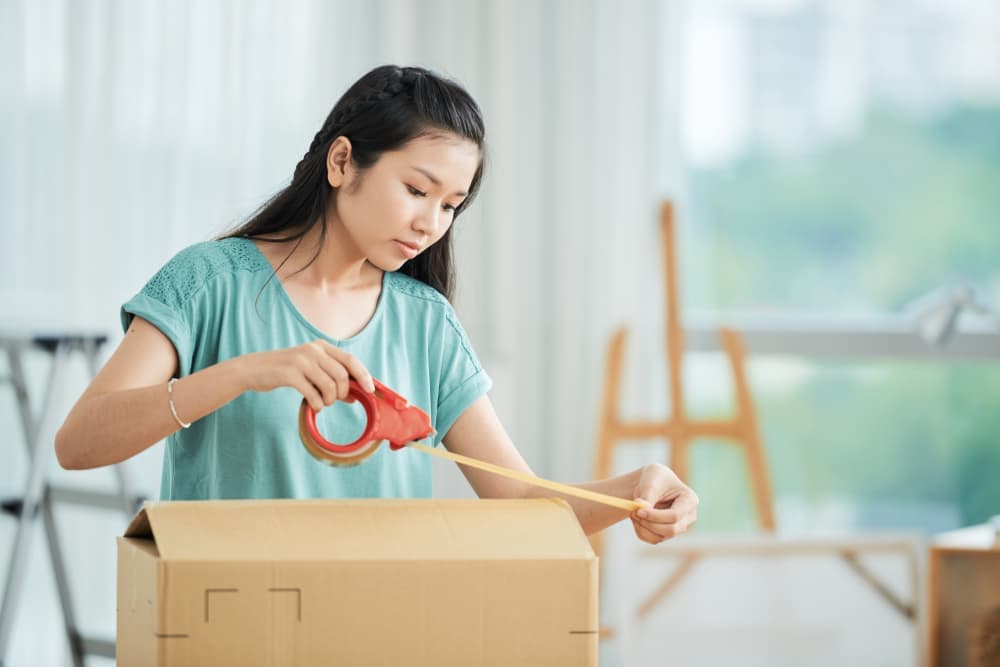
Best Tape for Moving Boxes
Planning a move? Buying the best packing tape for moving boxes is essential for a hassle-free move. Find out which tapes are best for moving boxes.
Author Profile
Quinn Johnson
Quinn Johnson is a moving expert and author for Extra Space Storage. He's moved over 15 times, including internationally, and helped countless others between their own homes. He's happy to lift some boxes for a friend as long as he's paid in pizza. As a writer and content creator for Extra Space Storage since 2019, Quinn shares helpful moving tips and info to alleviate the common stresses of moving.