Moving Guide
How to Move Short Distances
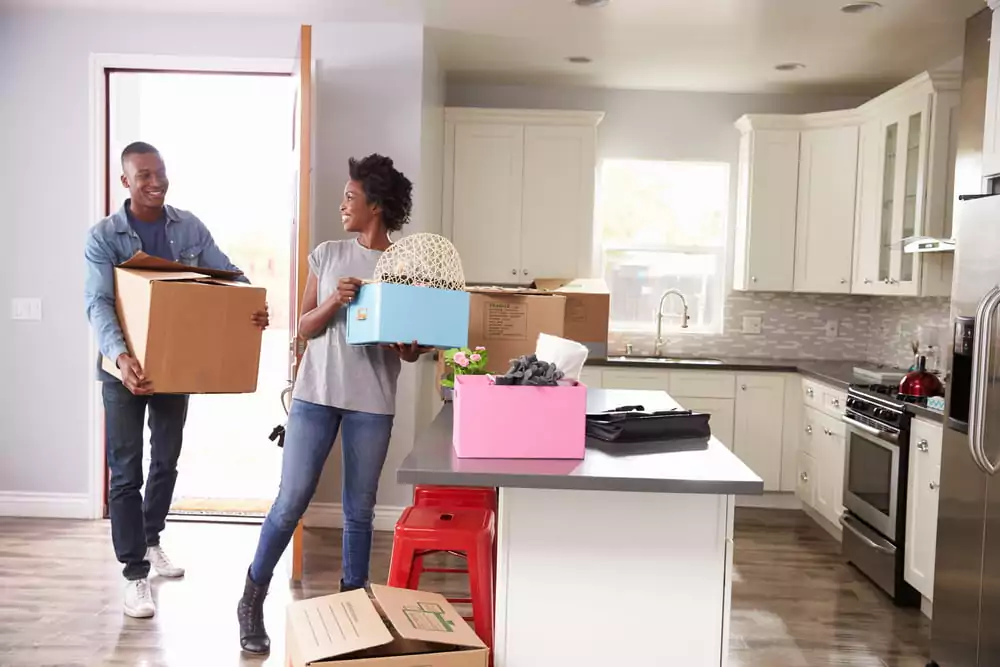
A short-distance move, also called a local move, is generally one within about 50 miles, such as across town or to a neighboring city. That usually means a shorter timeline, easier access to your new place, and more flexibility than a long-distance move. Whether you're moving into a new apartment or a house, there are several things to check off your to-do list on or before moving day. Check out these short-distance moving tips so you can transition to your new home with ease.
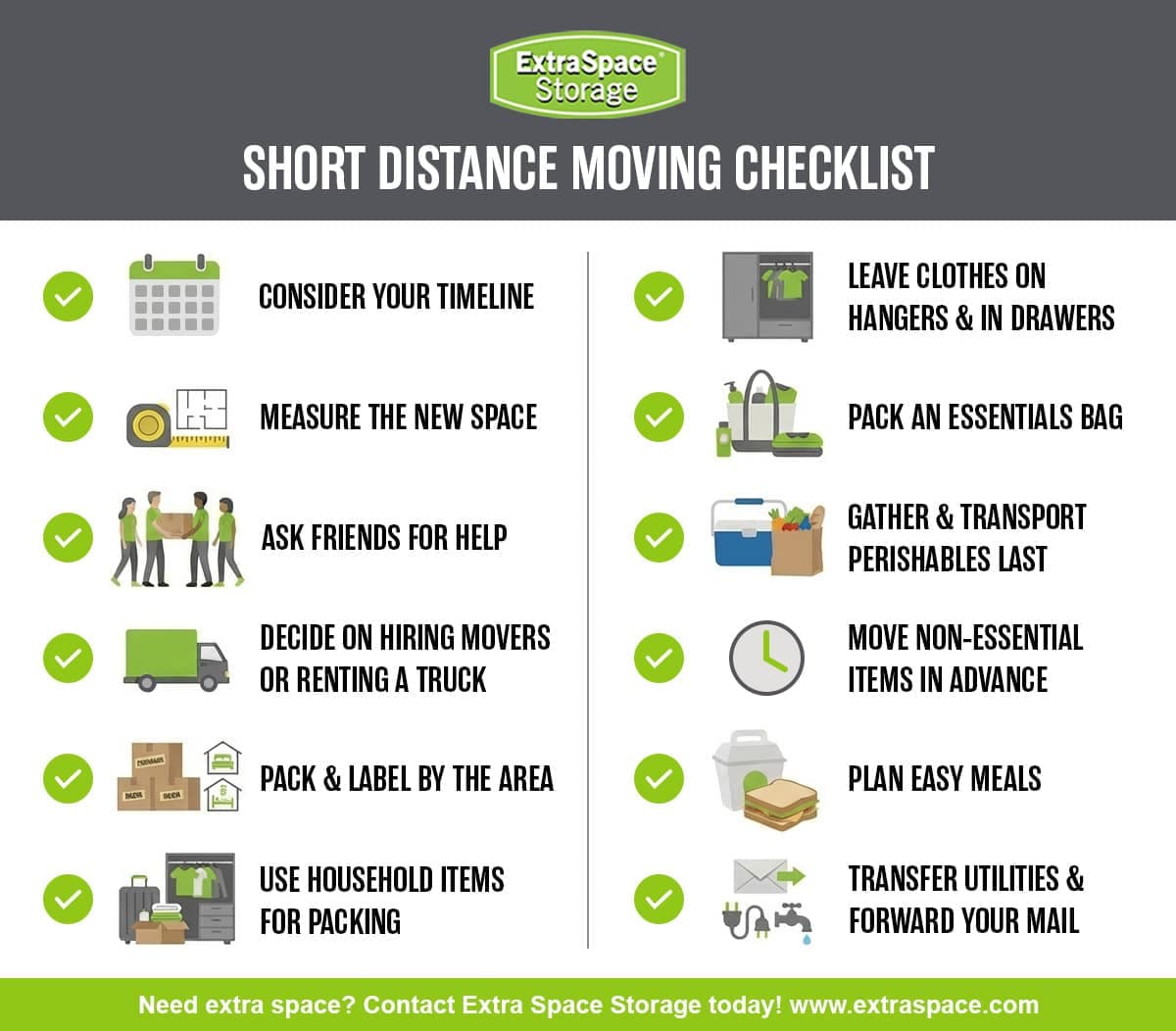
Plan Out Your Moving Timeline
Creating a structured moving timeline for your short-distance move can help you organize a moving to-do list and keep you on track. Start planning, packing, and preparing at least six to eight weeks in advance. Identify key dates, including whether you're able to move in early, when you need to be out of your current home, and when your utilities are scheduled to be turned on. If you're moving last minute and only have one or a few days to move, staying organized with a detailed moving schedule will help ensure that the process goes smoothly.
Measure the New Space Before Moving Day
Unlike a cross-country move, relocating across town means you'll likely be able to visit your space in advance. If you can, measuring the rooms and doorways before the move will help you better determine if and how large items, like furniture, will fit into your space. Examine the areas of rooms, closets, and storage spaces. If your new place can’t fit everything, decluttering is a great first step. For items you want to keep but don’t have room for yet, such as seasonal gear or extra furniture, renting a storage unit gives you space to sort things out at your own pace.
Ask Friends for Help Moving
Moving to a new home is always stressful, but an advantage of moving locally is that your friends may be around to help! Let them know about your relocation plans and the areas where you could use their assistance. Your friends might be able to provide moving boxes, organize garage sales, or even watch your pets or kids on moving day. Consider asking your loved ones to help transfer items into your moving vehicle or unpack boxes. Delegating these responsibilities and having your friends around will make the transition into your new home simpler and more fun!
Decide Between Hiring Movers & Renting a Truck
Friends can cover a lot, but a local move is a good moment to ask what help you really need. A rental truck and a few helpers work well for smaller moves. Professional movers can be worth it if you have heavy furniture, stairs, or a tight timeline. Whichever you choose, book early, since weekends and the end of the month fill up fast.
Pack & Label Boxes Room by Room
Focus on one room at a time when packing moving boxes, and be sure to label them accordingly. While organized packing helps maximize space in your moving truck or personal vehicle, a room-by-room packing strategy can be especially valuable for efficiently unloading your new home. Take time to label with additional detail to help save you the hassle down the road. For example, your bathroom boxes may be labeled more distinctly like "toiletries," "cleaning supplies," and "cosmetics."
Repurpose Common Household Items as Free Packing Supplies
Put items you already own to good use when packing for your short-distance move! Save some money on cardboard boxes by using trash bins and hampers to carry cleaning supplies, shoes, and toys. Backpacks, gym bags, tote bags, and grocery bags can keep like items together. Suitcases with wheels are the perfect packing containers for heavy items, as you can roll them into your home rather than lifting them. You can even help safeguard fragile items like plates, glassware, TVs, and mirrors by using towels or bed linens as protective wrapping!
Leave Clothes on Hangers & in Drawers
A time-saving packing hack for short-distance moves is to pack clothes on hangers or in their drawers. Leave clothes on their hangers, cover them with a garbage bag, and tie the bag at the top to make them easier to transport to your new home. Similarly, you can remove the drawers from your dresser and treat them as moving boxes for your clothes and any random bedroom items. This not only avoids unnecessary packing, but also makes your dresser itself lighter and easier to move. These hacks can help keep your clothing organized during the move and make packing and unpacking less time-consuming.
Prepare a First-Night Essentials Bag for Moving Day
Even if you're just relocating across town, a great tip for moving is to pack a duffel or gym bag with your essential items the night before you leave. No matter how far you're moving, you'll still want easy access to your wallet, keys, medications, laptop, phone, and basic toiletries without digging through boxes on moving day. If your unpacking process will take a few days, it's a good idea to include important documents like your passport, birth certificates, Social Security cards, and more with your first-night bag. This way, you have all your necessities in one safe spot.
Gather & Transport Perishables Last
Compared to a long-distance move, one unique benefit to moving locally is that you don't have to toss out your perishable items before moving day! This will save money and prevent food waste. Pack perishable items in coolers, lunchboxes, or bags with ice packs to maintain their freshness during transport to your new home. It's also a good idea to wait and pack food along with your essentials or first-night bag, which will reduce the likelihood that perishable foods will spoil during the drive.
Find Affordable Self Storage Near You
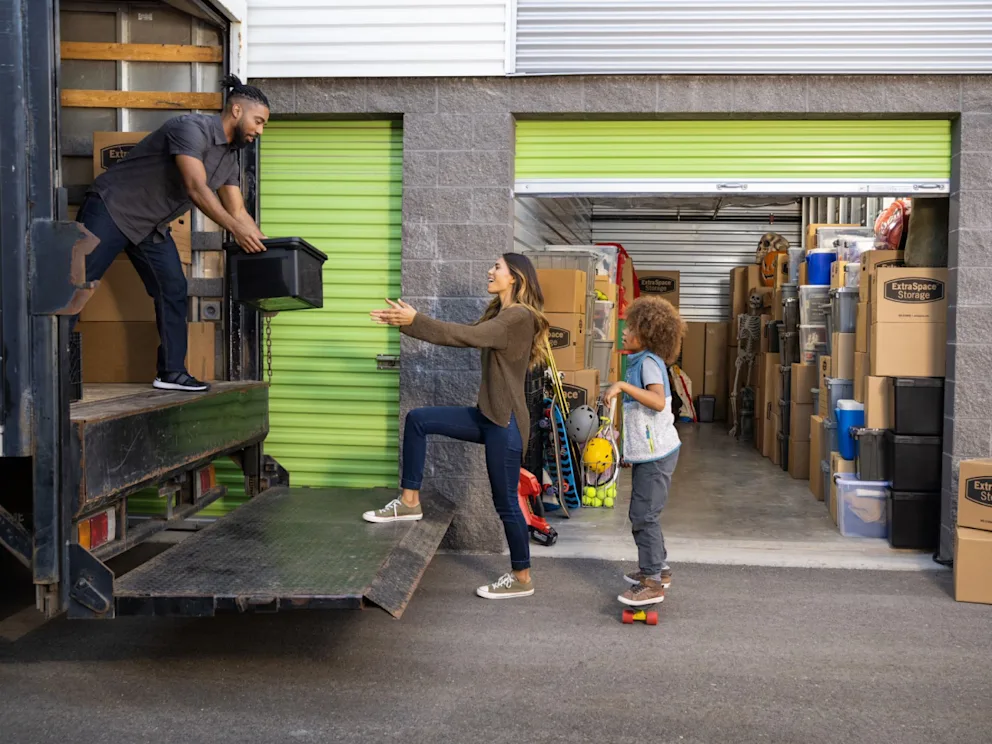
Extra Space Storage has over 4,000 locations across the U.S. with friendly customer service, advanced security features, and affordable month-to-month rates.
- Save up to 40% off online
Move Non-Essential Items in Advance to Simplify Moving Day
If you're able to access your new place ahead of time, another short-distance moving hack is to move your items in gradually. While you can still move most of your items into your new home on a designated moving day, it can be less overwhelming to do so in shifts. This will leave fewer boxes to worry about on moving day—and you can even get a head start on unpacking! By unloading certain things in your new place ahead of the primary moving day, you could even reuse the same boxes to save money on moving supplies. If your lease ends before you can move in, or you’re moving in stages, a storage unit can bridge the gap. You can keep non-essentials safe in the meantime and bring them over when your new space is ready. Extra Space Storage has thousands of facilities located across the U.S. to help—Find an affordable storage unit near you!
Plan Easy Meals for After You Move In
Be sure to make plans for meals on moving day. Pack water and snacks in a carry-on bag to help keep you and your moving team hydrated and energized throughout the day. Prepare meals in advance or order takeout to avoid cooking. This is also a great way to help show your friends appreciation for helping you move!
Transfer Utilities & Forward Your Mail
Updating your utilities and address early can help your move avoid snags. Set up electric, gas, water, and internet at your new place before you move so everything’s on when you walk in, and schedule the shutoff or transfer at your old address too. Then submit a USPS change of address once your move date is set so your mail follows you.
Frequently Asked Questions About Short Distance Moves
How far is considered a short-distance move?
Most movers consider a move of about 50 miles or less to be a short-distance, or local, move. Local moves are often priced by the hour rather than by distance and weight, and they typically happen in a single day.
How long does it take to plan a local move?
Plan for six to eight weeks if you can. That gives you time to declutter, gather supplies, book help, and schedule utilities. If your timeline is shorter, our Complete Local Moving Guide shows what to prioritize.
Should I hire movers or move myself for a short-distance move?
Both work well for local moves. Moving yourself with a rental truck and friends can keep costs down, while hiring movers saves time and physical effort, especially with large furniture or stairs. Our Guide to Hiring Movers can help you decide.
***
Find more helpful resources for moving on the Extra Space Storage moving hub. And if you need a place to store your belongings during a short-distance move, we have convenient storage facilities throughout the nation to help with your transition. Find a storage facility near you!
Top Trending Articles & Tools
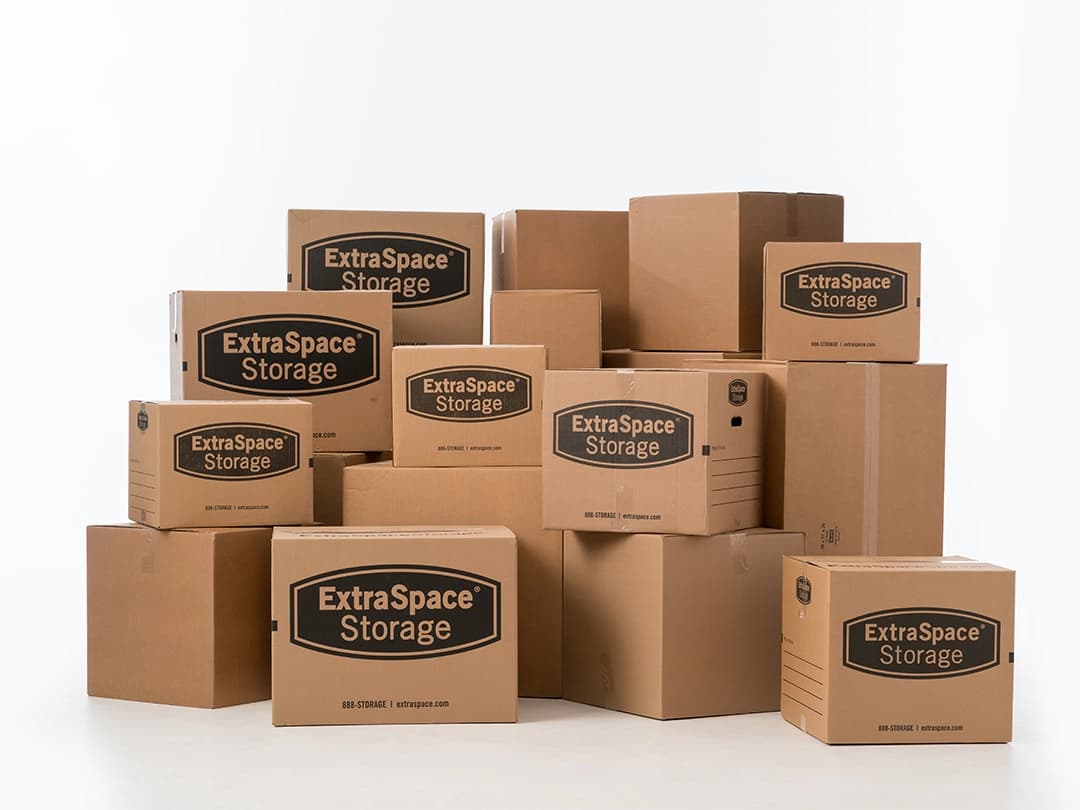
Free Moving Box Calculator - Estimate How Many Boxes You'll Need
Use our helpful packing and moving box calculator to estimate the number of boxes required for your move.
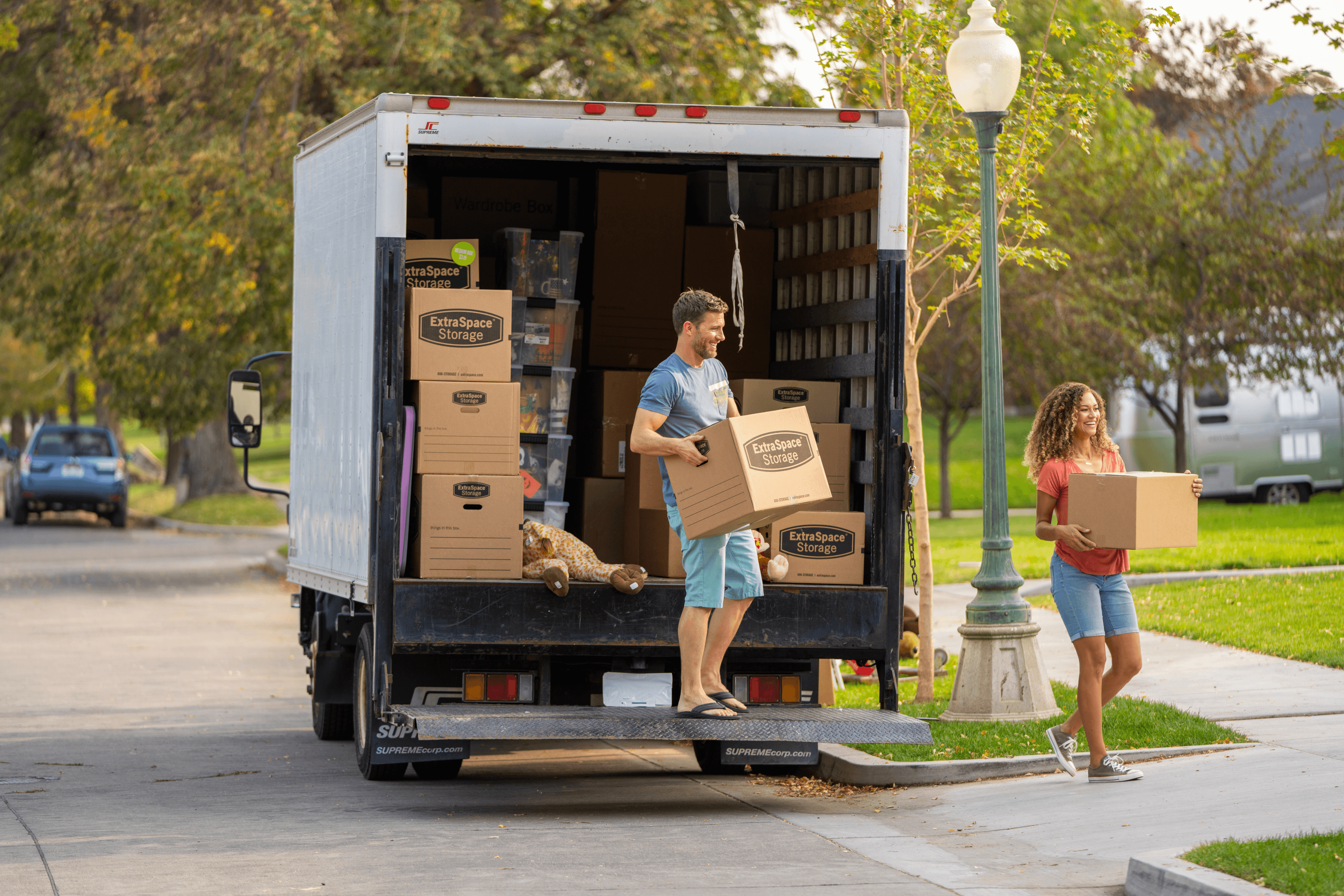
Moving Truck Size Calculator: What Size Truck Do You Need?
How big of a box truck do you need for your upcoming move? Check out this moving truck size calculator to find the right moving truck rental for you!
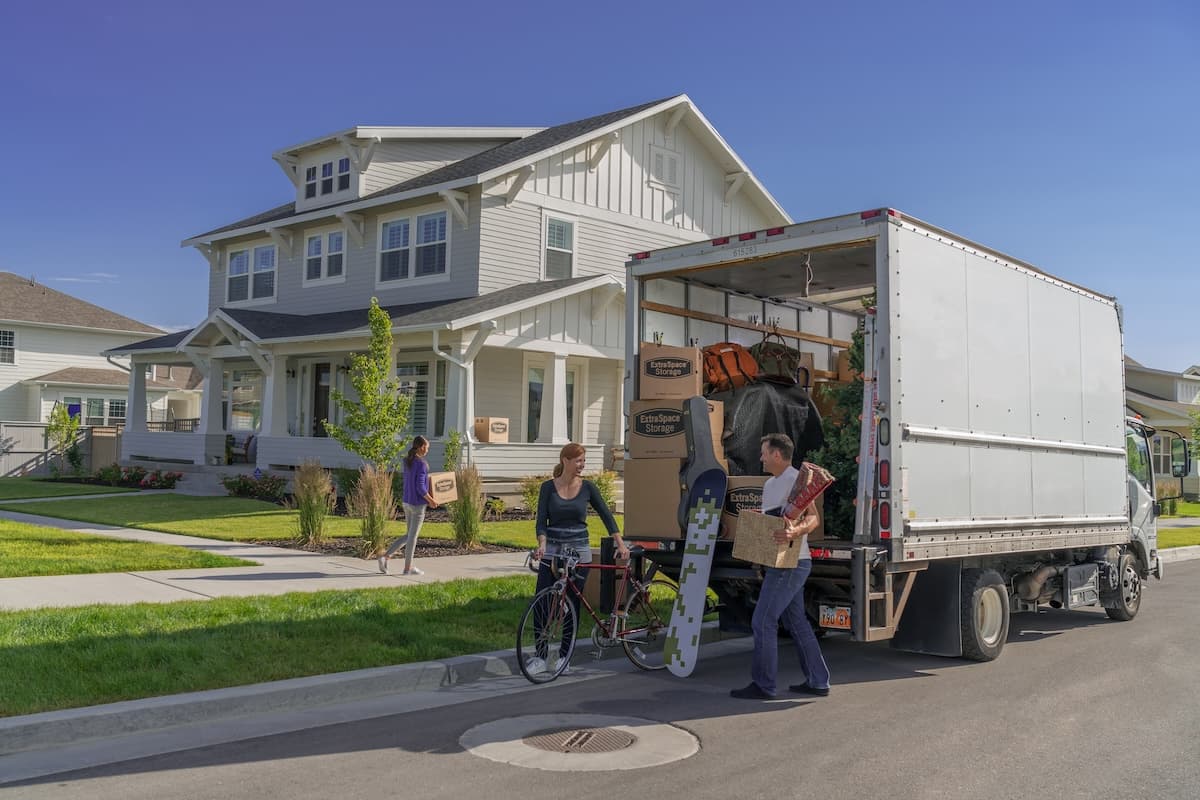
How to Move: Your Complete Guide to an Easy Relocation
Planning a move? This moving guide includes everything you need for planning a smooth relocation, including checklists, packing tips, costs, and more.
16 Moving Tips for Moving By Yourself
Moving without help? Whether you need to rent a moving truck, move furniture, or label moving boxes, here are tips for moving yourself into your new space!

Moving Out of Your Apartment Checklist
Moving out of an apartment can be stressful. Our checklist for moving out of an apartment can help guide through the entire process to ease the transition!
Author Profile
Quinn Johnson
Quinn Johnson is a moving expert and author for Extra Space Storage. He's moved over 15 times, including internationally, and helped countless others between their own homes. He's happy to lift some boxes for a friend as long as he's paid in pizza. As a writer and content creator for Extra Space Storage since 2019, Quinn shares helpful moving tips and info to alleviate the common stresses of moving.