Moving Guide
Your Guide to Moving to A New Home With Pets
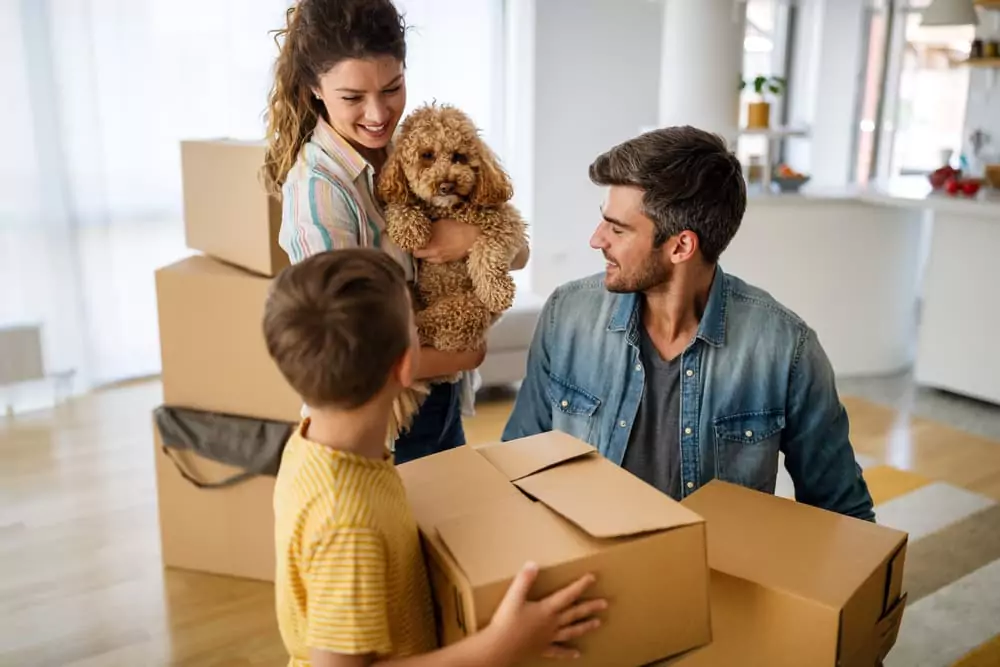
Planning a move with your pet? Whether you're moving a short-distance or relocating to a new state, there are several steps you can take to help make moving day go smoothly. From contacting your vet and gathering pet supplies to pet proofing you're future home, here are the top tips for moving with pets!
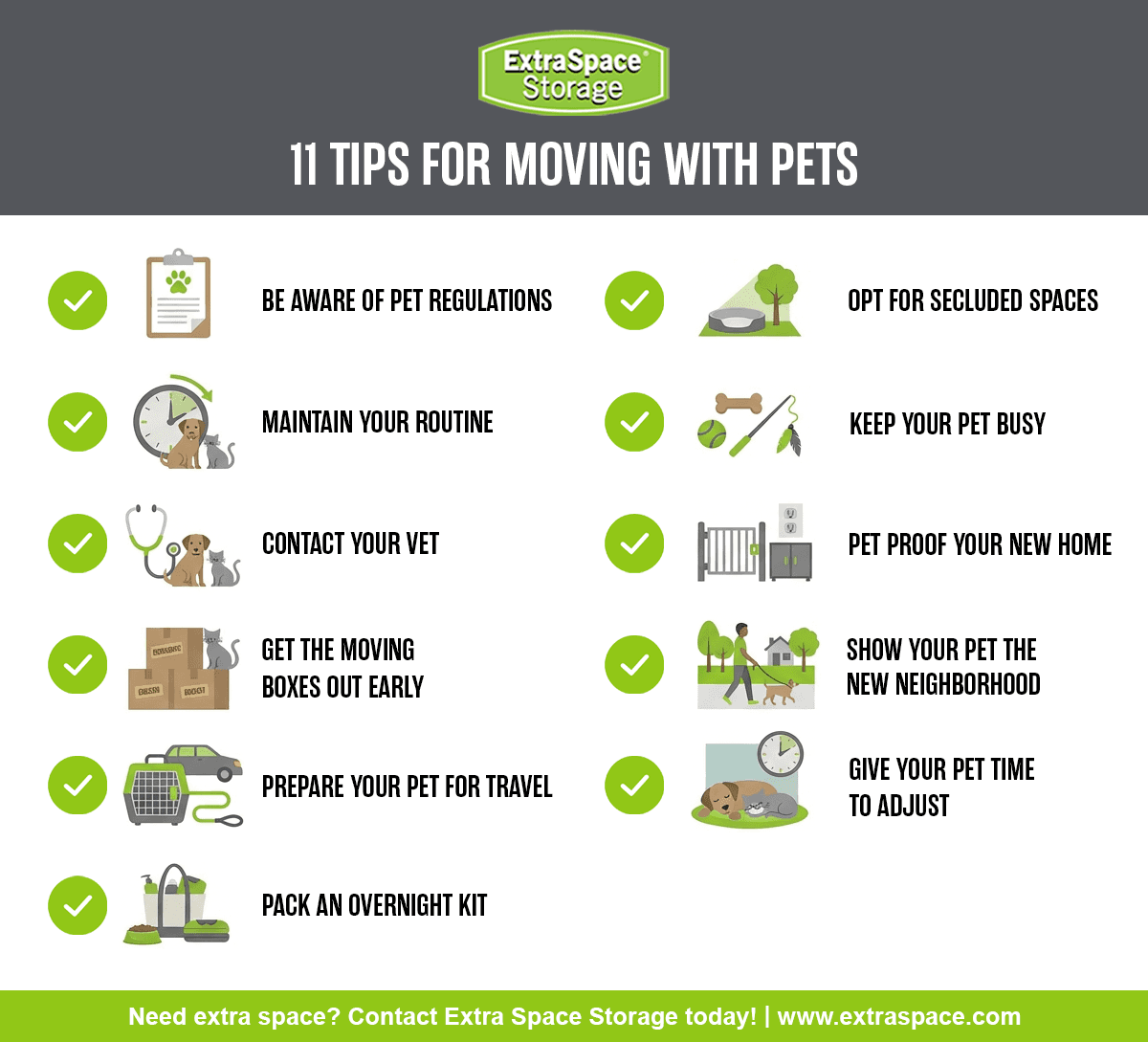
Be Aware of Pet Regulations
No matter how far you're moving, there are several regulations that you’ll want to keep in mind for your pet. If you're renting with pets, many apartment complexes have various pet requirements or restrictions, and may charge pet fees depending on the weight or breed of the animal. If you’re moving to a different city or state, be aware that some areas may require cats and dogs to have a valid health certificate or current rabies vaccination upon arrival.
Get the Moving Boxes Out Early
Like with most moves, packing your items early is best, especially if you're relocating with a pet. Pets are often the first to notice change, and can become agitated if their surroundings begin to look different. Set moving boxes out well before your moving day to help them get more comfortable with moving supplies. If your pet approaches or starts sniffing a box, give them a treat to reward their curiosity and calm their anxiety. Introducing your pets to moving boxes and packing supplies early on in the moving process can help make them less anxious and disruptive while you’re packing.
Contact Your Vet
If you’re moving with a pet, your veterinarian will be a fantastic resource. Contact them to ensure all of your pet’s vaccinations are up-to-date prior to moving. Be sure to ask for a copy of your pet’s records and prescription medications to take with you—and keep that documentation in a safe place you can easily access when you move. It’s also important to update your pet’s license and tags (or microchip information). Plus, your vet might even be able to provide recommendations for a reliable vet in your new town or neighborhood!
Maintain Your Routine
The moving process can be stressful for pets, potentially triggering separation anxiety or destructive behaviors. To reduce pet stress, try to maintain as much of their typical routines as possible. In between packing up your home and preparing for your move, be sure to prioritize feeding, walking, playing with, and putting your pet to bed at the same times as usual. Keeping your pets in the same routine can help reduce their anxiety during the move—and adjust to a new home.
Prepare for Traveling With Pets
Don’t overlook pet transportation while preparing for your move. Before your moving day, familiarize your pet with their crate and your vehicle by going on regular rides. Acclimating pets to the travel experience gradually helps avoid adding additional stress to the moving day itself. When relocating with pets, place their carrier in the backseat of your car and secure it with a seatbelt. When transporting exotic animals like birds, reptiles, rabbits, and other small mammals, a travel carrier is recommended—be sure to cover these enclosures and dog kennels with blankets to decrease anxiety caused by sounds and visual movement. On moving day, keep your pet in their carrier as you transport them into your new home—your pet could get stressed and have the urge to take off in a new environment.
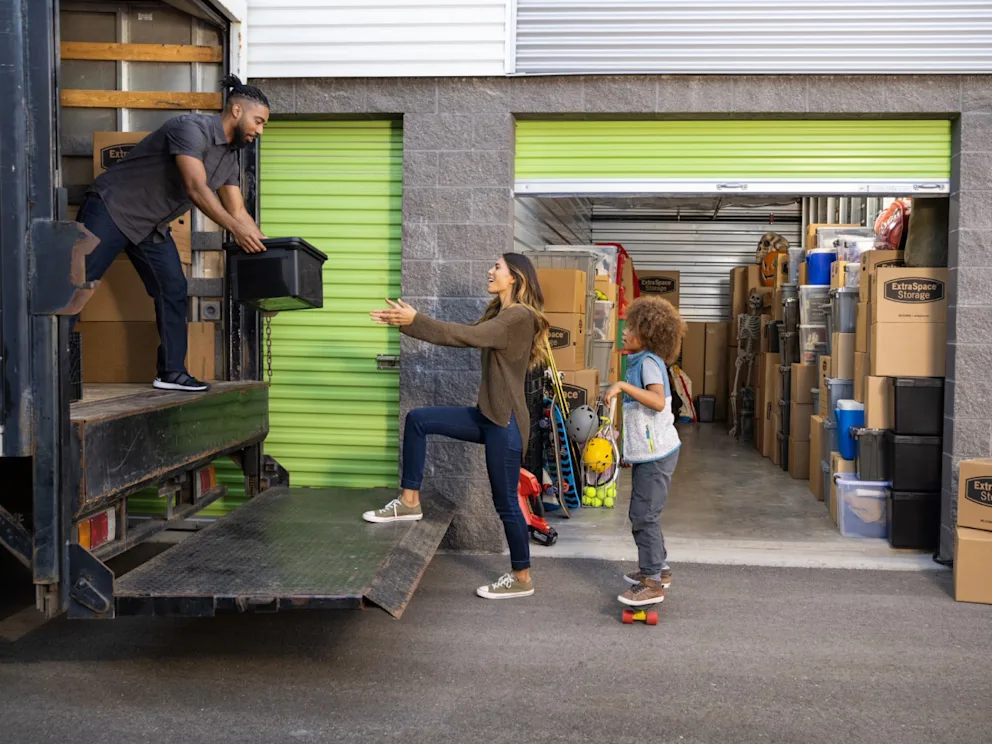
Find Affordable Self Storage Near You
Extra Space Storage has over 4,000 locations across the U.S. with friendly customer service, advanced security features, and affordable month-to-month rates.
- Save up to 40% off online
Pack a Pet Overnight Bag
As moving day approaches, prepare an overnight kit with all of your pet’s essentials to keep them as comfortable as possible. This kit should include pet supplies such as food, treats, water bowls, cleaning supplies, medications, leashes, toys, grooming tools, and waste bags. Having an emergency pet kit on hand helps ensure you have everything your pet may need while other items are packed away. Just don’t forget to unpack your pet’s items first when you get to your new home—seeing familiar items can help reassure them!
Opt for Secluded Spaces
Both the home you’re moving out of and the one you’re moving into can get messy and cluttered during a move. Keeping a secluded, peaceful space for your pet can help decrease their stress levels. While you’re packing up your home, provide your pet with a space that remains untouched to offer some comfort. As you transition into your new home, prioritize finding a secure, quiet space for your pet to stay in and surround them with familiar bedding and toys. This not only protects them from being in the middle of the action, but it also helps prevent escape attempts. You might also consider having a trusted friend or family member watch your pet for the day, or letting them spend the day at their regular day care or kennel.
Keep Your Pet Busy
The key to keeping your pets calm is keeping them occupied. Plan ahead to ensure your pets have plenty of ways to stay entertained on moving day. Schedule extra time to play ball or take your furry friend on a walk so they can burn off any anxious energy. Mentally-stimulating activities like puzzles and hide-and-seek are also great for keeping them busy. If you're moving with cats, set up a cat tree or cat tunnel to give them places to climb, play, or hide. And be sure to leave your pet with a variety of toys to keep them entertained while you’re busy moving into your new place!
Pet-Proof Your New Home
As you begin moving into your new space, remember that pet-proofing your home is crucial to a successful transition. Keep dangling wires from lamps, TVs, and other devices out of their reach to keep your items—and more importantly, your pets safe. Utilize child locks or latches to keep your animals from getting into cabinets, and store medicines and other toxic substances up high. If you have a balcony or backyard, make sure your pet can’t slip through railings or jump over fencing. In addition, check your home and yard to ensure accessible areas have only pet-friendly plants.
Show Your Pet the New Neighborhood
Help acclimate your pet to your new neighborhood by taking them on regular walks to introduce them to the new sights and scents of the area. If you’re moving to a nearby area, you can even begin doing this in the weeks leading up to the move. Giving your pet treats while on these walks can help them create a more positive association with the new living area.
Give Your Pet Time to Adjust
Moving with pets can be difficult, and yours will need time to adjust to their new home. Give them space to explore the new home at their own pace, and understand that their behavior and appetite may be a little different for a few days as they get used to their environment. During this adjustment period, it’s important to stay attuned to your pet’s needs, be patient, and give them extra attention and love!
***
Relocating soon? Find helpful tools and resources for moving on the Extra Space Storage Moving Hub. And if you need somewhere to store your pet's items throughout your transition, we have convenient storage locations throughout the U.S. Find a storage unit near you!

Helpful Moving Tips & Tools

How to Set Up Utilities After Moving: Your Complete Guide
Moving to a new apartment or home soon? This guide takes you through how to set up utilities—including a step-by-step utility setup timeline.
Moving to a New Home? Use This 3-Month Moving Checklist
Moving to a new home? Whether it's to a new house or an apartment, moving can be difficult at times. Stay on track with our three-month moving to-do list!

Address Change Checklist: Who to Notify When You Move
Planning a move soon? Use this change of address checklist to notify the proper people and places that you're moving!

How Much Do Movers Cost?
Professional movers cost ~$550-$12,000. Learn the average cost of hiring a moving company for local and long-distance moves in this guide.
Best Tape for Moving Boxes
Planning a move? Buying the best packing tape for moving boxes is essential for a hassle-free move. Find out which tapes are best for moving boxes.
Author Profile
Quinn Johnson
Quinn Johnson is a moving expert and author for Extra Space Storage. He's moved over 15 times, including internationally, and helped countless others between their own homes. He's happy to lift some boxes for a friend as long as he's paid in pizza. As a writer and content creator for Extra Space Storage since 2019, Quinn shares helpful moving tips and info to alleviate the common stresses of moving.