How to Move: Your Complete Guide to an Easy Relocation
Planning a move can get complicated with all the steps involved, so it's important to organize your move thoughtfully. Whether you're moving on your own, hiring professional movers, or renting self storage during your relocation, read our comprehensive guide to see what you need to know about how to move.
Which Type of Move Is Right for You?
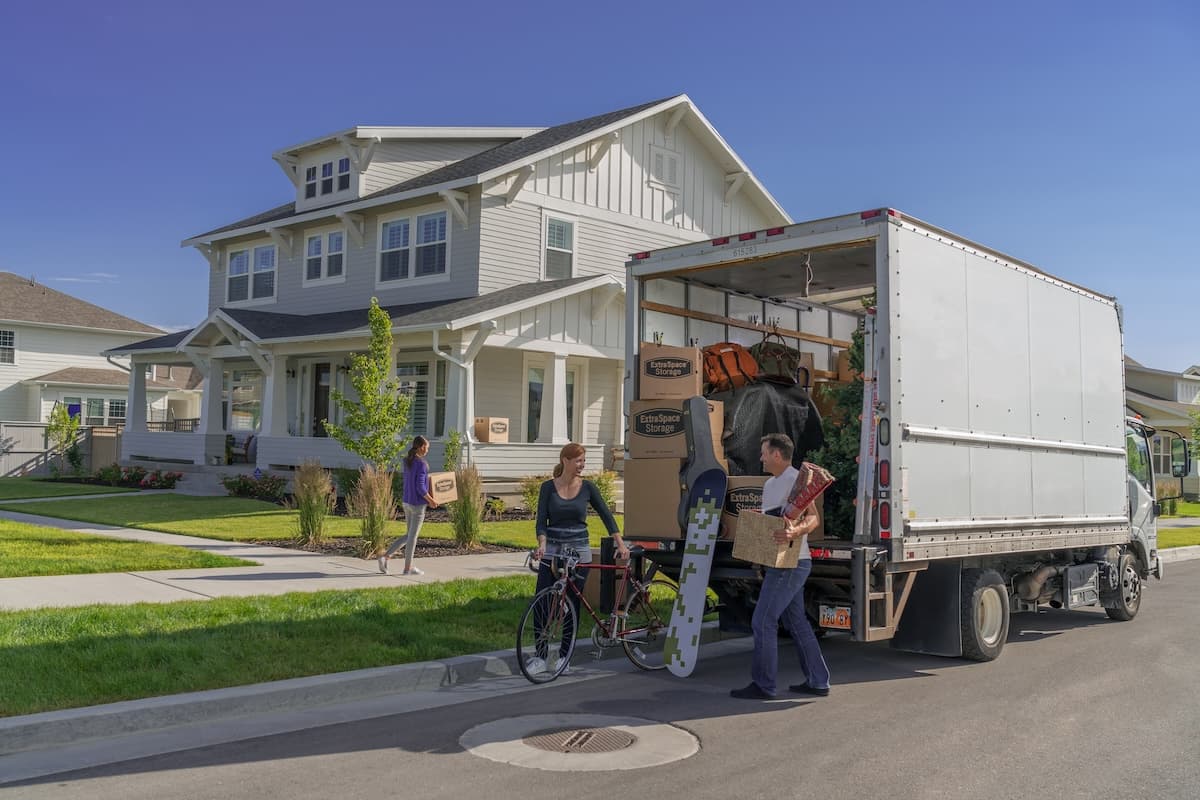
As you start the moving process, the first thing you'll want to decide is what type of move makes sense—a DIY move, paying for professional movers, or renting storage while moving. The best option for your move will depend on factors like the size of your move, the distance to your new home, and your overall moving budget.
DIY Rental Truck
A DIY move means handling logistics, packing, and loading yourself and renting a moving truck. Reserve early—availability tightens and costs rise as your move date approaches. Stock up on free or cheap moving boxes, packing tape, and paper to keep items safe in transit. On loading day, place the heaviest items toward the front to keep the truck balanced on the road.
Full-Service Movers
While hiring professional movers often costs more, it helps alleviate the physical and mental load of your move. Research companies with your needs in mind—some specialize in local moves, others in long-distance. Get multiple quotes, read reviews, and make sure any company you choose is registered with the U.S. Department of Transportation's Federal Motor Carrier Safety Administration.
Moving & Storage
Self storage during a move is useful at every stage. It holds overflow when you're downsizing, keeps belongings secure while staging your home for sale, and bridges the gap between a lease end and move-in date. Extra Space Storage offers a variety of unit sizes and flexible rental terms to fit wherever you are in the moving process.
How to Pack: Supplies & Room-by-Room Breakdown
Packing moving boxes effectively can save you hours of time and frustration on moving day. Make sure you get packing supplies on hand before you move, and tackle each room with a plan that keeps things organized, protects your belongings, and makes unpacking a breeze.
What Packing Supplies Do You Need?
Here are some of the essential moving packing supplies you'll need for any move:
Moving boxes; sturdy boxes in a variety of sizes, speciality boxes like wardrobe boxes
Packing tape
Plastic stretch wrap
Furniture pads, moving blankets, covers
Cushioning materials like bubble wrap or paper
Label makers or markers to label boxes clearly on the sides

Declutter Before You Pack
An important early step in the moving process is to declutter before you start packing. Getting rid of unnecessary items ahead of time can free up space and make the moving process less stressful. See helpful decluttering tips, advice for what can temporarily be put in storage, and a room-by-room decluttering guide below.
Tips for Decluttering
Breaking down the decluttering process into smaller steps can make the whole process more manageable. One of the best decluttering tips to keep in mind is the four pile method: keep, donate, sell, and store. Start with decluttering a small area in your home—whether that be a single drawer, shelf, or surface area—instead of just doing the entire house at once. As you go through each room, have a box or bag for each pile and place every item directly into one as you pick it up. Once you've completed one room, follow through on each pile: return keep items to their designated spot, load donations into your car to drop off at a local center, list sell items on a resale platform, and set store items apart to bring to a storage unit. It's also worth keeping a trash bag nearby for anything that doesn't belong in any of the four piles and needs to be disposed of.
What to Put in Storage
Self storage is a great option for items that you may not need immediately when moving, but don't want to sell or donate. Seasonal items like holiday decor, winter gear, or patio furniture can be taken in and out of a self storage unit throughout the year to help keep your home clutter-free. Any furniture pieces you like but don't have room for, whether you're between moves or downsizing, can be kept safe in self storage until you have the space for it. Sentimental items like family heirlooms, childhood keepsakes, or inherited pieces that don't fit into your current home are great for storage since most facilities will have additional security features your space might not have, so you can have peace of mind without needing to see your things every day. Hobby equipment like camping gear, bikes, or skis that only get used partially throughout the year is another type of item worth storing rather than giving away or keeping in your home.
Room-By-Room Decluttering Guide
Each room in the home can present its own challenge, but breaking the decluttering process down room by room can help make it less intimidating. Here are some tips for decluttering rooms in your home while preparing to move:
Bedrooms: Bedrooms tend to accumulate the most clutter and personal items over time. Go through your closet and dresser and set aside anything you haven't worn in the past year, and add items to the respective donate or sell piles.
Kitchens: Pull everything out of your cabinets and drawers. Get rid of any gadgets that are collecting dust, toss expired items, and only keep what you actually use or plan to use in the near future.
Living Rooms: These spaces hold a mix of decor, media, and other miscellaneous clutter. Focus on clearing surfaces first, then shelves, coffee tables, and entertainment units, and reduce your amount of decor to only what you need for potential staging designs.
Bathrooms: Remove any expired medications, old beauty products, and anything that you don't need in your new home. Keep only the things you use regularly and consilate any duplicates.
Garage: Sort everything into your four piles and be honest about what you've actually used in the past year. Tools, sports equipment, and hobby supplies are worth keeping if they see regular use—but are just bulky clutter if not.
8-Week Moving Timeline
It's good to start planning your move about eight weeks before moving day—though each move is different and depends on the distance, complexity, and moving date. Check out our moving checklists guides for more information to simplify your move, packing, and settling into your new living space.
8-Weeks Out
Create a moving budget and timeline
Decide between hiring professional movers or planning a DIY move
Notify your landlord if you’re renting
Gather and organize important documents in one secure location
Research moving companies, truck rentals, or storage options
Start planning the logistics of your move
6-Weeks Out
Declutter and donate or sell unneeded items
Gather packing supplies like boxes, tape, bubble wrap, and labels
Begin packing non-essential items early
Transfer or organize important health records and personal documents
Start measuring furniture and planning room layouts in your new home
4-Weeks Out
Continue packing room by room
Update your address with banks, subscriptions, and other important accounts
Schedule utility shutoff and transfer dates
Make arrangements for kids and pets on moving day
Confirm moving details with movers, truck rentals, or helpers
2-Weeks Out
Finish most of your packing
Set aside essentials, valuables, and important documents
Submit your official change of address with the United States Postal Service
Complete final home tasks and cleaning chores
Reconfirm moving day logistics and timing
1-Week Out
Pack remaining items and essentials
Prep all appliances and furniture that's making the move
Complete a home walkthrough
Plan mover payment and tips
Rest and prepare yourself
Moving Day
Meet your movers or helpers
Complete the final walkthrough of your home
Double-check that doors, windows, lights, and appliances are secure
Keep an inventory checklist as items are loaded and unloaded
Unpack essentials first at your new home

How Much Does It Actually Cost to Move?
Moving costs can vary greatly depending on how far you're going and what level of service you need. It's important to budget your move early on in the process. Your final moving price can range anywhere from a few hundred dollars for a local DIY move to several thousand for long-distance, full-service relocation. Read below to see our breakdown of what you can expect to spend for both local and long-distance moves.
Local Moving Costs | Long-Distance Moving Costs | |
DIY Moves | $130-$400 | $1,500-$3,500+ |
Professional Movers | $200-$3,000 | $1,650-$15,250+ |
*Total costs are average estimates and subject to change based on distance, truck size, fuel, and more
Full Moving Budget Breakdown
Moving Trucks:
Local Moves (Under 100 Miles): $130–$300
Mid-Distance Moves (100–500 Miles): $220–$1,250
Cross-Country moves (500–1,000+ Miles): $1,500–$3,250
Moving Boxes:
Small Boxes (16.6 × 12.5 × 12.5): $2.69
Medium Boxes (18 × 18 × 16): $3.89
Large Boxes (24 × 18 × 18): $5.19
Professional Movers:
Local Movers: $25–$50 per hour, per person
Long-Distance Movers: $800–$12,000 total
Self Storage:
Extra Space Storage: $35 to $100 per month
Fuel:
Local Moves: $50-$200
Long-Distance Moves: $300–$800
Miscellaneous:
Lodging & Tipping: Add 20% to your overall costs
Room-By-Room Packing Checklist
Instead of trying to pack your entire home at once, break the process down room by room. This room-by-room packing checklist covers the essentials for each area of your home.
Bedroom:
Pack clothes and shoes
Pack bedding and mattress
Empty dressers and nightstands
Pack personal valuables
Home Office:
Collect important documents
Pack and secure electronics
Pack away office supplies and books
Wrap and pack furniture
Kitchen:
Pack fragile dishes carefully and place them inside bubble wrap or packing paper
Secure pots, pans, and utensils
Prep appliances
Pack pantry items inside small, sturdy boxes so they aren't too heavy
Dining Room:
Wrap all fragile items in packing paper or bubble wrap and place in sturdy boxes
Label moving boxes as fragile
Disassemble the dining table if possible by removing legs and leaves
Wrap each table piece and chair in a blanket or moving pad to prevent scratches
Place all screws and bolts in a labeled bag taped securely to the underside of the table or chair
Bathroom:
Separate extras and essentials
Tighten the caps of any liquids like shampoo, soap, and lotions
Put liquids in their own bag
Take prescriptions with you instead of packing them
Pack towels
Garage:
Start with decluttering
Pack tools and equipment
Pack sports and outdoor gear
Pack seasonal decor and storage items
Moving Insurance & Transit Coverage Explained
No matter how much you prepare for your move, accidents can still happen. Having the right protection in place before your move can make all the difference in what you pay. While transit coverage is typically offered by your moving company and covers your items while physically in the truck, moving insurance provides broader protection and includes transportation and storage period coverage. It's worth knowing which one fits your needs.
Transit Coverage
While moving companies include Released Value Protection—free, minimal coverage required by law—you may want to consider additional insurance. Transit Coverage is a paid, premium insurance that covers the full repair or replacement cost of lost or damaged items and protects your items against all risks during the transportation process—including fire, accidents, and theft.
Moving Insurance
Renting moving insurance offers a broad range of options compared to Transit Coverage. Standard moving insurance can offer protection for your belongings beyond transportation—including packing, loading, unloading, and storage periods. This type of coverage can help protect against loss or damage throughout the entire moving process.
Moving Coverage Tips
High-Value Items: What Standard Coverage Misses
Most moving companies provide basic valuation coverage, but it often falls short for expensive belongings like jewelry, artwork, collectibles, and high-end electronics. Standard coverage is typically based on weight—not actual value—meaning a damaged laptop or heirloom painting may only be reimbursed for a fraction of its worth. Before moving, consider documenting valuable items, checking your homeowners or renters insurance, and asking about full-value protection or third-party moving insurance.
Uninsured Movers: How to Verify a Mover’s License and Insurance
Hiring an uninsured mover can leave you financially responsible if items are damaged, lost, or if accidents happen during your move. Before booking, ask for the mover’s license number and proof of insurance, then verify interstate movers through the Federal Motor Carrier Safety Administration (FMCSA) database or check with your state’s moving authority for local movers. A legitimate mover should have no issue providing this information upfront.
Storage Coverage: What Storage Insurance Covers and Why It Matters
Storage insurance helps protect your belongings from unexpected events like theft, fire, vandalism, water damage, and certain weather-related incidents while items are in storage. While some homeowners or renters insurance policies may offer limited off-site storage coverage, dedicated storage protection plans can help fill coverage gaps. If you're storing furniture, electronics, or sentimental items for an extended period, having coverage can provide added peace of mind if the unexpected happens.
Moving Day: How to Handle Mishaps
With a comprehensive moving checklist in hand, your moving day comes down to a few things: being ready to go, having an essentials box packed and easily accessible, tipping your movers, and being open to being adaptable. No matter how well you prepare, unexpected mistakes are part of the process.
Logistics Failures
From a moving truck that's too small to unexpected traffic delays, these are often the most common mishaps on moving day. Offset this by confirming truck size with your mover ahead of time and building extra time into your schedule.
Property Damage
Scratched floors and broken items can happen even with the most careful movers. Protect yourself by documenting the condition of your belongings beforehand, using proper padding and wrapping, and ensuring you have adequate Transit Coverage beforehand.
Packing Issues
Overpacked boxes are more likely to break. Start packing earlier than you think you need to, keep boxes under 50 lbs, and do a final walkthrough the night before moving day to catch anything that still needs to be packed.
After the Move: Change of Address & Settling In
There are a few things left to do once you've unloaded all your boxes and have settled into your new home. From updating your address to getting your new space organized, here are some things to do after moving in.

Change of Address Checklist
Here are some governmental agencies and other entities to notify when moving:
United States Postal Service
Internal Revenue Service
Department of Motor Vehicles
Banks
Subscriptions
Employer
Here are some documents to update:
Drivers License
Vehicle Registrations
Voter Registration
Settling In
Transfer over utilities in your name and ensure they are active before you move in
Test smoke and carbon monoxide detectors
Locate the main water shutoff valve and electrical breaker box
Deep clean kitchens, bathrooms, and appliances before fully unpacking
Unpack essential rooms first, like the bedroom, bathroom, and kitchen
Change locks
Ensure you have a fresh air filter for your HVAC
Explore the area and meet your neighbors
Frequently Asked Questions
Where do I start when moving?
The first thing you should do when moving is to start early (6-8 weeks out) by decluttering your home and getting rid of items you no longer need. Then, create a moving checklist to help set your budget and timeline for the rest of the move
What size moving truck do I need?
The moving truck size you need will depend on the size of your home and the number of belongings you’re transporting. Use a moving truck size calculator to help determine the right truck size for your move.
What packing supplies do I need?
The packing supplies you need include packing tape, packing paper, bubble wrap, furniture pads, a variety of moving box sizes, moving blankets, and more. If you have any oversized or specialty items, consider purchasing additional moving supplies like wardrobe boxes, furniture dollies, and more.
Do I need moving insurance?
While moving insurance is not legally required, it's recommended if you're moving high-value and fragile items, or if you're moving a long distance.
Who do I notify when I change my address?
When changing your address, start by notifying the USPS to forward your mail. From there, update important records with the DMV, IRS, your employer, banks, and credit card companies within 30 days. Don’t forget to also notify your insurance providers, utility companies, and voter registration office.
What is the 5-4-3-2-1 packing rule?
The 5-4-3-2-1 packing method is a minimalist packing strategy that helps travelers fit a week’s worth of outfits into a carry-on or moving day bag by limiting clothing to 5 tops, 4 bottoms, 3 dresses or layering pieces, 2 pairs of shoes, and 1 set of accessories.
Related Moving Resources

How to Choose the Right Moving Company
Whether you're on a budget, moving cross-country, or need full-service assistance, here's how to choose the right moving company for your relocation needs.

How Much Does it Cost to Move?
Learn the cost of moving, from hiring professional movers to cross-country moving costs and more, with our complete guide to moving costs.

Pros & Cons of Hiring a Moving Company
Preparing to move and considering hiring movers? Explore the pros and cons in this guide to determine whether you should hire movers or DIY your move.
Important Questions to Ask a Moving Company Before Hiring
Wondering what questions to ask moving companies? Review these helpful moving questions to avoid delays or damaged belongings for a smooth move.

How to Protect Your Furniture When Moving
Whether you're moving across the country or relocating to a nearby area, our tips to protecting your furniture can help you doing your move!
Quinn Johnson
Quinn Johnson is a moving expert and author for Extra Space Storage. He's moved over 15 times, including internationally, and helped countless others between their own homes. He's happy to lift some boxes for a friend as long as he's paid in pizza. As a writer and content creator for Extra Space Storage since 2019, Quinn shares helpful moving tips and info to alleviate the common stresses of moving.