Moving Guide
Room-by-Room Packing Checklist for Moving
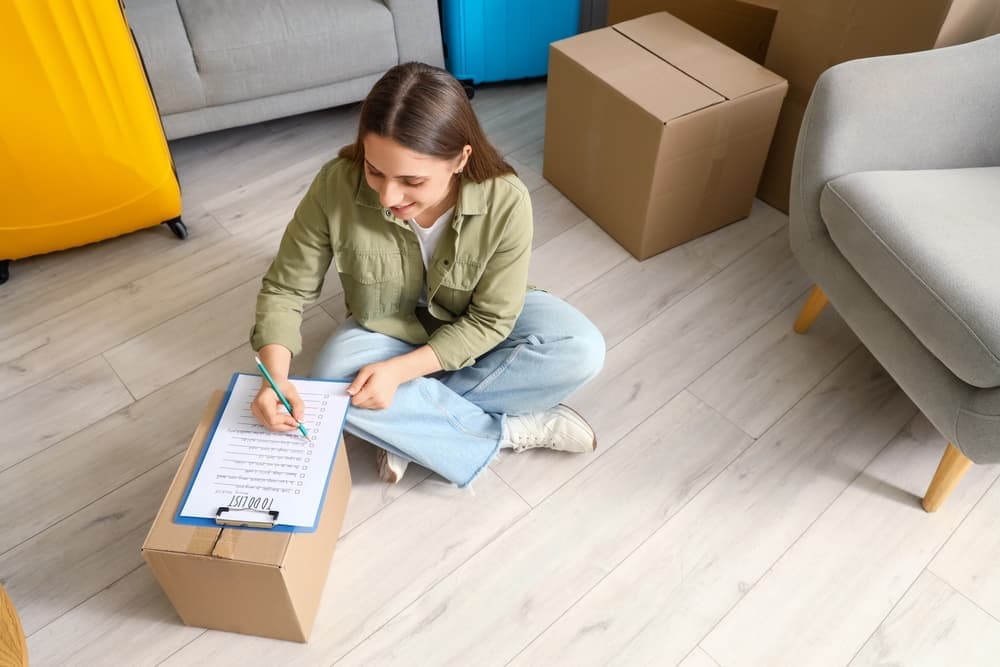
Moving to a new home is a big project, but you can tackle it with a solid plan. One way to help with the packing process is to break it down by each area of your home. This comprehensive room-by-room packing checklist will help you pack efficiently and keep stress to a minimum.
General Tips On How To Start Packing For a Move
Start Early: Begin packing a few weeks before your move. Tackle the least-used rooms first and save everyday essentials for last. This is the best way to start packing for a move.
Declutter as You Pack: Moving is the perfect opportunity to declutter your belongings. Donate or discard items you no longer need before you move for a fresh start in your new place.
Gather Quality Supplies: Stock up on sturdy boxes, packing tape, bubble wrap, moving tarps, and furniture pads to help protect your items in transit.
Label Boxes Clearly: Mark each box with its destination room and a brief list of contents to help save time when unpacking.
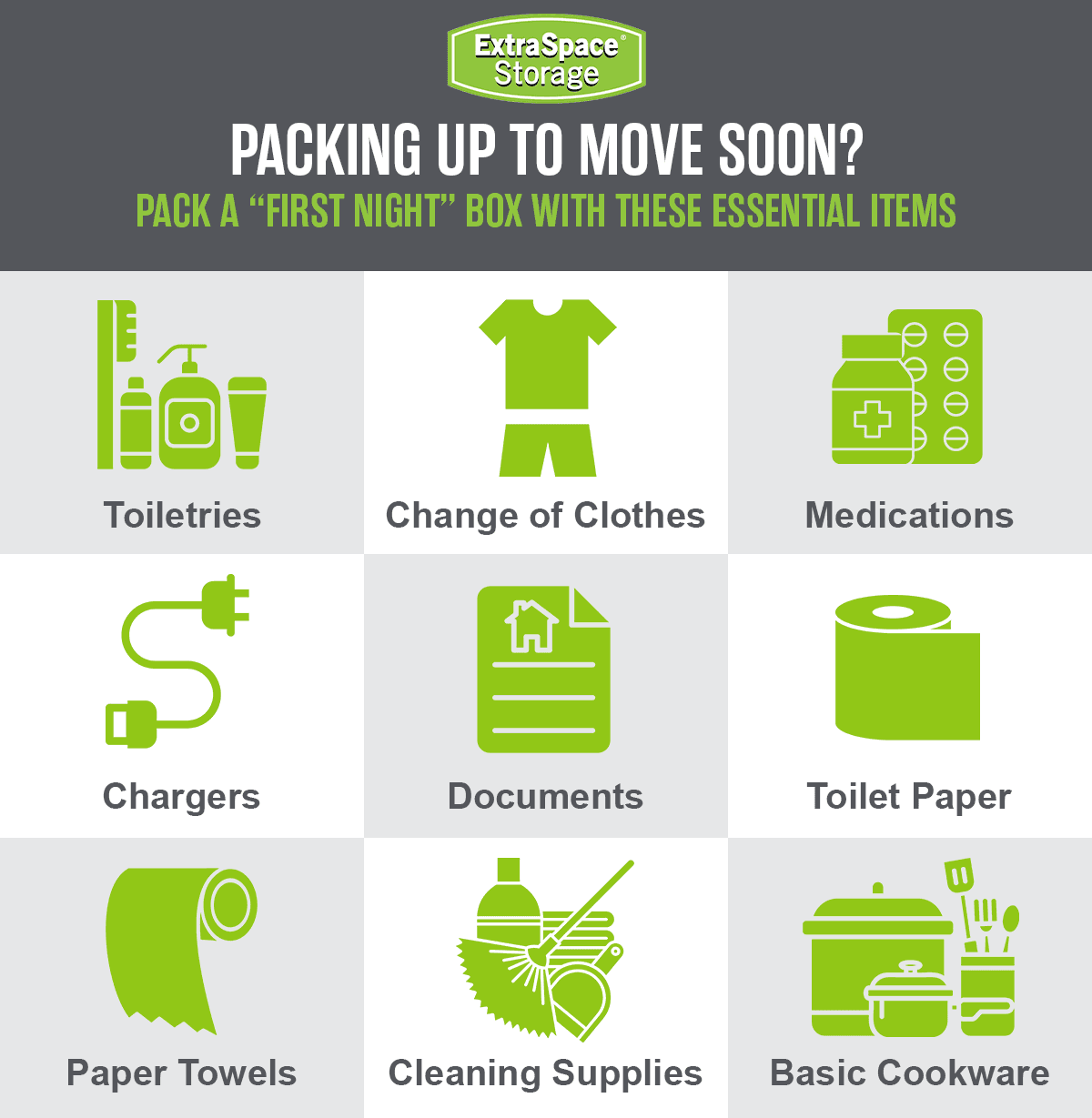
Pack an Essentials Box: Set aside a "first night" box with must-haves like toiletries, a change of clothes, basic cookware, important documents, and chargers so you have everything you need upon arrival at your new home.
Room-By-Room Packing Checklist
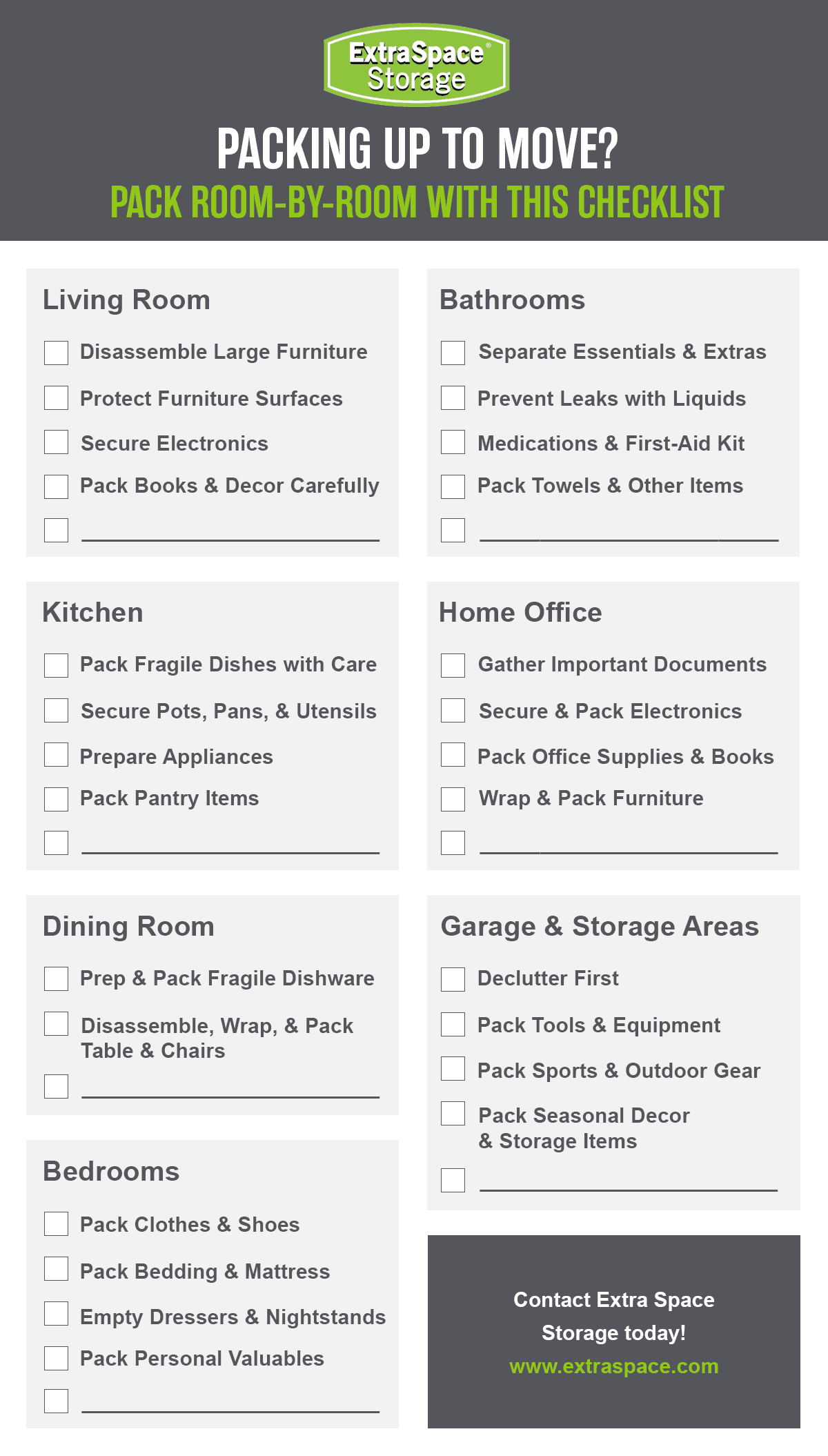
Once you have your moving supplies ready and a general plan it place, you can start tackling each room one at a time. Screenshot this room-by-room checklist to help you stay organized and on track when packing for your move!
Living Room
The living room is often filled with bulky furniture, electronics, and decor. Start by protecting fragile items, then tackle larger pieces. Enlist family members to help speed things along if you're moving by yourself.
Disassemble Large Furniture: Remove legs from tables, take apart shelves, and detach sections of sofas if possible. Keep all screws and bolts in a labeled bag taped to the furniture piece. This prevents lost hardware and makes reassembly easier later.
Protect Furniture Surfaces: Wrap couches, chairs, and wooden tables in old sheets, furniture pads, or moving blankets to avoid scratches or tears. Couch cushions and pillows can be packed in large plastic bags or used as padding for other items in the truck.
Secure Electronics: Use original boxes to pack TVs, game consoles, and speakers if you have them. If not, wrap electronics in bubble wrap or blankets and pack in snug boxes with plenty of cushioning. Remove batteries from remotes to prevent corrosion. Coil and label cables, taping each bundle to its corresponding device in clearly labeled bags.
Pack Books & Decor Carefully: Use small boxes for heavy books so they're not too difficult to lift. Wrap fragile decor such as photo frames, vases, and figurines individually in bubble wrap or paper. Fill any gaps in boxes with soft items like throw blankets or pillows to prevent shifting. Clearly mark these boxes as fragile.
Living Room Essentials | Packing Tips |
TV & Electronics | Carefully wrap and pad screens, then label them as fragile. |
Cables & Remotes | Bag and label each item to keep them organized. |
Furniture | Disassemble if possible and wrap to prevent damage. |
Books & DVDs | Pack them in small boxes and mark them as heavy. |
Artwork & Decor | Wrap artwork individually with bubble wrap. |
Kitchen
The kitchen is one of the most challenging rooms to pack. Between fragile dishware and everyday essentials, you'll need to balance careful packing with keeping a few items handy until moving day. Tackle the kitchen systematically, starting with the items you use least often and leaving daily-use items for last.
Pack Fragile Dishes: Wrap each plate, bowl, and glass in packing paper or bubble wrap. Place dishes vertically in the box with padding on all sides. Use specialty dish boxes or add cardboard dividers if you have them. Clearly label dish boxes as fragile so everyone knows to handle them gently.
Secure Pots, Pans, & Utensils: Nest pots and pans together, placing a layer of paper or a dish towel between each to prevent scratches. Pack heavy cookware at the bottom of a box and lighter kitchen tools on top. Wrap sharp knives in thick cloth or packing paper and tape them securely. Keep a spatula and a few essential utensils aside for immediate use.
Prepare Appliances: Defrost and clean your refrigerator at least 24-48 hours before moving. For small appliances like microwaves, toasters, or coffee makers, make sure they're empty, clean, and dry. Remove any loose parts, packing them separately. If you still have the original boxes and foam inserts, those are ideal for packing appliances securely. If not, wrap each appliance in bubble wrap or towels and place it in a box with extra cushioning.
Pack Pantry Items: Use up as much perishable food as you can in the weeks leading up to the move. Seal open non-perishable packages with tape, packing cans and jars in small, sturdy boxes so they aren't too heavy. Avoid moving any frozen or refrigerated food unless absolutely necessary. Consider donating unopened pantry items you won’t use to a local food pantry.
Kitchen Essentials | Packing Tips |
Dishware | Wrap each piece & label boxes as fragile. |
Cookware | Pack heavy pots and pans at the bottom of boxes, using towels to pad between items. |
Utensils & Knives | Bundle and wrap sharp items, keeping a few utensils out for the final days before moving. |
Small Appliances | Pack early if not needed daily, wrapping and cushioning them well. |
Pantry Goods | Use small boxes for cans and dry goods, avoiding moving perishable food until moving day. |
Dining Room
Dining rooms often contain large furniture and delicate china, glassware, and other items. Packing this room early is ideal, since formal dining items typically aren't needed in the final days before a move. Focus on protecting fragile pieces and dismantling furniture safely.
Dishware & Silver: Wrap all china, crystal stemware, and fine silverware in packing paper or bubble wrap. Use sturdy dish boxes, or add cardboard dividers to protect these delicate pieces, and clearly label the boxes as fragile.
Dining Table & Chairs: Disassemble the dining table if possible by removing legs and leaves, wrapping each table piece and chair in a blanket or moving pad to prevent scratches. Place all screws and bolts in a labeled bag taped securely to the underside of the table or chair so they don't get lost.
Dining Room Essentials | Packing Tips |
China & Crystal | Wrap individually, using dish packs or dividers. |
Dining Table & Chairs | Remove legs/leaves, wrap pieces in blankets, and keep hardware taped to table for safekeeping. |
Table Linens | Pack in a box or use them as cushioning for fragile items. |
Fine Silverware | Keep in a protective case to avoid scratches. |
Bedrooms
Though you use your bedroom daily, there's still a lot that you can pack ahead of time—from seasonal clothes and extra sets of linens to non-essential furniture. Tackle one closet or dresser at a time so you don't overwhelm yourself, keeping essential items aside for the last few nights in your old home. Think of packing the bedroom as a chance to simplify and organize, decluttering what you don't want to take with you to your next home.
Clothing & Shoes: Begin with off-season clothes or items you won't wear before the move. Use wardrobe boxes for hanging clothes. Fold or roll other clothes into suitcases or medium boxes. Pack shoes separately to keep them from scuffing delicate clothing—you can wrap each pair in paper or plastic bags.
Bedding & Mattresses: Pack extra bed linens and blankets early, keeping one set of sheets for each bed to use until moving day. Use a mattress cover or old sheets to protect each mattress. Disassemble bed frames if possible—remove the headboard, footboard, and bed slats. Keep all screws and brackets in a labeled bag taped to the bed frame so everything stays together.
Dressers & Nightstands: Empty out dresser drawers to make the units lighter. Remove any mirrors from dressers, wrapping the mirrors carefully in blankets or bubble wrap. Tape the mirror’s hardware to the back of the frame or place them in a small labeled bag. Pack smaller items from nightstand drawers in a separate box so they don't get lost.
Personal Valuables: Gather jewelry and other small valuables and keep them with you during the move. Use a jewelry box or zippered pouch for jewelry to prevent tangles. This way, your most valuable and irreplaceable items will remain safe and within reach.
Bedroom Essentials | Packing Tips |
Off-Season Clothing | Pack early, since it won't be needed until after the move. |
Everyday Clothes | Pack these last, keeping a few outfits handy for moving day. |
Bedding | Pack spare linens early, leaving one set out for your last night. |
Mattress & Bed Frame | Use a mattress cover to keep it clean, disassemble the frame, and keep track of all screws. |
Jewelry | Keep these with you in a safe place on your person throughout the move. |
Bathrooms
The bathroom is often one of the last rooms you'll pack, since many of these toiletries need to be used up until moving day. Still, you can get a head start by packing infrequently used items now and leaving daily must-haves for last.
Essentials vs. Extras: Separate what you use every day from what you can pack early. Pack up the non-essentials in a box so they're ready to go, and keep your daily items in an easy-to-access spot.
Prevent Leaks & Liquids: Tighten the caps on all bottles of shampoo, soap, and lotion, then put each one in its own sealed plastic bag to avoid leaks. If possible, place these upright in a plastic bin or a box lined with a garbage bag for extra protection. If any toiletries are almost empty or not worth moving, dispose of them now to lighten your load.
Medications & First Aid: Keep prescription medications and important health items with you rather than in the moving truck. Pack them in a small, clearly labeled box or bag that you carry personally. That way, you'll have quick access to any medicines you might need during travel and on the first day in your new home.
Towels & Other Items: Use towels and washcloths as padding for fragile bathroom items. Fold and pack the rest of your clean and dry towels, bath mats, and shower curtains in a medium box. Small bathroom appliances can be placed in the same box, cushioned by the linens.
Bathroom Essentials | Packing Tips |
Toiletries | Keep everyday toiletries in a personal bag, and pack extras away. |
Liquids | Seal caps of shampoo and lotion bottles, bagging each bottle to prevent leaks. |
Medications | Carry critical meds on your person throughout the move. |
Towels & Linens | Pack in a box, using some as padding for other breakables. |
Hair Dryer & Other Heat Tools | Unplug and dry them fully, surrounding them with padding. |
Home Office
Packing a home office or study requires special attention to important documents and electronics. Amidst the tangle of cords and stacks of paper, look at it as an opportunity to organize and start fresh in your new workspace.
Important Documents: Gather vital paperwork like passports, birth certificates, financial records, and legal documents in one place. Keep them in a secure folder or lockbox that you will carry with you during the move. This ensures these irreplaceable items won’t get lost, and you can access them when needed.
Electronics: Back up your computer data to cloud storage or an external drive before you shut everything down. Disconnect computers, printers, and other devices, then coil and label each cord. Use original boxes for electronics if you have them. If not, pack devices in snug boxes with plenty of padding. Remove ink or toner cartridges from printers to prevent spills during transit.
Office Supplies & Books: Group small supplies in zip-top bags or small boxes so they stay organized. Tape or seal the lids of any organizer trays so contents don't spill. Pack books and manuals in small boxes to keep the weight manageable. Label these boxes by category if it will help you unpack later.
Furniture: Disassemble large desks or shelving units if possible. Remove legs from desks and tape the hardware underneath the desktop in a labeled bag. Wrap office chairs in a sheet or plastic to protect them from dust or damage. If the chair is large or unwieldy, consider removing the wheels or base to make it easier to move, then reattach them at the new place.
Home Office Essentials | Packing Tips |
Important Documents | Carry important papers on your person. |
Computer & Electronics | Back up data, wrapping and padding all fragile devices well. |
Cables & Chargers | Coil neatly, labeling each one. |
Printer | Remove ink/toner cartridges, bagging them separately. Pack the printer upright with padding. |
Desk & Shelves | Disassemble if possible, and tape screws and parts to the item so they don't get lost. |
Garage & Storage Areas
Garages, basements, and attics often hold a mix of tools, outdoor gear, and random stored items. These are usually the best areas to start packing early because you don't use most of these items every day. Be cautious handling any hazardous materials, and remember some things—like flammable liquids—can't go on the moving truck.
Declutter First: Get rid of any broken tools, gardening supplies, sports gear, and holiday decorations that aren't worth moving. Also, dispose of old paints, chemicals, or flammable items safely, since movers typically won't transport them.
Pack Tools & Equipment: Pack hand tools in small, sturdy boxes. Wrap sharp edges of tools in old towels or bubble wrap and secure with tape for safety. Bundle long-handled tools together with rope or tape. Remove any fuel and detachable batteries from power tools and lawn equipment beforehand. If you have propane tanks, do not pack them on the moving truck — use them up or give them away, as they’re not safe to transport.
Sports & Outdoor Gear: Clean off dirt from bikes, camping gear, and sports equipment before packing. Partially deflate balls and bicycle tires to prevent damage. Pack smaller sports items like helmets, gloves, or balls together in a box so they stay organized.
Seasonal Decor & Storage Items: Pack holiday decorations with care, just like fragile household items. Wrap delicate ornaments and use labeled, divided boxes if you have them. For general
keepsakes and miscellaneous items, use plastic bins if possible for extra protection, especially if they'll be stored in an attic or basement at the new home.
Garage & Home Storage Essentials | Packing Tips |
Hand Tools | Use small boxes, wrapping sharp edges for safety. |
Power Tools & Lawn Equipment | Remove batteries and drain fuel, packing ahead of time if possible. |
Gardening Tools | Bundle tools together, covering sharp points or blades to prevent injury. |
Sports Gear | Deflate balls and pack smaller gear together. |
Holiday Decorations | Wrap fragile decor carefully, labeling boxes by holiday for easy, organized storage. |
***
Moving soon? Use our Moving Truck Size Calculator and other helpful resources on Extra Space Storage's Moving Hub to help with your transition. And if you need a storage unit during your move, we have has thousands of storage facilities across the U.S. that can help. Find self storage near you!

Related Packing Resources
Moving Boxes 101: How to Choose & Pack Boxes
Using the right moving boxes is essential when packing. Learn about different types of packing boxes for moving and how to pack them properly in this guide!
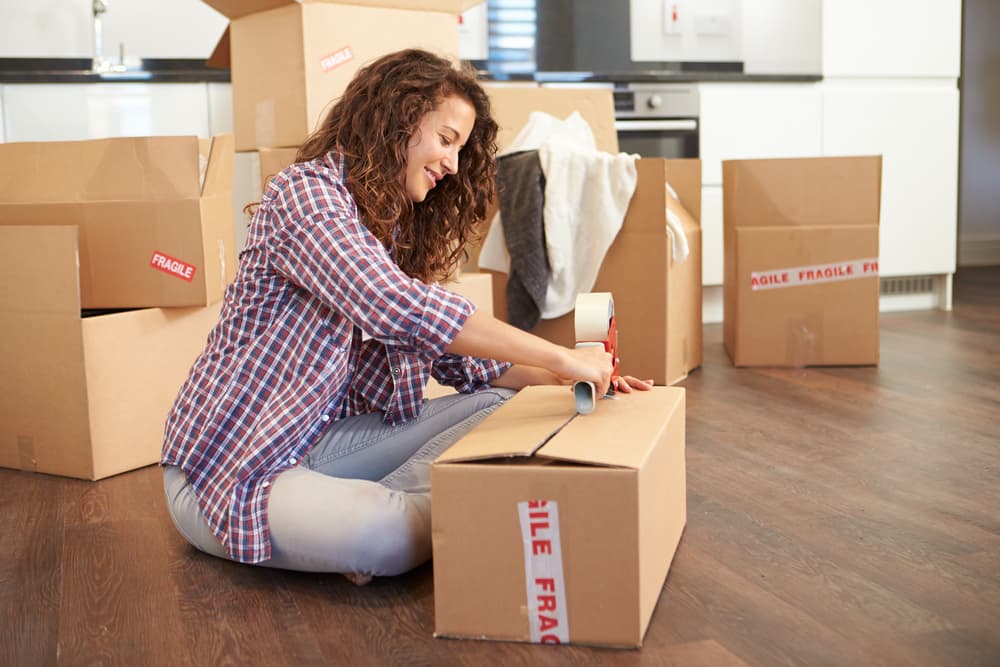
16 Packing Tips to Make Moving Easier
Getting ready to move? Relocating to a new home can be stressful—check out these 16 tips for packing moving boxes and the best ways to pack household items.
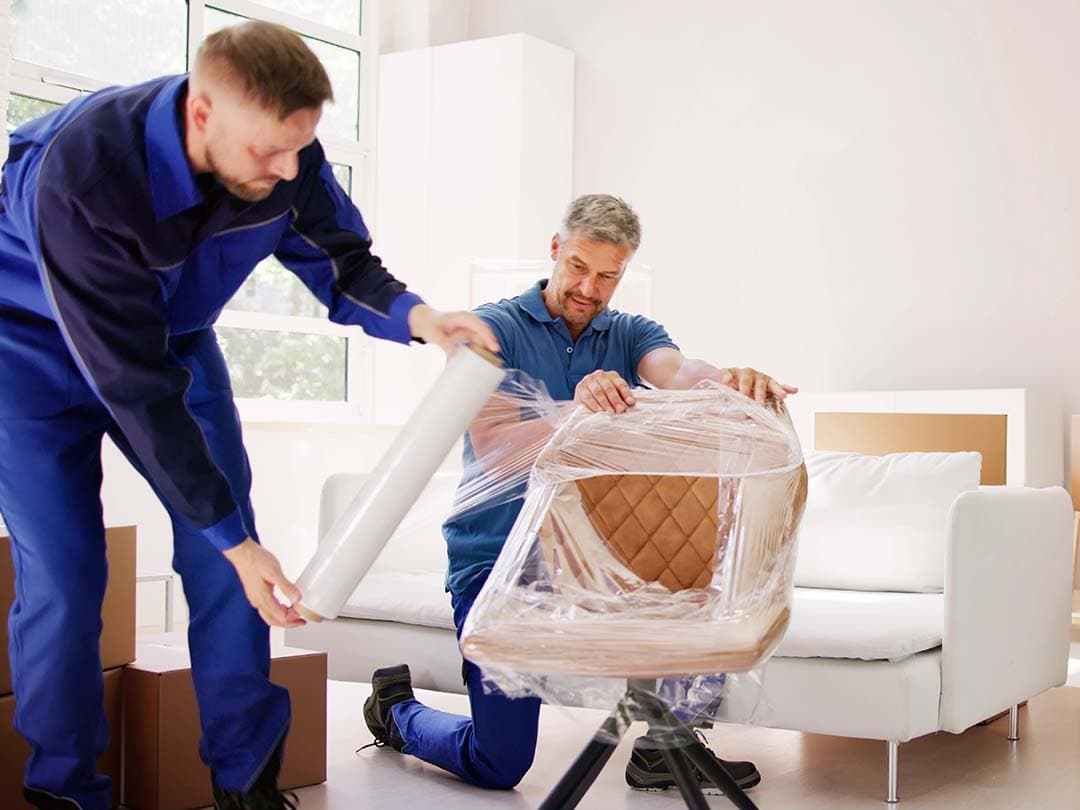
How to Wrap & Pack Furniture to Move
Moving soon and need to protect your furniture? Follow these steps to pack your couch, tables, chairs, bed sets, and other furniture.
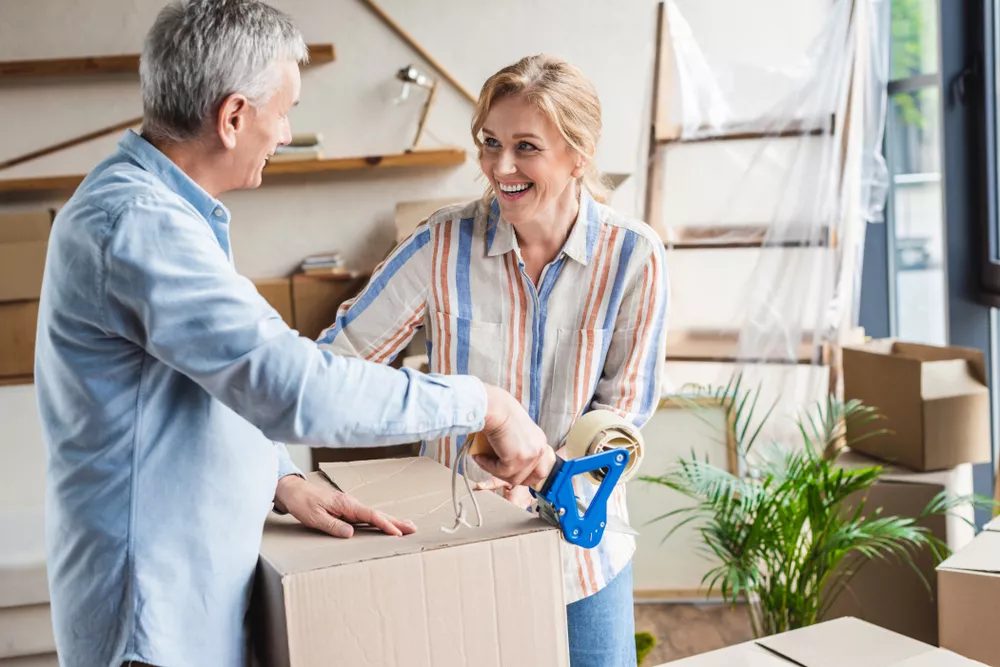
10 Tips for Packing Moving Boxes
Planning a move? Packing moving boxes properly saves time, helps protect your items, and keeps things organized. Check out these ten efficient packing tips!
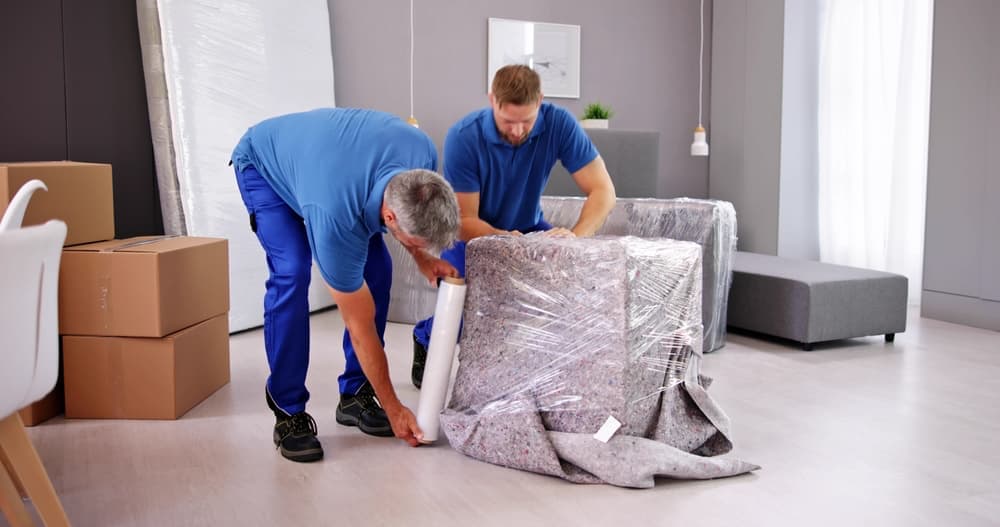
How Much Does It Cost to Hire Packers?
Considering hiring packers for your move? Here's a guide to the cost of packing services to help you budget.
Author Profile
Quinn Johnson
Quinn Johnson is a moving expert and author for Extra Space Storage. He's moved over 15 times, including internationally, and helped countless others between their own homes. He's happy to lift some boxes for a friend as long as he's paid in pizza. As a writer and content creator for Extra Space Storage since 2019, Quinn shares helpful moving tips and info to alleviate the common stresses of moving.