Moving Guide
How to Wrap & Pack Furniture to Move
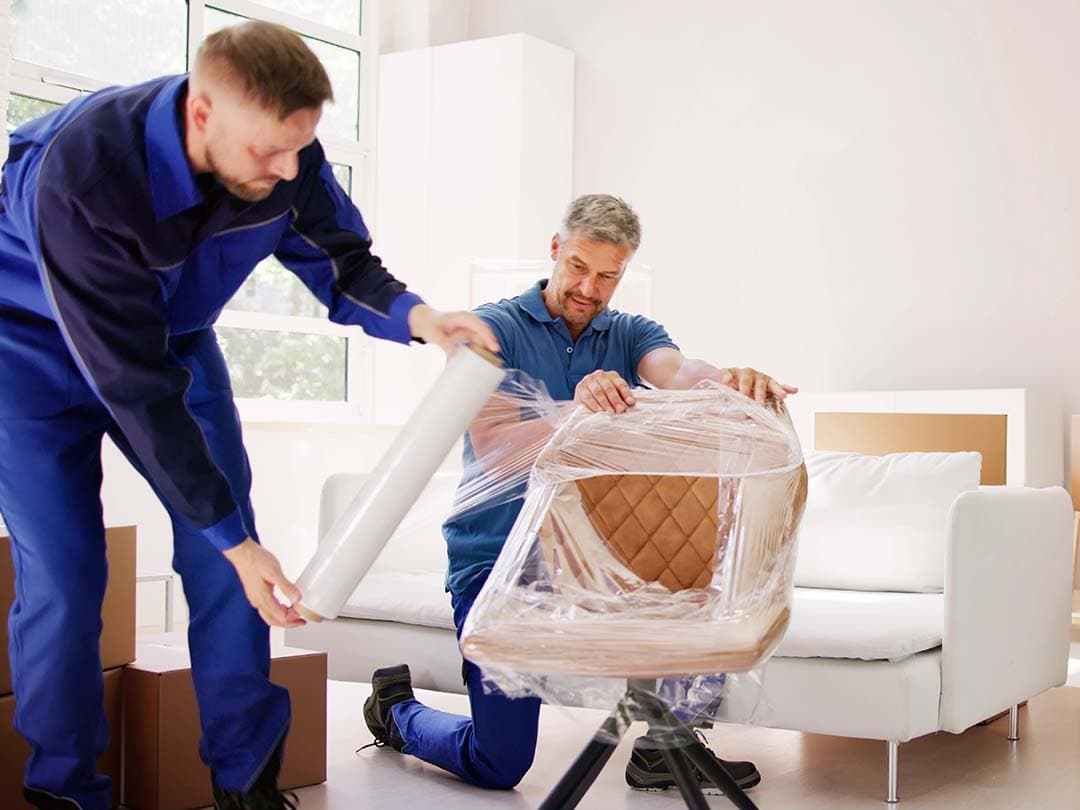
Moving to a new home? Whether you’re moving across town or cross-country, this step-by-step guide will walk you through the best way to pack furniture for a safe and efficient move by yourself or with movers.
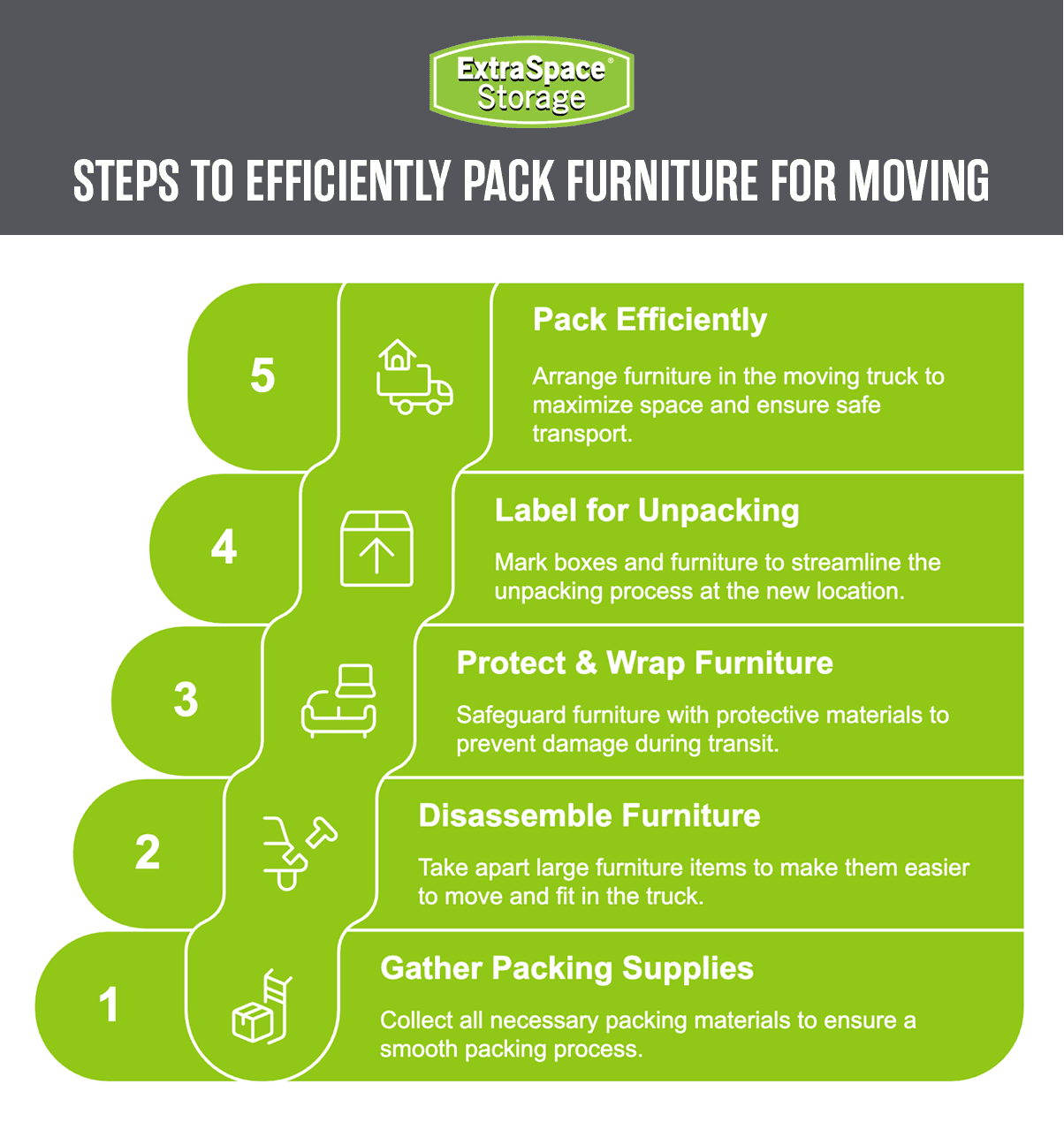
Gather the Right Packing Supplies
Moving day goes smoother when you have all your packing supplies ready. See if you can find any free or cheap moving boxes near you at places like home improvement stores, self storage companies, online, or local moving companies. It’s worth investing in quality materials if you're not limited to a budget move. Spring for moving blankets, which are thicker than regular blankets and specially designed to guard against scuffs. Stretch wrap (the kind professional movers use) can hold drawers and doors shut and keep furniture parts bundled together. It's a good idea to have the following packing supplies for a smooth move:
Sturdy cardboard boxes (in multiple sizes)
Packing tape & dispenser
Bubble wrap or packing paper for cushioning
Plastic stretch wrap
Thick moving blankets to protect furniture
Furniture pads to line the moving truck walls
Markers or labels
Sealable plastic bags for small hardware
Dolly or hand truck for heavy items
Moving straps or rope
Having these supplies on hand lets you wrap and secure each item properly, preventing scratches or damage during the move.
Disassemble Large Furniture
Moving large furniture is much easier when taken apart. Take time to disassemble bulky furniture before moving day to make it more manageable. Remove sofa legs, take headboards off beds, and break down bed frames, tables, and desks into smaller sections. If your furniture has detachable shelves or glass panels, carefully take those out as well.
If possible, refer to instruction manuals for specific disassembly steps (or look them up online) so you don’t accidentally damage anything. Use the proper tools—like screwdrivers, wrenches, and hammers—for each piece, and keep all the small hardware safe. Place screws, bolts, and washers in a sealable plastic bag so they don’t get lost. For easy reassembly later, tape that bag to the furniture it belongs to, or clearly label it and place it in a box.
Always have a friend help with heavy or awkward pieces. Taking apart a large dresser or an entertainment center can be a two-person job—one can hold sections steady while the other removes screws. Working as a team not only makes the job safer by helping to prevent injuries, but it also keeps you determined and upbeat during the process.
Protect & Wrap Furniture for Moving Day
Once your furniture is disassembled, the next step is to learn how to wrap and protect every furniture item. Proper wrapping prevents scratches, dents, and other damage while your belongings are in transit. By taking the time to pad your furniture now, you'll have a higher chance of everything arriving to your new home in good shape.
Wrap with Moving Blankets:
Cover wooden surfaces and any delicate finishes with thick moving blankets or furniture pads. Drape blankets over tabletops, dresser fronts, and other vulnerable areas. This padding will absorb bumps and keep furniture from rubbing against other items. Use packing tape or stretch wrap to secure the blankets in place—use painter’s tape on finishes or avoid taping directly on the furniture’s surface and stick to the blanket.
Secure with Plastic Stretch Wrap:
Use stretchable plastic wrap to bundle and protect items. Wrap it around couches and upholstered chairs to keep fabric safe from tears or dirt. Shrink wrap furniture for moving like cabinet doors and drawers that need to stay closed during transit. Plastic cling will hold cushions or removable parts together as well.
Use Bubble Wrap for Fragile Parts:
For delicate pieces and fragile components, bubble wrap is your best friend. If you have glass tabletops, mirrors, or furniture with carvings or parts that stick out, wrap them in bubble wrap after covering them in a layer of plain packing paper to prevent any plastic sticking to finishes. Secure the bubble wrap with tape to create a cushioned layer around those breakable parts. This extra protection is especially important for items that will be stacked in the truck.
By wrapping each piece thoughtfully, you create a protective barrier. Cushioned corners and covered surfaces mean you can load and unload without worrying about scuffs or chips. It’s a bit of extra work now, but it pays off with furniture that comes out of the moving truck in the same condition it went in.
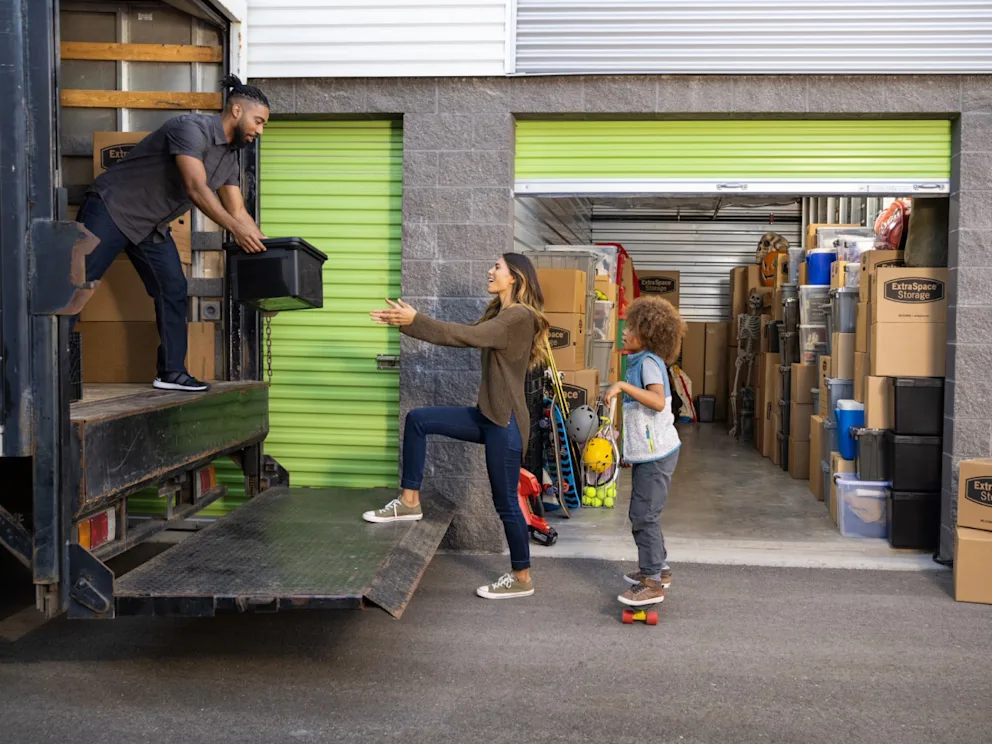
Find Affordable Self Storage Near You
Extra Space Storage has over 4,000 locations across the U.S. with friendly customer service, advanced security features, and affordable month-to-month rates.
- Save up to 40% off online
Label Furniture for Easy Unpacking
As you finish wrapping furniture for a move, take time to clearly label and organize everything. Proper labeling will make unloading and setting up your new home much easier, since you’ll know exactly where each piece of furniture and its related contents should go.
Attach labels to any wrapped items. Use an easy-to-remove tape or stickers on the moving blankets covering each piece. By placing the label on the protective wrapping, you avoid putting adhesive directly on the furniture’s surface. Write which room the item belongs in. For example, label your disassembled bed frame as “Primary Bedroom” so you know where to reassemble it.
Also, make sure the hardware bag you taped to the corresponding packaged furniture is clearly labeled (e.g., “Bed Frame Screws”) so you can match it to the right piece if it ever gets separated from its furniture. With everything clearly marked, you’ll be able to start unpacking and settling in without confusion. It’s a little extra effort upfront, but it makes the first days in your new home much more comfortable and stress-free.
Pack Furniture in the Moving Truck Efficiently
As you load the truck, try to keep furniture parts together and place them next to boxes in the same room. That way, when you arrive, you or the movers you've hired can put each item in its designated room straight from the truck. This level of organization means you won’t be hunting for the sofa legs or the TV screws and remote.
Another moving furniture tip is to start with the largest and heaviest items first, such as couches, dressers, mattresses, exercise equipment, and appliances like your refrigerator, and place them on the floor against the front wall of the truck, closest to the cab. Placing these heavy pieces toward the truck’s front creates a stable base and helps maintain good balance while driving. Make sure heavy furniture is placed upright if possible, rather than flat, to save space. For instance, stand sofas on end vertically and put mattresses on their side—this allows you to fit more into the truck’s space.
Once the heavy items are in place, secure them with ratchet straps or rope using the truck’s tie-down points. Tighten your straps across furniture at multiple heights to hold those items against the wall. This way, when you hit bumps on the road, your items won’t slide around.
Then, arrange the rest of your furniture like a puzzle. You can stack lighter pieces on sturdier ones. You might place chair frames or boxed table legs on top of a solid dresser or washer, with a moving blanket in between to prevent scratches. Fill in any gaps around furniture with soft items so nothing can shift or collide during transit. Leave your boxed belongings and fragile items—like artwork, lamps, and TVs— for last.
***
Preparing for an upcoming move? Find short-term storage near you at one of the thousands of Extra Space Storage facilities across the country—or discover more moving resources today!

Moving & Packing How-To Guides
How to Move: Your Complete Guide to an Easy Relocation
Planning a move? This moving guide includes everything you need for planning a smooth relocation, including checklists, packing tips, costs, and more.
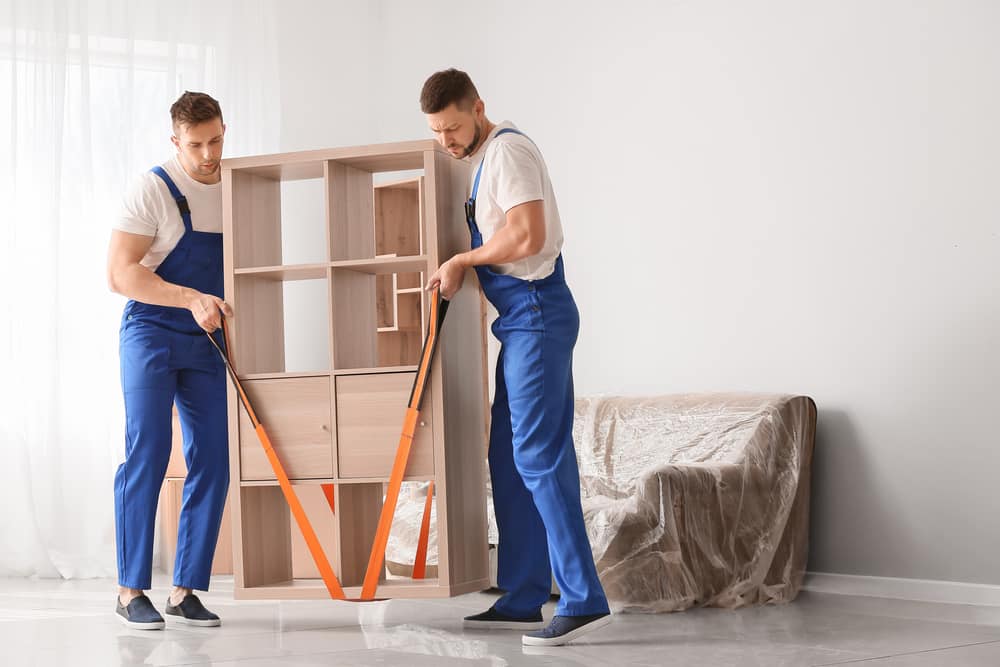
How to Move Heavy Furniture
Need to move heavy furniture? From safe lifting to smart tools, here’s how to make moving large items easier.
Guide to Packing A Home Office for Moving
Moving your home office? Discover tips for packing electronics, securing data, furniture disassembly, and more.
How to Move a Refrigerator
Relocating a refrigerator without hired movers? Follow these helpful steps for a safe, proper fridge removal.
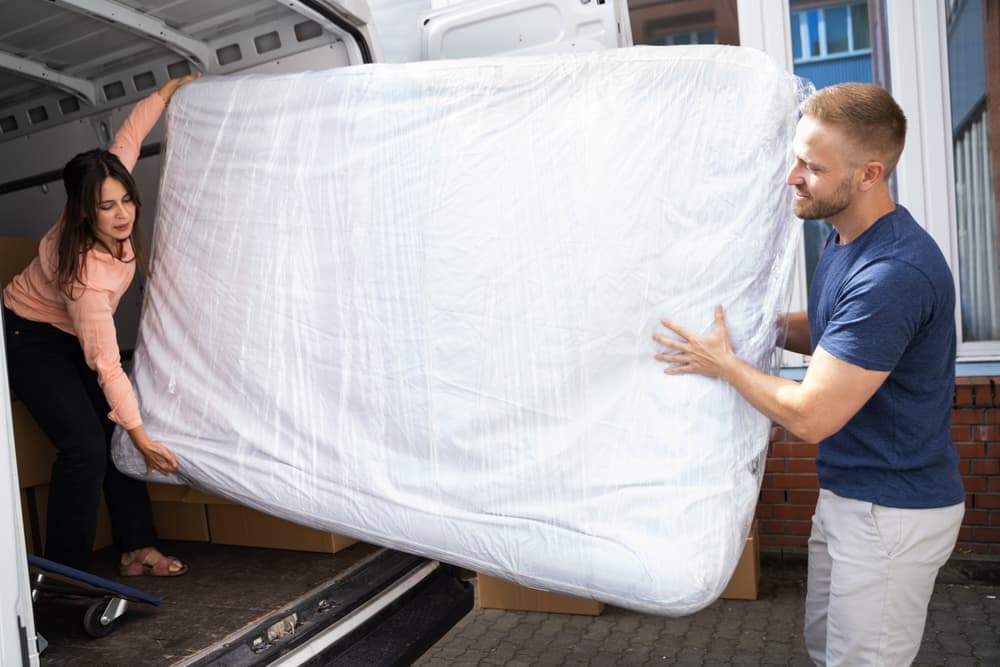
How to Move a Mattress by Yourself or With Help
Moving a mattress? Get expert tips for packing, loading, and transporting it to your new home. Plus advice for solo moves, cross-country moves, and more!

How to Pack a Moving Truck
Want to avoid damage while loading a moving truck rental? This is the best way to pack a moving truck.
Author Profile
Quinn Johnson
Quinn Johnson is a moving expert and author for Extra Space Storage. He's moved over 15 times, including internationally, and helped countless others between their own homes. He's happy to lift some boxes for a friend as long as he's paid in pizza. As a writer and content creator for Extra Space Storage since 2019, Quinn shares helpful moving tips and info to alleviate the common stresses of moving.