Moving Guide
How to Move Heavy Furniture
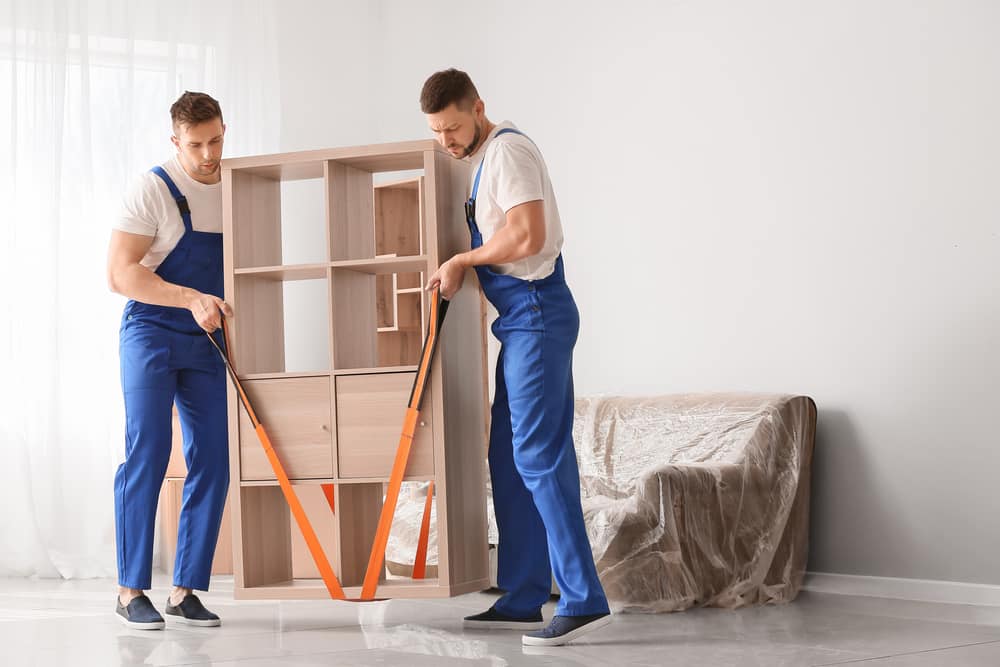
Moving large, heavy items like a sectional sofa, antique dresser, or refrigerator can feel daunting. But with a plan, the right gear, and proper lifting techniques, you can move heavy furniture safely and confidently as you efficiently pack room by room. Read our guide to learn essential tips for moving heavy furniture!
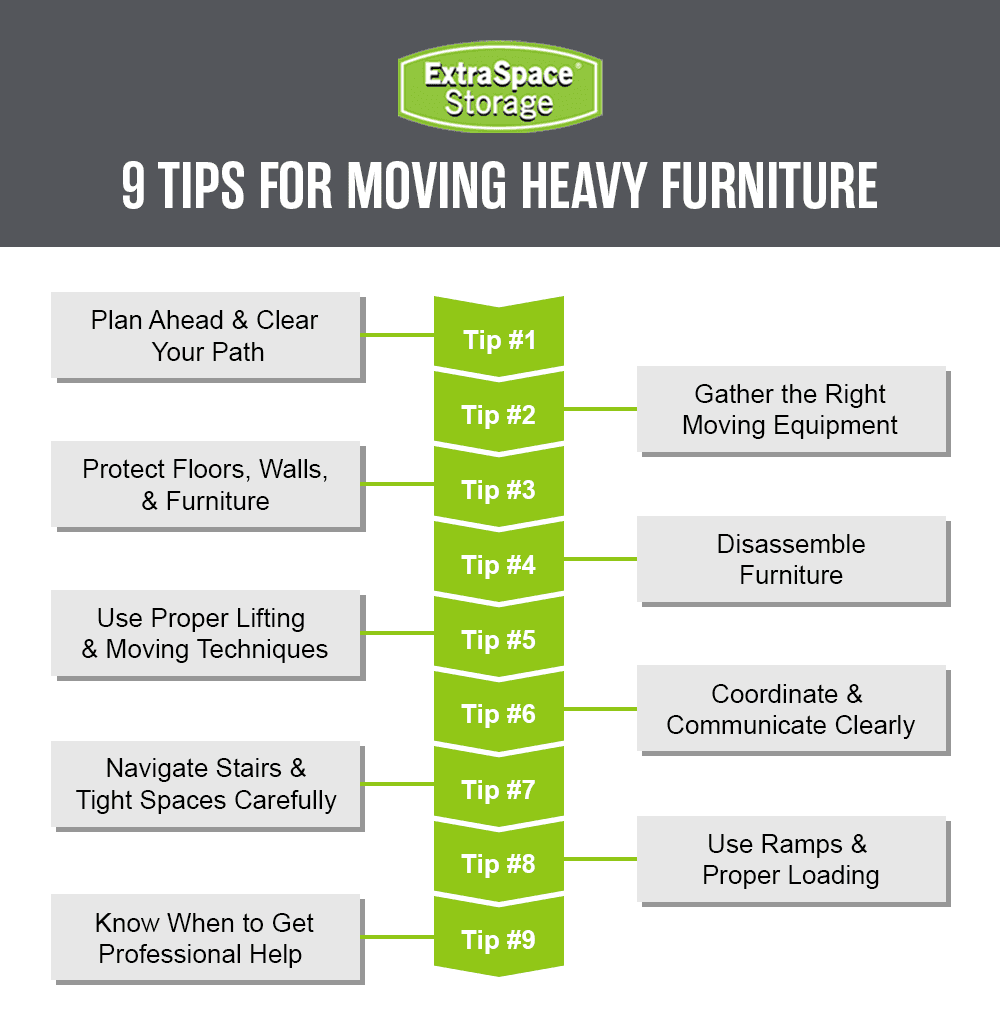
Plan Ahead & Clear Your Path
Preparing to move your heavy furniture rather than diving right in can help you save time, money, and effort. Take the following steps before beginning your move.
Take measurements: Compare the furniture’s widest points to that of doorways, hallways, and stairwells. If you need a few extra inches, you can remove doors from hinges or unscrew handrails.
Map the route: Walk the path from start to finish, noting tight turns or ceiling fixtures. Stash tools and hardware nearby so you’re not hunting for it mid‑lift.
Remove hazards: Roll up rugs, coil extension cords, prop doors open, and shift smaller items to the room’s perimeter to prevent trips.
Gather the Right Moving Equipment
Don't attempt to move heavy furniture without the proper equipment. Whether you borrow, rent, or buy this equipment, every dollar spent repays itself in injury prevention and protecting your items. Consider investing in the following supplies.
Furniture sliders: Hard plastic pads or thick felt squares reduce friction so you can glide a sofa across a carpet or hardwood floor without lifting it.
Dollies & hand trucks: Flat, four‑wheel furniture dollies work well for moving large, boxy items, while two-wheel or convertible hand trucks are great for moving tall appliances.
Lifting straps: Shoulder or forearm straps redistribute the load from the spine to the legs, allowing two people to hoist more weight while maintaining upright posture.
Moving blankets & padding: Proper padding—like moving blankets, old towels, or bubble cushion—helps prevent damage and can double as a slider on delicate floors.
Personal protective gear: Non‑slip gloves improve grip, closed‑toe shoes safeguard toes, and a supportive belt can stabilize the lumbar region.
Protect Floors, Walls, & Furniture
Moving heavy furniture can result in damage to the furniture itself or to your home's walls and floors—and it's easier to protect them than to repair them. To let you focus on form during the move, take some initial steps to protect the following things around your home.
Floors: Use cardboard, ram boards, or old quilts to create friction‑free lanes across hardwood and tile, and lay carpet runners to prevent fibers from snagging.
Door frames: Protect door frames with sliced foam pool noodles, cardboard, bubble wrap, or quilted padding.
Furniture: Wrap dressers, mirrors, and tabletops in moving blankets secured with stretch film or painter’s tape to protect them from occasional bumps.
Disassemble Furniture
Disassemble heavy furniture whenever possible to help reduce the weight of the items and make them easier to maneuver during your move. To stay organized so you'll be ready to reassemble the furniture at your new location, follow these tips.
Remove attachments: Take dresser drawers out, detach couch legs, and unbolt table tops from bases.
Bag & label hardware: Use zippered plastic bags with masking tape labels to hold screws and other hardware—and tape each bag to its matching furniture piece so they don't get lost in transit.
Photograph the process: Take photos before and during disassembly to keep track of where each piece belongs.
Bundle loose items: Secure cushions, bed slats, or shelves together with stretch film so nothing slips mid‑carry.
Find Affordable Self Storage Near You
Extra Space Storage has over 4,000 locations across the U.S. with friendly customer service, advanced security features, and affordable month-to-month rates.
- Save up to 40% off online
Use Proper Lifting & Moving Techniques
Using safe lifting and moving techniques is one of the most important steps to protecting yourself and your belongings when moving heavy furniture. Keep these tips in mind during the move.
Squat, don’t stoop: Bend your knees, keep your spine straight, and engage core muscles when lifting.
Keep the load close: The further an object is from your torso, the heavier it will feel, putting more strain on your lower back.
Lead with your legs: Straighten with your thighs and hips, not the waist, rising smoothly without sudden movements.
Avoid twisting your back: Pivot your feet rather than twisting your spine when turning.
Push, don't pull: Push heavy furniture whenever possible to reduce strain and work with gravity. Face forward, lean in, and use your legs. If pulling is necessary, stay upright, walk backward slowly, and keep your arms straight and core engaged.
Use sliders or blankets: Reduce friction for easier movement and less risk of sudden jerks.
Roll instead of carrying: When possible, load heavy furniture onto rolling dollies instead of lifting.
Coordinate & Communicate Clearly
When you're moving heavy furniture, teamwork is key. Make sure everyone is on the same page, takes their time, and keeps safety in mind. Here are some tips to help everyone work together smoothly.
Assign roles: Decide who will lead while lifting (usually the person walking forward) and who will follow.
Count together: Saying “One, two, three, lift” ensures synchronous movement. Repeat for resting or setting the furniture down.
Use the high‑low method for tall items: With this method, one person carries the low end of the object and one carries the high end, angling the item to match stair slopes or tight turns.
Talk through pivots: The forward‑facing mover can share information about the item's distance from walls and adjust angles while the rear partner relays weight changes.
Navigate Stairs & Tight Spaces Carefully
Moving furniture down stairs or through tight spaces demands patience, planning, and careful execution. Rushing the process can cause injury or seriously damage your furniture. Use these strategies to protect yourself and your furniture when space is limited.
Carefully navigate stairs: The lower carrier bears more weight, so assign this role accordingly. Step one stair at a time, pausing to breathe and adjust.
Angle through corners: Sometimes, standing a sofa on end and “hooking” it around the bend can help you navigate difficult angles.
Use landings as rest spots: Set the load down, reposition your hands, and communicate next moves.
Know when to retreat: If an angle feels off or grip slips, communicate, reorient, and try again—never force a tight fit.
Use Ramps & Proper Loading Procedures
Properly loading heavy furniture into your moving truck is important for protecting its structural integrity and preventing surface damage like scratches or gouges. Here’s how to load heavy items without causing damage.
Secure the truck ramp: Confirm the ramp is locked in place before stepping on it or rolling dollies up.
Load heaviest items first: Place dense items against the truck’s front wall to help balance weight and prevent sliding.
Tie down & pad items: Tie heavy furniture to anchor rails, then wedge softer belongings like mattresses or rugs into any gaps.
Distribute side‑to‑side: Even weight distribution helps keep the vehicle stable on turns and bumps.
Know When to Get Professional Help
While moving furniture without professional help is possible, sometimes hiring movers is the safest option for both you and your items. It’s also smart to keep a moving company’s number handy in case of last-minute complications. Here are some reasons you may want to consider hiring professional movers for your heavy furniture.
Exceptionally heavy items: Pianos, gun safes, slate pool tables, or oversized armoires are best left to specialists with lift gates and custom dollies.
Health considerations: Back issues, recent surgeries, and other physical limitations signal it’s time to hire labor.
Insufficient help: You should never move heavy furniture alone, and if you don't have enough help, hiring movers is the safer option.
Building restrictions: For liability reasons, some apartments or historic homes prohibit resident moves without the help of licensed movers.
***
Getting ready to move? Check out our free moving resources to help you plan your relocation! If you need a place to store furniture or other items during a transition or decluttering, Extra Space Storage has thousands of storage facilities throughout the U.S., offering secure storage units and flexible monthly leases. Reserve self storage near you today!

Essential Moving & Packing How-Tos

10 Tips for Moving Large Items
Wondering how to move large objects safely? Discover the 10 best tips for moving bulky items in this guide!

Tips for Packing & Moving a Flat-Screen TV
Moving homes and need to pack a flat-screen TV? Follow this guide on how to securely and safely prepare it for your move.
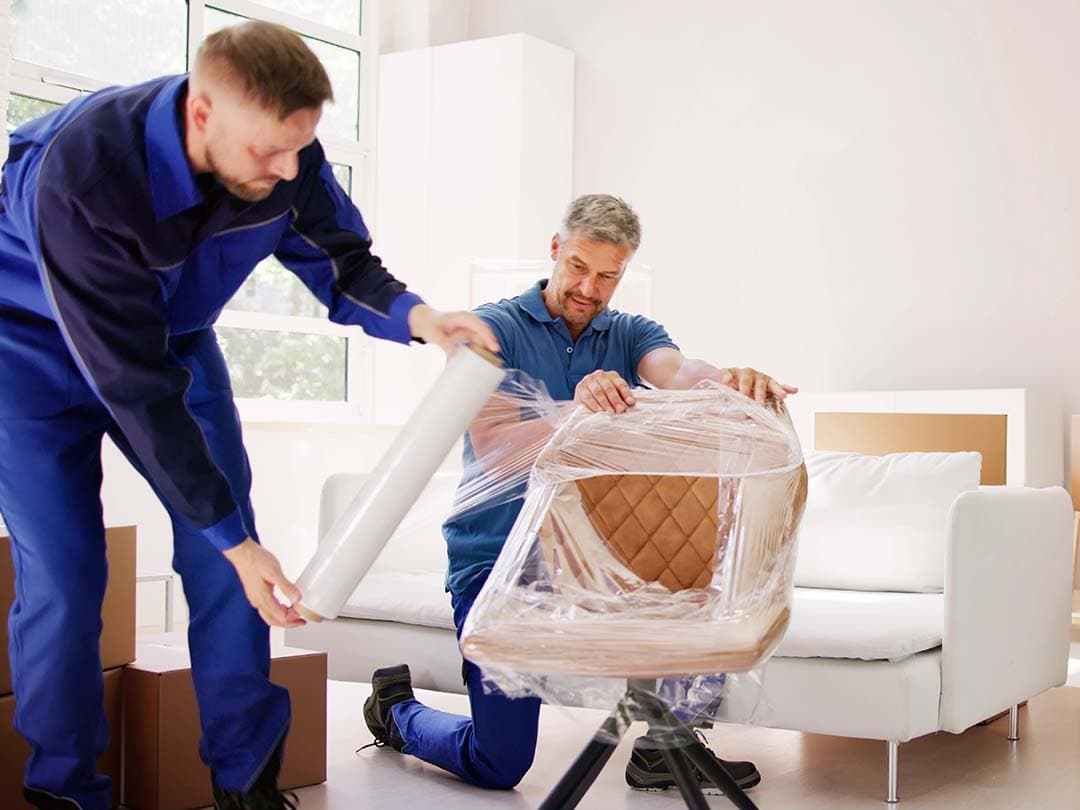
How to Wrap & Pack Furniture to Move
Moving soon and need to protect your furniture? Follow these steps to pack your couch, tables, chairs, bed sets, and other furniture.
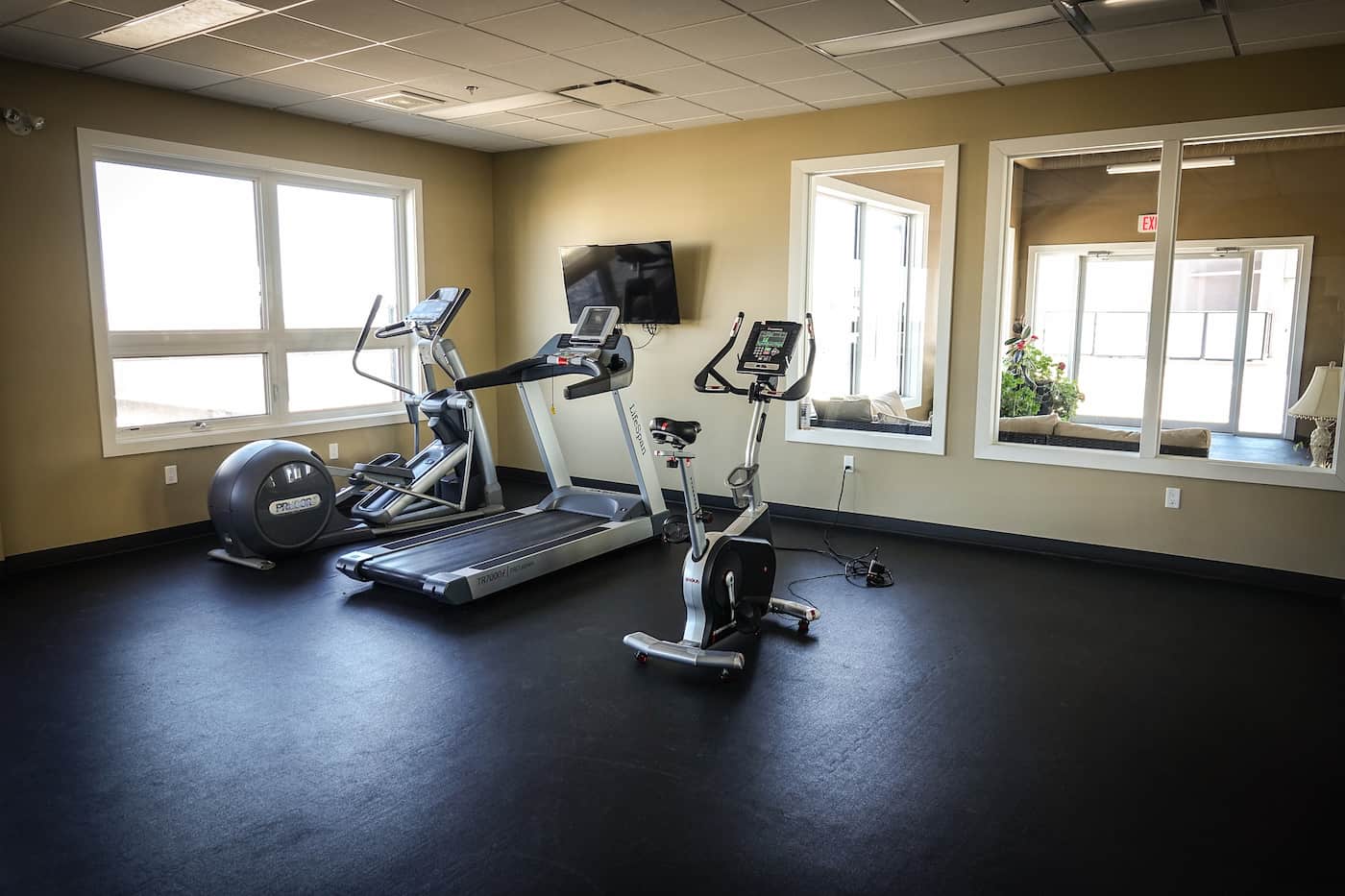
How to Move a Treadmill
Heavy, bulky, and expensive if hiring movers—here's how to move or dispose of a treadmill quickly and safely.

7 Steps for Packing Paintings & Artwork for Moving
Whether you’re an artist or collector, it’s important to protect your art from damage and depreciation. Here’s how to pack paintings and artwork for moving!
Author Profile
Quinn Johnson
Quinn Johnson is a moving expert and author for Extra Space Storage. He's moved over 15 times, including internationally, and helped countless others between their own homes. He's happy to lift some boxes for a friend as long as he's paid in pizza. As a writer and content creator for Extra Space Storage since 2019, Quinn shares helpful moving tips and info to alleviate the common stresses of moving.