Moving Guide
A Guide to Moving Blankets & Furniture Pads
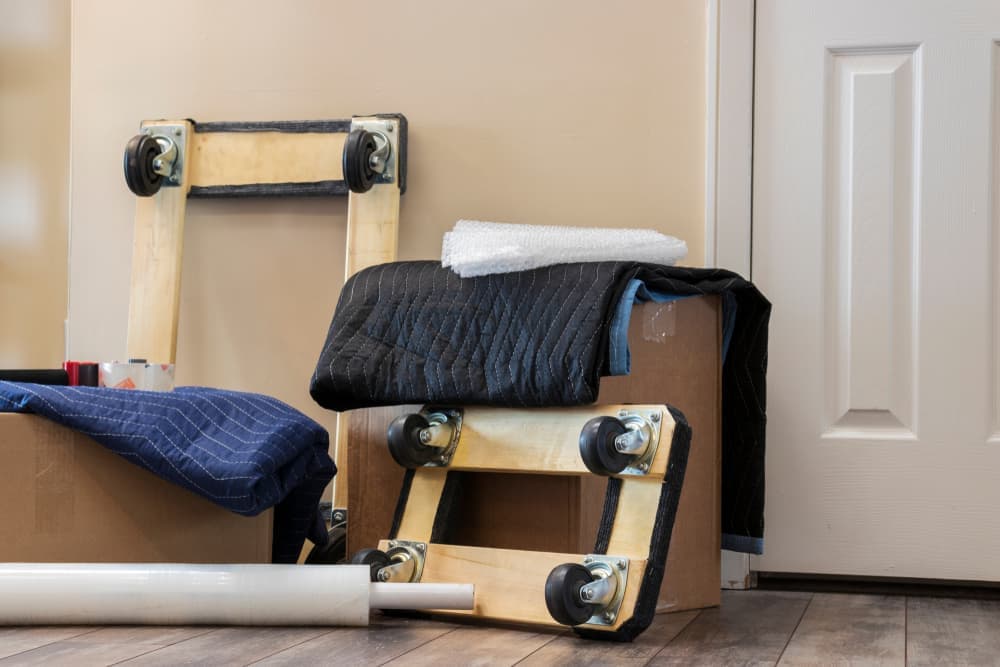
Whether you're doing a cross-country move or local relocation, moving to a new home is an exciting journey that can also feel overwhelming. One key to a smoother, damage-free move is using the right moving supplies—particularly moving blankets—which can protect your furniture and belongings from scratches, dirt, and damage. This guide will walk you through everything you need to know about moving blankets and furniture pads so you can feel confident and prepared on moving day.
What Are Moving Blankets & Furniture Pads?
Moving blankets (also known as furniture pads or moving quilts) are thick, protective cloths specifically designed to shield household items during a move. Typically made of heavy materials like cotton, polyester, or a blend, they often with an inner padding or batting for additional cushioning held together by a quilted, zig-zag stitching pattern. This adds strength and makes it rip-resistant and allows it to be more secure around the furniture. Ultimately, moving blankets are used to absorb and even withstand jostling or bumps that would instead damage non-protected furniture during shipment or while moving.
Key characteristics of moving blankets and furniture pads:
Thick & Cushioned: Unlike regular household blankets and even quilts, these are thicker, with padding that absorbs shocks and bumps and acts as a buffer between your furniture and any hard surfaces or other items.
Durable Fabric: Most are made from sturdy woven fabrics (e.g., cotton/polyester blends or even recycled denim fibers) that resist tearing and fraying. The durable material ensures they can be used multiple times without falling apart.
Large Size: Standard moving blankets are often about the size of a queen mattress or larger, roughly 68"x 85" or 72” x 80”. This large surface area is big enough to wrap most furniture pieces completely, providing 360° protection.
No Built-In Fasteners: They typically don’t come with straps or velcro attached. You secure them around items using tape, stretch wrap, or elastic straps. Having no built-in fasteners makes them versatile for wrapping items of various shapes.
Two-Sided Design: Many moving blankets have two different-colored sides—often a lighter side and a darker side. As a useful tip, place the lighter side against your furniture (especially if you have light-colored upholstery) and let the darker side face outward. This helps prevent any color transfer to light fabrics and also makes it easy to see which side is touching the item.
Why Use Moving Blankets for Your Move?
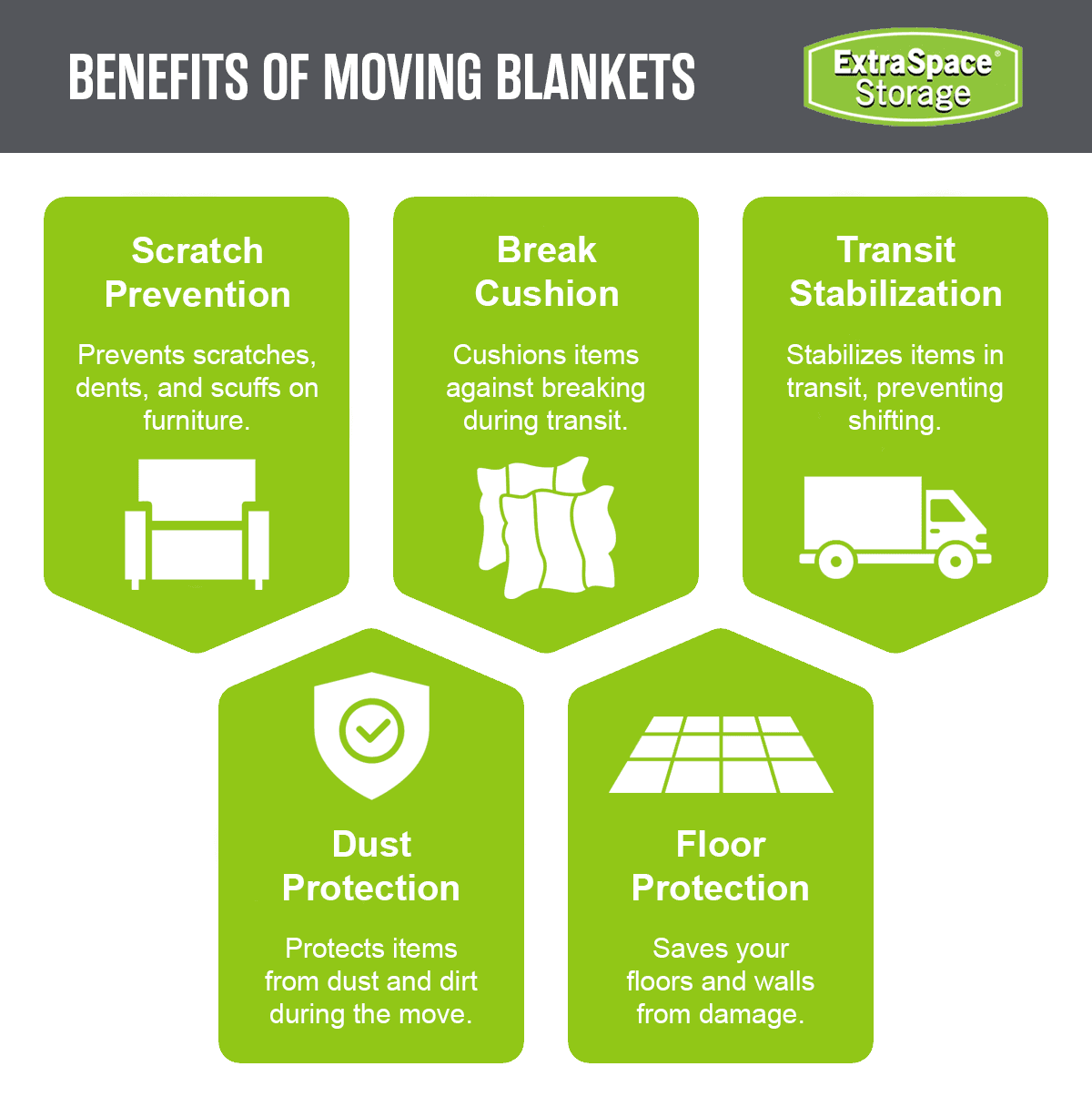
You might be wondering if moving blankets are really necessary, especially if you’re trying to DIY your move on a budget. Yes, they’re worth it. A few well-placed furniture pads can save you from the heartbreak of finding gouges in your antique wood dresser or a big scratch across your flat-screen TV. Here are the main reasons why moving blankets are a must-have for a safe, stress-free move.
Prevent Scratches, Dents, & Scuffs
During a move, items can rub or bang into each other or the walls of the truck. A thick moving blanket provides a cushioned layer that absorbs impacts and friction. For example, wrapping a wooden table or a stainless steel fridge in a furniture pad means that when it brushes against a door frame or another item, the blanket takes the scuff instead of the furniture surface. This helps prevent scratches, dings, and dents on both your furniture and your home’s walls and floors.
Protect from Dust & Dirt
Moves can get messy. As you carry things out, you’ll stir up dust bunnies that have been hiding under the couch, and moving trucks or storage units aren’t always clean environments. Moving blankets act as a barrier to keep dust, dirt, and grime off your items. For instance, covering your sofa and mattresses will keep them from picking up dirt on the way out of your old place and into your new one. They also guard against fingerprints or grease smudges if you or your helpers have to handle things like a bicycle chain or tools on moving day.
Cushion Against Breakage
Not only do pads shield surfaces, but they also add a layer of cushioning to delicate items. If you have fragile pieces (e.g., picture frames, mirrors, or lamps), wrapping them in a moving blanket gives extra shock absorption. Even inside boxes, you can add pieces of the blanket to pad the sides. This helps prevent something with a sharp corner from punching through a box and breaking a fragile item next to it.
Save Your Floors & Walls
Moving blankets protect your house as much as they protect your furniture. Dragging heavy furniture across a bare floor can leave scratches or snags in carpet. But if you place a furniture pad underneath a heavy dresser or washing machine, it can slide more smoothly without scraping the floor. Likewise, covering sharp furniture edges or legs with a blanket while carrying them through doorways can prevent gouging the door frame or scratching paint on the walls.
Stabilize Items in Transit
Once everything is in the truck, you don’t want it shifting around. Professional movers often wedge folded moving blankets into gaps between furniture and boxes to keep things snug and immobile. If you select the right size moving truck and subsequently pack that moving vehicle, you can do the same. Filling those small gaps with rolled-up pads or even just draping a blanket over the top of a load before securing it with tie-down straps can keep items from sliding. This added stability during transport means a much lower chance of items toppling or bumping hard into each other on the road.
Peace of Mind
Perhaps the greatest benefit is the confidence you'll have. Moving is stressful enough without worrying about every nick and scratch. By wrapping your belongings in quality moving pads, you can drive to your new home knowing you’ve done everything possible to protect them. That peace of mind is priceless on a hectic moving day.
Types of Moving Blankets
Not all moving blankets are identical. They come in a range of weights, materials, and even alternatives like paper pads. Here’s a quick rundown of the common types and key features to consider.
Paper Pads
These are essentially heavy-duty 3-ply paper sheets that can be used similarly to moving blankets for certain items. They’re not actually blankets, but they’re a budget-friendly option for one-time use. Paper pads are great for wrapping things like mirrors, framed art, or covering furniture for painting/renovation projects. They don’t provide cushioning like a cloth blanket would, but they do protect from scratches and dust. If you have a lot of delicate wood furniture surfaces or picture frames, paper pads can be an extra layer over them (or you can put a paper pad under a moving blanket to keep the blanket clean).
Lightweight (Economy) Moving Blankets
Usually the most affordable option, economy moving blankets are thinner pads, often made with non-woven polyester or a blend of recycled materials. Light-duty blankets work well for shielding items from surface scratches or dust, but they have less padding. If you have a short move or items that aren’t extremely heavy or valuable, economy blankets can do the job. Just manage expectations: a lightweight, thin blanket might tear more easily and won’t absorb big impacts as well as thicker ones.
Heavy-Duty Quilted Moving Blankets
These are premium furniture pads that professional movers favor for high-value pieces. They are thick, multi-layered blankets with durable woven fabric on the outside (often a cotton-poly blend) and substantial batting inside for cushioning. Heavy-duty pads often have reinforced binding on the edges and zig-zag stitching across the surface to prevent the padding from shifting or coming loose. These “best” quality blankets are snag-resistant and tear-resistant, making them ideal for protecting antiques, appliances, or any items you plan to store long-term. If you anticipate multiple moves or want blankets you can reuse many times, investing in heavier blankets is worthwhile.
Standard vs. Quilted Pads
Some companies label their basic moving blanket as a “Furniture Pad” and their thickest version as a “Quilted Pad.” For example, a company might offer a standard furniture pad that is lightweight and easy to handle and a quilted pad that is larger, heavier, and made from compressed cotton for maximum protection. In general, quilted pads are thicker and better for long-term use or storage, while standard pads are fine for everyday moving needs.
What to Consider When Choosing Your Moving Blankets
Choosing the right type of furniture pad for your needs will depend on your budget and what items you need to protect. Consider the factors below to evaluate what you need.
Size
Most moving blankets come in a standard large size—around 6 feet by 7 feet. This fits over items like dressers, appliances, and sofas. Some specialized pads or covers are made for specific furniture (like padded covers shaped for armchairs, couches, or mattresses), but for typical use, the standard size works for most things. If you have an exceptionally large piece (e.g., a giant sectional sofa), you might need more than one blanket to cover it fully, overlapping them.
Weight & Thickness
Moving blanket quality is often measured by weight. Economy blankets might weigh around 3 to 4 pounds each, whereas premium ones can be 7 pounds or more. Heavier usually means thicker padding and more protection. However, heavier blankets are also bulkier to handle. If you’re moving solo, a lighter blanket might be easier to maneuver around that big wardrobe, but you’ll sacrifice a bit of protection. Choose based on your comfort and the fragility of the item.
Material & Color
Blankets made with cotton usually have a softer touch and are very gentle on fine finishes, whereas those with more polyester might be a bit slicker or stiffer but are very durable. If a moving blanket has rich-colored fabric (e.g., deep blue or black), there’s a slight chance the dye could rub off on very light-colored upholstery under certain conditions—especially if the blanket gets damp. This is rare with quality pads, but to be safe, use the faded or lighter-colored side on light furniture, or place a layer of plastic wrap or a sheet over light fabric before the blanket. Most people don’t encounter color transfer issues, but it’s good to be mindful if you’re wrapping a white sofa with a brand-new dark navy moving blanket.
Find Affordable Self Storage Near You
Extra Space Storage has over 4,000 locations across the U.S. with friendly customer service, advanced security features, and affordable month-to-month rates.
- Save up to 40% off online
How to Use Moving Blankets & Furniture Pads Effectively
Knowing the proper way to use moving blankets will ensure you get maximum protection. While not difficult, a few simple techniques can make a big difference. Below is a step-by-step guide on wrapping your furniture with moving blankets, followed by extra tips for tricky situations.
Prepare the Item
Before wrapping, remove any loose parts from the item if possible (e.g., take out shelves from bookcases, remove cushions from couches, secure cords or wires on appliances with a twist-tie or tape, etc.). This prevents those parts from moving around under the blanket or causing scratches.
Drape the Blanket Over the Item
Open up the moving blanket fully and gently drape it over the item you want to protect. Center the blanket so it's evenly covering all sides. Large pieces might need two or more blankets. Overlap them by at least a foot so there aren’t gaps. For tall items, you might wrap one blanket around the top and one around the bottom.
Ensure Full Coverage
The item should be completely covered, like a gift wrapped in a soft quilt. Pay special attention to corners and edges—make sure they’re well padded, as those spots are most likely to get bumped. If one blanket isn’t enough to cover an entire piece, use an additional blanket to cover any exposed areas. There’s no harm in using extra padding if you have it.
Secure the Blanket in Place
This step is crucial so that the pad doesn’t slide off. Use stretch wrap (plastic stretch film) or heavy-duty packing tape to tightly secure the blanket around the object. Stretch wrap is ideal because it sticks to itself and leaves no residue on your furniture—you simply wrap the plastic around and around the blanketed item, going top to bottom, until the blanket is held firmly. If you use packing tape, try not to stick tape directly to furniture surfaces (only to the blanket) to avoid damage. Another option is large rubber moving bands or bungee cords designed for this purpose. The goal is to wrap the item tightly enough that the blanket won’t slip off in transit.
Handle with Care
Once wrapped and secured, lift or slide the item as needed. The blanket will protect it from bumps, but you should still be careful with very fragile pieces. Use dollies or furniture sliders for heavy items whenever possible, even when they’re padded. When loading into the truck, you can now confidently place the item against other objects or truck walls—the padded blanket is acting as a protective buffer.
Stack & Tie Down in the Truck
After everything is padded and loaded, use straps or rope to tie your items down in the truck so nothing shifts. As mentioned earlier, you can also fill in any gaps between items with extra folded blankets to keep things snug. For example, if there’s a small gap between your couch and a dresser, that’s a perfect spot to cram a folded furniture pad. It will prevent those items from sliding into each other during a sharp turn or sudden stop.
Additional Tips & Tricks to Using Moving Blankets
Use Them as Floor Runners: Lay or tape a moving blanket on the floor in hallways or door entrances to protect the flooring as people walk in and out with heavy boxes. This also helps keep dirt or mud off carpets if you're
Slide Heavy Furniture Across the Floor: A furniture pad under a heavy piece can help it slide across hardwood or tile floors without scratching them, effectively turning it into a makeshift sled. If you're moving a refrigerator or something else extremely heavy, put a moving blanket on the floor in front of it, tilt the fridge gently, and slide it onto the blanket, then pull the blanket. This can save your floors and your back (but always have a helper for very heavy items and be mindful of weight distribution to avoid tipping).
Slide Items Down the Stairs: You can also use padded blankets to help slide certain furniture down stairs carefully. For instance, a sturdy dresser that’s completely wrapped in blankets can sometimes be eased down a short flight of stairs by sliding it on the blanket, with one person guiding from above and one below.
Warning: Only do this for solid items and if you feel confident. Fragile or high-center-of-gravity items shouldn’t be slid as they could tip. When in doubt, carry items or use proper moving equipment.
Protect Doorways & Banisters: You can tape or clamp moving blankets around door frames, stair railings, or banisters to avoid scratches when large furniture is being maneuvered through. Many moving companies actually sell special padded covers for door jambs and banisters. A regular moving blanket and some tape can achieve a similar protective effect in a pinch.
Avoid Common Mistakes: Don’t just drape a blanket over furniture without securing it, or it will likely slip off at the worst moment (like when carrying a sofa through a doorway). Also, take care that no part of the furniture is left exposed. A single chair leg sticking out of the pad could scratch something. Take the time to fully wrap and secure each item.
Mark Your Blankets: If you buy new moving blankets, consider getting a color or pattern that’s distinct (or label them with your name) if you hire movers or have friends helping. That way, you can ensure you get all your blankets back at the end of the move. It’s surprisingly easy for a helper to accidentally leave a blanket at the old house or in the moving truck. Keeping track of them will save you money and allow you to reuse them.
How Many Moving Blankets Do You Need?
There’s no one-size-fits-all answer to how many moving blankets you need because it depends on how many belongings you have that need the protection and how big the items are. However, there are some guidelines you can use to estimate:
1+ Blanket per Large Item: A good rule of thumb is to have at least one moving blanket for every large piece of furniture or appliance you plan to move. Think sofas, mattresses, dressers, desks, TVs, washing machines, etc. Each of those should be protected by its own blanket (or more if needed).
Extra Pads for Especially Bulky or Fragile Furniture: If an item is very large (e.g., a king-size headboard or a dining room table), you might need two or even three blankets to cover it fully. Also, if something is delicate or valuable, double-wrapping with two blankets gives extra cushion.
Don’t Forget Smaller Items: We often focus on the big things, but smaller pieces of furniture can use protection too. Chairs, side tables, and lamps can be wrapped in half or quarter pieces of a blanket, or you can get smaller-sized moving pads for them. If you have leftover blankets after covering the big items, use them on these smaller objects or as layers between items in the truck.
Consider the Truck Size: A larger moving truck (for a big household) will have more empty space to pad than a small van. If you’re renting a 20-foot truck and moving a whole house, you’ll likely need a couple of dozen moving blankets to have enough for everything and to fill gaps. Many truck rental companies recommend a minimum of one dozen pads for small moves and upward of two to three dozen for larger moves. Having plenty on hand is better than running out.
Walk Through & Count: The simplest method is to do a quick inventory of your home. Walk room by room and write down each furniture item or large object. For each, mark down how many blankets you think it would take to cover it. Don’t forget things outside typical furniture, like a lawn mower or grill, as they can also be wrapped to prevent grease or dirt from spreading. Add up your tally and then add a few extra blankets to that number. It’s always safer to have an extra pad or two for last-minute needs.
Renting vs. Buying Moving Blankets
Now that you know how many you need, the next question is how many will your moving budget allow? Depending on where you go, you can purchase or rent them. Each has its advantages, so let’s explore which might be best for your situation.
Renting Moving Blankets
If you’re doing a one-time move and don’t foresee needing furniture pads again soon, renting can be very practical. Most truck rental companies offer moving blankets as an add-on when you rent a truck. Typically, you can rent a dozen or so furniture pads for a set price and simply return them with the truck. This saves you from having to store the blankets afterward or invest a lot of money upfront. You can also sometimes rent pads without a truck from moving supply companies or local movers. Renting is budget-friendly, but keep in mind rented blankets may be a bit worn. They’ll still do the job, though, and it’s an eco-friendly way to use a product that gets reused many times.
Buying Moving Blankets
If you anticipate moving again in the future or you have some immediate alternate uses for the pads, buying might be a better value long-term. You can purchase moving blankets from various places: moving supply stores, hardware/home improvement stores, or online retailers. Prices can range from affordable economy blankets to more expensive professional-grade ones. For most home moves, mid-range blankets work well and don’t break the bank. Buying is also a good option if you want a specific quality of blanket. For instance, if you need the thickest possible pads for heirloom furniture, purchasing those gives you full control over what you get. And once you own them, you’ll find they come in handy beyond just moving.
Finding Used Moving Blankets
If you have friends or family who moved recently, they might have a stash of moving blankets they’d loan or give you. It’s worth asking around, as many people who buy moving pads are happy to lend them out. Some local online marketplaces even have used moving blankets for sale at a discount. Just ensure any used blankets are clean and in good condition. Watch out for nails or debris stuck in them that could scratch your furniture.
Utilizing Alternative Materials
In a pinch, you can supplement with items you already own. Thick comforters, old quilts, towels, and even area rugs can serve as furniture padding if you run short of moving blankets. They might not be as easy to handle or as protective as a true moving pad, but they can fill gaps or add layers. Just remember to secure them well because slick fabrics might slide off more easily. If you use your personal blankets or linens, place them in garbage bags or plastic wrap them once around to keep them from getting dirty or damaged during the move.
Ways to Reuse Moving Blankets After Your Move
One great thing about investing in moving blankets is that they’re far from single-use purpose. After you’ve settled into your new home, those furniture pads can still be incredibly useful. Rather than having them gather dust in a closet, consider these creative uses for moving blankets.
Storage Protection
If you’re placing items in a storage unit or your garage, cover them with moving blankets to keep dust and moisture off. This is essentially continuing their moving-day role, just for storage—an easy way to keep items in top condition until you need them again. For example, if you’re storing a wooden dining table in the basement, a moving blanket will protect the finish and also guard against any scratches if other things bump into it.
Sound Insulation
Believe it or not, those thick blankets can help dampen noise. Hang a moving blanket on a wall or door to muffle sounds between rooms, or lay one on the floor to absorb echoes. Musicians sometimes use furniture pads as makeshift soundproofing! If you have a noisy appliance or want to create a mini music studio in the garage, your moving blankets could help reduce the noise. Just remember, true sound blankets are made for this purpose, though moving pads can offer a bit of noise reduction as a quick fix.
Pet Accessories
Pets can benefit from old moving blankets, too. You can line a dog crate or the back of your SUV with a furniture pad to give your pet a cushioned, secure ride. The heavy material is also durable against claws. And since moving blankets are usually washable or at least easy to hose off, they make for good protective covers. Some pet owners use them as seat covers to protect car upholstery from pet hair and dirt—simply lay a folded moving blanket over the car seat when taking Fido to the park.
Home Projects & Remodeling
Next time you paint a room or do a DIY project, grab a moving blanket to use as a drop cloth. They’re perfect for covering flooring or furniture to catch paint drips and debris. If you’re doing a messy project in the garage or yard, you can also kneel or work on a moving blanket to stay comfortable and clean. Because they’re thick, they won’t tear easily and they’ll protect surfaces better than a thin plastic drop cloth. And after the project, just shake them out or wash if needed.
Camping & Outdoor Use
Moving blankets can double as durable, easy-to-clean picnic blankets or camping pads. They also provide more padding than a regular blanket if the ground is rocky. At a campsite, you can put a furniture pad under your sleeping bag for extra insulation from the cold ground, or use one to cover picnic tables/benches. Because they’re thick, they even help block dampness from the soil.
Emergency Car Blanket
Keep one in your vehicle for emergencies. A moving blanket in the trunk can serve as a warm cover if you’re stuck in the cold, a knee pad if you need to change a tire, or something to put under your wheels for traction if you’re stuck in mud or snow. It’s a handy all-around utility blanket to have available.
Donations or Lending
If you truly have no use for your moving blankets after everything is settled, consider donating them. Many charities, animal shelters, or community theaters can make use of old furniture pads. By donating, you’re extending their life and helping someone else, which is a great way to recycle a product that’s built to be reused! You can also lend them to friends for their moves, and you’ll be a hero when they realize they don’t have to buy or rent pads because you have extras to share. ***
Need moving supplies or storage during your move? Find an Extra Space Storage location near you!
Related Moving Resources

How to Choose the Right Moving Company
Whether you're on a budget, moving cross-country, or need full-service assistance, here's how to choose the right moving company for your relocation needs.

How Much Does it Cost to Move?
Learn the cost of moving, from hiring professional movers to cross-country moving costs and more, with our complete guide to moving costs.

Pros & Cons of Hiring a Moving Company
Preparing to move and considering hiring movers? Explore the pros and cons in this guide to determine whether you should hire movers or DIY your move.

Important Questions to Ask a Moving Company Before Hiring
Wondering what questions to ask moving companies? Review these helpful moving questions to avoid delays or damaged belongings for a smooth move.

How to Protect Your Furniture When Moving
Whether you're moving across the country or relocating to a nearby area, our tips to protecting your furniture can help you doing your move!
Author Profile
Quinn Johnson
Quinn Johnson is a moving expert and author for Extra Space Storage. He's moved over 15 times, including internationally, and helped countless others between their own homes. He's happy to lift some boxes for a friend as long as he's paid in pizza. As a writer and content creator for Extra Space Storage since 2019, Quinn shares helpful moving tips and info to alleviate the common stresses of moving.