Moving Guide
How Much Does It Cost to Move?

Moving to a new home is an exciting chapter, but one big question looms for many people: How much does it cost to move? Understanding the costs of moving—whether you're moving locally or long distance—is crucial for planning a stress-free relocation. By knowing what factors affect your moving company quote—from moving distance to extra services—you can plan ahead and avoid surprise costs. In this guide, we’ll break down typical moving costs when hiring professional movers in the U.S. and offer tips to help keep your relocation affordable.
Key Takeaways
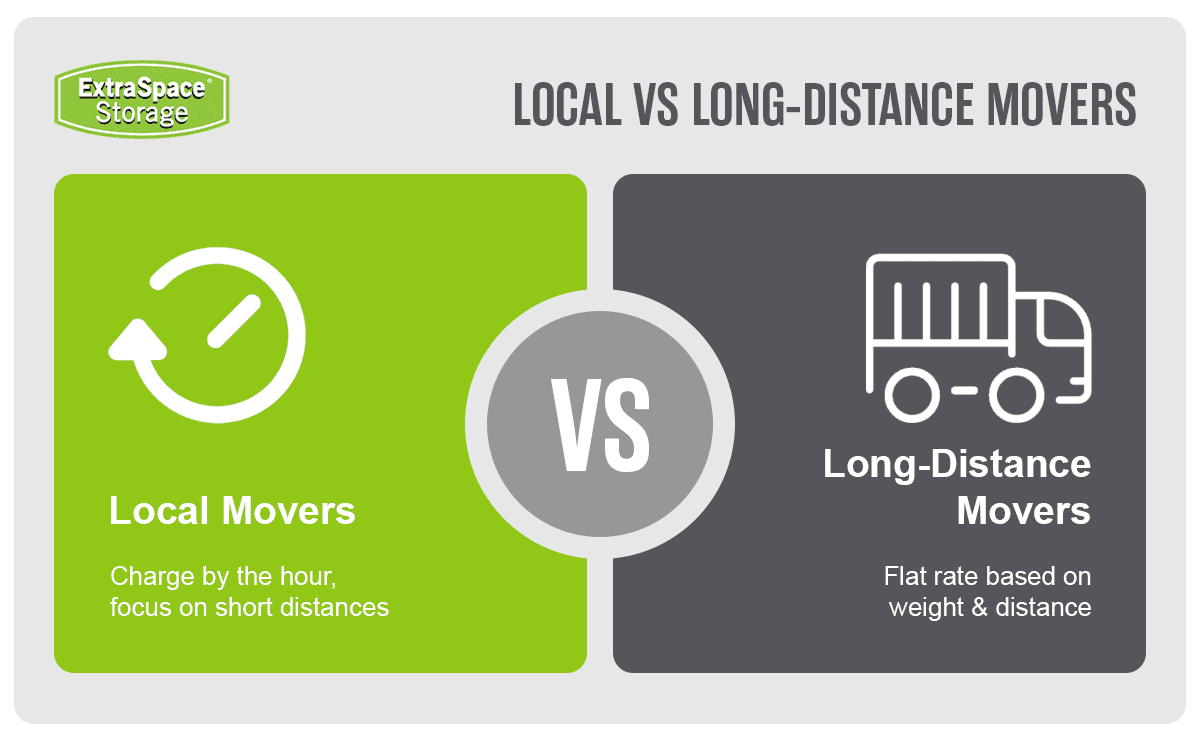
Different Pricing Models: Local moves are billed hourly, while interstate moves have flat rates based on weight of your cargo and mileage between homes.
Smaller Moves Are Less Costly: Two-person moving teams can usually complete small apartment moves in about four hours, while larger homes will typically be charged for more labor and time.
Cross-Country Moving Costs More: In addition to paying for the handling of more complex logistics, prepare for extra costs for accommodations, fuel, and meals on a multi-day moving journey.
Speciality Items Add Costs: Moving a piano, safe, hot tub, or other very large or heavy specialty item will likely carry an additional flat fee on top of the move's base price.
What to Consider When Calculating How Much It Will Cost to Move
When you hire professional movers, your total moving cost is made up of several components, largely determined by the distance of your move and the size or weight of your packed items. When hiring professional movers, these are the main factors that will affect the final cost.
Moving Distance & Amount of Belongings
The top determiner of what your final price will be when relocating with professional movers is the distance between your old home and new home. That said, how far a home's contents are being moved goes hand-in-hand with the amount of belongings you are moving. In general, local moves (i.e., relocations within the same city or under ~50 miles) are charged differently than long-distance moves, and smaller homes cost less to relocate than a multi-bedroom house. Learn more below.
Local Moves
For short distances, local moving companies usually charge an hourly rate for a crew and truck. This rate can range roughly from $50 to $200 per hour depending on how many movers and trucks are needed. A local move can average around $1,400 (for short distances). The size of your home matters because more rooms or belongings means more work hours. For example, moving out of a studio apartment will be much cheaper than moving from a 4-bedroom house to the other side of town. For moving costs tailored to your specific needs, fill out our moving calculator.
Long-Distance Moves
A long-distance move is typically defined as any move over 100 miles and can include interstate moves (between two states) and cross-country moves. Under FMCSA rules, interstate moving rates are based solely on shipment weight, not hourly rates. This flat rate model is better for customers because:
Fuel, distance, drive time, overnight stays & labor are all included
You don't pay more because of a traffic jam, accident, or weather delay
The move is scheduled with staff based on actual workload, not guesswork
It prevents predatory practices like adding charges mid-route
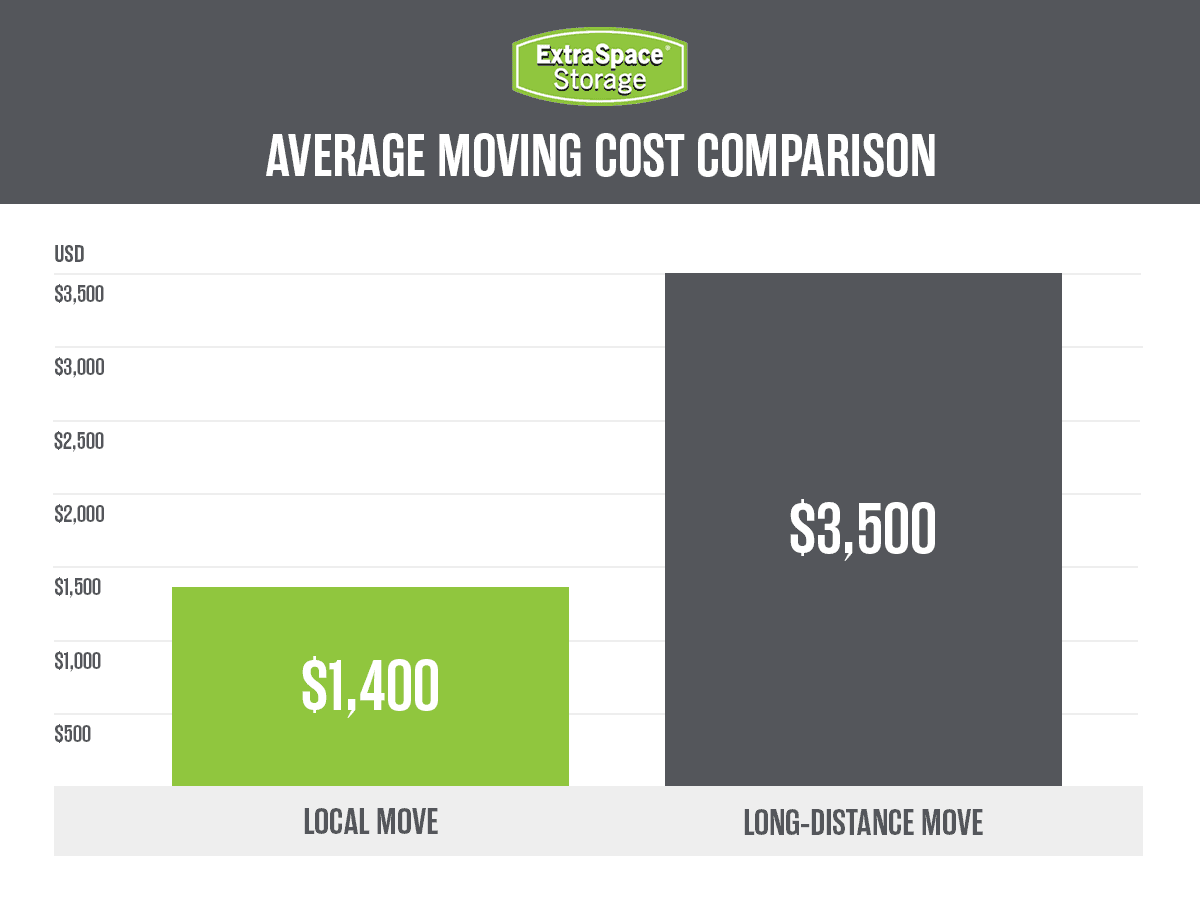
Long-distance moves average about $3,500—though cross-country moves costs can climb well beyond that depending on mileage. If you have a larger space, like a standard two or three-bedroom home, moving within the same city costs about $2,300 on average, while the same move over 1,000 miles is around $4,300. Here are some examples of estimated long-distance moving costs for three-bedroom homes in different markets:
From | To | Distance | Cost |
2,800 miles | $3,000 - $18,000 | ||
2,900 miles | $3,000 - $18,000 | ||
Atlanta, GA | Phoenix, AZ | 1,850 miles | $6,000 - $13,000 |
Boston, MA | Denver, CO | 1,970 miles | $7,000 - $14,000 |
For moving costs tailored to your specific needs, fill out our moving calculator.
Specialty Moving Additions
Beyond base moving costs and optional packing or storage services, additional fees may apply depending on your situation. Ask your moving company about potential extra charges when requesting a quote. Reputable movers will clearly explain any fees, as unique circumstances or special services can increase the overall cost. Here are some common additional fees to plan for:
Specialty Item Handling: If you have large, heavy, or delicate items like a piano, pool table, hot tub, or antique furniture, movers may charge an extra fee to handle them. Moving bulky items often requires special equipment or extra crew members for added safety. For instance, moving a grand piano or a bulky safe isn’t part of a standard quote—it’s an added service because of the weight and care needed, and costs anywhere from $100 to $1,000, depending on the item.
Long Carry or Stair Fees: Does your home have a long walkway or lots of stairs? If the movers have to carry items a significant distance from your door to the truck—typically over 50 to 75 feet—or navigate multiple flights of stairs, there might be a surcharge known as a long-carry fee or stair fee. Standard long carry fees for moving range from $75 to $300 per mover or per location. This compensates the crew for the extra time and effort. Similarly, if an elevator reservation is required or there are other access challenges—like narrow streets where a smaller shuttle truck is needed—there could be an extra charge.
Furniture Disassembly & Reassembly: Large, bulky or fragile furniture items may need to be disassembled before a move and that can range from $50 to $150 per hour. Determine if convenience justifies the added cost of this service for your situation.
Insurance Coverage: Basic moving insurance is usually included with professional moving services but only covers a minimal amount—around 60 cents per pound per item. For better peace of mind, you can purchase full-value protection from the moving company or a third-party insurer. The price might be a flat fee or a percentage of the declared value of your goods. Moving insurance can cost $215 to $2,500, depending on the type of coverage you choose. If you have a lot of high-value items, the extra insurance cost could be worth it. Always ask your professional movers what insurance is included and get the added costs upfront. Use our moving insurance guide to estimate the cost for protecting your items.
Disposal Fees: If you have old furniture or appliances you don't want to take with you to your new home, some movers offer junk removal for an extra price. Costs can vary widely anywhere from $60 to $800, depend on the type and amount of items being removed.
Other Factors That Affect Your Total Moving Cost
Labor: Labor shortages, as well as experience and training for staff, have increased the average hourly rate for movers, which plays a role in the cost of the move.
Fuel or Travel Surcharge: Gas and diesel have increased in recent weeks, with prices changing day to day and varying throughout the country. This directly affects moving companies, as fuel surcharges are standard on long-distance interstate moves, costing an average of 8% to 18% of the base moving rate. For example, on a $5,000 base moving rate, you can expect a fuel surcharge of roughly $400 to $900. Some providers will increase the cost of your move if diesel prices rise between your reservation time and the moving date. Before booking, request a detailed breakdown of your mover's fuel surcharge and toll policy.
Weigh Stations: State laws dictate whether your moving truck needs to stop at a weigh station. Talk to your moving company about how they handle any weighing fees incurred along your route.
Extra Stops: If the mover needs to make extra stops, like going to a storage unit to pick up items before delivering everything to your new home, expect to pay more—usually around $75 is the starting price.
Tipping the Movers: While not mandatory, it's generally expected to
tip your moving crew, especially if you're very happy with the service. A common guideline is to tip around 15 to 20% of the total moving bill for the whole crew to split, or about $20 to $40 per mover for a local half-day move (more for a full day). For long-distance moves, especially if different crews load and unload, you might tip each team separately.
Environmental Charge: Some movers may charge a small extra fee between $1 to $5 to help offset the costs of complying with environmental regulations and to support sustainable business practices.
Move Cancellation Fee: If your relocation plans have changed last-minute, you may be charged part or all of your moving deposit if you cancel your move with less than five days' notice.
Seasonal Price Variations
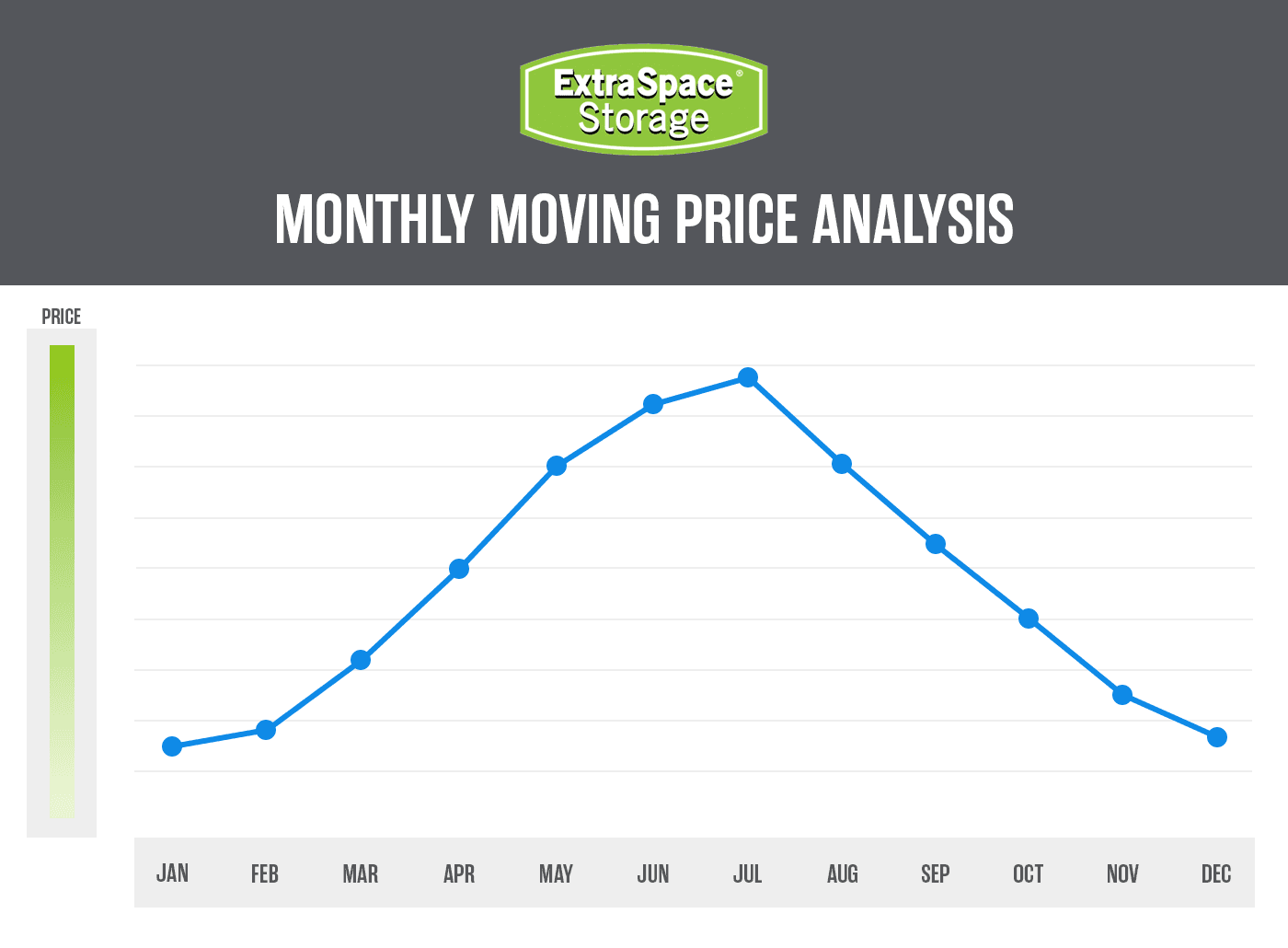
The season of your move can significantly impact costs. As many families take advantage of school breaks to relocate, summer (May to August) is peak moving season, with higher demand and higher prices, while fall and winter are typically more affordable due to lower demand. Moving in December is often the least expensive time and can stretch your moving budget further, though winter weather can cause issues depending on where you live. But if you have flexibility, planning an off-peak move between October and February can save you money compared to a peak-season weekend in June.
Even within a month, timing can matter. End of the month, when most leases end, is the busiest time for movers—movers typically have more availability mid-month, which may also result in lower rates. While day-of-week differences aren’t usually as dramatic as seasonal ones, you also might find more availability and slightly better rates Monday through Thursday. No matter when you move, book your movers well ahead of time to lock in your date and rate.
Professional Packing Services Costs
Packing services can save time and help protect your belongings, but they add to your moving costs. Professional packers can charge between $60 to $80 per hour per packer, with larger homes often costing between $1,100 to $2,000 to fully pack. Some movers may charge a flat rate per box or for individual items—such as having fixed prices for a refrigerator, washer and dryer set, piano, safe, or flat screen TV. Once you receive a binding estimate, the price generally won't change unless you add items not included in the original quote, require special handling for unassessed items, have unexpected obstacles like stairs or restricted access, or are otherwise unprepared when movers arrive. If you're moving on a budget, consider packing yourself or hiring professionals only for fragile or valuable items. Just remember to budget for packing supplies such as boxes, tape, and padding if you choose the DIY route.
Packing Option | What's Included | Best For |
Full packing | Crew packs every room + materials | Busy households, fragile-heavy homes |
Partial packing | Large appliances, art, electronics only | Mainly DIY movers wanting some assistance |
Self-pack | You pack, movers load | Tight budgets, simple moves |
Self Storage Moving Costs
Sometimes during a move, you can’t take everything directly to your new home. Maybe your lease dates don’t line up, you’re downsizing, or you’re moving long-distance and need a temporary space for your stuff. In such cases, you might need to rent a storage unit, which will add to your moving cost.
Professional movers often offer short-term storage or storage-in-transit options. This means they’ll hold your packed goods in a warehouse or facility for a certain period (like a few days or weeks) and then deliver them once you’re ready. Movers usually charge for storage by the day or month, and the fee depends on the volume of items and how long you need storage. For example, a moving company might offer the first 30 days free and then charge a monthly rate for storage thereafter, or simply a flat daily rate based on your shipment size. If you anticipate needing storage, get a clear quote for this from your mover.
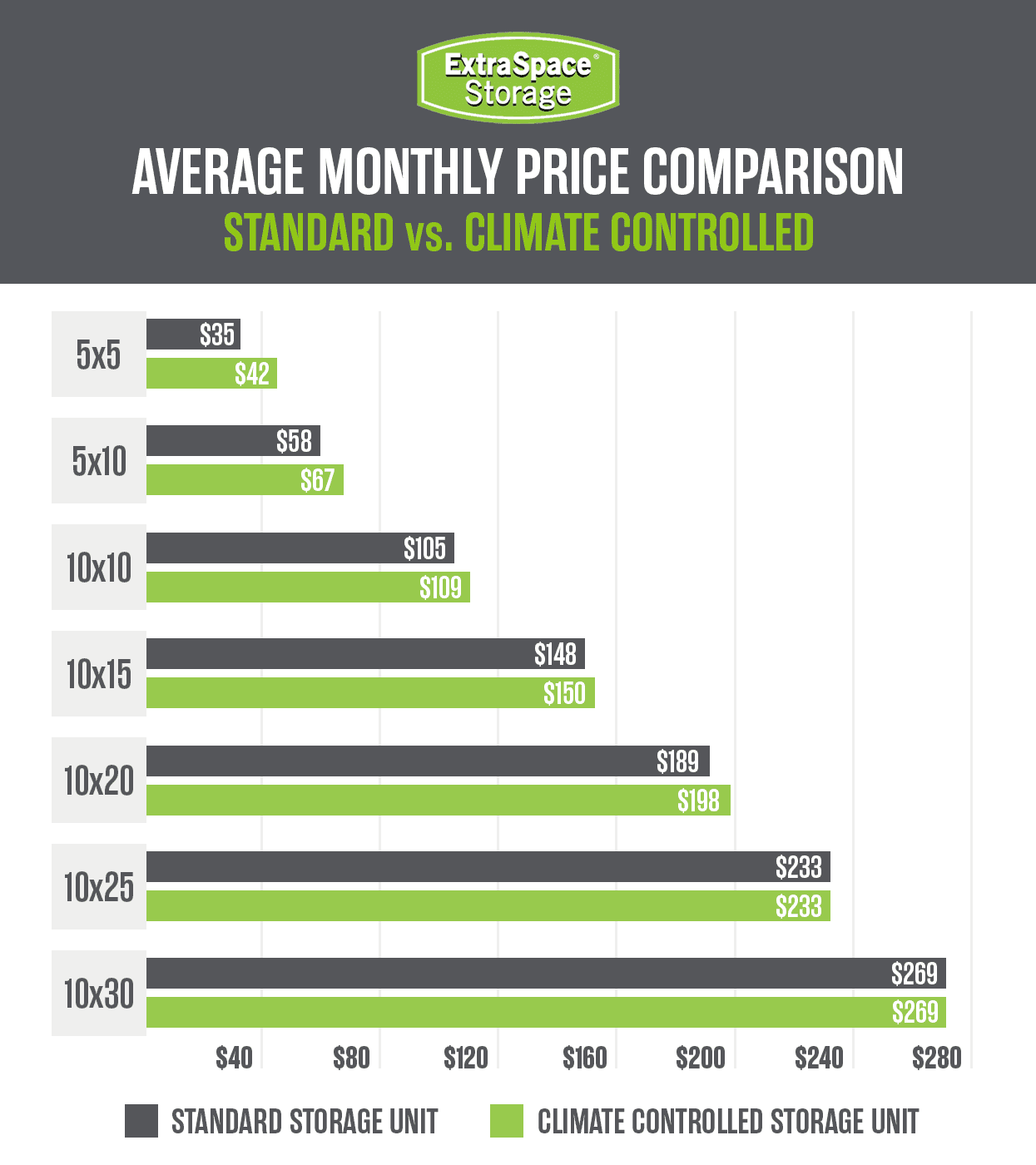
Another storage solution is renting a storage unit at a self storage facility for any overflow belongings. The cost of self storage varies by location and unit size, but it could range from $35-100 per month. This route gives you flexibility—you can access your items and typically pay month-to-month. When budgeting your moving costs, don’t forget to include any storage option you plan to use, and choose what’s most cost-effective for your situation.

Find Affordable Self Storage Near You
Extra Space Storage has over 4,000 locations across the U.S. with friendly customer service, advanced security features, and affordable month-to-month rates.
- Save up to 40% off online
Moving Cost Comparison Table
The table below summarizes the typical costs associated with each aspect of a move:
Cost Component | Description | Average Cost Range |
Base Moving Costs | Charges based on distance, home size, & weight of belongings | Local: ~$1,400; Long-Distance: ~$3,500+ |
Packing Services | Professional packing labor & materials | ~$80 per hour per packer; per-box fees vary |
Storage Fees | Temporary storage during transition (movers' storage or self storage options) | ~$35 - $100 per month |
Specialty Fees | Specialty items, long carry/stair fees, insurance upgrades | Varies |
Miscellaneous Fees | Environmental fees, fuel charges, labor, tipping | Varies (tipping: 15 – 20% of bill) |
Seasonal Variations | Price differences based on demand (peak summer vs. off-season moves) | Varies with timing |
Note: This table is a general guide for reference only. Actual costs will vary based on specific moving details and geographic locations within the U.S.
Budgeting Tips for Your Next Move
Facing all these moving costs might feel daunting, but there are plenty of ways to reduce moving stress by planning and saving. A well-managed moving budget can make the difference between a smooth, affordable move and a stressful, costly one. Here are some expert tips to help you manage or even reduce your moving costs.
Compare Quotes & Negotiate Rates
Request quotes from at least two to three reputable moving companies and watch for hidden fees. Have each do a thorough walk-through—in person or virtual—so they account for everything. Ask if the quote is binding (fixed price) or non-binding, and get details on what could incur extra charges. Many people end up paying more than initially quoted because of add-ons or inaccurate estimates. Don't forget to mention that attic full of boxes, the extra heavy sofa, or the tight storage under your staircase. Clarify if things like fuel, flights of stairs, long carries, or large items are included in the moving quote. Being upfront and getting a written estimate that covers all basics will help prevent surprise costs.
Move Off-Peak & Book in Advance
Timing can influence your cost. If you can schedule your move during a less busy time, do it. Moving mid-month or on a weekday might score you a slightly lower rate than a month-end Saturday. Similarly, if your schedule is flexible, think about moving in the off-season to take advantage of lower demand. Early planning is key—booking your movers well in advance can sometimes lock in a better price and ensure you’re not stuck paying last-minute rates. Not only could this save money, but movers will have more availability which means you’re more likely to get your first-choice moving company and date.
Declutter, Downsize, & Resell
One of the simplest ways to cut moving costs is to move less items. Go through your home and identify items you don’t need or use anymore. Donate, sell, or recycle your things before you start packing. Every box you don’t pack is money saved, as movers charge partly based on volume and weight. Having fewer belongings means a smaller truck, fewer labor hours, and maybe no storage unit needed. You might even make a bit of extra cash by holding a garage sale or selling furniture online, which can go right back into your moving budget. Plus, starting life in your new home with less clutter can feel refreshing!
Pack Your Own Boxes
Packing can be a big expense, but it’s also an area with big savings potential if you DIY. Purchasing all your moving boxes and supplies new can get expensive, so look for free or cheap packing supplies. Often, local shops or grocery stores have sturdy boxes they’ll give away. You can also use household items like suitcases, laundry baskets, and tote bags as moving containers. For padding, get creative with towels, blankets, or clothing to pack fragile items instead of buying a ton of bubble wrap. Packing strategically to fit items efficiently into boxes can also reduce the number of boxes and the size of the truck needed, saving you money. If you do need some professional packing help, consider a hybrid approach, paying movers for larger items and handling easier items yourself.
Use Cost-Effective Storage Solutions
If your move involves a gap between living in your homes or you have items you can’t take to the new place right away, compare storage options to get the best deal. While letting the moving company store your belongings is convenient, it might not always be the cheapest choice. Check the price they charge for storage and compare it to renting a self storage unit on your own. Similarly, portable moving containers can sometimes serve as storage and transport in one, which could be cost-effective. The key is to choose the right size and duration you need and avoid paying for more storage time or space than necessary.
Select the Right Moving Company
Choose a licensed, insured, and reputable moving company with strong reviews and transparent pricing. Reliable movers help you stay within budget, avoid unexpected fees, and ensure your belongings are handled with care. Check reviews and recommendations, and remember that the best value isn't always the lowest price. Paying a little more for a trusted mover can help prevent damaged items, delays, and costly surprises.
By following these tips, you’ll be in great shape to manage your moving costs. The goal is to create a moving budget and find ways to trim expenses without sacrificing the quality of your move. With a solid plan, you can feel optimistic that your move will be both affordable and smooth.
***
Moving soon? Find reputable moving companies, truck rentals, and more with Extra Space Storage Moving Resources. And for your storage needs, we have affordable storage units located across the U.S. to help make your transition easier. Find a storage unit near you!
Helpful Moving Tips & Tools

How to Set Up Utilities After Moving: Your Complete Guide
Moving to a new apartment or home soon? This guide takes you through how to set up utilities—including a step-by-step utility setup timeline.

Moving to a New Home? Use This 3-Month Moving Checklist
Moving to a new home? Whether it's to a new house or an apartment, moving can be difficult at times. Stay on track with our three-month moving to-do list!

Address Change Checklist: Who to Notify When You Move
Planning a move soon? Use this change of address checklist to notify the proper people and places that you're moving!

How Much Do Movers Cost?
Professional movers cost ~$550-$12,000. Learn the average cost of hiring a moving company for local and long-distance moves in this guide.

Best Tape for Moving Boxes
Planning a move? Buying the best packing tape for moving boxes is essential for a hassle-free move. Find out which tapes are best for moving boxes.
Author Profile
Quinn Johnson
Quinn Johnson is a moving expert and author for Extra Space Storage. He's moved over 15 times, including internationally, and helped countless others between their own homes. He's happy to lift some boxes for a friend as long as he's paid in pizza. As a writer and content creator for Extra Space Storage since 2019, Quinn shares helpful moving tips and info to alleviate the common stresses of moving.