Moving Guide
11 Tips for Moving in the Summer

Are you moving in the summer? Whether you're relocating across town, to a new city, or to a new state, a summer move doesn't have to be stressful. Grab your moving checklist and keep cool, safe, and stress-free with these 11 tips for moving in the summer!
Schedule Movers Early
After you've sold your home or signed a lease, or finished finals week and decided to rent summer student storage, one of the best summer moving tips is to hire movers as quickly as possible, as this is typically peak moving season. Moving in the summer means you need to take initiative sooner—the best moving companies fill up fast, so start booking movers at least two months before you relocate. Conduct thorough research of available moving companies, estimate your moving truck size, and get quotes from potential movers to find the best moving rates. While prices for movers tend to be higher during this peak season, avoiding holiday weekends can help keep costs lower. Summer movers are in high demand, so the earlier you schedule, the better!
Pack Up Your House Ahead of Time
Don't wait until the last minute to start packing! Avoid any unexpected surprises like forgotten items or charges for not having your items boxed ahead of time if you’re utilizing professional movers. Gather essential supplies like moving boxes, packing paper, tape, and bubble wrap so you can pack efficiently. Make sure to pack the items you use on a regular basis last, so you don’t have to keep unpacking your boxes and delay your moving progress. By packing early, you can also declutter your items and decide what's coming with you, what you can sell or donate, and what you might want to put into summer storage.
Use Our Free Moving Box Calculator 📦
Make packing simple with our moving box calculator. Enter a few details about your move and get an instant estimate for boxes and supplies.
Take Care of Your Delicate Belongings
Moving in the summer means taking extra care with fragile items—like china, wine glasses, candles, vinyl records, and more—to limit heat-related accidents and breakage while loading, transporting, and unloading them. Properly pack glassware and dishware in small, easy-to-handle boxes, and secure them with extra packing material like packing paper, newspaper, bubble wrap, or styrofoam peanuts to keep them safe in during transit. Consider storing artwork in a box that fits the dimensions of the piece, and use bubble wrap and packing paper to give it extra padding. Research what electronics may be affected by higher moving temperatures, like computers and some TVs that contain heat-sensitive components. Consider moving particularly delicate items in your own car to keep a closer eye on them during the move. It's also a good idea to unload fragile artwork, electronics, and other delicate belongings first to avoid any potential damage or mishaps.
Store Perishables in Coolers
To avoid food waste, it's best to eat as much of your perishable food as you can before your summer move. But if your move is longer than a quick drive across town, you'll need to prioritize storing these food items in insulated, ice-filled coolers to avoid food spoilage. Follow the two-hour rule, and keep these perishables cool with fresh ice—otherwise, they could grow bacteria or go bad. Not only can this be expensive to replace, but it can also lead to potential food poisoning down the line if you choose to chance it. If you have non-perishable food items like canned goods, you can place these items in a box, as these don't need to be kept cool.
Check the Weather
Weather changes can develop quickly and may require you to adjust your summer moving plan, so be sure to regularly check the forecast and the heat index for your starting and end points, as well as for your route. If you're passing through or moving to the South or Midwest, watch out for severe storms with hail, rain, or high winds that can develop into tornadoes—especially in Tornado Alley. Keep an eye out for dust devils, monsoon forecasts, wildfires and smoke, and dangerous temperatures if you're moving to the Southwest or West Coast. For those living on the East Coast and Pacific Northwest, watch out for heavy rainstorms—those in the Southeast should do the same, but prepare for extreme humidity and potential flooding to follow. If rain is in the forecast, bring towels, drying rags, floor foam, and tarps to keep everyone and your belongings as dry as possible while loading or unloading your moving truck!
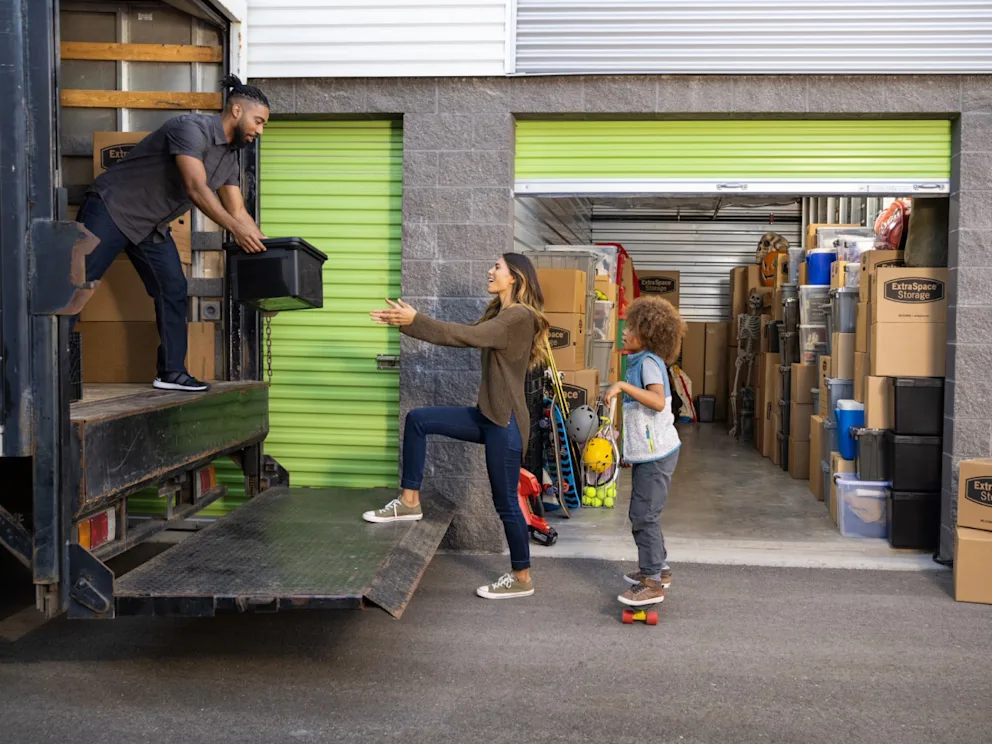
Find Affordable Self Storage Near You
Extra Space Storage has over 4,000 locations across the U.S. with friendly customer service, advanced security features, and affordable month-to-month rates.
- Save up to 40% off online
Move in the Morning
Though summer temps vary across regions, it's a good idea to prioritize staying safe and cool when you're moving. Generally, the best time to move in the summer is the morning to avoid the midday heat. Keep your vehicles cool by using a dash cover to reflect heat away from the interior of your car. Throw blankets over leather or vinyl seats to help protect people riding in your vehicle, and cover your steering wheel with a hand towel to avoid burning your hands. Or if you have a shady tree where you're loading up your belongings, park your car under it!
Take Care of Kids, Pets, & Plants
Are you moving with kids and pets? With a home full of boxes and tons of commotion, it's important to make sure your loved ones are safe. Avoid summer heat exhaustion and have friends or family take care of any pets or kids during your summer move. For local moves, you could also bring your pet to pet daycare to keep them safe and entertained while you move. If you're moving aquarium-dwelling pets or houseplants, consider transporting them separately and putting them in your new home ahead of time to avoid long periods in a car cabin or moving truck. Avoid too much movement or temperature changes while transporting your plants—otherwise they could go into shock, or get sunburned if left in the hot sun.
Wear Season-Appropriate Clothing
Moving in the summer is hot, so wear light-colored athletic clothing that will keep you cool while allowing you move around comfortably. Or go for loose-fitting clothes in light materials, like linen. If you're moving on a sunny day, be sure to wear sunglasses, a long-sleeved shirt, hat, or visor to help keep the sun off your skin and out of your eyes. The one exception to this is shoes—for your safety, it's best to wear secure, closed-toed shoes to support your feet and keep them protected from boxes, rocks, sticks, and broken pieces of plastic or glass.
Don't Forget the Sunscreen
Moving on a summer day means the sun will be out and shining bright, so stay smart and protect yourself against the sun. Help prevent sunburns by regularly applying sunscreen—especially when the sun's UV rays are strongest. Wondering what type of sunscreen to use on moving day? Since you'll be in and out of the sunshine, use sunblock or sunscreen that has a broad spectrum of SPF 50 or higher. Your sunscreen should also be waterproof to withstand sweat. As you apply sunscreen, try to cover any visible skin, and ask for help when putting it on in hard-to-reach spots!
Watch Out for Heat Exhaustion
When moving during the summer months, it's important to watch out for heat exhaustion. Signs of heat exhaustion include headache, heavy sweating, dizziness, and nausea. In cases of severe heat exhaustion or if it develops into heat stroke, seek medical attention immediately. To keep you and your movers safe from heat-related illnesses, supply bottled water and sports drinks or electrolyte drink mixes to keep everyone well hydrated. Keep cold towels, wipes, box fans, and spray bottles on hand for quick cool-downs, and take breaks as needed.
Turn On the AC at Your New Home
If possible, consider turning on the AC the day before moving into your new home to have it cool during your unloading process. If you can't turn on the AC in advance, turn it on as soon as you arrive. After all, you'll want to stay cool after you're done moving items inside, too! Additionally, consider placing portable fans near the entrances and in the garage to keep everyone cool and comfortable while unloading. Keep your lights off, shades down, and doors shut as much as possible while unpacking in your new home to help create a cool, comfortable environment!
***
Need to store items while moving between homes or looking for other moving resources? With convenient self storage locations, Extra Space Storage can help with your summer move. Find cheap storage near you!
Explore More Moving Tips

How to Move on a Budget
Moving doesn't have to be extremely expensive. Learn how to save money when planning your move by following these 12 budget-friendly moving tips.

Pros & Cons of Hiring a Moving Company
Preparing to move and considering hiring movers? Explore the pros and cons in this guide to determine whether you should hire movers or DIY your move.
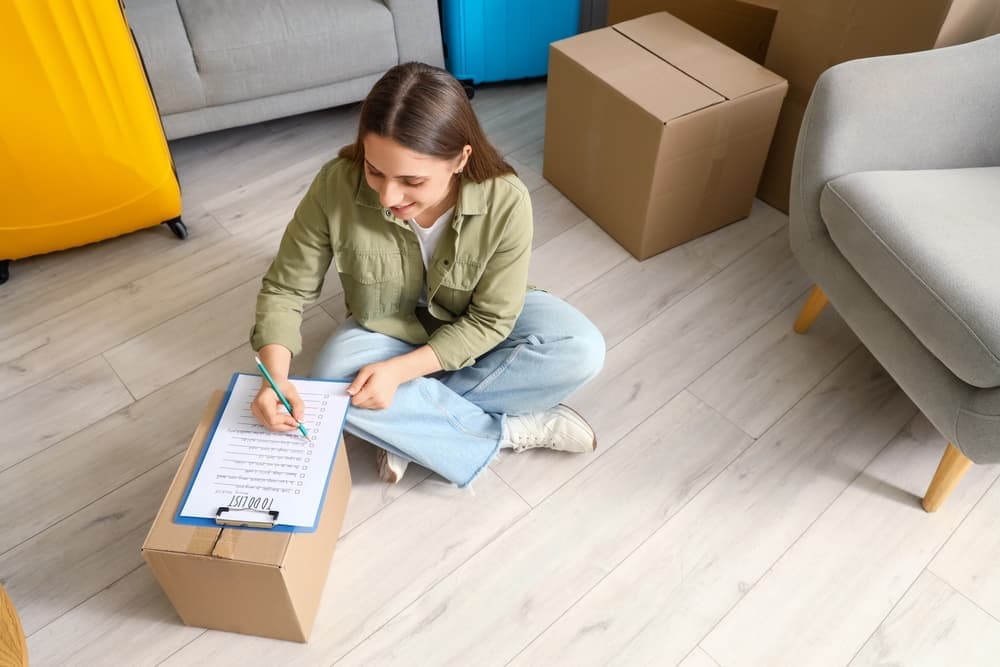
Room-By-Room Packing Checklist
Make packing for your next move easy with our room-by-room checklist, which includes specific packing tips for each area of your home or apartment!
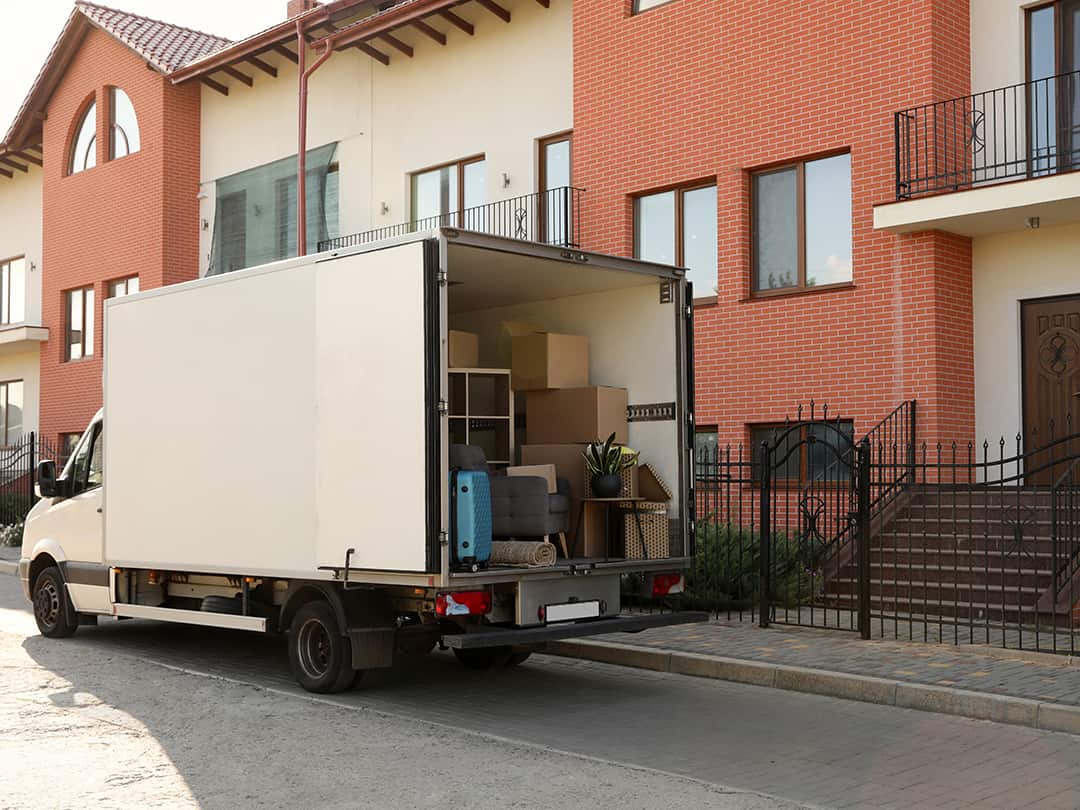
Moving Truck Size Comparison
Not sure what size moving truck you need? Use our moving truck size chart to rent the best dimensions for you!
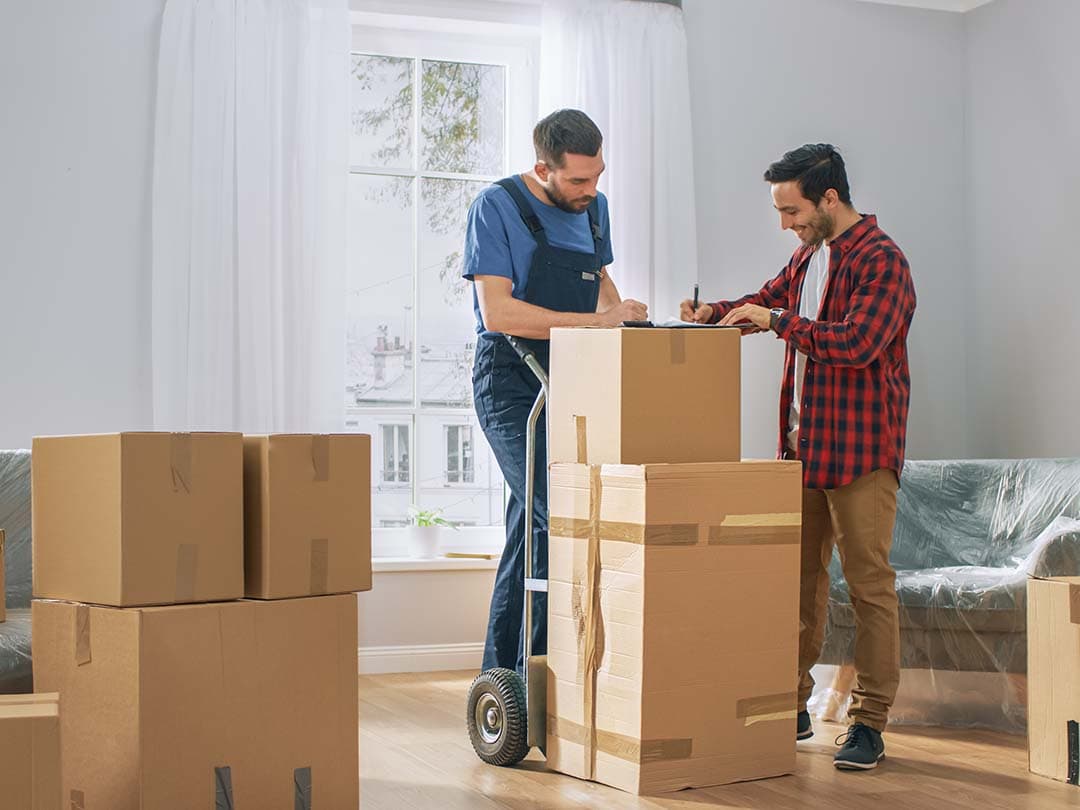
Guide to Hiring Movers
Thinking of hiring professional movers? Using movers can make your relocation go more smoothly. Read our guide for hiring a moving company!
Author Profile
Quinn Johnson
Quinn Johnson is a moving expert and author for Extra Space Storage. He's moved over 15 times, including internationally, and helped countless others between their own homes. He's happy to lift some boxes for a friend as long as he's paid in pizza. As a writer and content creator for Extra Space Storage since 2019, Quinn shares helpful moving tips and info to alleviate the common stresses of moving.