Moving Guide
How to Declutter Before Moving

Moving to a new home is exciting, but it can also feel overwhelming when you're surrounded by years’ worth of items. Here's how to declutter before moving in a way that’s organized, optimistic, and totally doable.
Plan Ahead to Avoid Stress
It’s completely normal to feel stressed about packing up all your belongings. Take a deep breath—you can do this. Decluttering before moving not only lightens your load, it also gives you a fresh start in your new space.
Start Decluttering Early
One of the best ways to set yourself up for success is to start decluttering early. As soon as you know a move is on the horizon, create a moving checklist and begin the decluttering process. The more time you give yourself, the less stressful it will be. Instead of cramming all your sorting and packing into the final week, spread it out over weeks or even months.
For example, you might dedicate an hour each evening or a weekend afternoon to decluttering a specific area. Starting early means you can tackle one closet or one room at a time, steadily making progress without burnout. Early decluttering also comes in handy if you plan to sell your current home—fewer items around means easier home staging and cleaning.
Declutter Non-Essentials First
A smart strategy is to pare down and pack items you won’t need before moving day. Think off-season clothes, holiday decorations, old books, or rarely used kitchenware. By starting with these belongings, you’ll see quick progress and build momentum. Box up what you plan to keep, clearly label those boxes, and set aside the rest to sort. This way, you’re not only decluttering but also getting a head start on packing.
Sort With Purpose
Once you’re ready to dive into a decluttering method, it’s important to sort with a plan and clear categories for your belongings. Grab boxes or heavy-duty bags and label them with four key categories: Keep, Donate, Sell, and Trash. As you go through each area of your home, every item should go into one of these categories. Sorting this way gives you a system to stay organized and make quick decisions instead of shuffling items around aimlessly.
Steps to Declutter Systematically
Decluttering doesn't have to be stressful. Breaking the process down into manageable, intentional steps helps reduce decision fatigue and makes the task feel far less daunting. Here are the simple steps you can follow to get rid of items with confidence and purpose.
Pick a Starting Point
Choose one small area or one room to begin. It could be a problem area like a junk drawer, a closet, or an entire spare room—whatever feels manageable. Starting with a smaller space, like a single cabinet, can give you a quick win and motivate you to continue.
Gather Supplies
Before you start, grab four sorting boxes (Keep, Donate, Sell, and Trash), plus markers and garbage bags. Having everything on hand will help you stay focused. If you have fragile items, have bubble wrap or old newspapers on hand for packing the “Keep” items safely.
Take Everything Out
Work section by section. If you’re decluttering a bookshelf, for example, empty the entire shelf. Spread items out so you can see what you’re dealing with. This “full dump” method forces you to assess each item rather than skimming over items.
Sort Item by Item
Pick up each item and decide which pile it belongs in. Be honest with yourself about whether you use it and love it. If an object is covered in a thick layer of dust, that’s a sign it’s rarely used—a good candidate for the Donate or Sell piles! If it’s something you haven’t used in ages or forgot you even owned, it probably doesn’t deserve space in your new home.
Finish One Area Before Moving On
Sort the entire space you've chosen, and then deal with the “Donate/Sell/Trash” piles before tackling another area. This keeps your momentum going and prevents clutter from migrating around the house. Reward yourself with a short break or a treat when you finish an area—you earned it!
Keep Your New Home in Mind
If you already know the layout or size of your next place, use that as a guide. For example, if you’re moving from a three-bedroom house to a two-bedroom apartment, you know you’ll have to downsize furniture and storage items. Or if your new kitchen has limited cabinet space, this is the time to remove excess cookware and kitchen gadgets. Being purposeful now means you’ll only pack and move the items that truly matter to you and fit your future life.
Handle Duplicates Right Away
It’s easy to accumulate multiples—two coffee makers, a dozen nearly identical black t-shirts, and other household items. If you find redundancies, keep your favorite or the most useful one and get rid of the extras. This is an easy win to free up space quickly and painlessly.
Tips for Letting Go of Items
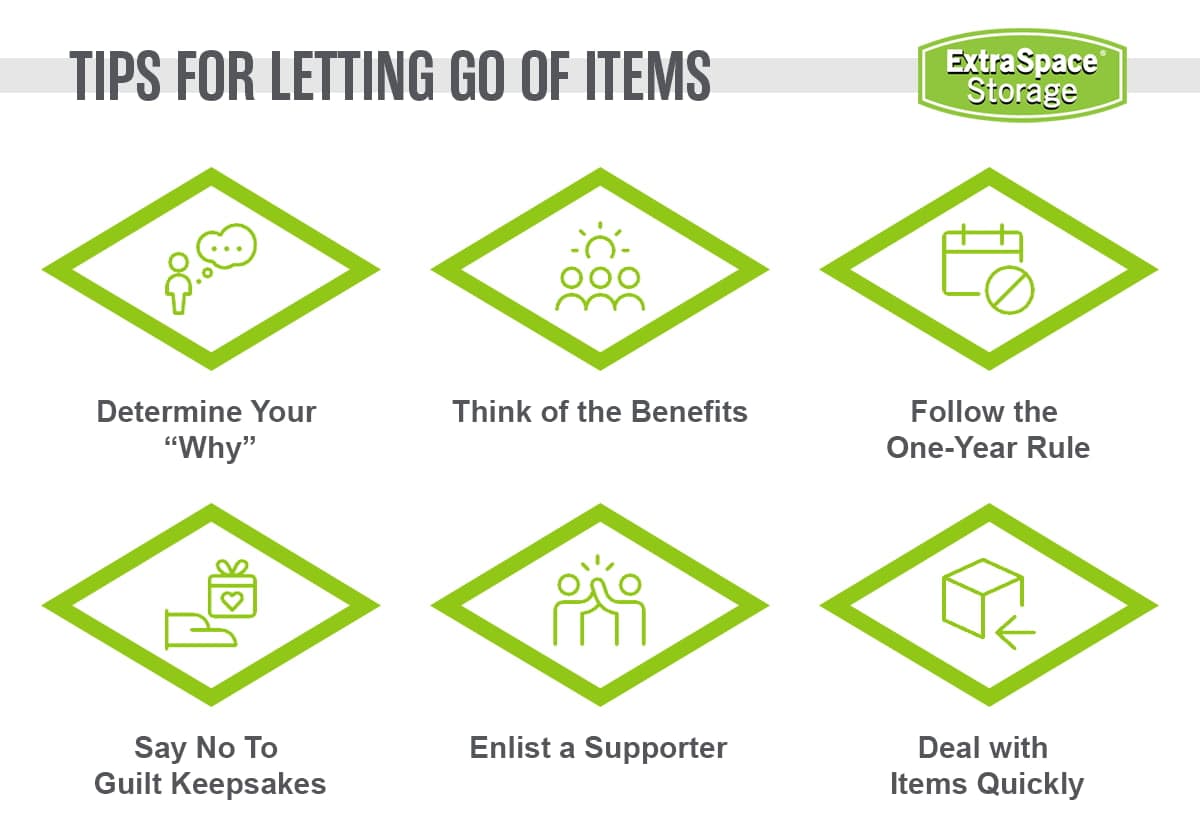
Decluttering often means making tough choices about what to part with. This can be the hardest step in the process—sometimes it’s not just items, but items with sentimental value or “what-if” usefulness that keeps us holding on. Here are some supportive tips to help you through the emotional side of decluttering before a move.
Determine Your “Why”
Before you start, take a moment to remember why you’re decluttering. Maybe you want a clean, serene space in your new home, or you’re excited about a fresh start without clutter weighing you down. Write down your vision for your new home and how you want it to feel. Use that vision as motivation to be decisive about what stays and what goes. When you focus on your exciting future, it becomes easier to release what belongs to the past.
Think of the Benefits
Every box you donate or toss is one less box to pack, move, and unpack. Remind yourself of the practical gains of letting go—less clutter means a cheaper and easier move, and a quicker setup in your new place. Plus, the belongings you donate will go on to help others, and everything you sell can put some extra cash in your pocket for moving expenses or new decor. Reframing decluttering as a positive step for yourself and others makes it more rewarding and even liberating.
Follow the One-Year Rule
A classic decluttering guideline is to let go of anything you haven’t used in the past year. If a whole four seasons have gone by and that item never left the shelf or closet, chances are you won’t miss it. This rule works for clothes, kitchen gadgets, hobby supplies, and more. Of course, there are exceptions, but in general, if it’s gathering dust, it doesn’t need to gather space in your moving truck.
Say No to Guilt Keepsakes
We often hang onto items out of guilt or obligation. Remind yourself that it’s okay to let these go. You’re not throwing away the person or the memory—you’re simply choosing what serves you in your life now. If something makes you feel guilty or unhappy when you look at it, that’s a strong sign it doesn’t belong in your happy new home. For truly special mementos, consider keeping one representative item and letting the rest go, or take photos of items if you want to remember them without physically keeping them.
Enlist a Supporter
If you’re really struggling to decide on certain items, consider asking a trusted friend or family member to help. Sometimes an outside perspective can gently reinforce what you already suspect—for example, that you really don’t need to keep those college textbooks or the dress that hasn’t fit in years. A supportive friend can also cheer you on and keep you focused on your goal when emotions run high. Make a decluttering playlist, grab some snacks, and turn it into a productive afternoon with someone who encourages you.
Deal With Items Quickly
As you sort out items, move them out of your house as soon as possible. Put donation boxes straight into your car for drop-off, or schedule that charity pickup for the soonest available date. Take out the trash promptly or set a date for junk hauling. Removing these items quickly prevents second-guessing and literally clears the space, so you’re not tripping over old stuff while you try to pack the things you’re keeping.
What to Do With Unwanted Items
By now, you’ve sorted through your possessions and likely have Keep, Donate, Sell, and Trash boxes or piles. Decluttering before moving isn’t just about separating these items—you also need a plan to actually get them out of your house. Here’s how to handle each category of unwanted items.
Donate
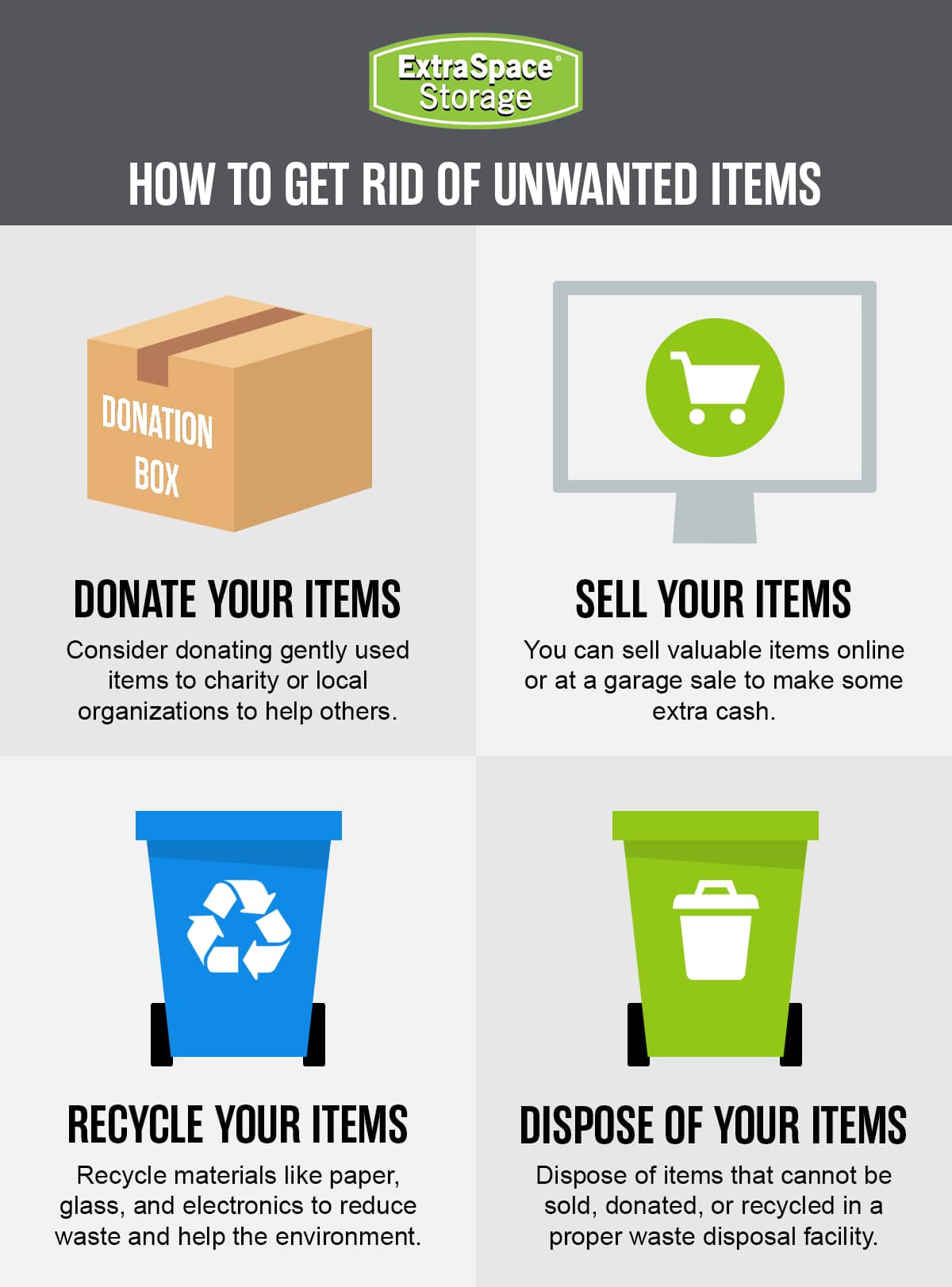
Items in good condition that you no longer need can find a happy second life with someone else. Donate usable goods to charities, thrift stores, or community organizations. Common places in the U.S. include Goodwill, The Salvation Army, Habitat for Humanity ReStore, and local shelters or religious centers. Many of these organizations will gladly accept clothing, shoes, books, toys, kitchenware, and furniture that’s in decent shape. Some charities even offer pick-up services for large items or multiple boxes—schedule a pickup if you can, or plan a drop-off day. As a bonus, keep donation receipts. Your generosity might be tax-deductible. And remember, donating not only helps someone in need, it also reduces waste, which is a win-win feel-good outcome.
Sell
For items that have value and are worth the effort, selling can be a terrific way to declutter and make extra money. Furniture, electronics, collectibles, and high-quality clothing are great candidates to sell. You can hold a garage sale or yard sale if you have a lot to offload at once. Alternatively, use online marketplaces like Craigslist, Facebook Marketplace, or eBay for a wider audience. Sites like OfferUp are popular for local sales. For brand-name clothing and accessories, you might try specialty sites like Poshmark or ThredUp. If you decide to sell, start early so you have time to find buyers. Be sure to price items reasonably and be prepared to haggle at yard sales. Any unsold items can always be donated in the end, so you’re not stuck with them.
Recycle
A move is the perfect time to properly dispose of items that can’t or shouldn’t go in the regular trash. Electronics like old TVs, computers, and phones often contain hazardous materials—look for e-waste recycling events or drop-off locations at electronics retailers. Appliances and scrap metal can usually be recycled at a local waste facility or picked up by a scrap recycler. Old papers and documents should be shredded and recycled to protect your privacy. Also, check for household hazardous waste collection in your area for things like paint, chemicals, batteries, and light bulbs. Many communities host free drop-off days for residents to safely dispose of these items. Recycling what you can means less junk in landfills and a greener move.
Trash
There will be some items that just have to be trashed. This is everything that’s broken beyond repair, stained, torn, or otherwise unusable. Once you’ve exhausted options to donate or recycle, don’t feel bad about tossing what remains. Stock up on strong garbage bags for smaller junk. For large quantities of trash or bulky items, you might need to arrange a special trash pickup with your city or hire a junk removal service. As you throw belongings out, be sure to follow any local rules on trash disposal. For example, some cities won’t take mattresses without special wrapping, or have limits on how much you can curb at once.
Find Affordable Self Storage Near You
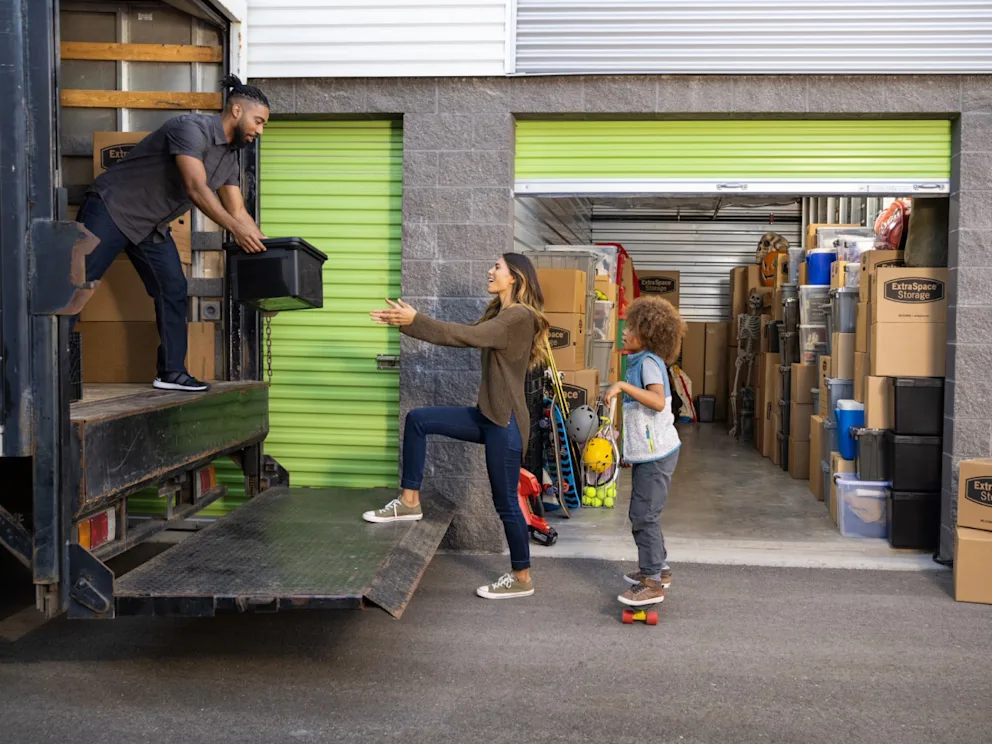
Extra Space Storage has over 4,000 locations across the U.S. with friendly customer service, advanced security features, and affordable month-to-month rates.
- Save up to 40% off online
Benefits of Decluttering Before Moving
Decluttering before a move might take some effort, but the benefits are absolutely worth it. As you finish this process and prepare to head to your new home, take a moment to appreciate what you’ve accomplished. You’ve done more than just clean out a closet—you’ve set yourself up for a smoother, happier move. Here’s why all that decluttering pays off.
Less Stress on Moving Day
When you’ve already pared down your possessions, packing becomes faster and easier. You’ll have fewer boxes to pack, carry, and unpack later. That means less work for you and for any professional movers, and a quicker moving day overall. You can breathe easier knowing you won’t be lugging along anything unnecessary. Moving is stressful enough—decluttering beforehand lightens the load in every sense.
Lower Moving Costs
If you’re hiring professional movers or renting a moving truck, having less items can save you money. Many moving services charge based on the weight or volume of your items—so why pay to transport belongings you don’t even want? By decluttering, you might need a smaller truck or fewer hours to move. Even if you’re doing a DIY move, fewer boxes means fewer supplies to buy and possibly fewer trips back and forth. Decluttering is one of the best ways to make your move more cost-efficient.
A Fresh Start in Your New Home
Perhaps the greatest benefit is that you get to begin your life in the new place with a clean slate. You’re bringing only the items that spark joy, have purpose, and truly matter to you. Your new home will be easier to set up and keep organized without clutter in the way. It’s so much more enjoyable to unpack and decorate when you’re not overwhelmed by extra items. Plus, the process of decluttering can be freeing—it helps you let go of the past and focus on the future. You’ll likely feel a surge of positive energy walking into your new space knowing everything around you is there for a reason.
Helping Others & the Environment
Don’t forget that your decluttering efforts also have ripple effects beyond your home. The items you donate will go to people who need them, and everything you recycle won’t end up polluting the environment. That means your move not only benefits you, but also your community and the planet. It’s a great feeling knowing that decluttering before moving leads to less waste and more sharing.
***
Planning a move? Check out our moving tips, calculators, and other helpful moving resources or find storage locations across the U.S. to help during your transition. Rent affordable storage units near you!

Explore More Moving Tips

Stressed While Moving? 25 Tips to Manage Your Moving Anxiety
Stressed about moving? From prep to post-move, here are tips to help reduce your anxiety about moving.

Important Questions to Ask a Moving Company Before Hiring
Wondering what questions to ask moving companies? Review these helpful moving questions to avoid delays or damaged belongings for a smooth move.

How to Choose the Right Moving Company
Whether you're on a budget, moving cross-country, or need full-service assistance, here's how to choose the right moving company for your relocation needs.

How to Get Rid of Stuff For A Last-Minute Move
Are you moving in a hurry? This guide shares how to prep for a last-minute move with moving tips for selling, donating, and storing your items.
Cheapest Ways to Ship Boxes Across the Country
Need to ship moving boxes across the country? Explore the most affordable ways to ship boxes in this guide!
Author Profile
Quinn Johnson
Quinn Johnson is a moving expert and author for Extra Space Storage. He's moved over 15 times, including internationally, and helped countless others between their own homes. He's happy to lift some boxes for a friend as long as he's paid in pizza. As a writer and content creator for Extra Space Storage since 2019, Quinn shares helpful moving tips and info to alleviate the common stresses of moving.