Moving Guide
How to Ship Furniture to Another State

Moving to a new state often means figuring out how to ship furniture safely over a long distance. It can feel overwhelming to transport heavy dressers, sofas, and dining sets, especially during life transitions like a job relocation or downsizing for retirement. This hassle-free guide will walk you through different ways to ship furniture, how to choose the best method for your situation, practical packing tips, cost factors, and ways to avoid common pitfalls. Read more below!
Ways to Ship Furniture to Another State
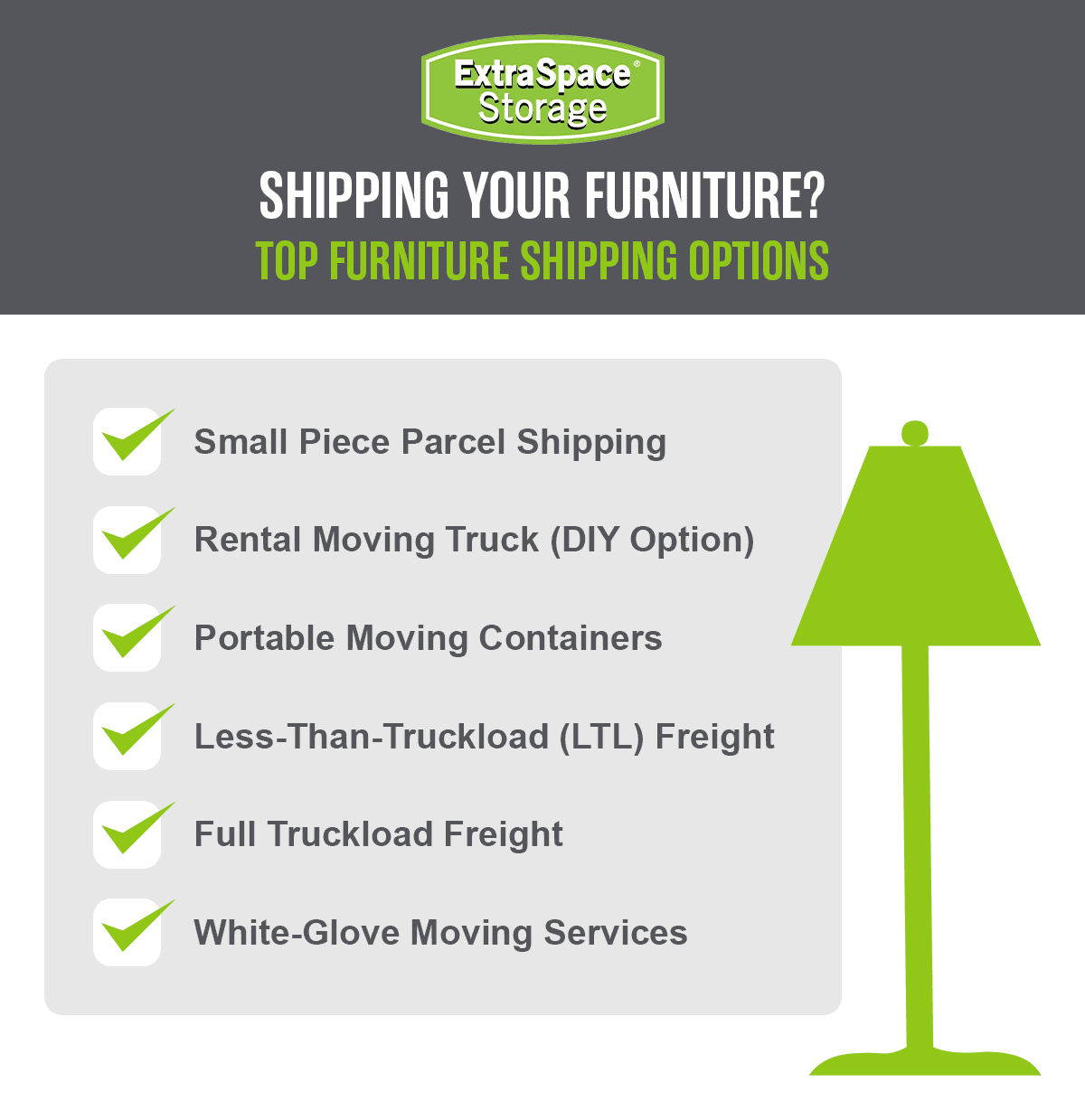
When it comes to moving furniture across state lines, one size does not fit all. Several shipping methods are available, each with pros and cons. Here are some of the most common options for ship furniture services.
Parcel Shipping for Small Pieces
If you only need to ship a single, smaller furniture item (for example, a side chair or a small end table), standard parcel carriers like UPS, FedEx, or USPS might be viable. They typically handle boxes up to certain weight and size limits. This is usually affordable for lightweight, compact items, but it gets very expensive for large or heavy furniture because rates are based on size and weight. Also, you’ll need to thoroughly box and pad the item, and possibly drop it off at a shipping center or pay extra for home pickup. Parcel shipping is best reserved for truly small furniture pieces or when time isn’t an issue (ground shipping can take several days). For anything larger, you’ll likely be better off with freight or moving services.
DIY Rental Moving Truck
For those who are hands-on and especially looking for a budget-friendly move—renting and driving a moving truck yourself is another way to ship furniture out of state. Another similar option is using a moving trailer. This approach gives you full control by allowing you to pack and load your furniture, drive the truck to your new home, and unload. It can be the cheapest way to move large furniture if you have the muscle and time, but remember to factor in all the “extras” or moving truck rental requirements. These costs do not include fuel, tolls, or insurance, and large trucks often get only 8 to 10 miles per gallon. Even after selecting your needed moving truck size, you could feel uncomfortable driving a huge truck for hundreds of miles or dealing with hoisting heavy couches on and off, this method could prove challenging. You may save money, but be prepared for the effort and potential hidden costs like gas and one-way drop-off fees.
Portable Moving Containers
A moving container service is a convenient hybrid between DIY and full-service moving. A weatherproof shipping container is dropped off at your home for you to load with furniture and boxes at your own pace. Once packed, the company picks up the locked container and transports it to your new state. This method allows you to do the packing and loading yourself (or with hired local help) while they handle the driving. Costs for containers are often lower than full-service movers, and you have the flexibility of loading and unloading on your schedule. It’s a great option for mid-sized moves where you want control over-packing but don’t want to drive a large truck across the country. Plus, storage containers have the added benefit of providing temporary storage while moving into your new home, hassle-free!
Less-Than-Truckload (LTL) Freight
LTL freight shipping lets you share space on a truck with other shipments. This is a cost-effective way to ship furniture if you don’t have enough items to fill an entire truck—you pay only for the portion of the truck your furniture occupies. The carrier picks up your crated or palletized furniture and delivers it alongside other loads. While LTL shipments may make multiple stops and transfers, it’s one of the cheapest methods overall for medium-sized loads.
Full Truckload Freight
If you have a lot of furniture to ship (such as an entire household), you might use a full truckload (FTL) service—one full truck is dedicated to your shipment. FTL can be faster since the truck goes directly to your destination, and there’s less risk of items being moved on and off along the way. However, it’s typically more expensive than LTL because you’re paying for the entire truck space even if it’s not completely full. FTL is often practical for large interstate moves or when you have a short-notice move.
White-Glove Moving Services
White-glove movers are full-service professional movers who handle everything from disassembling and packing your furniture to transporting, unloading, and even reassembling it in your new home. This method offers the highest level of care, but it comes at a premium price. White-glove teams use specialized packing (e.g., custom crates, extra padding) and are trained to prevent damage to delicate items like antiques, pianos, and other fragile pieces—so be sure to research moving companies before hiring a professional group. If budget is less of a concern and you want a ship furniture option with minimal effort on your part, white-glove service provides peace of mind that your furniture will arrive in pristine condition.
Things to Consider Before Choosing Your Furniture Shipping Method
Not sure which shipping method is the smartest choice for your situation? Consider the following factors to make an informed decision.
Distance & Timeline
How far is your move, and how quickly do you need your furniture to arrive? For cross-country moves, driving a rental truck could mean days on the road, whereas freight shipping might take a week or more with multiple stops. If timing is flexible, cost-saving options like LTL freight or consolidated shipping work well, though they may have longer transit times. If you’re on a tight schedule, a dedicated truck or expedited service might be worth the higher cost to ensure your furniture arrives by a certain date. Always balance time versus money: shipping methods that take longer are usually cheaper, so plan your timeline realistically.
Budget Constraints
Your moving budget will heavily influence the method you choose, but you can still find great ways to have an affordable cross-country move. Full-service movers and white-glove services are the most convenient but also the most expensive. DIY options like rental trucks or moving containers typically cost less but require more labor on your part. Get quotes for multiple approaches. For example, compare a container quote to a full-service mover quote. If the cost to ship certain furniture exceeds the value or replacement cost of the item, you might rethink shipping it and buy new furniture instead. In some cases, it can be more economical to donate or sell furniture that's large or inexpensive before moving and buy new pieces in your new state, rather than paying hundreds of dollars to haul them across the country. Focus your budget on shipping the pieces you truly love or need, and find creative solutions for the rest.
Size & Quantity of Furniture
Take stock of how much furniture you plan to move. Is it a few key pieces or an entire household’s worth? Shipping a single dresser or couch is very different from moving a three-bedroom house. Smaller loads are well-suited to LTL freight or shared moving containers where you pay for just the space you use. A larger volume (e.g., multiple rooms of furniture) might justify renting an entire truck or using an FTL freight service so everything travels together. The overall weight and bulk of your shipment will affect pricing and the type of truck or container needed. It’s often helpful to measure large items and calculate an approximate total volume or weight, which moving companies can use to recommend a service. Remember that heavier, bulkier items not only cost more to transport, but may also require special handling or equipment to move safely—something to factor in when selecting a shipping method.
Fragility & Value of Items
Think about the type of furniture you’re moving. Do you have antiques, heirloom pieces, or fragile glass cabinets? If so, you’ll want a method that provides extra protection—as well as purchase moving insurance for peace of mind, as standard coverage offered can be limited. White-glove movers or specialty furniture shippers are experienced with high-value items, offering services like custom crating, climate-controlled trucks, and careful hand-loading to minimize jostling. While this level of care comes at a higher cost, it can be worth it to protect irreplaceable pieces. On the other hand, if your furniture is mostly sturdy, everyday pieces, you might opt for a more basic service and just be diligent with your packing.
Reliability & Convenience
Consider your own comfort level and the trustworthiness of the carriers. Not everyone is up for driving a huge moving truck through multiple states or has friends available to load a container. Be honest about what you can handle physically and logistically. If you decide to hire help, research the moving or shipping companies’ reputations. Look for carriers with good customer reviews and a proven track record of safe, on-time delivery. It may be worth paying a bit more for a reliable service that communicates well and takes care of your belongings. Also, check what services are included in the quote. For example, some freight companies offer door-to-door delivery with a liftgate, while others might require you to drop off or pick up at a depot.
How to Pack & Prepare Your Furniture for Shipment
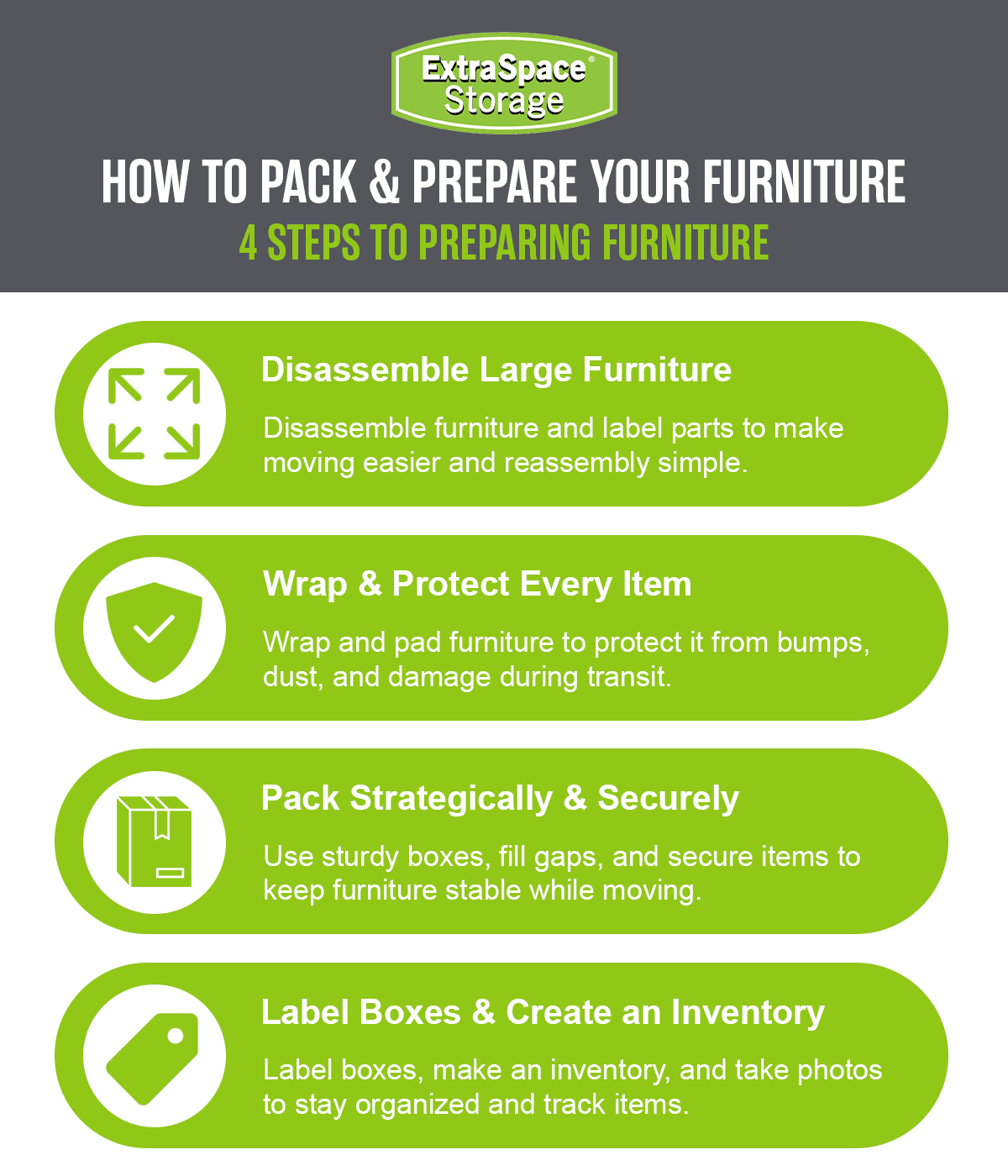
Once you’ve selected a shipping method, the next step is preparing your furniture so it arrives intact. Proper packing and prep can mean the difference between your furniture arriving in perfect condition or showing up with scratches and dings. Here are some practical packing and prepping tips to ship furniture safely.
Disassemble Large Furniture
Take furniture apart as much as possible before moving for easier transit and to reduce the chance of damage to fragile components. It’s smart to take photos or notes before disassembly so you have a reference for how to put things back together later. Remove table legs, headboards from beds, mirrors from dressers, and cushions from sofas to make these items less bulky and easier to pack and carry. Detach any hardware like knobs or pulls that could break off. Keep all screws, bolts, and small parts in a labelled, sealed plastic bag, and tape it to its corresponding furniture piece.
Wrap & Protect Every Item
It's crucial to protect furniture finishes and frames during transit by using moving blankets and furniture pads. After disassembling, use bubble wrap or foam sheets on delicate surfaces and corners, then cover the entire piece with moving blankets for cushioning. Secure the blankets with packing tape or plastic stretch wrap so they stay in place. For upholstered items like mattresses or sofas, use plastic furniture covers to keep out dust and moisture. Pay special attention to corners, edges, and protruding parts—add corner protectors, extra bubble wrap, or cardboard pieces on sharp edges to prevent chipping or scratching. The goal is to create a soft barrier around each item so it can’t rub or collide directly with other objects. Well-wrapped furniture is far less likely to get scuffed or broken in a truck that hits a bump.
Pack Strategically & Securely
If your furniture (or its components) will be boxed or crated, it's important to pack moving boxes efficiently. Choose sturdy containers like strong, double-walled cardboard boxes or wooden crates for heavy parts. Line the boxes with cushioning material, and don’t leave empty space inside where items can shift. For instance, you might fill gaps with packing peanuts, crumpled paper, or additional bubble wrap so that each piece is snug. When loading a moving truck or container, place larger, heavier furniture on the bottom and lighter boxes on top. Use straps or ropes to tie down items against the side of the truck/container to prevent sliding during sudden stops. If palletizing for freight, wrap the furniture on the pallet tightly with stretch wrap and use ratchet straps as needed to keep it immobile. Proper packing and loading will keep your furniture stable over the long ride.
Label Boxes & Create an Inventory
As you pack your boxes—or even as you load the moving truck—label each box with its contents and its designated room. Staying organized is part of good preparation and a smooth move-in. For disassembled furniture, you can also tape a note to the wrapped pieces so you know which parts go together. We highly recommend creating an inventory list of all your furniture pieces and boxes (i.e., basically a checklist of everything you’re shipping). Along with that, take photos of your furniture before it’s loaded up, especially any existing scratches or damage on pieces. This documentation helps if you need to file an insurance claim for damage, and it also gives you a reference to ensure all items arrive at the destination.
Find Affordable Self Storage Near You
Extra Space Storage has over 4,000 locations across the U.S. with friendly customer service, advanced security features, and affordable month-to-month rates.
- Save up to 40% off online
Elements That Affect Furniture Shipping Costs & Estimates
Shipping furniture to another state isn’t cheap, but knowing the cost factors in advance will help you budget and avoid surprises. The expenses can range widely depending on the specifics: A small furniture shipment might cost a few hundred dollars, whereas a cross-country move of an entire household could run a few thousand. In fact, nationwide averages for shipping furniture range from around $300 up to $4,500, with a typical cross-country shipment averaging about $2,400. To understand where you might land in that range, consider the key cost factors below.
Distance
The mileage of your move is a major cost driver. Generally, the farther you ship furniture, the higher the cost. Longer routes mean more fuel, more hours on the road for drivers, and possibly overnight lodging or higher logistical overhead. If you’re moving coast-to-coast, expect to pay a premium due to the sheer distance. Some companies charge per mile while others have zone or flat-rate structures for certain ranges, but the principle is the same—distance matters. If you have flexibility, combining your furniture shipment with a larger household move or opting for consolidated freight can optimize costs over long distances.
Shipment Size & Weight
The total weight and volume of your furniture will influence the price. Moving a studio apartment’s worth of furniture will be cheaper than a fully furnished four-bedroom house. Most movers and freight companies will ask for an inventory or an estimate of how many pieces, or the cubic footage of space needed. They might calculate cost per pound or per cubic foot. Heavy, bulky items like solid wood armoires or large sectionals cost more to transport because they take up more truck space and require more labor to handle. If you’re using LTL freight, your cost is partially based on how much of the truck you fill. With moving containers, you may pay per container or by linear footage used in a trailer. Be as accurate as possible when listing your items for a quote as underestimating can lead to price adjustments later.
Shipping Method
The mode of transport and level of service you choose greatly affect cost. As discussed earlier, options range from DIY truck rental to white-glove delivery. A budget truck rental will be cheaper upfront than hiring full-service movers, but remember to add fuel, tolls, insurance, and possibly equipment rental (dollies, blankets) to that DIY cost. Using LTL freight is often economical for a few pieces of furniture because you share the truck, but it might come with slower delivery and potential handling during transfers. Full-service moving or white-glove shipping is the most expensive because you’re paying for a dedicated crew and possibly a whole truck just for you. Portable containers fall somewhere in between. In short, convenience and speed tend to cost more. Evaluate what method fits your budget and if the added services are worth it for you. Sometimes combining methods is possible (e.g., shipping ordinary furniture via freight but paying extra for special crating of a valuable item).
Timing & Season
Believe it or not, when you ship furniture can influence cost. It's always best to schedule well in advance with your selected partners. The moving industry has busy seasons—typically summer is peak moving season in the U.S., and rates can be higher due to demand. If you schedule your move in June, you might see premium pricing or difficulty booking the exact dates you want. Conversely, moving in winter or late fall (off-peak times) could net you lower quotes, as companies have more availability and may offer discounts to fill trucks. Also consider transit time: faster shipping or guaranteed delivery services often cost extra. If you can allow a larger delivery window for your furniture, you might save money with a standard or flexible schedule. Always ask the carrier about timing options—sometimes a slight change in date can affect the price.
Additional Services & Fees
Factor in any extra services you require. This might include:
Professional packing services
Furniture disassembly/assembly fees if you need the movers to handle that
Additional moving insurance coverage on top of shipping insurance
Reserving temporary storage while moving
Special handling charges (e.g., if you have an oversized item that needs a crane or hoist)
Even things like needing a smaller shuttle truck because your new home isn’t accessible to a big semi-truck can incur a fee. Be sure to discuss all aspects with your moving company so you understand what’s included. Shipping insurance is one add-on we highly recommend not skipping—while it’s an additional cost, it protects you financially if something gets damaged or lost in transit. Weigh the cost of insurance against the value of your items for peace of mind.
Once you have a sense of these factors, estimating your furniture shipping costs becomes easier. Start by collecting quotes from at least two or three different companies or services. Many offer free online quote tools where you input your origin, destination, and a list of furniture items or an estimated load size. Others may schedule a video or in-home survey for accuracy. Getting multiple quotes allows you to compare prices and services—and remember, the cheapest quote isn’t automatically the best. Look at what each quote includes: transit time, insurance, packing materials, etc., and the company’s reputation for reliability. If a quote seems too good to be true, double-check for any hidden fees or exclusions. You can also use online moving cost calculators for a ballpark figure, but these are no substitute for personalized quotes.
Common Challenges of Shipping Furniture & How to Avoid Them
Shipping furniture interstate can come with a few bumps in the road (sometimes literally!). Here are some common challenges people face when moving furniture long distance—and how you can overcome them.
Damage in Transit
One of the biggest worries is that your beloved furniture might get scratched, dented, or broken along the way. Long trips in a truck, multiple loadings and unloadings, or rough handling can all take a toll. Take proactive steps to protect your items. As described above, it's best to pack for cross-country moves by wrapping everything well with blankets and bubble wrap and use sturdy boxes or crates. For especially fragile or valuable pieces, consider investing in custom crating or using a white-glove service that specializes in delicate furniture. Ensure items are tightly secured in whatever vehicle or container you’re using so they don’t shift. And don’t forget to purchase moving insurance or verify the mover’s liability coverage—this way, if something does happen, you can be reimbursed for repairs or replacement.
High Shipping Costs
It’s no secret that moving furniture out of state can be expensive, and cost is a challenge for many people. It’s easy for the budget to balloon once you add up truck rental or mover fees, packing supplies, fuel, and so on. Careful budgeting and planning of your cross-country move are your friends here.
First, declutter and downsize so you’re not paying to move items you don’t truly need—selling or donating a few large pieces can drastically cut costs and even earn you a bit of cash. Next, shop around for quotes to find a competitive rate, and see if you can be flexible with timing to take advantage of off-peak discounts. If you’re DIY-ing, plan your route to minimize extra mileage and pack efficiently to use space wisely (i.e., wasted space in a truck is wasted money). Remember that the goal isn’t just to choose the cheapest option, but the one that offers the best value for the service. A slightly more expensive mover that’s highly rated and all-inclusive might save you money in the long run by preventing damage or extra fees later on.
Delays & Timing Issues
When you ship furniture across states, especially using consolidated freight or during busy seasons, there can be delays. Maybe the truck takes longer to arrive than expected, or a shipment gets rescheduled. Not having your furniture arrive on time can be frustrating—nobody wants to spend a week sleeping on the floor because the bed is late! Mitigate this by building some flexibility into your moving timeline. If possible, ship furniture a little before you absolutely need it, or have a backup plan for temporary furniture at your destination in case of a slight delay. Communicate clearly with the shipping company about delivery windows and get tracking updates if available. If timing is critical (e.g., you’re moving and starting a new job right away), you might opt for a more direct shipping method like a dedicated truck (FTL) or even shipping some essentials via faster parcel services. Also, label your boxes with priority so you know which ones to unpack first once they do arrive. Patience and planning go a long way. Most cross-country shipments take at least a week, and sometimes a bit more if sharing space on a truck—knowing this upfront helps set realistic expectations.
Physical Strain & Injuries
Moving by yourself is hard work, especially if you've got a lot of furniture. Without proper technique or assistance, you risk injuries like strained backs, smashed fingers, or worse. Work smarter, not harder. Use packing and moving supplies like furniture dollies, hand trucks, furniture sliders, and lifting straps to move pieces with less strain. Always lift with your legs (not your back) and never try to lift something that seems too heavy—get help. Enlist strong friends or family to assist, or consider hiring labor-only movers for a few hours to do the heavy lifting for you. It might add a bit of cost, but it’s far cheaper than a hospital bill. Take your time on moving day, as rushing can lead to accidents. Remember, even professional movers work in teams for a reason. There’s no shame in getting help to protect your health and ensure your furniture is handled safely. A DIY move can save money, but as experts warn, it comes with higher risk of property damage and personal injury if not done carefully.
Lost Parts or Missing Items
In a complex move, especially one that involves shipping and possibly storing items, things like a bag of screws or small box can occasionally get misplaced. The key to avoiding this is organization. Keep small hardware in clearly labeled bags attached to the furniture they belong to, so those pieces never wander off. Do a final walkthrough of your old home (and the moving truck) to ensure nothing is left behind. At delivery, use your inventory list to check off each piece of furniture and box as it comes off the truck. If anything is missing, alert your moving company or driver immediately so they can help track it down. Most reputable movers have tracking systems for shipments. If you’re moving items in stages or storing some, label those separately so you don’t accidentally lose track of them. Being diligent with checklists and labels will virtually eliminate the risk of missing items.
Scams or Low-Quality Service
Unfortunately, there are some companies that quote low then add hidden fees, as well as inexperienced carriers that mishandle items. Falling victim to a moving scam or dealing with careless movers is a challenge no one wants—so be sure to research thoroughly. Here are some tips:
Choose your shipping method provider carefully: read online reviews, ask for recommendations, and verify credentials (proper licensing and insurance).
Don’t just automatically go with the lowest bid; if a price is far below others, that’s a red flag.
Get everything in writing, including an inventory of items and agreed delivery dates or windows.
During the move, stay in communication—reputable movers will keep you updated and answer your questions. If you’re using a marketplace to find a carrier (like uShip or CitizenShipper), use their platform’s safeguards and never pay the full amount up front.
By picking trustworthy professionals and maintaining good communication, you can avoid most of these headaches. And again, having moving insurance means even if something does go wrong, you’re financially protected.
***
Planning a move? Along with helpful moving resources, Extra Space Storage is proud to offer affordable self storage near you to help make the transition to your new home easier. Reserve storage today!

Helpful Tips for Cross-Country Moves

A Guide to Moving Out of State
Wondering how to move to another state? These interstate moving tips and moving out-of-state checklist can help you easily plan the best cross-state move!

Complete Long Distance Moving Guide
Searching for practical tips for moving cross country? Check out our helpful guide to make for a smooth long-distance move!

Cheap Cross-Country Moving Guide: 7 Tips for an Affordable Move
Moving cross-country on a budget? Learn practical, low cost strategies to save money and simplify your long-distance move.

How Much Does Junk Removal Cost?
Junk removal services cost $75-$800 based on volume, weight, location, & item type. Compare dumpsters & full-service to find the cheapest ways to remove junk.
Cheap Cross-Country Moving Guide: 7 Tips for an Affordable Move
Moving cross-country on a budget? Learn practical, low cost strategies to save money and simplify your long-distance move.
Author Profile
Quinn Johnson
Quinn Johnson is a moving expert and author for Extra Space Storage. He's moved over 15 times, including internationally, and helped countless others between their own homes. He's happy to lift some boxes for a friend as long as he's paid in pizza. As a writer and content creator for Extra Space Storage since 2019, Quinn shares helpful moving tips and info to alleviate the common stresses of moving.