Moving Guide
Complete Long Distance Moving Guide

Moving out-of-state or across the country? Long-distance moves require more planning than local moves, but there are steps you can take to help ensure a stress-free relocation. Read our guide to help plan your long-distance move, stay organized, and transition smoothly into your new home.
Pre-Move Preparation
Solid planning is the foundation of a successful long-distance move. Start by laying the groundwork with budgeting, scheduling, and decluttering.
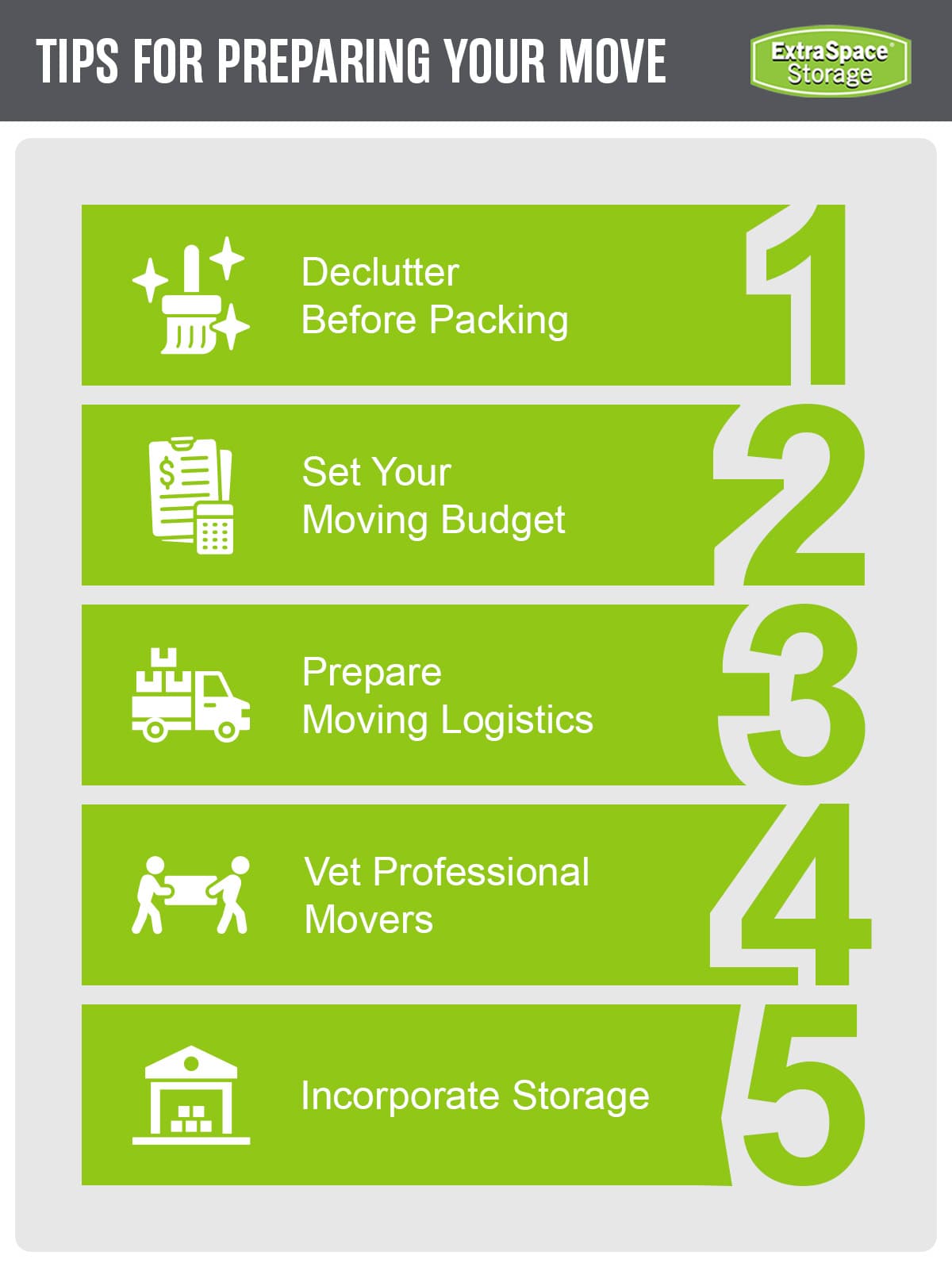
Declutter Before Packing
Decluttering before a long-distance move is one of the most effective ways to lower your overall moving expenses and streamline the entire relocation process. Because cross-country moving costs are largely calculated using shipment weight and volume, every item you decide not to pack directly reduces your freight charges, packing material expenses, and labor costs. Start decluttering by sorting belongings into categories:
Keep: Items you actively use, hold genuine sentimental value, or are essential for your daily life at your destination
Donate: Items that are in good, functional condition but no longer serve a purpose in your current routine
Discard: Anything broken beyond repair or expired
Set Your Moving Budget
List anticipated expenses like transportation, fuel, lodging, and more. Packing supplies are also an important element to consider if you're moving on a budget, though finding free boxes can help reduce that cost. Be sure to set aside extra funds for unexpected costs to keep your finances on track during your out-of-state moving journey. The cost of moving long-distance averages about $3,500, but this can change based on mileage and the size of your space—for example, hiring movers for a 4-bedroom home to move to the other side of the country could reach $15,000 or more. Using a moving cost calculator can help you get a more accurate estimate of your moving expenses.
Prepare Moving Logistics
Make a moving checklist for yourself by breaking down your move into weekly tasks, from booking travel to packing each room. It's best to set clear deadlines for every step to help you prevent last-minute rushes. Inform the postal service, banks, insurance providers, and subscriptions of your change of address. Also notify employers, schools, and other key contacts to ensure you won’t miss important correspondence at your new location.
Vet Professional Movers
If you're using professional movers, ask questions, verify USDOT numbers, and get estimates from at least three licensed carriers—not brokers. Avoid red flags like deposits over 20% or quotes without an in-person or virtual walkthrough.
Incorporate Storage Into Your Long-Distance Moving Plan
Flexible storage is often essential during long-distance transitions. Reserve a temporary self-storage unit if your target move-in date doesn't perfectly align with your closing date, if you're downsizing, or if you need a staging space while remodeling your new home. Using a secure storage facility near your destination keeps your belongings protected without forcing you to unload everything at once.
Packing & Organization
Effective packing and organization for a long-distance move requires a subtle shift in mindset compared to a local relocation. Follow these tips to ensure your items are secure and easy to access.

Be Strategic With Box Management
When items are traveling across state or national lines, inventory management becomes critical. Rather than just packing and labeling a box as "Kitchen," include broad item summaries to ensure you know precisely what is in each container before it disappears onto a long-haul trailer. If you're using short-term storage for a portion of your belongings, color-code or tag those specific boxes so movers can unload them directly into your storage unit. Take photos of fragile or valuable items before packing in case you need to make insurance claims.
Prepare a Moving Essentials Kit
Distance creates delays. Weather, logistics, and driver schedule limits mean your household goods might arrive days—or even weeks—after you do. When planning a long-distance move, prepare a self-contained "survival kit" that travels directly with you in your personal vehicle or in your luggage on a flight. Pack a separate bag with immediate necessities like toiletries, clothing, medications, chargers, and snacks. Organize vital documents such as IDs, passports, financial records, and leases and carry them in a safe, accessible folder so they’re protected and easily reachable when needed.
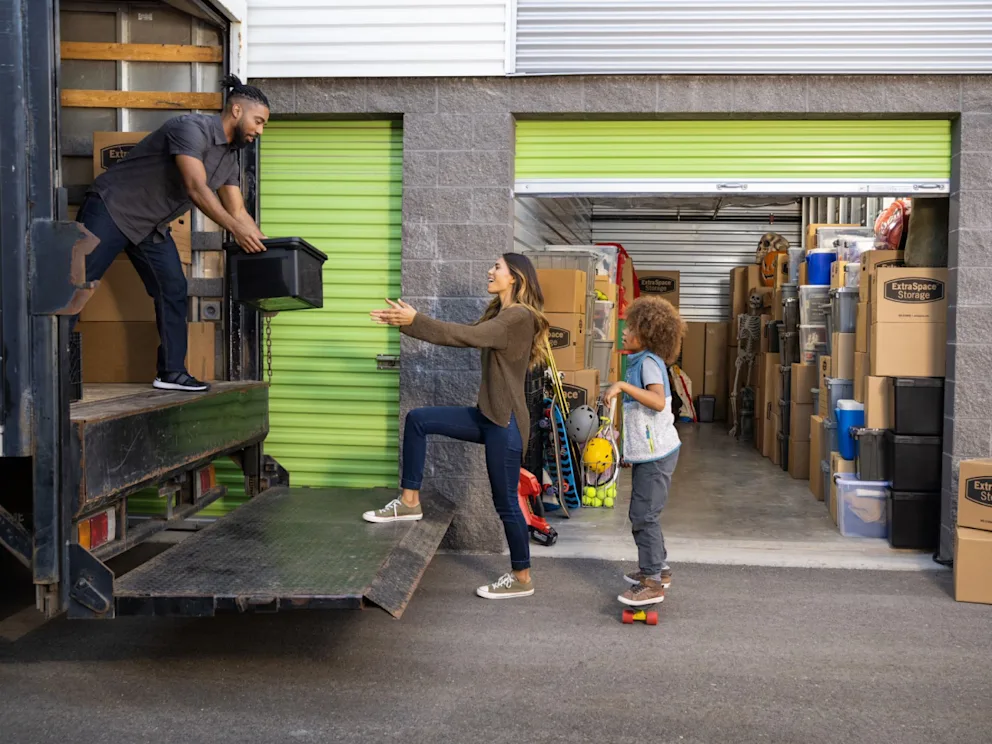
Find Affordable Self Storage Near You
Extra Space Storage has over 4,000 locations across the U.S. with friendly customer service, advanced security features, and affordable month-to-month rates.
- Save up to 50% off online
Logistics & Transportation
Because long-haul travel introduces additional variables—from multi-state transit regulations to multi-day driving shifts—mapping out your vehicle logistics, pet safety, insurance coverage, and travel itineraries early ensures a seamless transition to your new home. Follow these cross-country move tips to streamline your transportation and travel planning.
Choose Your Method of Cross-Country Transportation
Decide whether to drive, tow, or use a transport service for your vehicle, and use a moving truck calculator to estimate what size of vehicle you'll need. If you plan to drive your own car, schedule a thorough pre-move vehicle maintenance inspection—focusing on fluid levels, tires, brakes, and belts—to reduce the risk of a breakdown on remote stretches of highway. For households with multiple vehicles or those opting to fly, research professional auto transport services early to compare terminal-to-terminal versus door-to-door delivery costs and timing. Try to map out your travel route, schedule rest stops or overnight stays, and book accommodations in advance.
Consider Moving Insurance
Long-transit routes can increase the risk of your belongings being damaged due to shifting or being handled roughly, making comprehensive valuation coverage essential. Start by reviewing the baseline coverage that moving companies often offer. Keep in mind, this coverage generally pays only a minimal rate per pound, which can be insufficient for high-value goods. Review your existing homeowners or renters insurance policy to see if personal property in transit is covered. Consider purchasing supplemental or third-party moving insurance to cover the actual cash value of your possessions. Utilizing a moving insurance calculator can help you better estimate added coverage costs and ensure peace of mind during transit.
Prepare Your Pets for the Move
Moving with pets can be made easier by scheduling a vet visit and updating vaccinations. Introduce your pet to their travel carrier in advance and be sure to pack a pet travel kit with food, water, medications, and a favorite toy to ensure your pet’s comfort and safety during your move.
Settling Into Your New Home
Moving can be stressful and a bit nerve-wracking, so after a long journey, feeling at home is more important than ever. The first priority for ensuring a comfortable environment is to verify that all primary utilities are updated and active—including electricity, water, gas, heating and cooling, and internet service. Resolving any utility delays on day one ensures your basic living needs are met and allows you to focus on unpacking without unnecessary disruptions.
Unpack High Traffic Rooms First
Once everything is unloaded, focus your initial unpacking efforts selectively rather than trying to tackle the entire house at once. Prioritizing essential living areas—specifically the main bedrooms, primary bathrooms, and kitchen—gives you functional spaces to rest, recharge, and prepare meals right away. Non-essential areas, secondary storage, and decorative projects can be systematically addressed over the following days and weeks as you adjust to your new routine.
Personalize Your New Space & Make It Familiar
Take time to navigate your immediate surroundings by locating daily necessities like grocery stores, pharmacies, urgent care facilities, and gas stations to help you feel grounded in your new neighborhood. Finally, begin personalizing your interior layout by arranging furniture, choosing a decorating aesthetic, displaying meaningful decor, and establishing daily household routines that gradually transform an unfamiliar property into a comfortable, welcoming home.
Your Roadmap to a Successful Long-Distance Move
A final review of all preparations ensures you’re fully ready for your moving journey. Keep these final steps in mind as you transition to your new chapter.
Conduct a Final Checklist Review: Revisit the entire checklist to ensure all tasks are complete and nothing is overlooked. Adjust your plan as necessary to accommodate any last-minute changes.
Maintain a Positive Outlook: Embrace each step of the move with a hopeful and patient mindset. Stay positive and be open to new experiences as you settle into your new community.
Long-Distance Moving FAQs
How far in advance should I start planning my long-distance move?
It's best to begin planning your move 8–12 weeks in advance to ensure you have enough time to budget, schedule, and complete all essential tasks—just remember that more complex moves may require more time for planning and preparation.
How do I budget for moving out of state?
Calculate core cross-country moving costs—like movers or truck rentals, fuel, lodging, moving insurance, and storage—then add a 10% to 15% emergency reserve to cover unexpected travel or transit expenses.
How can I protect important documents during the move?
Keep vital documents safe, like IDs, passports, financial records, and lease agreements, by keeping them inside a secure, waterproof folder. Keep this container directly with you in your personal vehicle or carry-on luggage throughout the entire journey, rather than packing it inside general moving boxes, storage units, or the moving truck. For added security, scan physical copies in advance to create encrypted digital backups on a cloud drive.
What steps should I take for auto transport during a move?
Choose your transport method—whether that's driving the vehicle yourself, towing it behind a rental moving truck, or hiring a professional auto shipping service. If you plan to drive, schedule a pre-move mechanic inspection to check the tires, brakes, battery, and fluids to ensure a safe road trip. If you choose to hire an auto transport company, get quotes from licensed carriers early, decide between open or enclosed transport, and factor the cost—typically $800-$1,800—into your budget. If it's not cost-effective to transport the car during the move, consider vehicle storage.
*** Moving soon? Plan a smooth relocation with Moving Resources from Extra Space Storage. And if you need temporary storage during your move, we have thousands of locations across the U.S. to help with your transition. Find affordable storage near you!
Related Cross-Country Moving Guides

How Much Does it Cost to Move Across the Country?
Wondering what it costs to move across the country? Here are estimated long-distance moving costs and factors that affect the total price you pay.

19 Packing Tips for Cross-Country Moving
Trying to find the best ways to move long distances? A cross-country move can take a lot of planning. Check out these packing tips for moving out of state!

Moving on a Budget: Affordable Ways to Move Across the Country
Explore affordable ways to move to another state, with moving budget factors, storage options, and more in this cross-country moving guide.
Cheapest Ways to Ship Boxes Across the Country
Need to ship moving boxes across the country? Explore the most affordable ways to ship boxes in this guide!
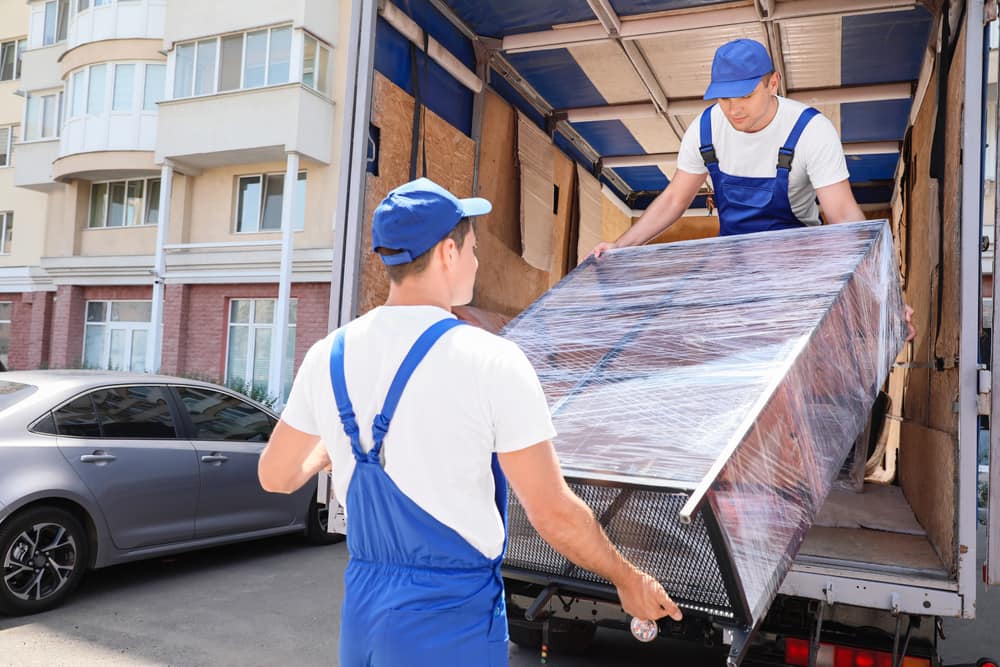
Guide to Shipping Furniture Out of State
Moving to a new state? If you're thinking of shipping your furniture, check out this guide to learn how to prep your belongings for transit!
Author Profile
Quinn Johnson
Quinn Johnson is a moving expert and author for Extra Space Storage. He's moved over 15 times, including internationally, and helped countless others between their own homes. He's happy to lift some boxes for a friend as long as he's paid in pizza. As a writer and content creator for Extra Space Storage since 2019, Quinn shares helpful moving tips and info to alleviate the common stresses of moving.