Moving Guide
Your Guide to Find Free & Cheap Moving Boxes
Once you've used all the containers you already have—appliance boxes, suitcases, laundry baskets, storage bins, and more—there are plenty of other sources you can turn to for additional boxes. Here are all the ways you can track down free or low‑cost cardboard boxes nationwide, plus tips on choosing the right sizes and recycling them responsibly after your move.
20+ Places to Get Free Moving Boxes Near You

Grocery Stores
Produce, cereal, and paper‑product boxes are thick‑walled and uniformly sized—ideal for heavy pantry items.
Ask the night‑shift manager—that’s when shelves are restocked and empties pile up.
Liquor Stores & Breweries
Heavy-duty boxes from liquor stores often come with cardboard dividers that protect glassware, candles, kitchenware, vases, collectibles, and more.
Monday mornings are often the best for boxes because they're after weekend deliveries.
Big‑Box & Home‑Improvement Chains
Retailers like Walmart, Target, Lowe’s, and Home Depot restock daily.
Head to customer service just after opening—many stores bundle empties on pallets for recycling.
Bookstores & College Libraries
Sturdy book cartons hold lots without buckling—perfect for records, files, and your own book collection.
Check university campus libraries near semester breaks.
Pharmacies
Medicine and supplement boxes are small but tough, ideal for bathroom items and spices.
Office Supply Stores
Stores like Office Depot and Staples may have paper-ream boxes that are ideal for heavy items like files and books.
Uniform in size with tight-fitting lids, these boxes are sturdy and built to handle weight.
Restaurants & Coffee Shops
Bulk beans, dry goods, and cup sleeves arrive in double‑walled cartons.
Ask before closing, when back‑of‑house clears storage.
Apartment Complexes
Tenants who just moved in often leave gently used boxes by dumpsters.
Go in the evening before recycling trucks arrive at dawn.
Local Recycling Centers & Transfer Stations
Many facilities set clean, reusable boxes aside for community pickup.
Yard Sales & Estate Sales
Sellers happily part with empties as items clear out. Sunday afternoons are prime time.
Schools & Daycares
Supply shipments arrive in thick boxes perfect for toys or linens. Check with custodial staff.
Community Centers & Churches
Donation drives often leave behind a surplus of lightly used cartons.
Bike, Auto Parts, & Pet Supply Shops
Odd‑sized specialty boxes help protect artwork, mirrors, or sports gear.
Airports & Shipping Depots
Cargo offices recycle clean, heavy‑duty corrugated cartons daily.
Craigslist Free Section
Search “moving boxes”and filter by newest listings. Then set an alert.
Facebook Marketplace & Buy Nothing Groups
Community members give away bundles after a move. Respond quickly and politely.
Nextdoor
Local threads show free boxes within blocks of your address.
Freecycle & Trash Nothing
Eco-conscious people list boxes alongside pickup instructions.
OfferUp & Letgo
Browse the “Free” category. Many listers simply want boxes gone by end of day.
Military Bases
Commissaries frequently set out banana and apple crates—great for bulky pantry items.
Find Affordable Self Storage Near You
Extra Space Storage has over 4,000 locations across the U.S. with friendly customer service, advanced security features, and affordable month-to-month rates.
- Save up to 40% off online
Retail Options to Get Cheap Moving Boxes Near You
If timing or quality control is important, it can be worth paying a small fee for fresh cartons at any of these locations.
Dollar Stores: Sometimes carry 16- to 18‑inch boxes seasonally for around $2 each.
Office‑Supply Chains: Multipacks lower the per‑box price to about $1.50.
Home‑Improvement Stores: Heavy‑duty moving‑box bundles (with handles) cost, on average, $2-$4 and hold up in storage units or cross‑country shipping.
Online Box Kits: Websites offer curated room‑by‑room kits shipped to your door, often with free labels or tape included.
If you plan on renting storage during your move, consider buying cheap moving boxes from an Extra Space Storage location near you! We also have additional moving supplies available for purchase at our facilities across the U.S.
Online Marketplaces & Apps to Find Free & Cheap Moving Boxes
Platform | Best For | Pro Tip |
Buying pre‑owned boxes from nearby sellers | Sort by zip code and “double‑wall” strength. | |
Eco‑friendly bundled kits | Search for bundles that include packing paper—two birds, one checkout. | |
Specialty sizes (bike, TV, art, etc.) | Ask sellers for photos to check box edges are still sturdy. | |
Prime‑eligible bulk packs | Check product Q&A for recyclability info. |
Free vs. Cheap Boxes: What's Actually the Better Deal?
“Free” boxes aren’t always free if getting them requires driving all over town. If you spend an hour visiting five stores to collect boxes, you’re trading your time and fuel for something that costs nothing at the register. By comparison, a $15 bundle of moving boxes from a single store may be the better value if it saves you a trip—or several.
Consider the total cost, not just the price of the boxes:
Free boxes: $0 for the boxes, but $5–$10 in gas, plus an hour or more spent driving and collecting them.
Cheap box bundle: Around $15 upfront, but little or no extra time or fuel if you can pick it up during an errand you were already making or have it delivered.
The break-even point depends on how much you value your time and what you'll spend on transportation. If finding free boxes takes just 20 minutes during a trip you were already making, it's probably worth it. But if getting them means several separate stops and a long drive, paying for a bundle may be the more economical choice.
How to Pick the Right Moving Boxes
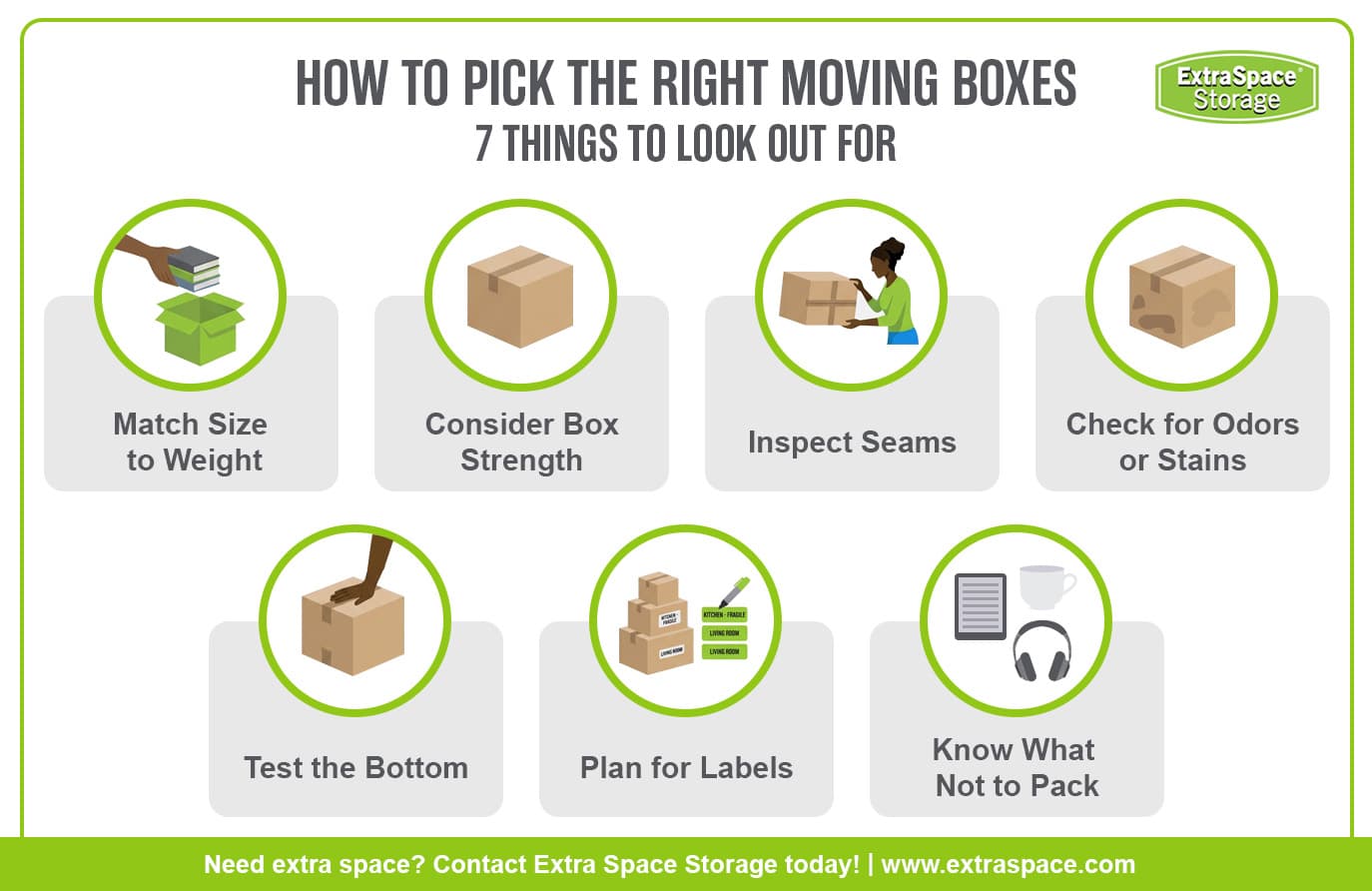
Match Size to Weight: Use small (1.5 cu ft) for books, medium (3 cu ft) for kitchenware, and large (4.5 cu ft) for light linens.
Consider Box Strength: Different box types have different structural limits. Produce and banana boxes are generally best for moderately heavy items and should stay around 30–40 pounds, while sturdy printer-paper boxes can typically handle 40–50 pounds and are a good choice for books and files.
Inspect Seams: Look for double‑stitched or glued corner seams and avoid torn flaps.
Check for Odors or Stains: Pass on boxes that were filled with spoiled produce, chemicals, or cigarettes.
Test the Bottom: Press lightly in the center. If it bows, reinforce it with packing tape or skip it.
Plan for Labels: Write directly on boxes with a smooth material, but use stick-on labels instead of ink if you plan to use glossy boxes.
Know What Not to Pack: Free or used boxes are fine for most moving-day items, but avoid using them for delicate items like fine china and electronics or for long-term storage—where moisture, pests, and weakened cardboard could cause damage. For items that need to be stored for months, sturdier containers or a climate-controlled storage unit are a better choice.
How to Store Boxes Before Your Move
If you start collecting boxes weeks before moving day, proper storage can keep them clean, dry, and sturdy until you’re ready to pack. Consider these tips:
Keep boxes dry: Store boxes in a clean, dry indoor space away from moisture and humidity—which can weaken cardboard over time.
Store boxes flat: Break down boxes and stack them flat to save space and prevent them from becoming bent or crushed before you're ready to pack.
Keep boxes off the floor: Use a shelf, pallet, or other raised surface to protect boxes from leaks, spills, or damp floors while helping discourage pests.
Give collected boxes a quick inspection before using them, especially if they've been stored for an extended period. Discard any that feel soft, show signs or pests, or are damp, warped, torn, or otherwise damaged.
Eco‑Friendly Ways to Reuse or Recycle Moving Boxes
Host a Post‑Move Box Swap: List your boxes on neighborhood apps and pay it forward to the next mover.
DIY Home Projects: Create drawer dividers, kids’ craft stations, or pet playhouses.
Gardening: Remove tape and staples from boxes, then layer cardboard in your garden beds to prevent weeds.
Curbside Recycling: Confirm pickup days for cardboard in your city. Then flatten boxes, bundle with biodegradable twine, and set on the curb.
Bulk Drop‑Off: Many municipal recycling parks accept unlimited flattened boxes for free.
Frequently Asked Questions About Moving Boxes
Are used moving boxes sanitary?
Used moving boxes can be perfectly suitable if they're clean, dry, and free of odors, stains, and signs of pests. Simply avoid boxes that previously held chemicals, spilled food, or other materials that could contaminate your belongings.
How do I store boxes before my move so they don't get damaged?
Keep empty moving boxes in a cool, dry area away from moisture and pests. Flatten boxes when possible, stack them neatly, and inspect them for damage before packing.
Can moving boxes get wet or damaged in the rain?
Rain can weaken cardboard because it absorbs moisture, potentially damaging both the moving boxes themselves and the contents inside. If it starts raining, keep boxes covered during loading and unloading, avoid placing them on wet surfaces, and move them indoors as soon as possible.
How many boxes do I need for a one-bedroom home?
For a one-bedroom home, plan on picking up 20 to 40 boxes in a variety of sizes to accommodate everything from books and kitchenware to clothing and larger belongings. For a two-bedroom home, plan on 30 to 55 boxes. Use our moving box calculator to get a more personalized estimate based on your home size and packing needs.
***
Ready to make your move even easier? Check out our other moving resources for calculators, packing tips, supplies, checklists, and more. Or find an Extra Space Storage facility if you need a temporary place to keep items before, during, or after your relocation. Rent a storage unit near you today!
Top Trending Articles & Tools
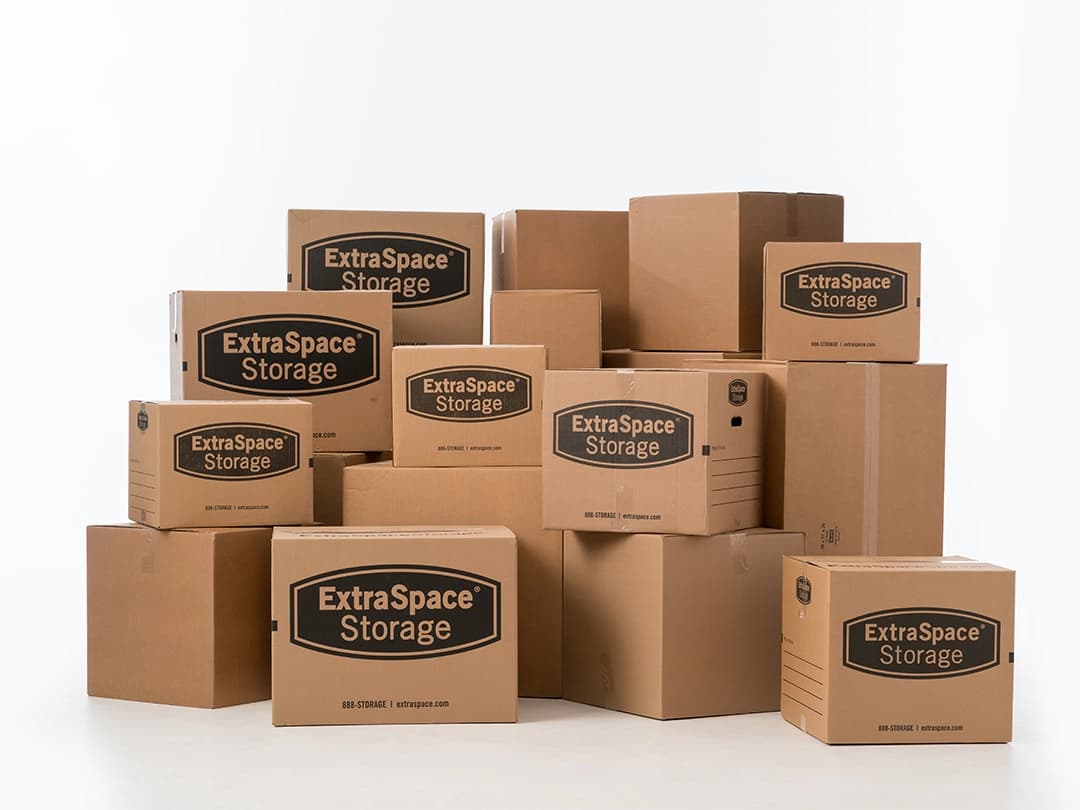
Free Moving Box Calculator - Estimate How Many Boxes You'll Need
Use our helpful packing and moving box calculator to estimate the number of boxes required for your move.
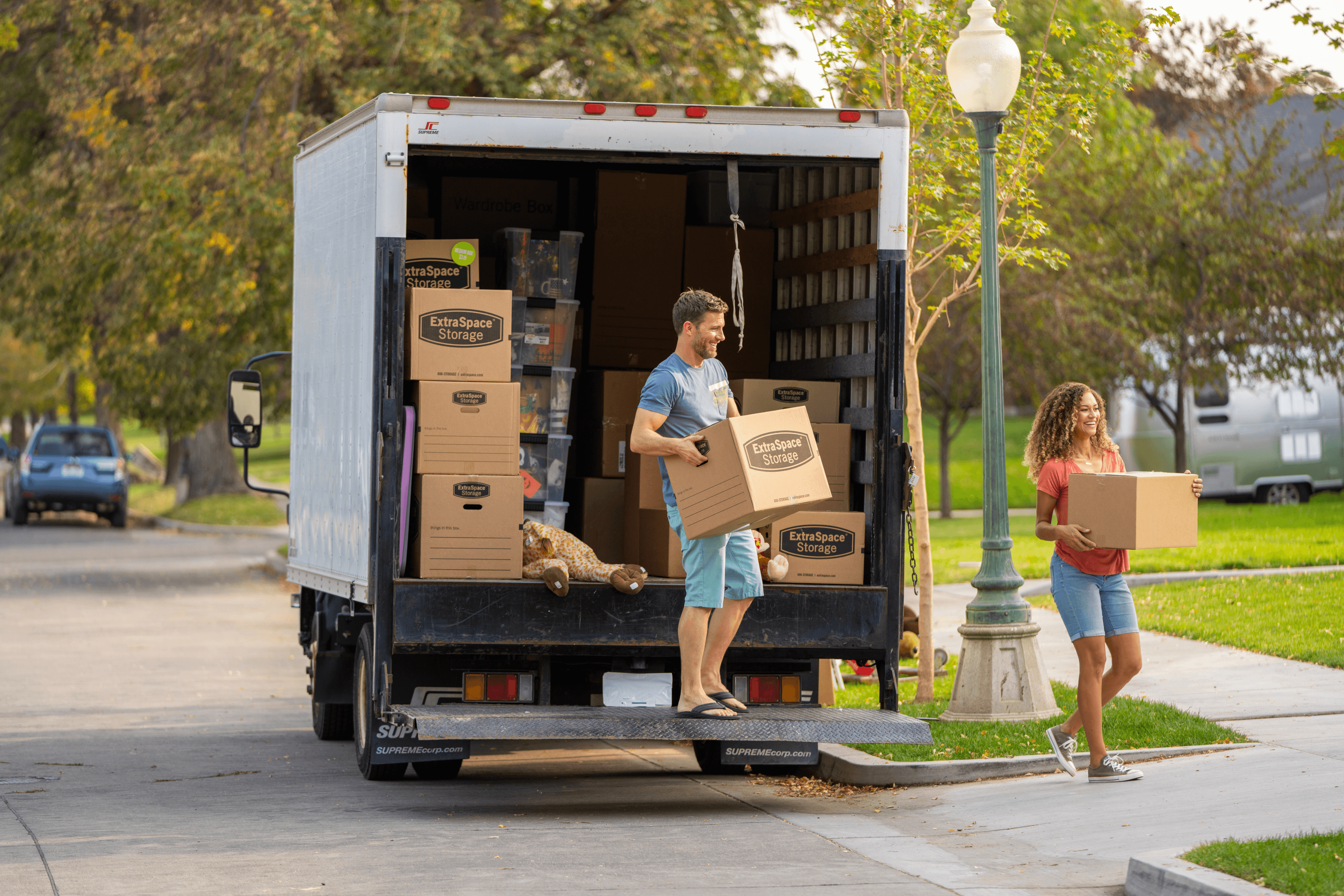
Moving Truck Size Calculator: What Size Truck Do You Need?
How big of a box truck do you need for your upcoming move? Check out this moving truck size calculator to find the right moving truck rental for you!
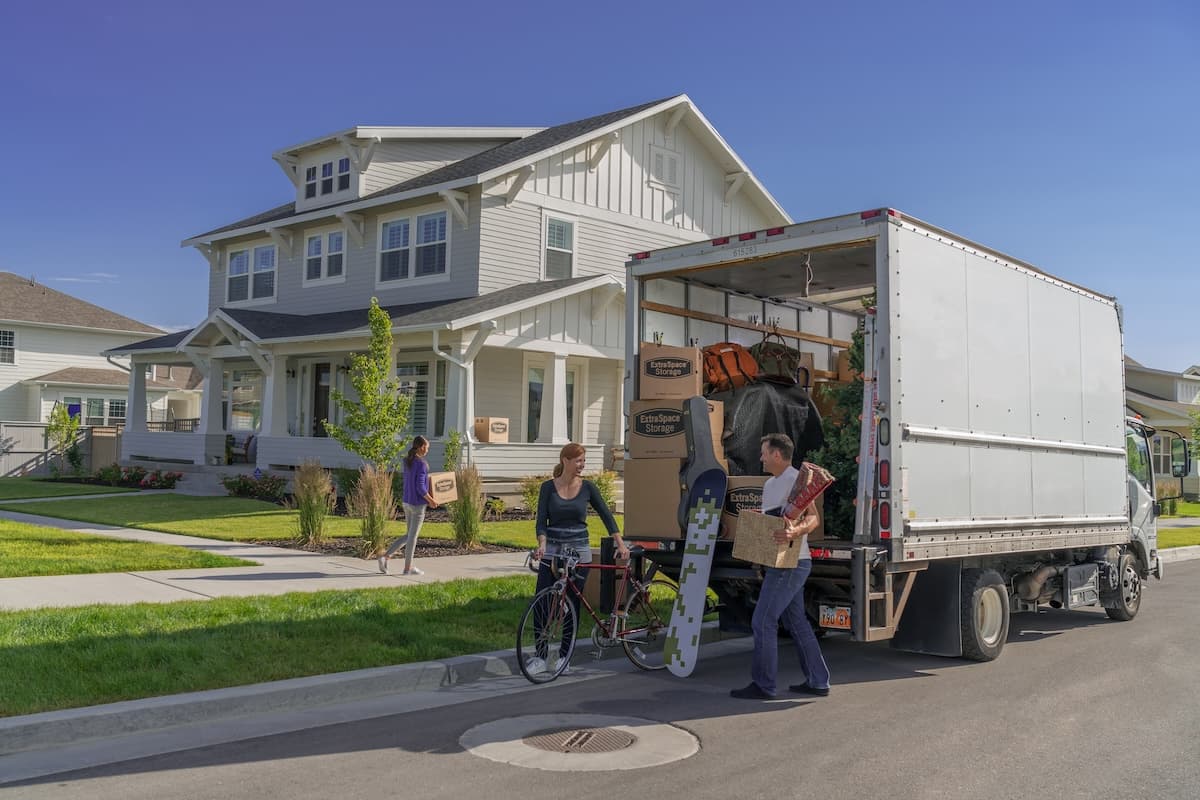
How to Move: Your Complete Guide to an Easy Relocation
Planning a move? This moving guide includes everything you need for planning a smooth relocation, including checklists, packing tips, costs, and more.
16 Moving Tips for Moving By Yourself
Moving without help? Whether you need to rent a moving truck, move furniture, or label moving boxes, here are tips for moving yourself into your new space!

Moving Out of Your Apartment Checklist
Moving out of an apartment can be stressful. Our checklist for moving out of an apartment can help guide through the entire process to ease the transition!
Author Profile
Quinn Johnson
Quinn Johnson is a moving expert and author for Extra Space Storage. He's moved over 15 times, including internationally, and helped countless others between their own homes. He's happy to lift some boxes for a friend as long as he's paid in pizza. As a writer and content creator for Extra Space Storage since 2019, Quinn shares helpful moving tips and info to alleviate the common stresses of moving.