

Home renovation projects are exciting, but also often mean you need to do some creative reorganizing or dealing with a cramped living space—in addition to potential damage to belongings and uncertain timelines. Renting self storage offers many solutions to these common renovation storage problems. Keep reading our guide for using self storage for home renovations.
Why Use Self Storage During a Home Renovation?
There are several benefits to renting self storage during a home renovation—rather than figuring out a temporary new spot in your home or even using a driveway storage container. When planning a renovation, a storage unit provides a secure, off-site location to store items that aren’t immediately needed, from furniture to personal keepsakes. Here are a few other benefits of using a storage unit during a renovation.
Maintain Organization of Belongings in Home
While projects like a bathroom renovation might allow your family to temporarily convert to a single-bathroom household, reno projects like kitchen remodels make it difficult to balance the organization of needed items amongst existing rooms in the home. By moving less-used items from nearby rooms into a unit, you can make space for your needed belongings that are typically kept in the room that’s being remodeled, so you’re not left running to the store to purchase something or searching in bins or boxes.
Reduce Clutter Around the Work Zone
Renting a self storage unit during a remodel project like a home addition or a basement renovation effectively clears the work zone. This enables contractors to work more efficiently and keeps you from constantly shuffling items out of the way or cleaning them. Beyond convenience, an uncluttered environment also improves safety and productivity, and can provide some visual relief from the chaos of a stressful period.
Protect the Quality of Your Belongings
As work zones, renovation sites are dusty and messy, potentially posing a risk of damage from debris, paint, or accidental bumps. Storing items in a clean, secure unit—especially one that offers climate control—helps preserve your belongings while shielding them from extreme temperatures and humidity levels that could damage sensitive belongings like furniture, electronics, and artwork.
Store DIY Remodel Supplies & Materials
If you’re chipping away on a DIY home renovation or house-flipping a little at a time, you can have the flexibility of time but managing timelines for projects and shipped materials can be tricky. If you want somewhere to keep supplies when you don’t have time to work on the project, consider using a storage unit to house supplies like lumber, tools, and tarps. Having a dedicated off-site space also allows you to purchase items like bathroom tile or kitchen flooring in bulk without worrying about causing daily clutter. Keep in mind that items like paint, paint thinner, and cleaning supplies should not be kept in a self storage unit, as they’re highly flammable.
Self Storage Considerations
Choosing the right self storage solution during home renovations involves more than just finding a cost-effective option. Extra Space Storage recommends the following storage considerations while selecting your unit for a short or long-term renovation project.
Size
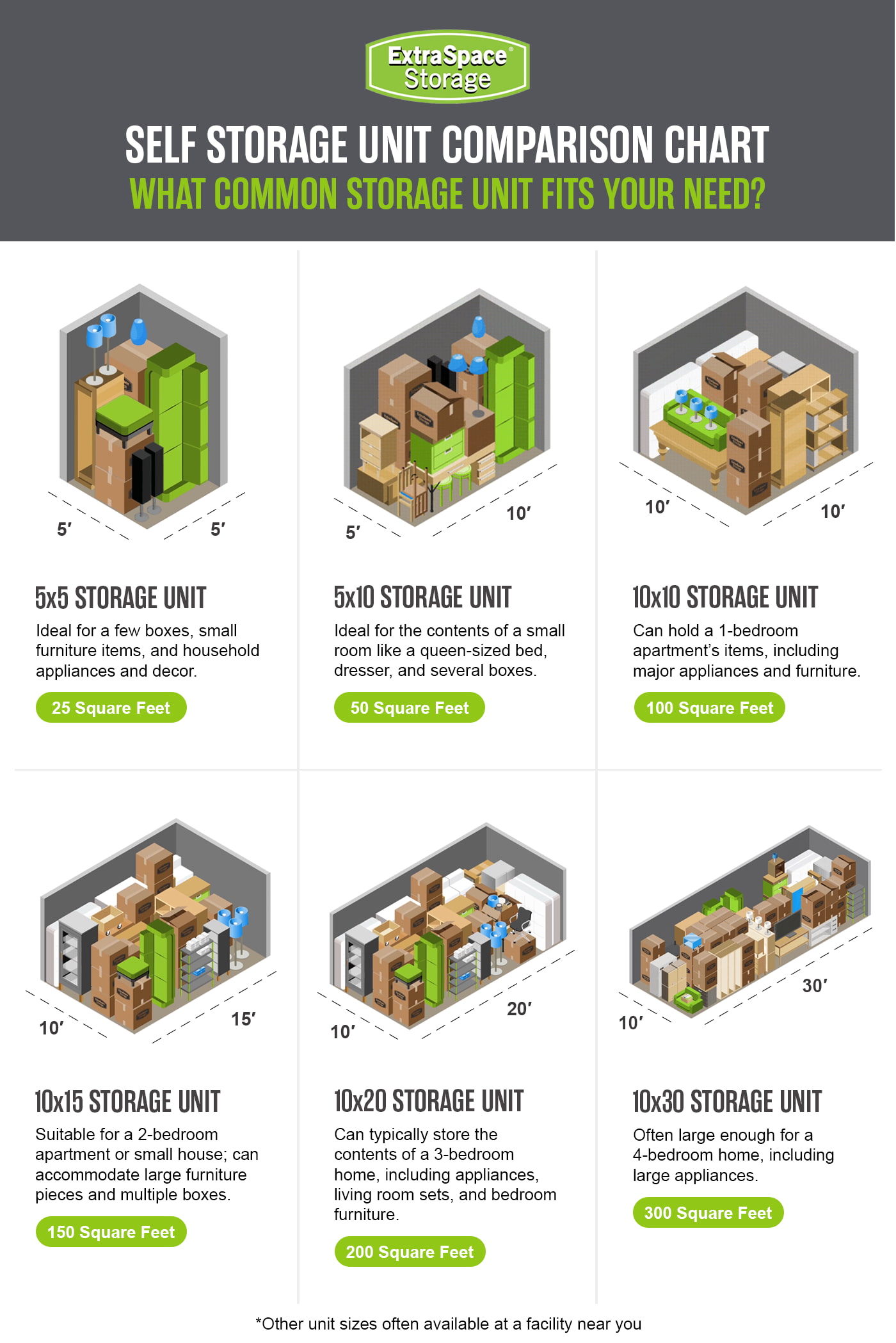
Consider the project’s scope when deciding how large of a storage unit you need. While most storage units range from 25 square feet to 300+ square feet, there are other sizes that can better equip the amount of belongings you need to store. For example, a 10x20 unit is ideal for vehicle storage or for an outdoor living space upgrade—while a 10x10 unit is perfect for a teen bedroom remodel. Take a rough inventory of the items you plan to store, including furniture, appliances, and boxes, to gauge the necessary storage volume.
Amenities
Amenities are also something to consider—if you’ll frequently need to access items from the unit, a ground-floor or drive-up storage unit is best. Secure vehicle storage can also free up garage space at home, creating an additional workspace or storage space for your daily belongings. If you plan to keep the unit after the renovation, make sure to choose a unit that will suit your long-term storage needs. If your renovation spans several months or occurs during extreme weather seasons like winter or summer, climate-controlled storage units can help keep temperature-sensitive items in good condition by maintaining a consistent temperature and humidity level—such as electronics, artwork, instruments, wooden furniture, and more.
Hear what Extra Space Storage customers have to say:
Security
Renting a storage unit to hold belongings during a home reno comes with the benefit of security—unlike renting a driveway storage container. Included in a storage unit reservation are facility and unit-specific security measures for storage units including regulated access, monitoring and surveillance systems, and more to help provide peace of mind while away from your belongings.
Cost
Home update projects can get pricey—but the peace of mind and extra space you get from renting a storage unit for your belongings can be a major stress relief and take the hassle out of DIY renovations in particular. When budgeting for storage unit costs, amenities and features do impact price, which is why we’ve recommended considering the above elements. Climate-controlled storage rates can get pricey, but they’re especially helpful for long-term renos. Creating a wine room? Keep your collection safe by considering wine storage near you! Whether you’re doing a garage makeover or wish to create temporary home storage in your garage or driveway, moving your recreational vehicles like RVs or boats or even motorcycles into self storage will help to prevent any damage to the vehicles from moving in or out of the workspace or area.
Tips for Using Self Storage During a Home Renovation
Declutter Before You Pack
A home remodel is a great opportunity to reevaluate what you’d like to keep in your updated space. Before filling your storage unit, go through your belongings and declutter anything you no longer need, use, or love. After you’ve decluttered, you can donate or sell items in good condition. This can be a great way to give someone else that finishing touch they’ve been looking for while maximizing space in your storage unit.
Disassemble & Protect Furniture
Whenever possible, disassemble large furniture pieces—such as bed frames, tables, and shelves—before moving them into self storage. This will allow for easier transport and more compact storage. Keep all screws, bolts, and other hardware in clearly labeled bags, taping them to the corresponding furniture to ensure nothing gets lost. Protect table surfaces and other furniture with spare towels, moving blankets, or stretch wrap to shield them from dust, dirt, and scuffs. You can also place cardboard between stacked pieces to prevent scratching.
Prep Sensitive Items for Storage
Be mindful when storing temperature-sensitive items like vinyls, televisions, computers, instruments, antiques, or furniture. Clean and thoroughly dry all items before packing them away, especially if you’re not using a climate-controlled unit. Preventing humidity via condensation or damage from extreme temperature swings is crucial for stopping warping, cracking, mildew growth, and more.
Pack Your Storage Unit Properly
To maximize space when packing your storage unit, store items vertically whenever possible. Stack boxes neatly, with heavier ones on the bottom for stability—or invest in a shelving unit for even better organization. Consider placing pallets or wooden skids on the floor before standing mattresses and sofas on their sides. Create a small aisle down the middle or along one side of your unit for safe, easy access, and keep any frequently-used items near the front.
Keep an Inventory of Your Belongings
When storing items, it’s not uncommon to lose track of them. That’s why creating an inventory of your belongings is a smart move. Several apps like Magic Home Inventory, MyStuff, and Everspruce can make this process much easier. If you opt to use one of these, be as detailed as possible with your descriptions, and always back up your data to ensure you have a reliable record of everything. Alternatively, you can create a physical inventory list or a spreadsheet.
Consider Storage Insurance
While many self storage units come with robust security features, the unexpected can still happen. Consider investing in storage unit insurance or renters insurance to protect against potential events like burglary, fire, or temperature-related damage. Insurance can provide that extra peace of mind during the many moving parts of a home renovation—whether it’s a weekend home project or mudroom addition.
Keep Valuables at Home
For peace of mind, some items are best kept with you rather than in storage. For example, if you’re doing a home office conversion, move your desk, office chair, and other bulky equipment into storage but keep your computer and daily or sensitive paperwork at home. Similarly, extremely valuable jewelry, keepsakes, and important documents like birth certificates, passports, or deeds should ideally remain in your personal possession or in a safety deposit box until the project is finished.
***
Need self storage during a home renovation project? Extra Space Storage offers secure monthly storage that can accommodate your needs.
Popular cities for short-term storage solutions:
- Alpharetta, GA Short-Term Storage Units
- Pasadena, TX Short-Term Storage Units
- Peoria, AZ Short-Term Storage Units
- Mt Pleasant, SC Short-Term Storage Units
- Smyrna, TN Short-Term Storage Units
- Mountlake Terrace, WA Short-Term Storage Units
Find affordable self storage near you today!
