Moving Guide
Moving Truck Rental Requirements
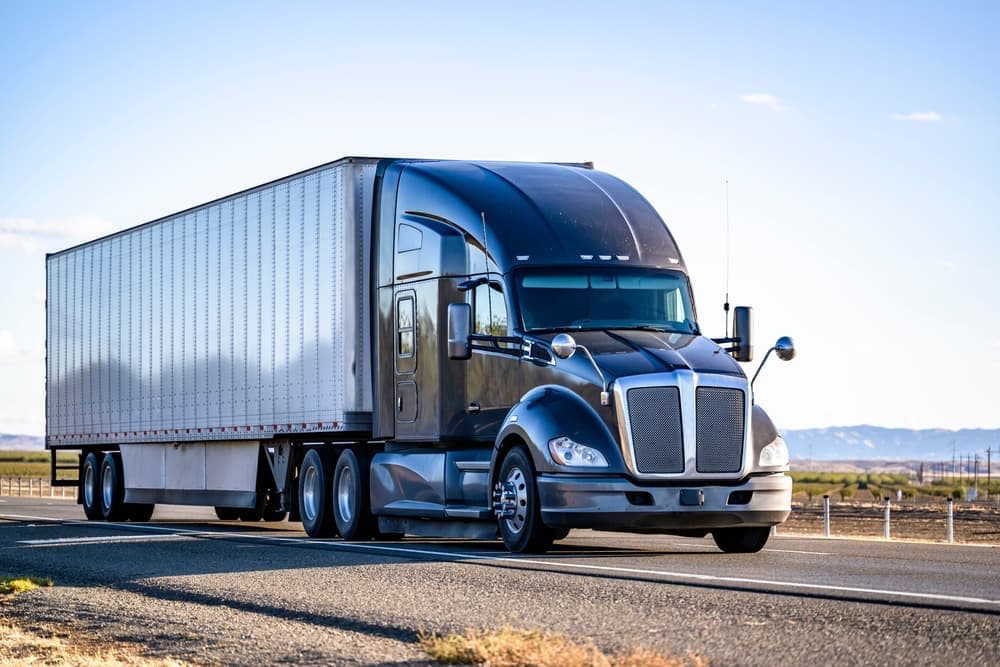
Renting a moving truck can be extremely beneficial during the moving process, especially if you're moving by yourself. However, if it's your first time exploring rental truck options, you'll want to be aware of the requirements before signing any agreements. Whether you're moving locally or long-distance with some of the best movers near you, here's a quick guide for what you need to know before renting a moving truck!
Valid Driver's License
When reserving your moving truck, you will need to have your government-issued driver's license and make sure it's not expired. Luckily, most moving truck companies don't require a commercial license. If you're a foreign driver, most U.S. companies will accept unexpired licenses from your home country if they are printed in English. Otherwise, bring an International Driving Permit to present with your native license and passport. When it's time to pick up your moving truck, be sure to have the following:
Government-issued driver’s license
Second form of ID
Physical payment—credit or debit card
Reservation or confirmation number
Minimum Age Requirements
When it comes to how old you have to be to rent a moving truck, most companies set the minimum age at 18, though some truck rental companies may require drivers to be at least 21 years old. It's important to note that insurers usually label renters under 25 a higher risk, so companies may charge a "young renter fee" and limit which moving truck size you can rent. If you think you'll need a moving truck that's larger than what you qualify for, try finding someone older who's willing to drive the truck. Additionally, if there will be multiple drivers, all drivers will need to meet minimum age and lisence requirements, and have proof of ID at pickup. Make sure to consult with the truck rental company ahead of time to gain an understanding of their policy.
Age Bracket | Typical Policy |
18-20 | Can rent 10 to 17-ft trucks; must show major credit/debit card; a daily “young driver” fee of $15 - $25 is common |
21-24 | Can usually rent trucks up to 26 ft; may still see a modest surcharge |
25+ | No age-based fees in nearly every state |
Proof of Insurance
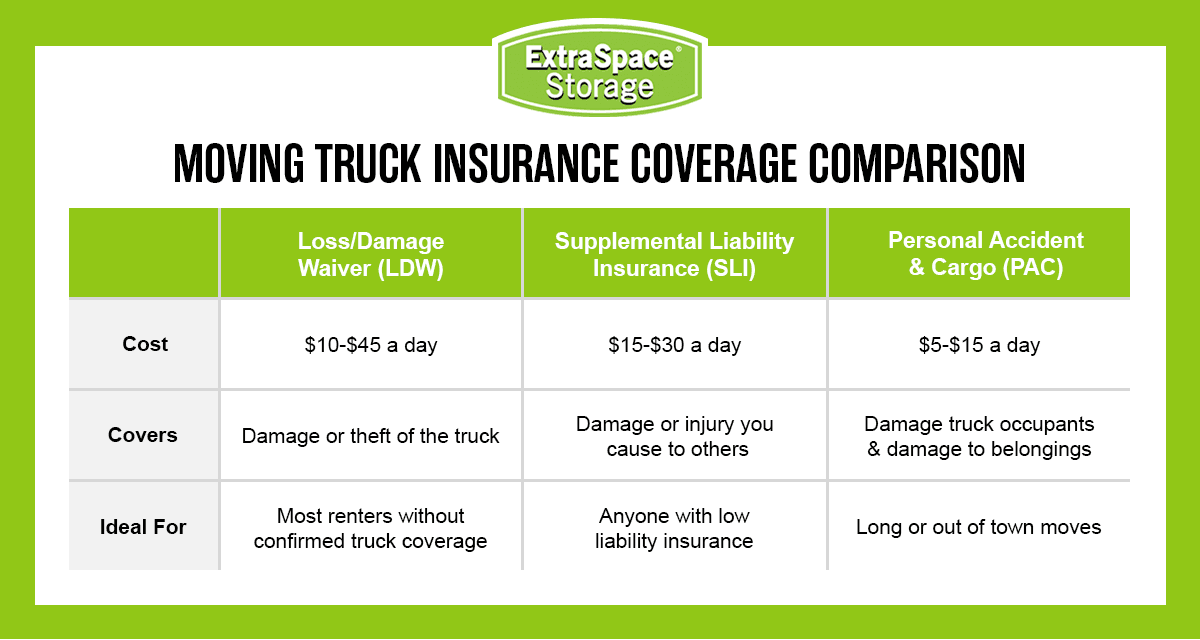
When you complete a moving truck reservation, most companies will require proof of insurance. Some personal auto policies will cover moving truck rentals, but if your insurance doesn't, you'll want to look into other coverage options. Having some kind of coverage is highly recommended to help protect yourself and your belongings. Here are three common primary coverage tiers:
Loss/Damage Waiver (LDW)
What it does: Waives financial responsibility for collision or theft up to the truck’s value, minus any deductible listed.
Cost: $10-$45 per day based on truck size.
Skip or buy: Buy unless your personal car insurance agent sends written proof that your policy covers “non-owned vehicles over 12,000 lb GVWR.”
Supplemental Liability Insurance (SLI)
What it does: Pays claims others would make against you—property damage, medical costs, legal fees—above the state minimum, up to $1 million.
Cost: $15-$30 per day.
Skip or buy: Buy unless your existing auto policy already carries $100k-$300k or more of coverage—otherwise, SLI can prevent devastating lawsuits.
Personal Accident & Cargo (PAC)
What it does: Covers medical bills for truck occupants and insures your household goods for named perils (fire, overturn, crash).
Cost: $5-$15 per day.
Skip or buy: Worth it for long interstate drives, perhaps less so when moving two miles across town.
Find Affordable Self Storage Near You
Extra Space Storage has over 4,000 locations across the U.S. with friendly customer service, advanced security features, and affordable month-to-month rates.
- Save up to 40% off online
Holds, Deposits, & Payments
To help you avoid unexpected moving costs, you'll want to understand the moving truck rental company's policies on payments, holds, and deposits. Most companies require a credit or debit card to complete the reservation, and may place a hold on funds until the truck is returned. Here's what to expect during the rental process, based on your preferred payment method:
Payment Type | When It Works Best | Typical Hold/Deposit |
Major credit card | One-way or local rentals | $100-$250 authorization |
Debit card | Local, same-location returns | $100-$500 held; funds frozen, not withdrawn |
Cash | Rare; only in limited local branches | Rental cost + $100-$300 cash deposit, refundable at drop-off |
Reservation Timing & Pick-Up Strategy
As you complete your rental reservation, be sure to read the moving truck rental company's pick-up details carefully to ensure a smooth moving day. You'll want to make notes of pick-up and drop-off times, and make sure you know the rental location. Here are some additional tips to keep in mind when planning your reservation:
Schedule ahead: Book 4-6 weeks in advance for moves in the peak season between May and August.
Choose flexible branches: Suburban depots often guarantee specific sizes because they have bigger lots.
Set pick-up for early morning: Trucks returned late the night before still need safety inspections; the earlier your slot, the better chance it’s ready.
Confirm details: 48 hours ahead of time, confirm truck size, dollies, and pads; ask the agent to note any verbal assurances in the record.
Screenshot every quote page: If the system “updates rates,” you will have proof of the original pricing.
Moving Truck Return
After you finish moving, returning your truck on time is essential to avoid additional costs. Many companies will charge a full extra day if returned late, but it's worth calling ahead to negotiate a grace window. Here are the typical steps required when returning your moving truck rental:
Fuel up before returning: Refuel your moving truck within five miles of the drop-off address, and keep the receipt.
Clean the truck: Sweep & take a photo of the cargo box—visible debris often triggers cleaning fees.
Keep a record: Document mileage & fuel gauge on your phone in case of clerical errors.
Check for personal items: Look in the cab pockets for forgotten sunglasses, garage door openers, or tablets.
Return keys: Hand keys to a human when possible—if not, you may be able to use an after-hours dropbox and upload photos in the rental app for proof of drop-off time.
Ask for a receipt: Get a zero-balance receipt emailed before you leave the lot.
***
Moving soon? Extra Space Storage has plenty of resources, like our Moving Truck Size Calculator to help with your transition on our Moving Hub. And if you need somewhere to store your belongings while moving, we offer affordable, high-quality storage units across the U.S. Find a storage facility near you!

Explore More Moving Tips

Stressed While Moving? 25 Tips to Manage Your Moving Anxiety
Stressed about moving? From prep to post-move, here are tips to help reduce your anxiety about moving.

Important Questions to Ask a Moving Company Before Hiring
Wondering what questions to ask moving companies? Review these helpful moving questions to avoid delays or damaged belongings for a smooth move.

How to Choose the Right Moving Company
Whether you're on a budget, moving cross-country, or need full-service assistance, here's how to choose the right moving company for your relocation needs.

How to Get Rid of Stuff For A Last-Minute Move
Are you moving in a hurry? This guide shares how to prep for a last-minute move with moving tips for selling, donating, and storing your items.

Cheapest Ways to Ship Boxes Across the Country
Need to ship moving boxes across the country? Explore the most affordable ways to ship boxes in this guide!
Author Profile
Quinn Johnson
Quinn Johnson is a moving expert and author for Extra Space Storage. He's moved over 15 times, including internationally, and helped countless others between their own homes. He's happy to lift some boxes for a friend as long as he's paid in pizza. As a writer and content creator for Extra Space Storage since 2019, Quinn shares helpful moving tips and info to alleviate the common stresses of moving.