Moving Guide
How to Move a Refrigerator
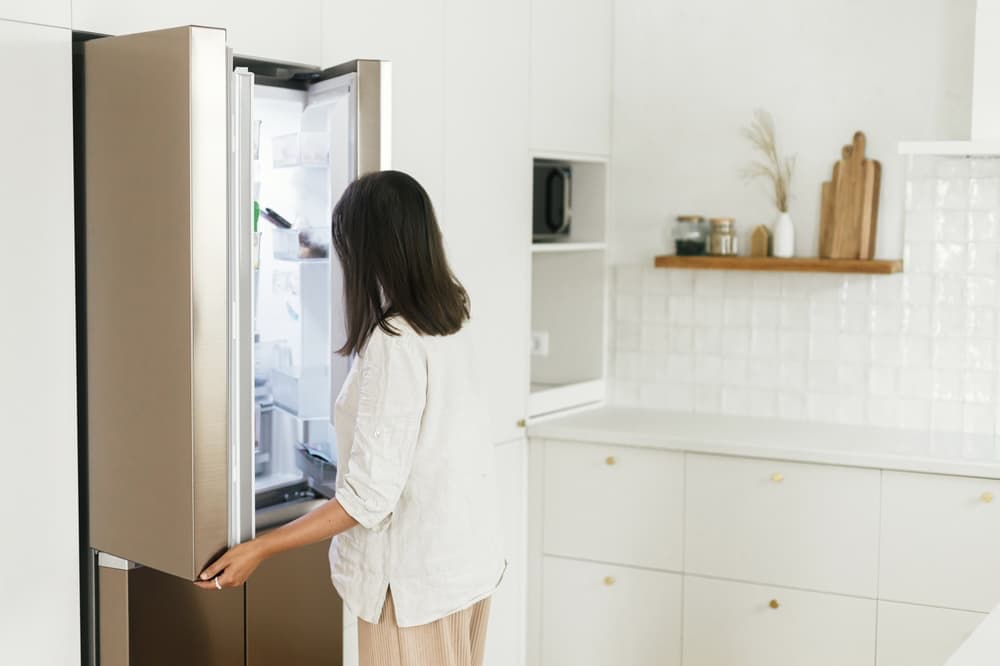
Moving to a new home and taking your fridge with you? Whether you’re moving out of state or relocating within the area, moving large items like a fridge out of your old home and into your new one can be stressful. For a hassle-free move, discover the best ways to move a refrigerator in this step-by-step guide!
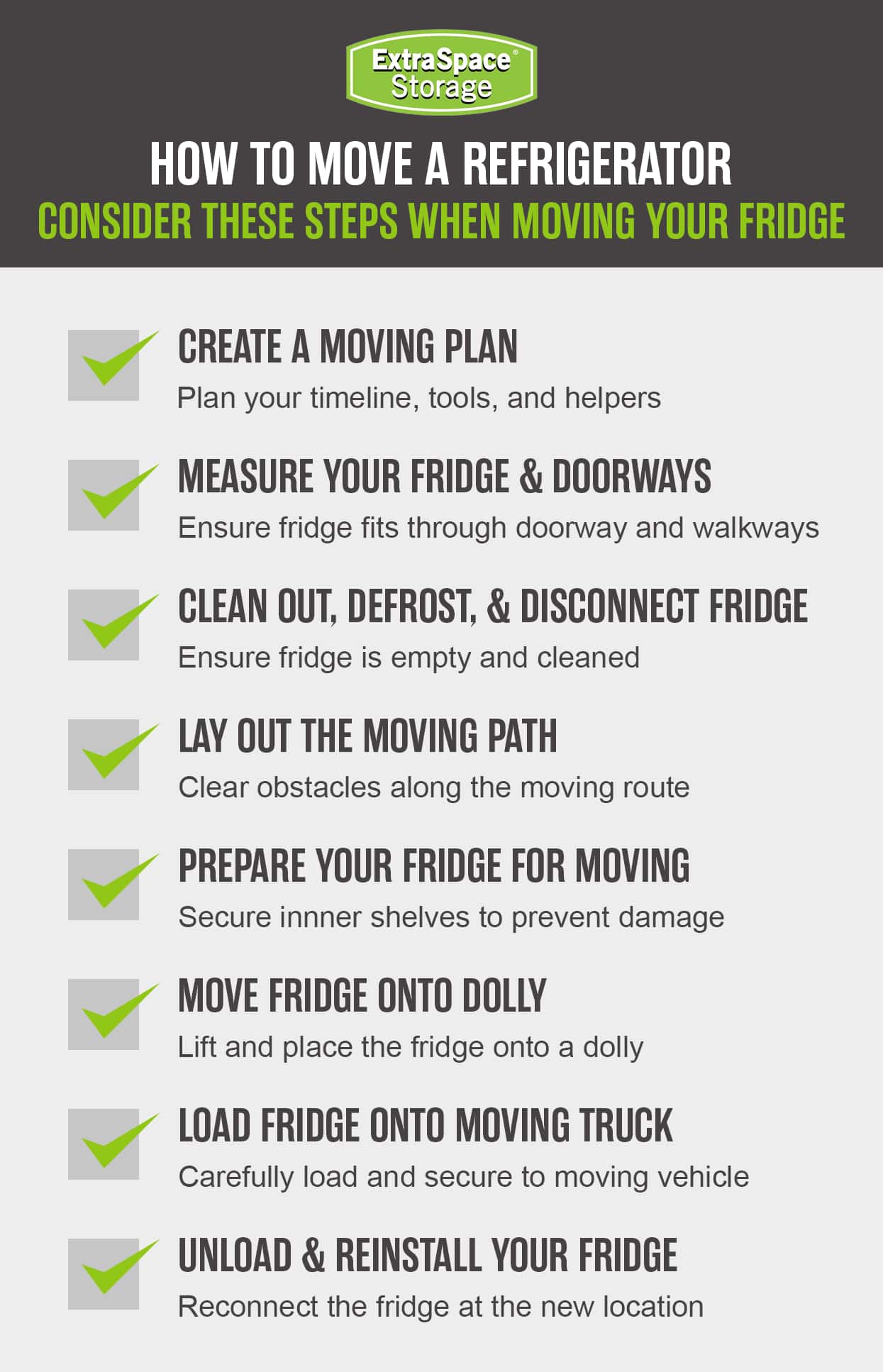
Create a Moving Plan
If you’re not hiring movers, be sure to devise a plan for how to efficiently pack your fridge for moving. Since the fridge is one of the heaviest kitchen appliances, ask friends and family for help relocating it. Consider renting a moving truck and gathering the proper moving tools in advance. Here’s a list of moving supplies you’ll need to move your fridge safely:
Measuring tape
Floor protectors
Moving straps
Stretch wrap
Furniture sliders
Bungee cords
Appliance dolly
Measure Your Fridge & Doorways
After developing a moving plan, use measuring tape to determine the width and height of your doorways and fridge. This will tell you if you have enough room to move the piece through the doorways and onto the moving truck. You may be able to create extra space in a doorway by unscrewing the door entirely—if your fridge still won’t fit through the space, consult the owner’s manual for guidance.
Clean Out, Defrost, & Disconnect the Fridge
In the week leading up to your move, take time to clean out, declutter, defrost, and disconnect the fridge from the water line. Try to finish any perishable foods in the days leading up to the move—otherwise, discard unwanted food and drinks, and store any remaining perishables in ice coolers. After emptying the fridge, disconnect the water line to defrost the freezer at least 24 hours before moving—this allows the various oils and chemicals in the fridge’s mechanisms to settle. Leave the doors open to prevent moisture from collecting, and lay down towels on the floor to soak up any water leaks that may occur. When the fridge is ready to move, roll up and tape the cord to the back of the fridge to prevent a tripping hazard and damage.
Lay Out the Moving Path
One of the best refrigerator moving tips is to map out and prepare your route ahead of time to help make transporting your refrigerator easier and safer. As your fridge or freezer is defrosting, make sure the path you’ll take to the truck is clear of any obstacles—including furniture or moving boxes. Then line the floor with floor protectors, cardboard, hardboard, or rubber mats to avoid damaging your floors during transport.
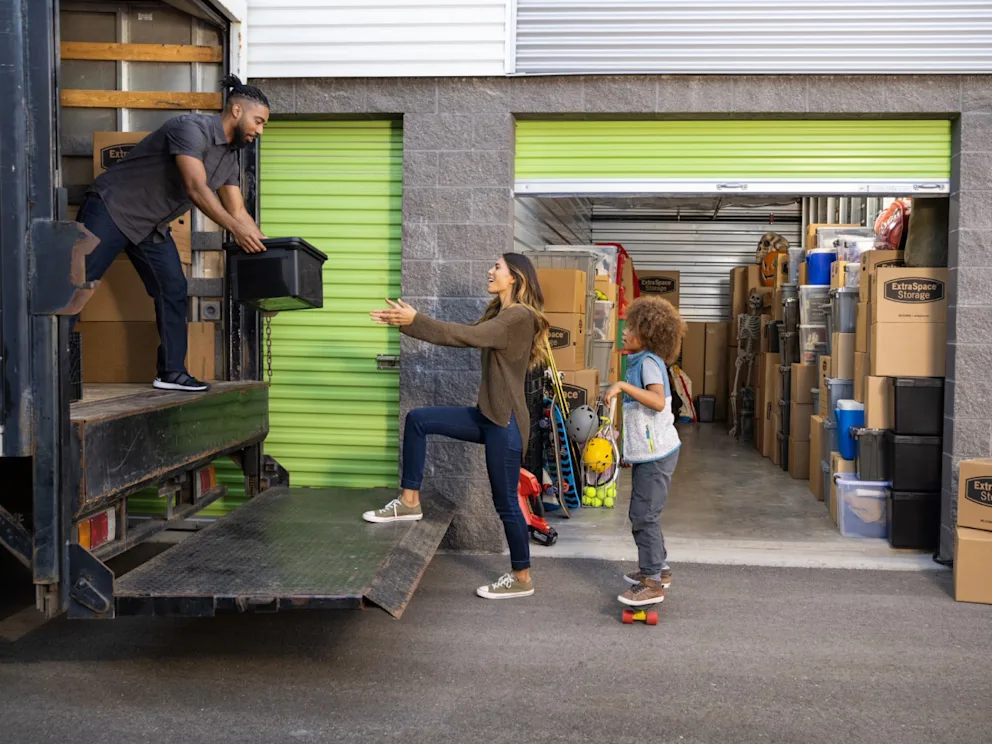
Find Affordable Self Storage Near You
Extra Space Storage has over 4,000 locations across the U.S. with friendly customer service, advanced security features, and affordable month-to-month rates.
- Save up to 40% off online
Prepare Your Fridge for Moving
Before pulling the fridge away from the wall to move, there are a few preparatory steps to take. Remove drawers and shelves inside the refrigerator, then pack them separately to avoid damaging them in transit. Next, wrap the fridge’s exterior with stretch wrap and moving blankets to help prevent scratches or dings. Finally, secure the fridge doors with a moving strap so the doors stay closed and out of the way while moving.
Move the Fridge Onto the Dolly
After you’ve prepped the fridge, it’s time to use a dolly to move the refrigerator. Start by having one person slightly lift on one side so the other one can slide furniture pads underneath, and repeat on the other side. This will help protect your floors as you slide the fridge onto the dolly. When the pads are in place, position the dolly beside the base of the refrigerator and slide the flat support under the appliance so that the fridge is “on” the dolly. Now, wrap and cross moving straps to secure the fridge to the dolly in this upright position—and ensure they’re tight enough to keep the fridge in place but not so tight they damage it.
Load the Fridge onto the Moving Truck
Ensuring the fridge is evenly positioned and centered on the dolly, slowly tilt the appliance back—no more than 45 degrees. Take small steps, carefully pushing the dolly to maintain control as you move your fridge along the moving path. If there are any stairs, one person should pull the dolly back while the other guides it down one step at a time—this will help prevent the weight of the fridge from falling too far forward. Once at the truck’s base, walk backward, pulling the dolly up the ramp and into the truck. Find a spot to secure the fridge in place, keeping it upright—rather than on its back or side—to avoid damaging internal components. Use bungee cords or moving straps along the top and sides to fasten the fridge to the truck and keep it on the dolly for hassle-free unloading.
Unload & Reinstall Your Fridge
After arriving at your new home, lay down a moving path and floor protectors to prevent any damage to your new floors, and move the fridge and other small appliances into the kitchen. Gently rock the appliance from side to side until it’s in the right spot. Reassemble any drawers and shelves, and be sure to give the fridge several hours to settle before plugging it in. Once it’s plugged back in, allow the refrigerator to get cold for 24-72 hours before adding food.
***
Need a place to store your belongings while moving? Extra Space Storage has self storage facilities nationwide that can help with your move. Find self storage units near you!

Frequently Asked Questions
Can you transport a refrigerator laying down?
You should never transport a refrigerator by laying it on its side or back, as this can lead to issues including compressor oil leakage, refrigerant flow problems, water leaks, and door misalignment. Keep the refrigerator upright at all times during transport to help prevent these potential complications.
How do you move a fridge by yourself?
Moving a fridge by yourself isn’t recommended and can be dangerous due to the appliance’s weight. However, with careful planning, the right equipment, and help from friends or family, you can safely move your fridge without hiring professional movers.
Essential Moving & Packing How-Tos

10 Tips for Moving Large Items
Wondering how to move large objects safely? Discover the 10 best tips for moving bulky items in this guide!

Tips for Packing & Moving a Flat-Screen TV
Moving homes and need to pack a flat-screen TV? Follow this guide on how to securely and safely prepare it for your move.
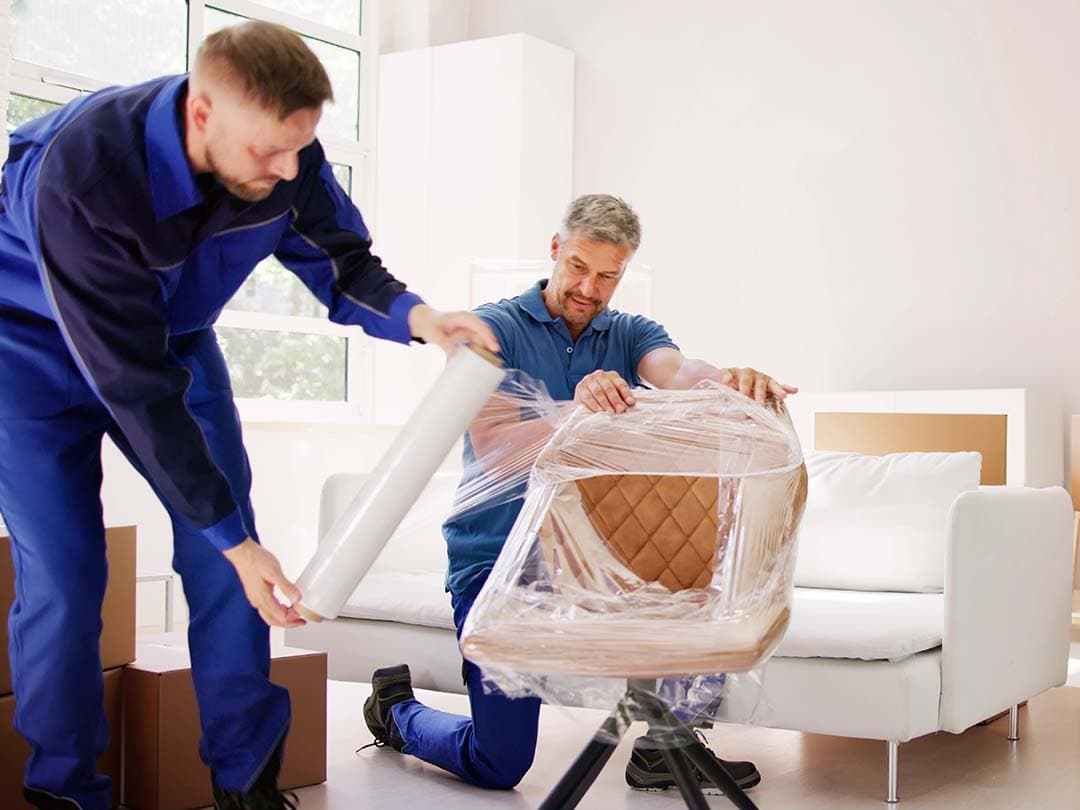
How to Wrap & Pack Furniture to Move
Moving soon and need to protect your furniture? Follow these steps to pack your couch, tables, chairs, bed sets, and other furniture.

How to Move a Treadmill
Heavy, bulky, and expensive if hiring movers—here's how to move or dispose of a treadmill quickly and safely.

7 Steps for Packing Paintings & Artwork for Moving
Whether you’re an artist or collector, it’s important to protect your art from damage and depreciation. Here’s how to pack paintings and artwork for moving!
Author Profile
Quinn Johnson
Quinn Johnson is a moving expert and author for Extra Space Storage. He's moved over 15 times, including internationally, and helped countless others between their own homes. He's happy to lift some boxes for a friend as long as he's paid in pizza. As a writer and content creator for Extra Space Storage since 2019, Quinn shares helpful moving tips and info to alleviate the common stresses of moving.