Moving Guide
Best Way to Move a Mattress Safely: Complete Guide & Tips
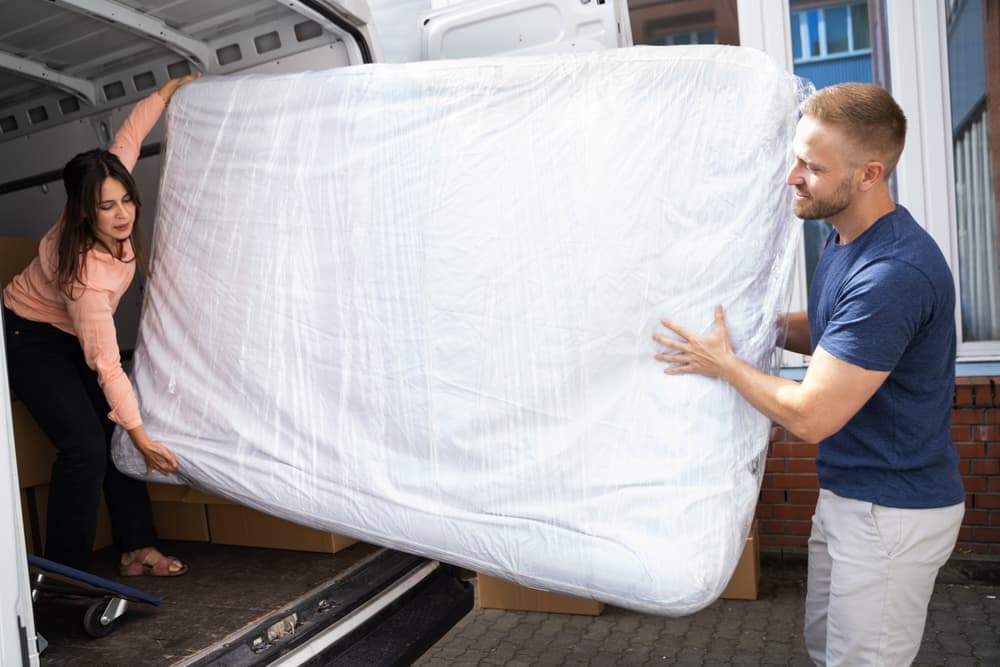
As you're packing your room to move, moving a mattress can feel daunting, but with the right prep and approach, it’s totally doable. This guide covers everything you need to know about moving a mattress for both local relocations and long-distance moves—including tips for moving solo—so you can protect your mattress, your home, and yourself along the way.
Step-by-Step Guide: How to Move a Mattress
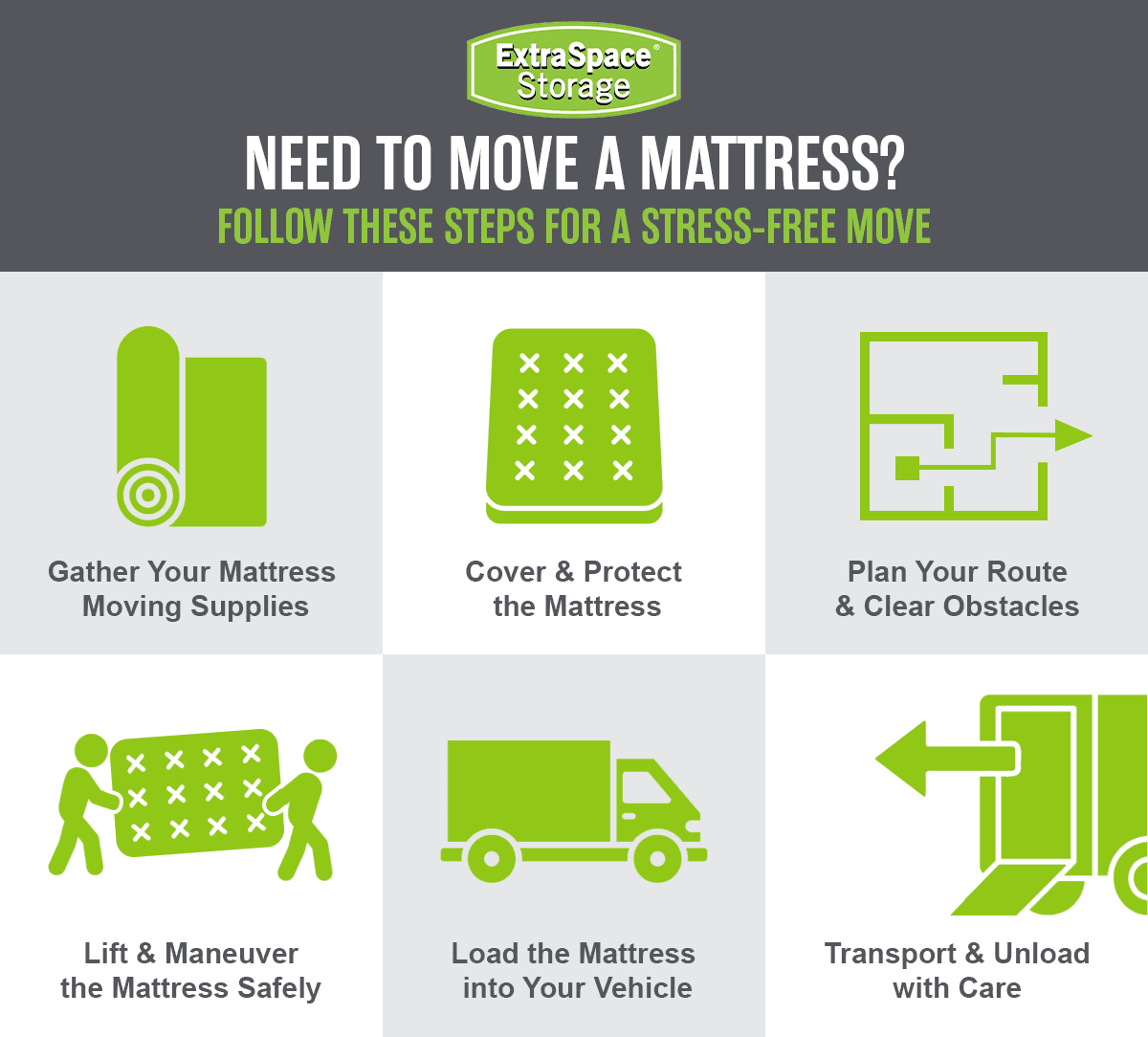
Ready to move your mattress? These tips cover everything from packing and lifting to loading and unloading, so you can handle the process with confidence—no matter how far you're going!
Step 1: Gather Your Mattress Moving Supplies
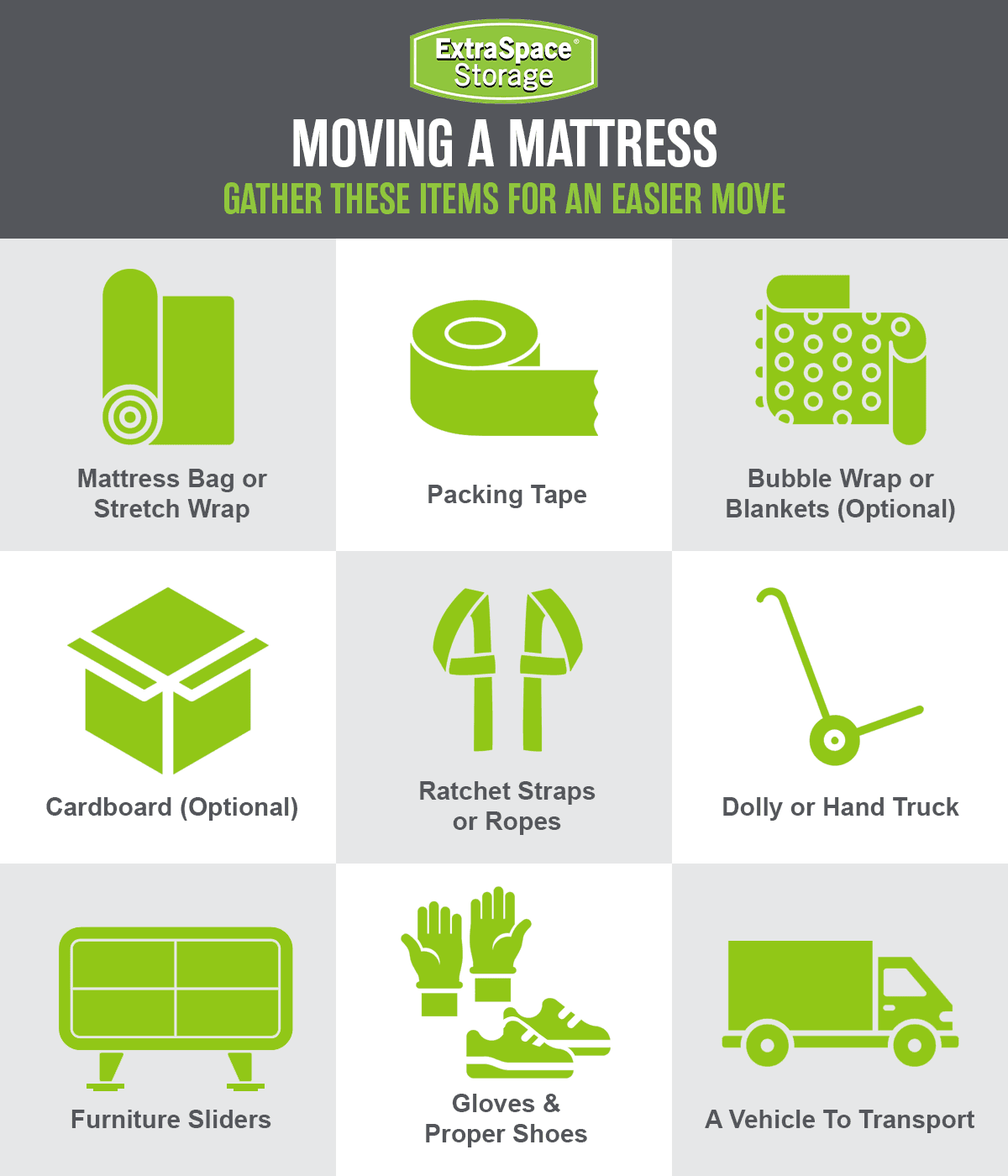
As with moving any large item, having the proper packing supplies and equipment on hand will make moving a mattress much easier. Before moving day, gather all these supplies in one place.
Mattress Bag or Stretch Wrap: A heavy-duty mattress bag protects your mattress from dirt, moisture, and damage during the move. These bags are inexpensive (around $5 - $10) and come in all standard mattress sizes. If you can’t get a bag, plastic stretch wrap can work in a pinch.
Packing Tape: You’ll need strong packing tape to securely seal all openings in the mattress bag or stretch wrap. You can even tape around the mattress in a crisscross pattern for extra support.
Bubble Wrap or Moving Blankets (Optional): For extra protection, especially on a long move, you can wrap the mattress in bubble wrap or moving blankets after bagging it. This adds cushioning and guards against scuffs or punctures.
Cardboard (Optional): Large sheets of cardboard can reinforce a floppy mattress. If you have an older innerspring or a foam mattress that bends, placing cardboard on each flat side and strapping it on will stiffen the mattress for easier handling.
Ratchet Straps or Rope: Tie-down straps with buckles are ideal for securing the mattress during transit. You’ll use them to keep the mattress tightly closed in its bag and to tie it down in a truck or on a car roof. If using rope, be sure you know how to tie sturdy knots. Have several straps or ropes on hand.
Dolly or Hand Truck: A furniture dolly or hand truck can save your back when moving a heavy mattress. You can often rent these if you don’t own one. Straps come in handy here to secure the mattress to the dolly, especially if going down a ramp or steps.
Furniture Sliders: If you don’t have a dolly, fabric or plastic furniture sliders can help you slide the mattress across carpet or hardwood floors without tearing the mattress cover. This is especially useful when moving a mattress by yourself.
Gloves & Proper Shoes: Wear work gloves to improve your grip and protect your hands. Also put on closed-toe, non-slip shoes with good traction. This gear will help keep you safe and stable while lifting and carrying the mattress.
A Vehicle to Transport: Plan how you’ll haul the mattress. For anything larger than a twin, a pickup truck, cargo van, or moving truck is the safest choice, since many mattresses won’t fit inside a standard car or SUV. Measure your mattress and the vehicle’s interior to ensure it fits. If you must use a car roof for a short local move, you will need rope and extreme caution—more on that later.
Step 2: Cover & Protect the Mattress
Remove all bedding and make sure the mattress is clean and dry. Then, slip it into a mattress bag or wrap it completely in plastic and seal all openings with tape. Fold any excess plastic for a secure fit, and use generous strips of packing tape to ensure no part is exposed. For added security, tape around the mattress lengthwise and widthwise—forming a cross—to keep the cover in place. Proper wrapping helps prevent damage during the move and makes the mattress easier to slide or carry.
If your mattress is very soft or flexible, consider the cardboard trick—simply sandwich the mattress between two large cardboard pieces before bagging it. This makes it more rigid and easier to handle. Tape or strap the cardboard to the mattress so it stays put. This is especially helpful for older coil spring mattresses that flop or foam mattresses that don’t hold their shape.
Step 3: Plan Your Route & Clear Obstacles
Before you lift anything, plan the path from the bedroom to the vehicle. Walk the route that you’ll carry the mattress through, propping all the doors open along the way so you’re not fumbling with knobs while holding the mattress. Remove any tripping hazards—slide furniture aside, roll up area rugs or cords, and make sure pets or kids toys are out of the way.
If you have a helper, do this walkthrough together. Identify any tight corners or narrow hallways in advance so you can figure out the best angle to carry the mattress. Knowing your route ahead of time means there will be no surprises when you’re in the middle of the move.
Step 4: Lift & Maneuver the Mattress Safely
Use proper technique to avoid injury when lifting your mattress. Bend at the knees—not the waist—and lift with your legs and core, keeping your back straight. Hold the mattress close to your body for better control, ideally in a bear-hug or against one shoulder. Avoid lifting it above shoulder height, and take slow, steady steps. If it starts to slip, lower it gently and readjust your grip. Take breaks when needed—if your arms tire mid-move, lean the mattress against a wall and rest.
Working with a partner? Each person should lift at the same time—one at the head, one at the foot—and communicate clearly as you move through tight spaces. Going solo? Follow the same lifting principles, but be prepared to drag or slide the mattress part of the way to reduce strain. Take your time and prioritize safety over speed.
Once you’re moving, tight spaces like doorways, hallways, and stairs require extra care. Tilt the mattress on its side to fit through door frames, and angle it slightly if needed. In narrow hallways, shimmy the mattress by inching one end forward at a time. For stairs, keep the mattress on its side and slide it slowly. With a helper, one person should be above and one below, using the wall or railing for support. If you’re alone, stay above the mattress and guide it down step by step, keeping it braced against the wall. If you're going up stairs, try to recruit help—having one person lift from the bottom while the other guides from above is much safer.
Step 5: Load the Mattress into Your Vehicle
Loading the mattress is the last major step before hitting the road. Your approach will depend on what type of vehicle you’re using.
Moving Truck or Van: This is the ideal transportation option, since the mattress can fit fully inside. Use a loading ramp if available, or lift one end of the mattress into the truck and slide the rest in. Inside the truck, stand the mattress on its side and secure it to the wall with tie-down straps or wedge it between other large items.
Pickup Truck: Most mattress sizes can lay flat in a pickup truck bed. Use several ropes or ratchet straps to tie it down securely—ideally in a crisscross pattern—and secure the front edge to prevent wind lift. If the mattress hangs past the tailgate, tie it tightly and attach a red flag to the overhanging end so other drivers can have more accurate depth perception while driving behind you. Avoid stacking anything heavy on top of the mattress, as it can damage the springs or foam. Stick to surface streets and avoid highways if the mattress isn’t fully inside the truck bed.
Car or SUV (Interior): Most mattresses won’t fit inside a standard car. Twin or Full mattresses might fit in some SUVs or minivans if seats are folded, but measure first. If it fits, lay it flat or at a slight angle without forcing a bend, and protect your car's interior with a sheet or tarp. Wedge the mattress in place so it can’t shift while driving, and don’t stack heavy items on top.
Car or SUV (Roof): Attaching a mattress to the roof of a vehicle is risky and should only be used as a last resort for short, local trips. If your vehicle has a roof rack, tightly secure the wrapped mattress using multiple straps. If it doesn’t, run straps through the open windows and secure them tightly, crossing both front-to-back and side-to-side. Avoid blocking the driver’s door so it can open freely. Drive slowly, avoid highways and busy roads, and stop to check the straps after a few blocks. If possible, use a truck or moving trailer instead.
Once the mattress is loaded, double-check that it’s secure before you hit the road. Tighten any straps as needed to prevent sliding.
Step 6: Transport & Unload with Care
Once the mattress is securely loaded, drive with caution—especially if it's tied to a roof or extends from a truck bed. Avoid sudden stops, sharp turns, and high speeds, and check straps or ropes periodically during the drive to make sure everything stays in place.
When you arrive, open your unloading route just like you did at your old place—prop doors open, clear pathways, and identify any tricky corners or stairs. Use the same lifting techniques from earlier—bending at the knees, keeping the mattress close, and moving slowly and steadily.
If you used a mattress bag or plastic wrap, remove it once you're inside to let the mattress breathe. Inspect for any damage, especially if it was tied down or exposed to the elements. If you’re not setting it up right away, stand the mattress on its side in a dry, clean area.

Find Affordable Self Storage Near You
Extra Space Storage has over 4,000 locations across the U.S. with friendly customer service, advanced security features, and affordable month-to-month rates.
- Save up to 40% off online
Adapting to Your Situation: Mattress Moving Tips
Not every mattress move is the same. Whether you're moving solo or transporting your mattress across the country, these tips can help you adapt to your specific situation.
Moving a Mattress by Yourself: Solo Tips
If you're moving on your own, transporting a mattress can be challenging—but it can be accomplished with caution and some clever tactics. Here are some key tips for solo movers!
Double Up on Protection: When alone, you'll likely have to drag the mattress at times. Use a durable mattress cover and tape it securely—double-bagging can add extra protection so the mattress stays safe even if one layer tears while sliding.
Use Gravity to Your Advantage: Don’t carry the full weight all the time. Slide the mattress whenever possible across carpet and floors. On stairs, guide it as it slowly slides down. Always maintain control, but let gravity help.
Leverage Walls & Corners: When you need a breather or to adjust your grip, tilt the mattress against a wall so it won’t fall over. You can also pivot around corners by resting one end and swiveling the other, like turning a big sheet of plywood.
Reinforce Floppy Mattresses: Packing your mattress between layers of cardboard can be a lifesaver for solo moves, as a rigid mattress is much easier to handle. Straps tied around it can also give you handy grips, almost like handles.
Consider Folding Foam Mattresses: If your memory foam or latex mattress is thin enough (under 11 inches thick), you might fold it temporarily for easier carrying. Tie it securely, fold the sleep side inward, and don’t keep it folded for more than a couple hours. Never fold innerspring or hybrid mattresses—you could damage them.
Safety First: If the mattress feels too heavy or awkward, don’t risk injury. See if a neighbor or friend can help for the hardest part—even a few minutes of assistance can make a big difference. Using dollies, sliders, and straps can also reduce the effort.
Moving a Mattress Locally
For a short-distance move, you might be working with smaller vehicles or even making multiple trips. The advantage is you likely have more flexibility and can take it slow. If you’re going a short distance, you might borrow a friend’s pickup for an hour or—if absolutely necessary—decide to transport the mattress on top of a car. In these instances, always secure the mattress very tightly, even for short drives. Avoid busy highways—stick to local roads and drive at cautious speeds to prevent wind mishaps.
Because the trip is short, you don’t have to worry as much about overnight weather or long-term compression. However, still avoid moving a mattress in heavy rain unless it’s fully covered—water can soak through and ruin a mattress quickly. If there’s rain on moving day, wrap the mattress in an extra tarp or plastic layer over the mattress bag for the trip, or wait for a clearer window if possible.
One perk of local moves is that you can often gather last-minute help or equipment if needed. For example, if you realize the mattress won’t fit in your SUV, you might run to a local truck rental or call a friend with a pickup. The logistics are usually easier to solve when you’re in the same town. Just remember, safety and proper securing of the mattress are as important locally as they are on a long haul.
Moving a Mattress Long-Distance
Out-of-state and cross-country moves require extra planning to protect your mattress during the journey. If you’re packing a moving truck or towing a trailer, keep the mattress inside an enclosed space—strapping it to a car roof for hundreds of miles is risky, especially in wind or bad weather. Renting a trailer or truck allows the mattress to lie flat or stand on its side inside the vehicle, which is much safer. Always keep the mattress flat or upright during transit and avoid placing heavy items on top. After a long trip, the mattress may shift or settle, so give it a gentle fluff or let it rest flat for a day before sleeping on it, if possible.
Another option for long-distance moves is shipping your mattress. This usually costs between $150 and $900 depending on distance, size, weight, and furniture shipping method. This can be a good choice if you’re moving only a few personal items and have decided to buy new furniture instead of shipping what you have. You’ll need to wrap and possibly box the mattress carefully before shipping. Compare the cost and convenience—sometimes shipping the mattress separately is less expensive than upgrading to a larger moving truck size.
If you're hiring professional movers for your long-distance move, they will handle the mattress as part of the service. Make sure to let the movers know if your mattress requires special handling—professional movers generally know how to protect mattresses, but it never hurts to communicate. Professional help can be especially helpful if you’re moving a luxury or king-size mattress, since these mattresses can be extremely heavy.
If your mattress will be stored between homes, store it flat if possible and avoid stacking heavy items on it. A climate-controlled storage unit is ideal to prevent moisture damage. When retrieving it, inspect the mattress for moisture or pests before setting it up in your new home.
***
Getting ready to move? Extra Space Storage offers helpful moving tips and resources to help every step of the way! Plus, if you need a secure place to store your mattress or other belongings while decluttering to move or during the transition, we have affordable self storage units nationwide. Find a storage unit near you!

Essential Moving & Packing How-Tos

10 Tips for Moving Large Items
Wondering how to move large objects safely? Discover the 10 best tips for moving bulky items in this guide!

Tips for Packing & Moving a Flat-Screen TV
Moving homes and need to pack a flat-screen TV? Follow this guide on how to securely and safely prepare it for your move.
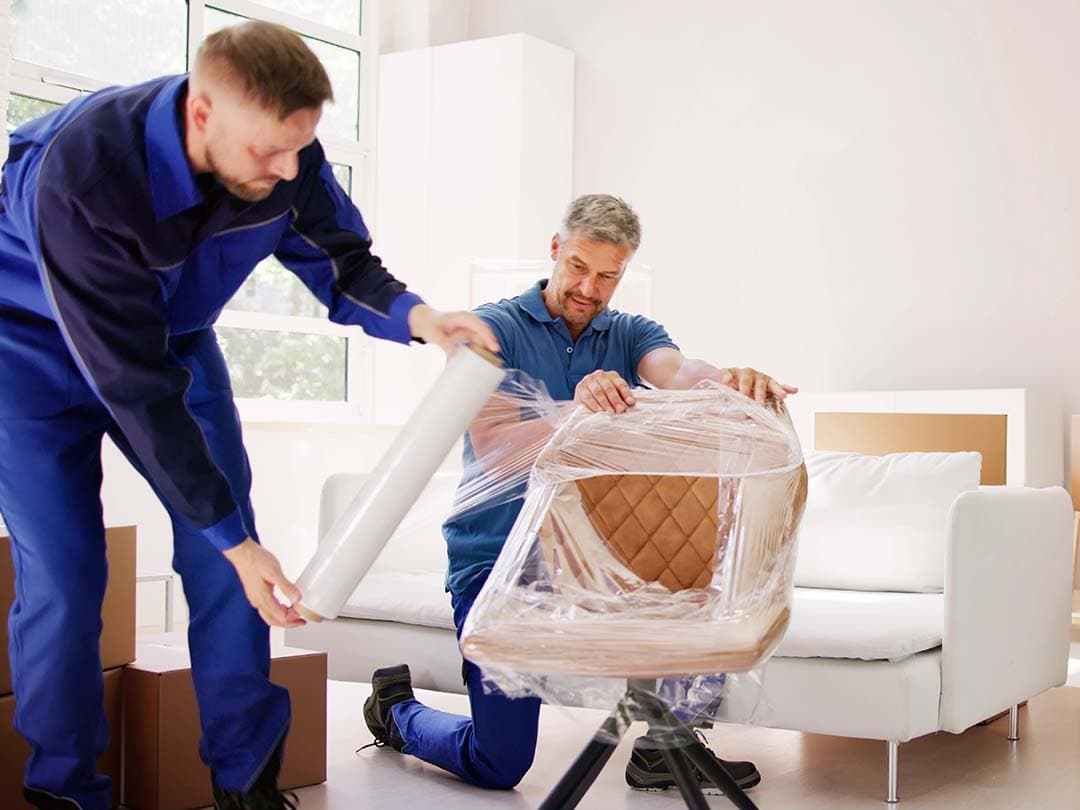
How to Wrap & Pack Furniture to Move
Moving soon and need to protect your furniture? Follow these steps to pack your couch, tables, chairs, bed sets, and other furniture.

How to Move a Treadmill
Heavy, bulky, and expensive if hiring movers—here's how to move or dispose of a treadmill quickly and safely.

7 Steps for Packing Paintings & Artwork for Moving
Whether you’re an artist or collector, it’s important to protect your art from damage and depreciation. Here’s how to pack paintings and artwork for moving!
Author Profile
Quinn Johnson
Quinn Johnson is a moving expert and author for Extra Space Storage. He's moved over 15 times, including internationally, and helped countless others between their own homes. He's happy to lift some boxes for a friend as long as he's paid in pizza. As a writer and content creator for Extra Space Storage since 2019, Quinn shares helpful moving tips and info to alleviate the common stresses of moving.