Moving Guide
How to Pack Dishes While Moving

Packing dishes for a move? Whether you’re packing a patio dinner set, holiday serving dishes, china sets, or your everyday plates—here’s the best way to pack dishes in moving boxes.
Gathering Packing Supplies for Crockery
Keep your fine china, dinnerware, glasses, and other types of dishes from being damaged during the moving process by utilizing the right packing supplies:
Dish pack & glass pack moving boxes
Small cardboard moving boxes
Tissue paper or packing paper
Foam wrap or bubble wrap
Box dividers
Packing tape
Labels
Markers
How to Pack Dishes & Other Glassware for Moving
Once you’ve created a moving packing list by room, gathered your dish moving supplies, and reviewed some general packing tips, you can start packing your kitchen. Here are some tips on packing dishes for moving!
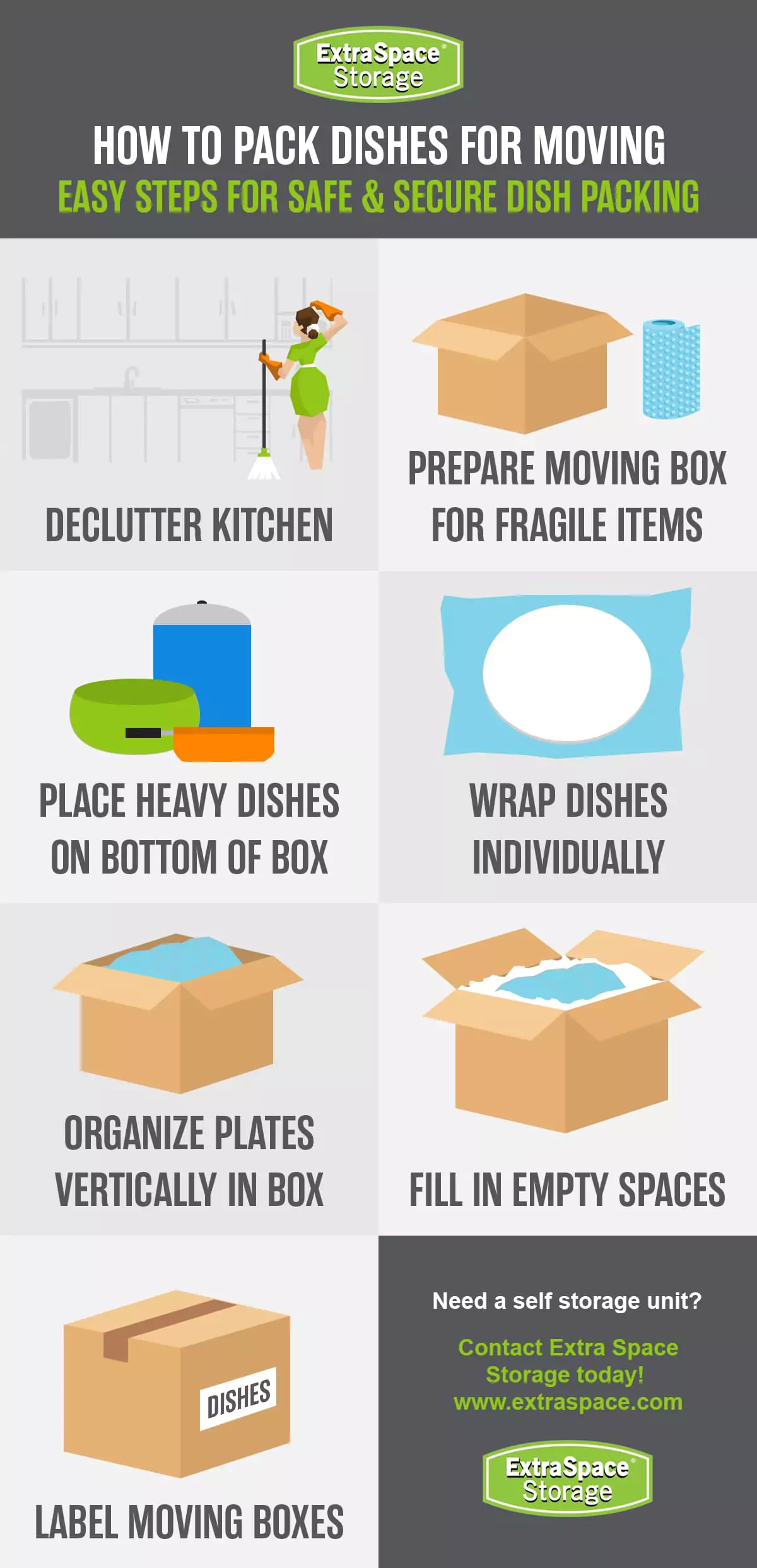
Declutter Your Kitchen
To make the moving process easier and more organized, declutter your kitchen before you pack small appliances and dishes. Sell, donate, or throw out any damaged plates and glassware you no longer need so you can focus on packing the essentials and more fragile dishes. And since you may need a few dishes while you declutter to move house, set aside durable kitchenware like Corelle dishes or plastic cups, bowls, plates, and silverware so they’re accessible when you need them.
Prepare Moving Boxes for Fragile Items
To improve the safety of your dishes, make sure to prepare your moving boxes properly before you start packing them. Fill the bottom of each box with at least two inches of scrunched-up packing paper, packing peanuts, or bubble wrap. Reinforce your small, medium, or dish pack box with several layers of packing tape so it doesn’t cave in or open unexpectedly. Use box dividers to better hold fragile glassware in place.
Place Heavy Dishes on the Bottom
Heavy crockery such as cast iron pans, ceramic bowls, and baking dishes should be placed at the bottom of the box to create a stable foundation. Avoid packing delicate items like drinking glasses and wine glasses with heavy items. Instead, pack heavy items under lighter, non-breakable items like dish towels or cooking utensils. Additionally, be mindful of how much you’re putting in each box, since packing too many heavy items can make carrying difficult and increase the risk of the box breaking.
Find Affordable Self Storage Near You
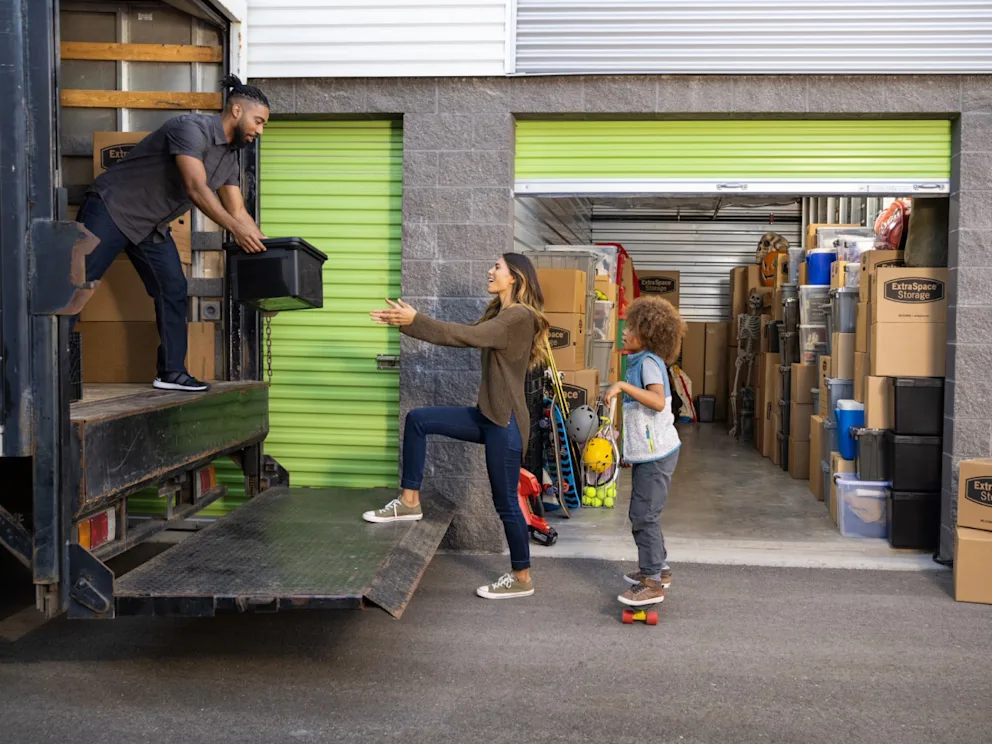
Extra Space Storage has over 4,000 locations across the U.S. with friendly customer service, advanced security features, and affordable month-to-month rates.
- Save up to 40% off online
Wrap Dishes Individually
Lay packing paper flat and fold the wrapping over each glass plate to ensure full coverage. Keep similar items in the same boxes—for example, use a box for fine china, a different box for wine glasses, and another box for dinner plates. Wrap items such as coffee mugs, drinking glasses, and cups with extra packing material both inside them and around their handles for additional protection and support during transit.
Organize Plates Vertically
Instead of packing dinner plates, china, side plates, tea plates, or saucers horizontally, consider placing them vertically inside the box—similar to how you would load a dishwasher. When dishes are stacked on top of one another, the added pressure can potentially cause them to break, crack, or chip. Place plates along the length of the box to prevent shifting during the move—and minimize the risk of damage by making sure your boxes aren’t too large or overpacked.
Fill In Empty Spaces
To minimize movement and reduce the chance of damage, one of the best ways to pack kitchen dishes is filling any empty space in the boxes. Once your boxes for dishes and glassware are full, use packing paper, foam wrap, or even soft bath towels, moving blankets, and old t-shirts to fill in the extra space. This moving box packing tip adds extra cushioning and protection for your dishware.
Seal & Label the Moving Boxes
Once your boxes are packed, seal them shut with packing tape. Whether you’re shipping boxed dishes, have hired movers, or are having friends help you move into your new home, you’ll want to make sure the kitchen moving boxes are clearly labeled with their contents for easier unpacking. Additionally, use a marker to label the packed dish boxes with the words “Fragile” and “This Side Up” to ensure that they are handled with extra care.
***
Need short-term storage while moving to a new home? Extra Space Storage has convenient storage facility locations throughout the nation, so we can help with your transition. Find storage units near you!
Use Our Free Moving Box Calculator 📦
It can be difficult to know exactly how many moving boxes you’ll need. Our free moving supplies calculator does the math for you, giving you recommendations for box sizes, quantities, and packing supplies based on your home and belongings.

Related Packing Resources
Moving Boxes 101: How to Choose & Pack Boxes
Using the right moving boxes is essential when packing. Learn about different types of packing boxes for moving and how to pack them properly in this guide!
16 Packing Tips to Make Moving Easier
Getting ready to move? Relocating to a new home can be stressful—check out these 16 tips for packing moving boxes and the best ways to pack household items.
How to Wrap & Pack Furniture to Move
Moving soon and need to protect your furniture? Follow these steps to pack your couch, tables, chairs, bed sets, and other furniture.

10 Tips for Packing Moving Boxes
Planning a move? Packing moving boxes properly saves time, helps protect your items, and keeps things organized. Check out these ten efficient packing tips!
How Much Does It Cost to Hire Packers?
Considering hiring packers for your move? Here's a guide to the cost of packing services to help you budget.
Author Profile
Quinn Johnson
Quinn Johnson is a moving expert and author for Extra Space Storage. He's moved over 15 times, including internationally, and helped countless others between their own homes. He's happy to lift some boxes for a friend as long as he's paid in pizza. As a writer and content creator for Extra Space Storage since 2019, Quinn shares helpful moving tips and info to alleviate the common stresses of moving.