Moving Guide
Guide to Senior Relocation: Helping a Loved One Transition to a New Home

Helping a parent or elderly family member move to a new home is one of the most meaningful—and logistically complex—things you can do for them. Whether they're downsizing to a smaller home in retirement, transitioning to assisted living, or moving closer to family, the process involves equal parts emotional sensitivity and careful planning. This guide walks you through every stage of a senior move, from the initial conversation through settling in after moving day.
Understand the Types of Senior Moves
Not every senior move looks the same. The scope of the transition and the kind of help you'll need depends largely on where your loved one is moving.
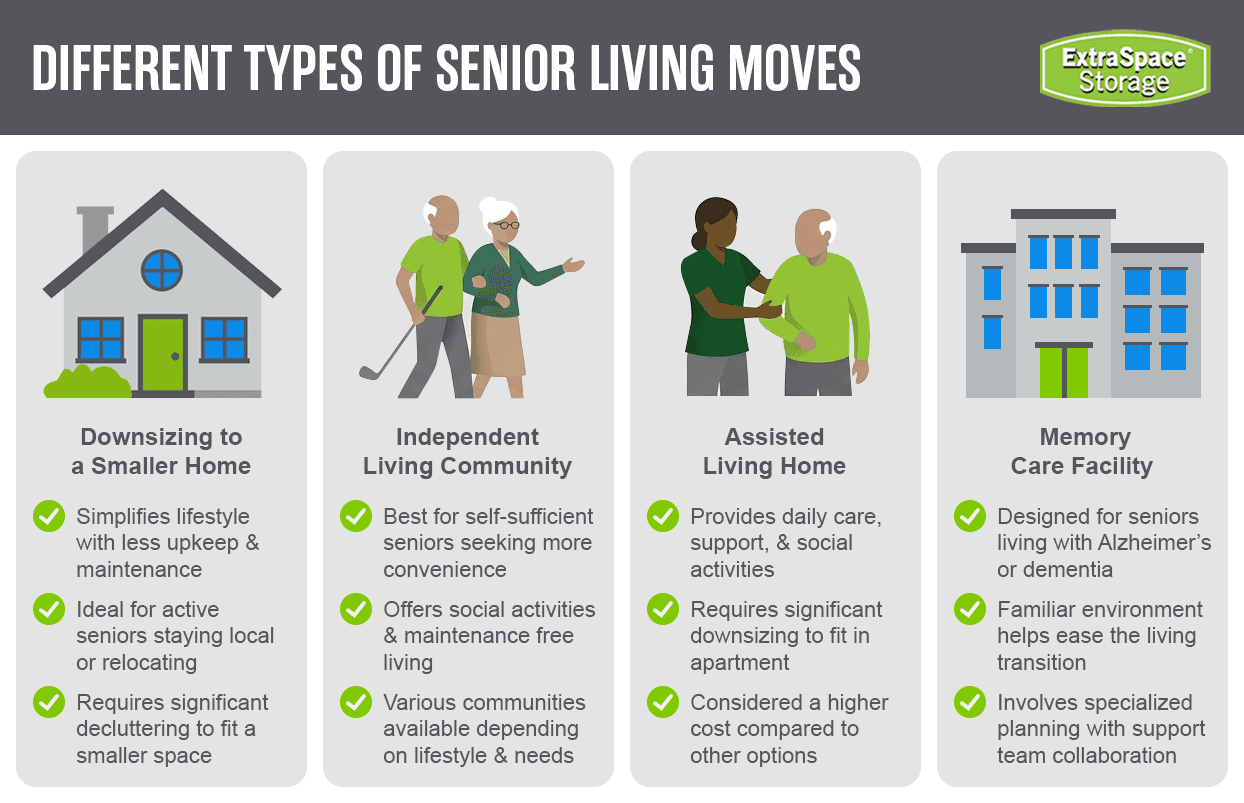
Downsizing to a Smaller Home or Senior Condo
Downsizing for seniors is often the first step for active older adults who want to simplify their lifestyle and reduce maintenance responsibilities, whether they're staying local or relocating for retirement altogether. Like any major life decision, there are real pros and cons of downsizing in retirement to weigh—but regardless of where they land, this type of senior move tends to involve the most sorting and decluttering, since the goal is fitting a full household into a smaller footprint.
Moving to an Independent Living Community
Moving to independent living is a good fit for seniors who are largely self-sufficient but want built-in social opportunities, maintenance-free living, and easy access to amenities. The physical move itself is similar in scope to any residential relocation, though the emotional weight of leaving a longtime home can still be significant. If this is the right option for you or your loved one, take care to choose a retirement community that works for your needs.
Moving to Assisted Living
Moving to assisted living is a more involved transition, both emotionally and logistically. Assisted living apartments are considerably smaller than most private homes, which means substantial downsizing is almost always required. The national median cost of assisted living is around $6,200 per month—a significant financial commitment that makes thorough planning especially important.
Moving to Memory Care
A senior move to memory care involves additional considerations for seniors with Alzheimer's or other forms of dementia. Familiarity with the physical environment and the presence of personal belongings can help with adjustment, and the conversation about the move often requires specialized communication strategies. If your loved one has dementia, consider enlisting an elder mediator or senior counselor, their physician, and the facility's care team early in the planning process.
How to Prepare for a Senior Move
Whether you're helping a loved one or beginning to prepare to retire, planning ahead is important to make a senior move successful. The earlier you start, the more time you have to make thoughtful decisions. From sorting belongings to coordinating moving day logistics, the process involves more steps than most people expect.
Start the Conversation Early
The earlier your family begins talking about senior moving, the smoother the process tends to go. Approach the conversation with patience and genuine curiosity about what your loved one wants, and frame the move as an option you're exploring together.
Downsize Early
Downsizing is almost always the most time-consuming part of a senior move, and the most emotionally charged. Start 3 to 6 months out if at all possible. Working in short sessions rather than marathon days helps prevent burnout and keeps decisions from feeling overwhelming. Work room-by-room and begin with low-sentimental spaces before moving into rooms with deeper emotional weight. Use common decluttering methods like box and banish or four box keep, sell, donate, and store. For items that hold sentimental value but won't fit in the new space, consider self storage.
Consider Hiring a Senior Move Manager
For many families, the logistical and emotional complexity of a senior move warrants professional help beyond standard movers. Unlike general moving companies, senior move managers are trained specifically for the pace, emotional dynamics, and physical considerations of working with older adults. Many have backgrounds in social work, gerontology, or healthcare. They help your loved one feel involved and heard throughout the process, rather than having decisions made around them—which tends to make the overall transition significantly smoother. If full-service senior move management isn't in the budget, you can also look for senior-focused moving companies that offer targeted services such as downsizing consultations, furniture placement, or unpacking at the new home.
Handle Logistics Before the Move
The practical details of a senior move can pile up quickly. Getting ahead of them before moving day prevents last-minute scrambling and reduces stress for everyone involved. Key tasks to address in the weeks before the move include:
Cancel or transfer utilities, and update the mailing address with banks, insurance providers, subscriptions, and the post office
Organize vital documents like tax records, financial and medical power of attorney paperwork, insurance policies, wills, and vehicle titles
Transfer prescriptions to a pharmacy near the new location, or confirm with the facility how medications will be managed
Identify new healthcare providers if the senior move involves a change of city—ask current doctors for referrals and schedule appointments early to avoid long wait times
If your loved one plans to sell their home, connect them with a real estate agent early so staging and showings can happen on a workable timeline
Confirm move-in logistics with the community like elevator access, parking arrangements, designated move-in hours, and whether staff can assist with furniture placement
If your loved one has significant mobility or medical needs, look into non-emergency medical transport services—some companies offer vehicles equipped for wheelchairs, oxygen equipment, and other medical necessities

Find Affordable Self Storage Near You
Extra Space Storage has over 4,000 locations across the U.S. with friendly customer service, advanced security features, and affordable month-to-month rates.
- Save up to 40% off online
Packing for Assisted Living
One of the most practical challenges in a senior move to assisted living is deciding what actually belongs in the new space. Assisted living apartments are designed to feel like home—but they're considerably smaller than most private residences, which means being intentional about what comes along.
Clothing & Personal Care Items
Bring enough everyday clothing for the current season, and keep the closet manageable rather than maxed out. Prioritize comfortable, easy-to-care-for pieces. Don't forget eyeglasses, hearing aids, mobility aids, and any adaptive equipment your loved one uses daily.
Furniture
Scale furniture to fit the apartment. A comfortable chair or recliner, a bed, a small dresser, and a side table or two tend to work well without crowding the space. Measure everything against the floor plan before moving day. Avoid large sectional sofas, full dining sets, and anything that could obstruct pathways to avoid fall hazards. Throw rugs can also be considered fall hazards and are best left behind.
Personal Touches
Familiar items do more work than most people expect in making an unfamiliar place feel like home. Family photos, favorite artwork, a well-loved throw blanket, meaningful décor, a few favorite books—these carry real emotional weight. Some families set up the room in advance of move-in day so the first impression is warm and personal rather than bare.
Important Documents
Medical records, insurance cards, power of attorney paperwork, medication lists, and identification should be organized and kept somewhere accessible. Many families keep original legal documents with a trusted family member and provide copies to the facility.
What to Leave Behind
Anything that doesn't fit comfortably in the new space without creating clutter or fall risk should be stored, donated, or passed along before move-in day. These are some common household items that should be left behind in a senior move:
Large appliances
Excess cookware
Valuable jewelry
Irreplaceable collectibles
Items of significant financial value
For items with meaning but no clear place in the new apartment, a self storage unit offers a thoughtful middle ground and a way to preserve what matters while keeping the new living space safe and uncluttered.
Help Your Loved One Adjust After a Senior Move
The move itself is just one part of the transition. As your loved one adjusts to a new environment, new routines, and new neighbors in the following weeks, consistent support matters most. Some degree of sadness, disorientation, and anxiety in the early weeks after a senior move is normal and expected. Stay connected through frequent visits and calls during this window of time.
Keep the new space filled with familiar personal items, maintain existing routines where possible, and frame the new community as an addition to your loved one's life rather than a replacement for what they had. If adjustment difficulties persist beyond the first several weeks, speak with the facility's care team—or help connect your loved one with a therapist experienced in elder life transitions.
***
If you're helping a loved one downsize for a senior move, you can find more helpful moving tips on the Extra Space Storage moving hub. Plus, we have convenient facilities across the U.S. to help make the transition easier. Find a storage unit near you.

Author Profile
Quinn Johnson
Quinn Johnson is a moving expert and author for Extra Space Storage. He's moved over 15 times, including internationally, and helped countless others between their own homes. He's happy to lift some boxes for a friend as long as he's paid in pizza. As a writer and content creator for Extra Space Storage since 2019, Quinn shares helpful moving tips and info to alleviate the common stresses of moving.