
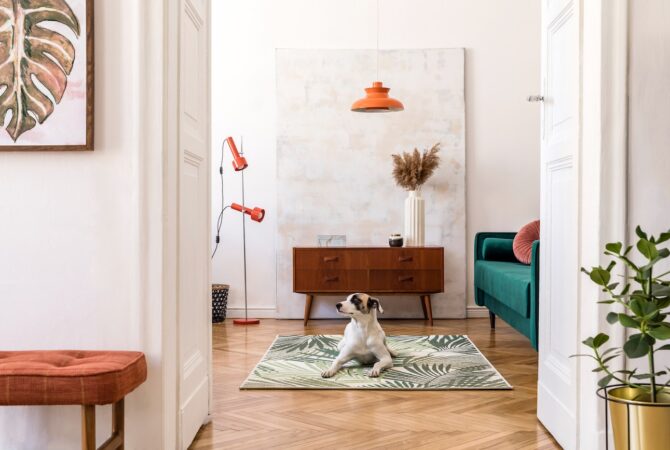
The retro-minimalist interior design trend combines aesthetics from the ’50s, ’60s, and ’70s with 21st-century minimalism, focusing on functionality and simplicity, bold accent colors, and unique older furniture. Whether you’re looking to re-decorate your home for a trendy refresh or you want to reorganize your home interior, here’s your guide to implementing retro minimalism in your home!
Choose Retro Color Palettes
While minimalism usually focuses on neutrals, such as beige, white, or grey, you can still achieve the minimalist retro look by choosing a monochromatic color scheme or having an accent wall with a bolder shade of the dominant room color. If you want to create a cohesive retro minimalist room based on your furniture, it can be a great idea to match your wall colors, wallpaper, flooring, and decor—finding complementary or even tertiary colors can tie everything together cohesively.
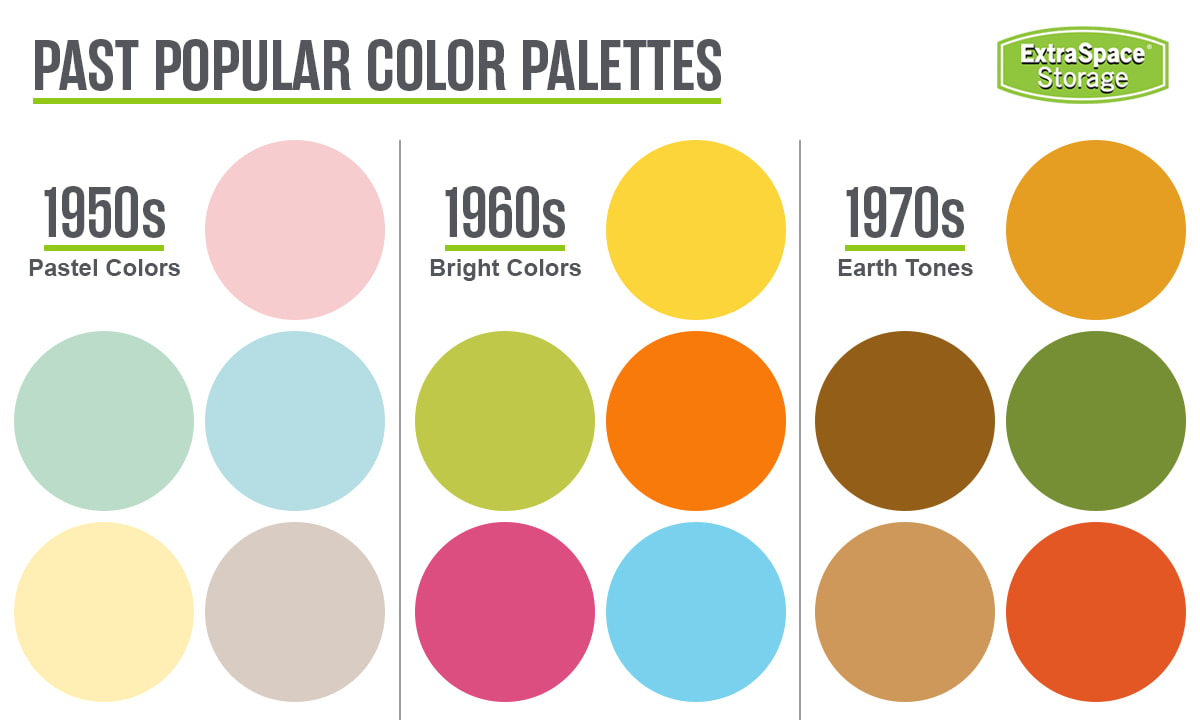
Keep your wall patterns simple, but don’t be afraid to experiment with these Mid-Century color groups:
- ’50s Color Palette: Gentle and more muted in impact—think of mint green, light pinks, blues, gold, or light canary yellow for a bright, mood-boosting feel.
- ’60s Color Palette: Brighter colors like turquoise, sunny yellow, bright orange, lime green, and neon pink can keep the room feeling fun, especially when used for retro-inspired shapes, wallpaper, and decor.
- ’70s Color Palette: Earth tones like browns or beiges mixed with bright, nature-occurring colors like orange, rust red, and tropical green can keep furniture as the focal point of the room.
Source Quality, Long-Lasting Pieces
Minimalism practices investing in and owning items that are useful, special to you, and of good quality. To best achieve retro minimalism, you’ll want to make, locate, or restore vintage furniture from the ’50s, ’60s, and ’70s. When it comes to choosing pieces for your home, focus on slow, intentional curation of high-quality items that you love and will get the most use out of. When possible, buy high-quality, secondhand retro items, since modern “retro-inspired” pieces may prioritize aesthetics over craftsmanship. Here are some locations you could shop for vintage furniture:
- Websites & online marketplaces like eBay, Craigslist, Facebook Marketplace, or Etsy shops
- Vintage furniture stores
- Estate & garage sales
- Thrift stores
- Relatives looking to pass down heirloom pieces
Find Statement Furniture
A great way to bring the ’50s-to-’70s vibe is by getting furniture that sits lower to the ground or features short, tapered legs, flared lines, and rounded shapes. Some unique and stylish seating options include an Eames lounger, Sputnik chair, mod egg chair, hanging chairs, or a Panton chair. Adding Post-Modern furniture adds visual interest, emphasizes the story you create with your home, and enhances the retro aesthetic.
Mix Old & New
Retro minimalism mixes vintage charm with modern minimalist finishes to create contrast. Incorporate this idea by featuring Mid-Century-style pieces alongside modern fixtures—such as a ’50s kitchen table and chairs paired with a modern kitchen sink or oven. Connect modern and retro styles by pairing retro furniture with modern art. The modern pieces give off a simple, minimalist feel, while the retro furniture may evoke a cozy, lived-in feel.
Leave Negative Space
Minimalist design style intentionally leaves plenty of negative or empty space—not only so you can easily move about, but also to give your furniture and decor some space to stand out and make an impact in the room. Follow these minimalist tips to give your pieces the spotlight they deserve:
- Keep Wall Decor Simple: Incorporate select statement pieces like wall clocks or large vintage art prints that stand out against more neutral backgrounds—leave space between pieces if you have multiple on a wall.
- Don’t Go Overboard with Decor: Adding too many knick-knacks, trinkets, or a busy patterned wallpaper is common in maximalism, not minimalism.
- Maintain Clear Surfaces: Keep surfaces clean, organized, and decluttered—ensuring every piece in your home has a clear function.
- Use Hidden Storage: Use hidden storage like hollow home decor or vintage suitcases to minimize excess items while maximizing storage.
- Find Multi-Purpose Furniture: Maximize your space with furniture like Murphy beds, folding tables, utility carts, and more if you’re short on square footage.
Install Fun Lighting
Add personality and coziness to your retro-minimalist decor by finding fun or unique lighting fixtures. When searching online for retro lighting, try looking up items like an orange Nesso table lamp, floor lamp, fiberglass lamp, or Mid-Century globe table lamp. Swap out cool lightbulbs for warmer ones to match the retro vibe, or find a warm-colored lamp cover to get the effect. Having multiple lighting sources amps up the retro-minimalist feeling—so you could have pendant lights, floor lamps, table-top lamps, and bolder sculptural lighting pieces. On sunny days, have the windows open for natural lighting, and add ambient lighting in the evenings.
Focus on Geometric Shapes
Add to the modern-minimalist style by incorporating geometric shapes. This trend was prominent in the ’60s and ’70s, but is also common in modern minimalist styles. Some popular retro patterns include checkers, diamonds, stars, and other simple shapes. A very popular retro decorating idea is to add these geometric forms to furniture, art, or light fixtures. If you have a piece of art with diamonds that you want to feature, consider finding a lamp with a diamond base or a lamp shade with diamond shapes to tie in the pattern throughout the room for cohesion.
Weave in Texture
Make things cozy without adding clutter by using rugs, tapestries, or textured furniture. A few additions to your Mid-Century minimal interior design can include wood paneling, velvet blankets, marble tiling in a minimalist bathroom or kitchen, macrame wall art, or hanging tapestries. A very retro and cozy idea is to include a shag rug, making the room feel fluffy and inviting—whether it’s a luxurious bathtub or shower mat or adding a cozy element to a minimalist bedroom. Mix natural and organic materials with sleek, man-made materials to achieve the ultimate retro-minimalist look.
Showcase Curated Collections
While owning large collections can sound at odds with minimalism—only if they’re cluttering your living space—you can make your retro design interior feel welcoming for you and your guests by displaying collections in a contained, organized way. Here are a few ideas for showcasing your interests:
- Invite Guests for a Drink: Add a bar cart featuring attractive glassware, tools, and bottles.
- Showcase Music: Show off your music taste by setting up a record player and prominently displaying your curated vinyl collection beside it, while keeping other records in the console table’s cabinet.
- Create a Home Library: Designate a book nook or home library area to admire your bookshelf wealth.
- Decorate with Posters: Dedicate a wall to a few retro-styled cinematic posters or art.
- Share Your Eye for Photography: Set up a shelf of camera equipment from different generations, and hang up photos you’re proud of.
Incorporate Houseplants
In addition to improving wellbeing, houseplants are a staple of both minimalist and retro interior design styles. Be selective, making sure not to overwhelm your space. Choose houseplants that match how much time and experience you have in plant care—or seek out options like snake plants or monstera deliciosa that were popular in Mid-Century decor. Or try propagating some plants in mason jars as a way to upcycle, further emphasizing using retro items for multiple uses and using sustainable methods for minimalist living.
***
Looking for somewhere to store your curated vintage furniture collection while creating your ideal retro minimalist home? Extra Space Storage can store your items while you renovate. Find a climate-controlled and drive-up access storage units near you!
