Helpful Relocation Resources for Phoenix, AZ Newcomers
Relocating to Phoenix, AZ? Whether you're in the early stages or already packing boxes, this guide covers the essentials to help you get settled. Explore key costs, moving options, a first-month checklist, and tips for setting up utilities—everything you need to make your transition to the Valley of the Sun smoother.

Planning Your Move to Phoenix

How Much Does It Cost to Move to Phoenix?
Local moves around Phoenix typically run between $200-$4,000, depending on home size, while long-distance moves can range from $4,976-$16,982. Costs vary based on distance, home size, and time of year. See full moving cost breakdowns using our guide.
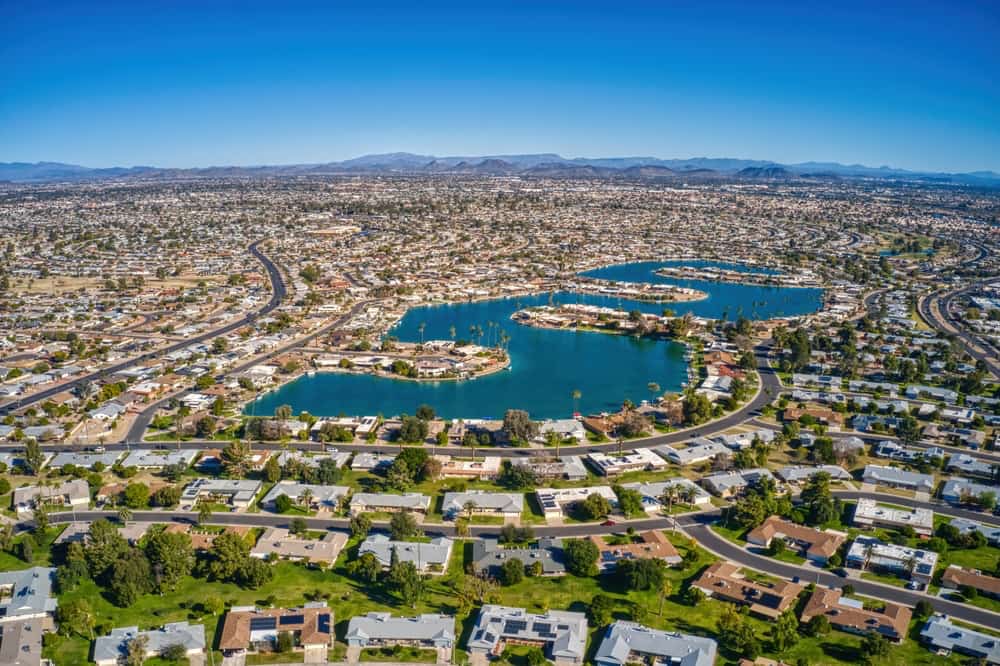
Best Moving Companies in Phoenix
Still need to hire movers? We've compiled a list of moving companies in Phoenix to help with your transition. Check out our choices and get a quote today!

Free & Cheap Moving Boxes in Phoenix
Phoenix moving supplies don't have to come at full price. From local retailers to exchange groups, the city has multiple options for sourcing free or affordable moving boxes and packing materials before your move.
Phoenix Self Storage & Moving Day Logistics
Between lease gaps, home closings, and staging needs, self storage can be a convenient option when moving in Phoenix. With over 30 Extra Space Storage locations across the metro, you can find a unit close to your new home and access your belongings on your schedule. See how you can use self storage while moving and find a facility near you.
Self Storage in Phoenix
Extra Space Storage has facilities across the Phoenix metro, from North Phoenix and Deer Valley to Ahwatukee, Central Phoenix, and the West Valley. Units range from small 5x5 lockers to 10x30 spaces that can fit a multi-bedroom home. With summer highs exceeding 110°F, climate-controlled storage is highly recommended.
Choosing the Right Storage Unit in Phoenix
Before renting storage in Phoenix, consider these four factors to make sure your unit works for your needs:
Climate Control: With summer highs exceeding 110°F outdoors and interior units reaching extreme temperatures, using climate control in Phoenix is strongly recommended. Climate-controlled units maintain temperatures between approximately 55 and 80°F year-round, protecting furniture, electronics, documents, and heat-sensitive items. → Climate-Controlled Storage Guide
Unit Size: 5x5 (small closet/boxes); 5x10 (studio apartment); 10x10 (1-bedroom); 10x20 (2-3 bedroom home); 10x30 (large home or vehicle). → Interactive Storage Unit Size Guide
Access & Security: Look for 24-hour or extended access, electronic gate entry, on-site management, and video surveillance. Extra Space Storage facilities include these as standard. → Find 24-Hour Storage Units or Extended Access in Phoenix
Lease Flexibility: Month-to-month leases mean you're not locked in, which is ideal when move timelines are uncertain. Upgrade or downsize your unit as your needs change.
How to Use Storage In Between Homes
Storage is a practical solution for bridging lease gaps, home-closing delays, and staging in Phoenix's real estate market. Learn how to coordinate a storage rental around your move-in and move-out dates. → Learn More About Using Storage Between Homes
Explore Phoenix: Neighborhoods, Cost of Living, & What to Expect
Phoenix is one of the largest cities by land area in the U.S., covering more than 500 square miles. The PHX metro spans a broad range of neighborhoods and communities, each with different commuting, housing costs, and amenities. The guides below can help you narrow down where to live and set realistic expectations before and after moving to Phoenix.
Cost of Living in Phoenix
Understanding the cost of living in Phoenix helps set a realistic budget. Overall expenses are about 6.5% above the national average, driven largely by housing costs that are roughly 16% higher. Residents find savings in healthcare, which runs about 5% lower, and can discover more ways to save with these Phoenix cost guides.
Pros & Cons of Phoenix
Between climate considerations, commute patterns, and infrastructure realities, understanding a city before relocating is important. This guide offers an assessment of the advantages and disadvantages of living in Phoenix.
Things to Know About Phoenix
There are plenty of factors that affect your daily life, but don't show up in a quick search. This local guide provides insight into weather, schooling, amenities, and other important things to know about Phoenix.
Best Neighborhoods in Phoenix
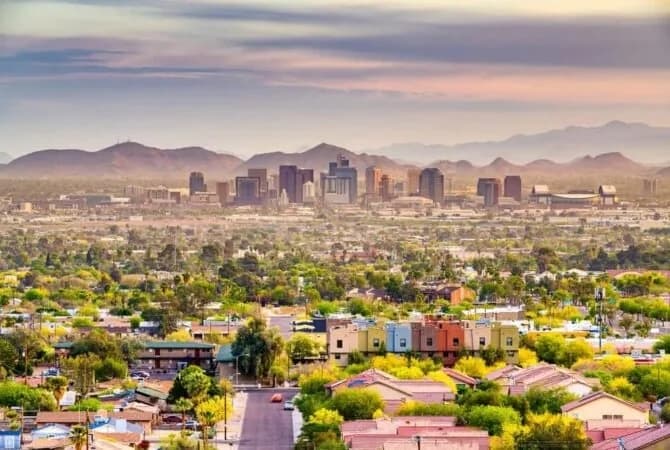
Safe, Affordable Neighborhoods in Phoenix
Phoenix offers several desirable neighborhoods known for affordability, safety, and amenities. Learn more about Ahwatukee Foothills, Deer Valley, and other top neighborhoods!

Best Neighborhoods in Phoenix for Singles & Young Professionals
Phoenix is an attractive city for young professionals, featuring a robust job market and vibrant nightlife. Key neighborhoods include Camelback East, Encanto, North Gateway, and more!

Best Neighborhoods in Phoenix for Families
Phoenix is an excellent city for families, boasting great schools and plenty of great activities. See our top choices for family-friendly neighborhoods like Ahwatukee Foothills, Camelback East, Deer Valley, and more!
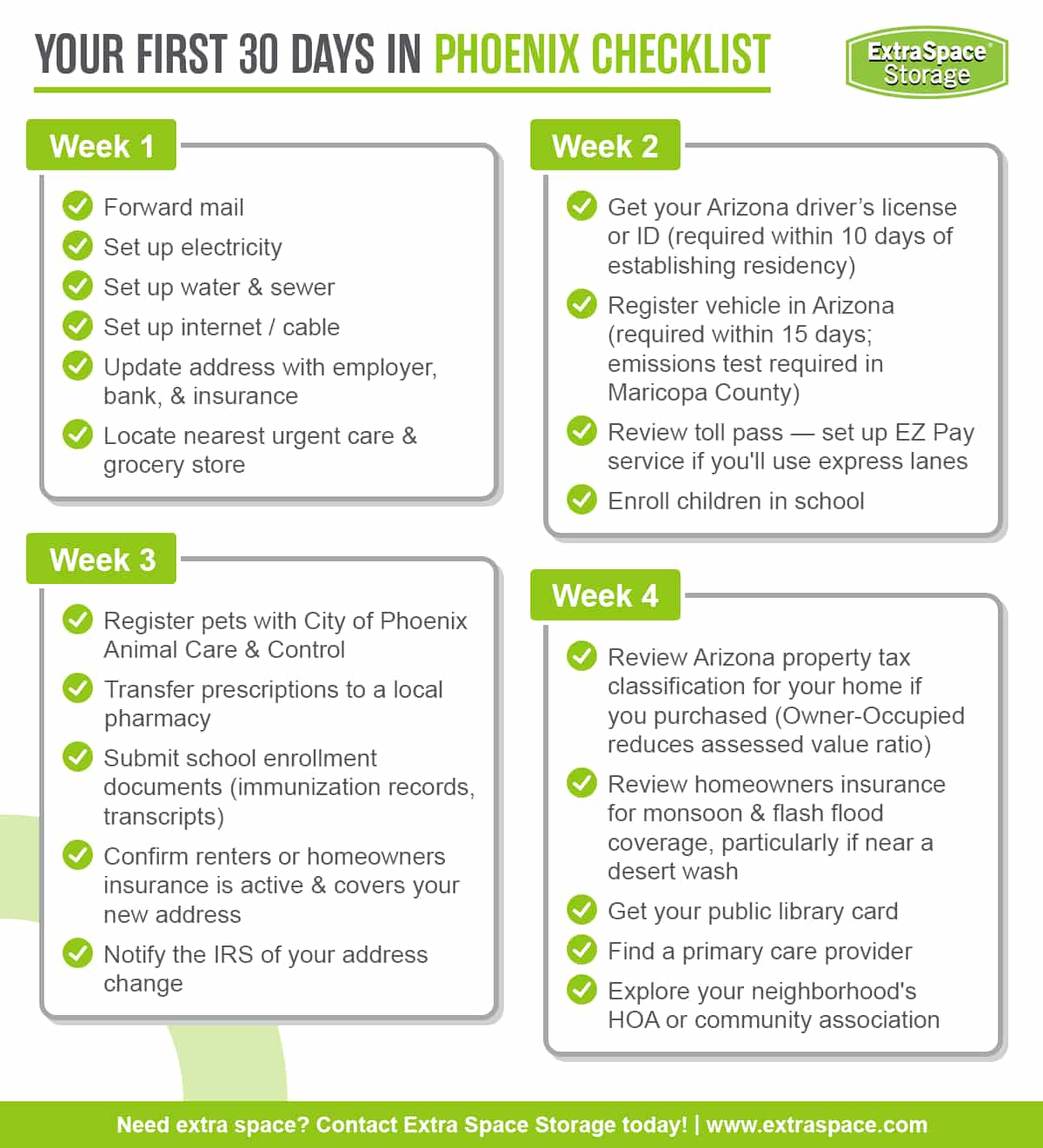
Your First 30 Days in Phoenix: Quick-Start Checklist
Starting with administrative setup and utilities to insurance and school enrollment, there is no shortage of tasks to complete. This 30-day Phoenix moving checklist helps nail down everything you need to do before getting settled in your new home.
Local Resources for New Phoenix, AZ Residents
Learn about the administrative, civic, and practical tasks that new Phoenix residents need to complete in their first weeks and months. Use it alongside the checklist above to work through your setup in order.
Government & Administrative Setup in Phoenix
New Phoenix residents will need to transfer their Arizona driver's license, register a vehicle with the Arizona MVD, update their voter registration, and establish utility accounts. Since Arizona's compliance windows are shorter than those of many other states, plan to handle the MVD items in your first two weeks.
Driver's License | New Arizona residents must transfer their out-of-state license within ten days of establishing residency. Bring your current out-of-state license, proof of AZ residency (utility bill or lease), Social Security card or number, and one document proving legal presence (U.S. passport or birth certificate). Schedule an appointment or visit an Arizona MVD office or Authorized Third Party (ATP) location. |
Vehicle Registration | Register your out-of-state vehicle in Arizona within 15 days of establishing residency. Maricopa County requires an emissions test (AZ VIP emissions testing) before registration. Title transfer and registration can be completed at an Arizona MVD or ATP location. |
Voter Registration | Register to vote online through AZMVDNow or the Arizona Secretary of State website. The registration deadline is 29 days before any election. |
Utilities Setup | Electricity provider (central & north Phoenix): Arizona Public Service (APS) Electricity provider (east & southeast Phoenix): Salt River Project (SRP) Water service: City of Phoenix Water Services Internet providers: Cox Communications & Quantum Fiber |
Pet Registration | Dogs and cats must be licensed annually in Phoenix. A current rabies vaccination certificate is required at the time of registration. Register online or in person through Maricopa County Animal Care & Control. |
School & Family Resources in Phoenix
Unlike cities with a single unified K-12 system, in Phoenix, a home's address determines which elementary and high school district applies to it. Before enrolling, new families should find out which school zone they're located in.
K–12 Public Schools | Central Phoenix (K-8): Phoenix Elementary District #1 Central Phoenix (Grades 9-12): Phoenix Union High School District (PUHSD) North Phoenix: Deer Valley Unified School District Northeast Phoenix: Paradise Valley Unified School District |
School Enrollment | Required documents typically include: proof of address (lease, utility bill, or mortgage statement), child's birth certificate, immunization records, and most recent school records or transcripts. Some districts require a physical exam record. Contact your assigned school directly for school-specific requirements and enrollment deadlines. |
Charter & Private | Arizona offers the Empowerment Scholarship Account (ESA) program to provide funding for eligible families. To search Arizona charter and private schools, visit the AZ Department of Education. |
Higher Education | Major colleges and universities in Phoenix include Arizona State University (ASU), the University of Arizona, Grand Canyon University (GCU), Phoenix College, and other selections from the Maricopa County Community College District. |
Child Care | First Things First (FTF) is Arizona's early childhood agency, which funds early learning and care programs across the state. Southwest Human Development provides child care resource and referral services for the Phoenix area. |
Healthcare in Phoenix
Multiple large health systems in Phoenix operate across the metro, along with a range of urgent care networks and behavioral health organizations. Within the first few weeks of arriving, residents should identify their primary care provider and nearest urgent care.
Major Health Systems | Banner Health is Arizona's largest health system, with multiple hospitals across the metro, including Banner University Medical Center Phoenix, affiliated with the University of Arizona College of Medicine. Dignity Health (CommonSpirit) operates St. Joseph's Hospital and Medical Center in central Phoenix, which includes the Barrow Neurological Institute. HonorHealth operates multiple hospitals across the metro with notable cardiology and oncology programs. Valleywise Health is the Maricopa County public health system and serves as the county's safety-net hospital. |
Finding a PCP | Use your insurance company's provider directory to find an in-network primary care physician. Major Arizona insurers include Blue Cross Blue Shield of Arizona, Banner|Aetna, and UnitedHealthcare. |
Urgent Care | Major urgent care networks in Phoenix include Nextcare Urgent Care, Concentra, and Banner Urgent Care. Most offer walk-in availability; many accept online check-in to reduce wait times. |
Mental Health | Southwest Behavioral & Health Services (SBH) provides community-based mental health and substance use services throughout Maricopa County. For crisis support, the Maricopa County Crisis Line is available 24/7. Call 602-222-9444 (24/7) or dial 988. |
Pharmacy | Walgreens and CVS have a wide presence across the Phoenix metro. Fry's Food Stores pharmacy locations offer a $4 generic prescription program for qualifying medications. |
Transportation in Phoenix
Phoenix is heavily car-dependent. Public transit via Valley Metro is functional along the light rail corridor and downtown bus routes, but not a complete substitute for vehicle access in most neighborhoods. New residents will want to set up a toll transponder if they plan to use express lanes and familiarize themselves with the main freeway arteries.
Toll Pass Setup | Tolls apply to the SR 202L South Mountain Freeway and Loop 101 Express Lanes. Arizona uses the EZ Pay service. |
Key Toll Roads | SR 202L (South Mountain Freeway), southeast/southwest loop; and Loop 101 Express Lanes. Most other metro freeways do not charge tolls. |
Public Transit | Valley Metro operates the metro area's bus and light rail network. Service is most frequent on the light rail corridor and major bus routes. |
Airport Access | Phoenix Sky Harbor International Airport (PHX) is located 3 miles east of downtown Phoenix with service on all major domestic carriers. Rideshare pickup is at Terminal 4 level 1 and Terminal 3 designated zone. Economy parking connects via the free PHX Sky Train. |
Major Roadways | I-10 runs east-west through central Phoenix, connecting to Tucson (southeast) and Los Angeles (west). I-17 runs north-south from downtown Phoenix to Flagstaff and I-40. Loop 101 (Agua Fria, Pima, and Price Freeways) forms the primary outer beltway. Loop 202 (Red Mountain, Santan, and South Mountain Freeways) provides inner-loop and east/south valley access. US-60 (Superstition Freeway) connects central Phoenix to the East Valley. |
Financial & Legal Setup in Phoenix
Arizona’s tax and financial landscape comes with a few key differences, including a flat state income tax and no traditional homestead exemption. If you’re new to the state—especially buying a home—it’s important to understand how taxes are classified and what insurance coverage you’ll need for AZ's desert climate.
State Income Tax | Arizona has a flat state income tax rate of 2.5%. New residents working in Arizona should update their W-4 to include Arizona state withholding with the AZ Department of Revenue. |
Property Tax / Owner-Occupied Classification | Arizona does not have a traditional homestead exemption. However, owner-occupied primary residences qualify for a reduced assessed value ratio (Class 3 residential, 10% of full cash value vs. 15-18% for non-owner-occupied). File for the Owner-Occupied designation through the Maricopa County Assessor. The deadline is typically the first Monday in January for the following tax year. |
Homeowners Insurance | Arizona does not mandate windstorm or flood endorsements by state law. However, properties located near desert washes or in FEMA-designated flood zones may require flood insurance for federally-backed mortgages. Monsoon season (July to September) brings flash flooding risk — review your policy's flood and water damage provisions. |
Vehicle Insurance | Arizona minimum liability coverage: $25,000 per person / $50,000 per accident (bodily injury); $15,000 property damage. Arizona does not require personal injury protection (PIP). Proof of insurance is required at vehicle registration. |
Address Updates | Notify the IRS (Form 8822), Social Security Administration, financial institutions, health insurance provider, and voter registration of your Phoenix address. |
Phoenix Emergency Preparedness & Safety
Phoenix presents a few climate-related risks that new residents—especially those from cooler or wetter regions—should be ready for before their first summer. Extreme heat and monsoon storms are two primary concerns, so it’s a good idea to register for local alerts soon after arriving.
Emergency | 911 |
City/County Non-Emergency | Phoenix Police Non-Emergency: 602-262-6151 |
Poison Control | 1-800-222-1222 |
State/County Crisis Line | Maricopa County 24/7 Crisis Line: 602-222-9444 / or dial 988 (national) |
Emergency Alerts | Sign up for Maricopa County's emergency notification system. |
Natural Disaster Info | Extreme heat(May to September): Phoenix issues Excessive Heat Warnings when temperatures exceed 110°F. City of Phoenix cooling centers open during warnings. Monsoon season (Mid-June to September): Haboobs (dust storms) can reduce visibility to zero with little warning; flash flooding occurs quickly in desert washes and underpasses. Do not drive through flooded roadways. Phoenix is not typically in a direct fire risk zone, but Phoenix air quality may experience smoke impact during regional wildfire events. |
Employment Resources in Phoenix
The Phoenix economy has diversified significantly over the past decade and is now anchored by five primary sectors: advanced manufacturing, financial services, healthcare, technology, and tourism and hospitality. Phoenix's business-friendly regulatory environment and lower operating costs have made it a significant destination for corporate relocations and expansions, with semiconductor investment from Intel and TSMC representing the largest capital projects in Arizona history.
Major Industries | Advanced manufacturing, financial services, healthcare, technology, and tourism and hospitality are the primary sectors. The Phoenix metro is home to one of the largest concentrations of semiconductor manufacturing in the U.S. |
Top Employers | Major employers include Banner Health, Common Spirit, Arizona State University, Intel Corporation, Honeywell, Wells Fargo, and TSMC Arizona. |
Job Search Tools | LinkedIn, Indeed, and Glassdoor—filter by Phoenix, AZ metro for the widest reach. |
State Job Portal | Arizona Department of Economic Security (DES) manages AZ Job Connection, the state's public job listing portal with unemployment insurance and workforce development programs. |
Unemployment Benefits | If newly unemployed after relocating, apply through AZ DES. Arizona requires weekly certifications and active job search documentation to maintain UI eligibility. Note that out-of-state relocation before finding work may affect base-period wage calculations. |
Professional Networking | Greater Phoenix Chamber of Commerce hosts events and resources for new-to-market professionals. AZ Tech Council serves the technology and aerospace sectors with networking events and advocacy. |
Staffing & Temp Agencies | Robert Half, Express Employment Professionals, and Insight Global have established Phoenix presences and regularly place candidates in contract and temp-to-hire roles across finance, technology, and operations. |
Phoenix Community Resources & Amenities
Public Library: Phoenix Public Library operates 17 branches across the city. A library card requires proof of a Maricopa County address. Cardholders have digital access to Libby, Kanopy, and Hoopla.
Parks & Recreation: City of Phoenix Parks & Recreation manages 185+ parks, including South Mountain Park/Preserve, one of the largest municipal parks in the U.S. at over 16,000 acres. Maricopa County Parks & Recreation operates regional parks, including McDowell Mountain Regional Park, Cave Creek Regional Park, and Estrella Mountain Regional Park.
Neighborhood Associations & Civic Resources: Phoenix Neighborhood Services maintains a directory of registered neighborhood associations and provides a liaison program for new residents.
Local Media: The Arizona Republic is the primary daily newspaper and digital news source for the metro area. Major local TV news: 12 News (KPNX/NBC), ABC15 (KNXV), FOX 10 (KSAZ).
Quinn Johnson
Quinn Johnson is a moving expert and author for Extra Space Storage. He's moved over 15 times, including internationally, and helped countless others between their own homes. He's happy to lift some boxes for a friend as long as he's paid in pizza. As a writer and content creator for Extra Space Storage since 2019, Quinn shares helpful moving tips and info to alleviate the common stresses of moving.