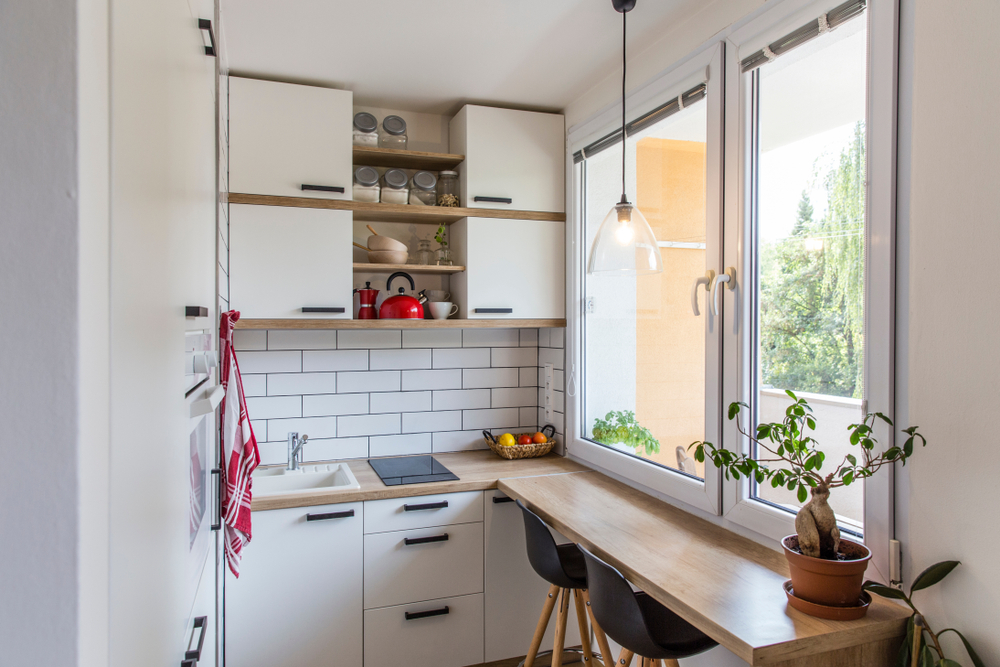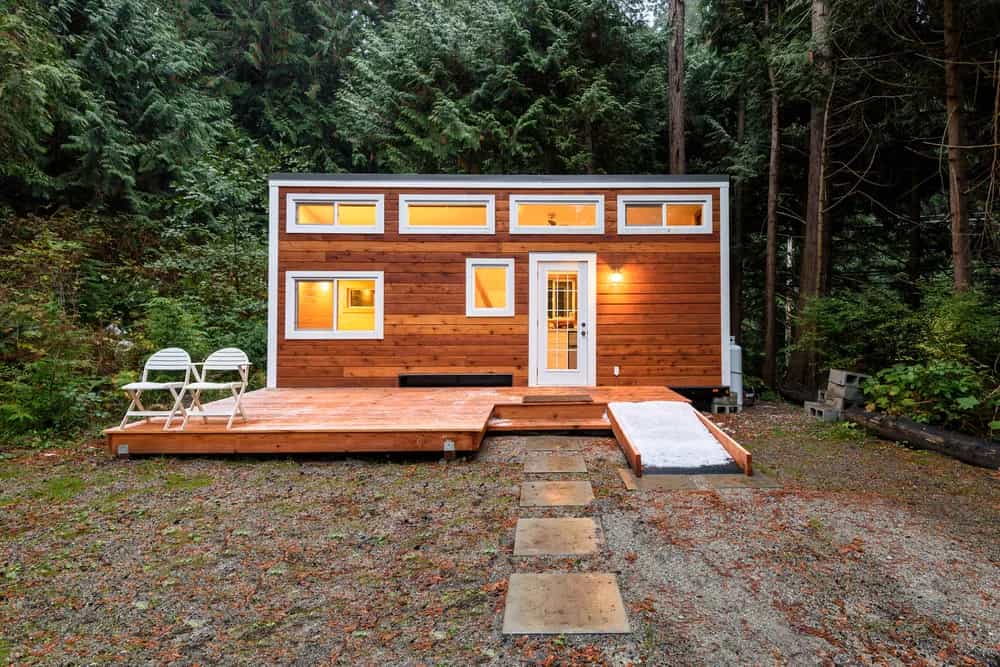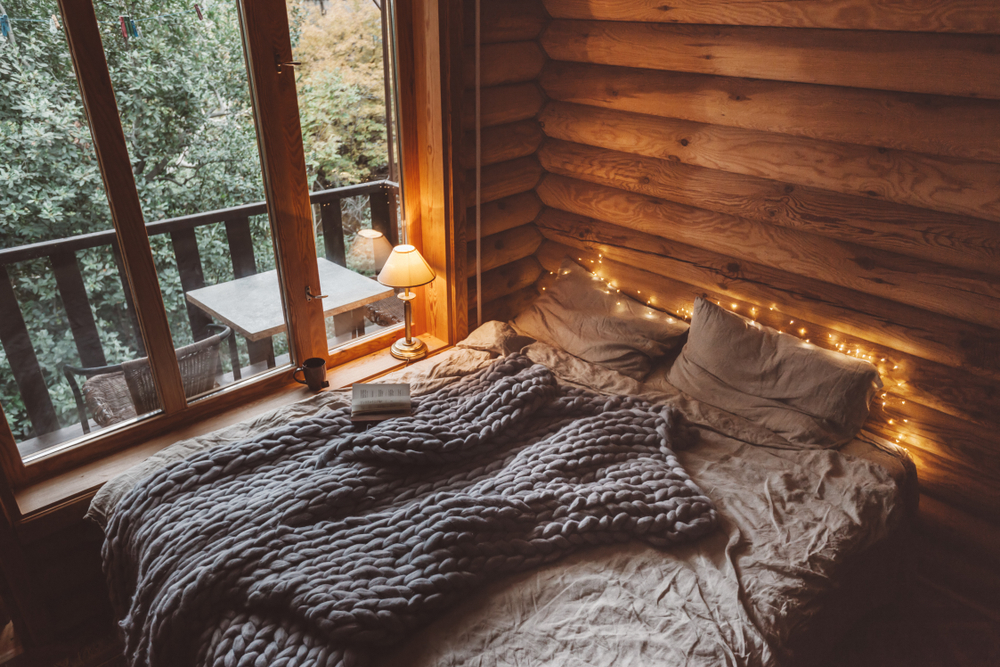

The tiny house movement has gained popularity for many reasons—whether it’s the dream of financial freedom, a reduced carbon footprint, or a life focused on experiences over “stuff.” But transitioning to 600 square feet or less requires a strategic plan. From the benefits of buying a tiny home to the basics of getting started, check out our guide for the ins and outs of tiny home living!
What Is a Tiny House?
The basic definition of a tiny house is a compact dwelling that includes sleeping quarters, a bathroom, kitchen, and is generally under 600 square feet. The average American single-family home is around 2,000 square feet, while tiny homes for sale have an average size of about 225 square feet. While there’s been some debate over what is considered a tiny home, they’re typically designed to be either houses on wheels or permanent structures in designated tiny house villages or tiny home communities.
What Are the Benefits of Tiny Houses?
There are plenty of benefits of living in a tiny home, including more affordable living, a more environmentally-friendly lifestyle, and more! Some people may also use a tiny home as a guest house or in-law suite, but many make a complete conversion to tiny living. Keep reading to learn more about how the tiny home lifestyle may be beneficial for you.
Easier on Finances
One of the biggest reasons people embrace tiny home living is the cost of living in a tiny home can be incredibly budget-friendly. The average mortgage in the U.S. costs hundreds of thousands of dollars in total, while tiny homes cost an average of $30,000 to $60,000. In fact, 68% of tiny home owners don’t even have a mortgage! Plus, since it doesn’t take as much energy to keep such a small area functioning, the cost of utility bills is easier to maintain.
Downsizing Allows for a Simpler Life
Living in a tiny house is a powerful way to shift your focus toward what truly matters, as downsizing and embracing a simpler, more minimalist lifestyle is part of the deal. By having fewer belongings and limited space, you naturally avoid frivolous purchases to prevent clutter from accumulating. Upkeep of a mini home also tends to be easier than in a traditional home—there is less floor space and fewer windows to clean, no lawn to mow, and a smaller exterior to repair and maintain—allowing you more time and financial freedom to enjoy your surroundings.
Better for the Environment
Buying a tiny home can help you live more sustainably! Many tiny home owners use eco-friendly design solutions—like solar panel roof tiles, recycled building materials, and composting toilets—to reduce their carbon footprint and lower utility usage. Plus, building a tiny home requires fewer materials than a regular-sized house. Self-sufficient and off-grid tiny homes are especially perfect for sustainable living because they often incorporate appliances powered by alternative energy.
More Freedom to Travel
Tiny homes—especially ones on wheels—are ideal for people who want to spend their free time traveling and seeing the United States. Tiny living offers the ability to live more affordably in stunning, scenic locations that would normally have unattainable price tags—and if your tiny house is on wheels and you work remotely, you can move your home to new places while earning a living—whether it’s in the warm Southeast, the Southwest deserts, the mountains, or near the ocean. Even if your tiny house is stationary, the money you save on mortgage payments can allow you to allocate more of your budget to travel.
What Are the Logistics of Buying or Building a Tiny House?
In recent years, the tiny house market has matured, offering three distinct paths to ownership that suit different budgets, timelines, and DIY skill levels:
- Building a custom tiny house yourself
- Using a tiny house kit
- Buying a tiny house
For the budget-conscious builder with plenty of time and a high degree of “handiness,” building your own tiny house from scratch tends to be the most cost-effective option. If you’re looking for a middle ground, a prefab tiny house shell costs between $35,000 and $75,000, providing a weather-tight structure ready for your personal touch and finishings. Luxury seekers opting for a high-end, “turn-key” experience can commission a custom-built tiny house ranging from $80,000 to $150,000+, delivering a move-in-ready home with premium finishes.
Potential Hidden Costs of Tiny Houses
Though owning a tiny home is generally more affordable than a typical home, some of the cons of tiny houses can include hidden costs:
- Foundation & Mobility: A foundation or trailer for a tiny or mobile home is a non-negotiable expense. For stationary homes, costs will include a concrete slab, piers, or a gravel pad, plus any required ground leveling.
- Utility Infrastructure: There will be expenses of connecting tiny home systems to the local power grid, municipal water, and sewer lines. For remote locations, you must also factor in the setup for wells, septic systems, or off-grid solar arrays.
- Legal & Compliance: Tiny house permits, zoning fees, and mandatory inspections are required to ensure your tiny home meets safety and residency standards.
- Ongoing Protection: There will be recurring costs for tiny home, including insurance and maintenance for periodic repairs and specialized appliance upkeep.
Where to Build a Tiny House
When planning to live in a tiny home or RV, make sure to research things like the best cities for tiny homes, tiny home communities, and the pros and cons of renting or buying land for your tiny house. It’s also essential to consider local tiny home regulations like building codes and zoning regulations, which may restrict where tiny houses can be built.

Tiny home size regulations vary based on different tiny house types and will also affect where they can be built. A stationary tiny house has more flexibility when it comes to size regulations, as long as it’s built on a four to six-inch thick slab. Tiny houses on wheels are often classified as a form of RV due to their portability and so are subject to RV restrictions—meaning they can be up to 30 feet long, but must be less than 8.5 feet wide and 13.5 feet tall to ensure it has proper road clearance.
How To Live in a Tiny Home
Ready to join the tiny house movement? Follow these helpful tips before taking the steps toward a simpler, smaller life in a tiny home!
Consider Your Lifestyle
There are many lifestyle considerations to make before buying or building a tiny home. What does your day-to-day schedule look like? What do you value in your everyday life? If you have a large family, enjoy entertaining regularly, or have pets that need a lot of indoor space, then buying a tiny house might not fulfill your needs. However, if you’re a digital nomad, travel frequently for work, or want to embrace minimalism, tiny home living could be the perfect arrangement.
Stay in a Tiny Home First
You don’t want to put a lot of time and money into building a custom tiny home only to find out that it isn’t right for you. To avoid buyer’s remorse, spend a week or so in a tiny home rental to see if you appreciate tiny house living. This is also helpful if you have a family or are living with a significant other, as you’ll be able to decide if you can live in a small home with others.
Decide on Home Type
Tiny homes come in a variety of styles and shapes. You can pick from tiny homes made from salvaged shipping containers, or get a prefab tiny home on wheels from popular tiny house manufacturers. Many homeowners opt to build a custom tiny home to fit their needs.
Consider Tiny House Design Options
Once you’re ready to commit to tiny house living, it’s time for creativity to take over! As with any home, you’ll need to decide on tiny house interior design and decor, as well as the exterior home style you want. Small-space living requires you to ensure you have enough room for your belongings, as well as space-saving storage, so you don’t clutter your tiny home. If you’ve opted for a DIY tiny home, decide if you want unique features like a loft, roof deck, or Murphy bed. Finally, make sure you design your mini home with the local climate in mind so the insulation, window treatments, and other weather-dependent design elements are properly installed to keep your home interior comfortable.
Invest in Tiny House Insurance
Insurance is a no-brainer when it comes to owning a home, but tiny home insurance is unique. If your tiny home is certified as a recreational vehicle, you may qualify for RV insurance or mobile home insurance. Tiny house insurance typically costs around $852 a year on average—with insurance for manufactured tiny homes costing even less than RV insurance—offering you substantial savings in comparison to the average cost of home insurance.
***
Need secure storage space for your extra belongings while living in a tiny home? Extra Space Storage has convenient and sustainable storage facilities across the country that can help. Find cheap storage units near you!