Moving Guide
Step-by-Step Guide to DIY Moving
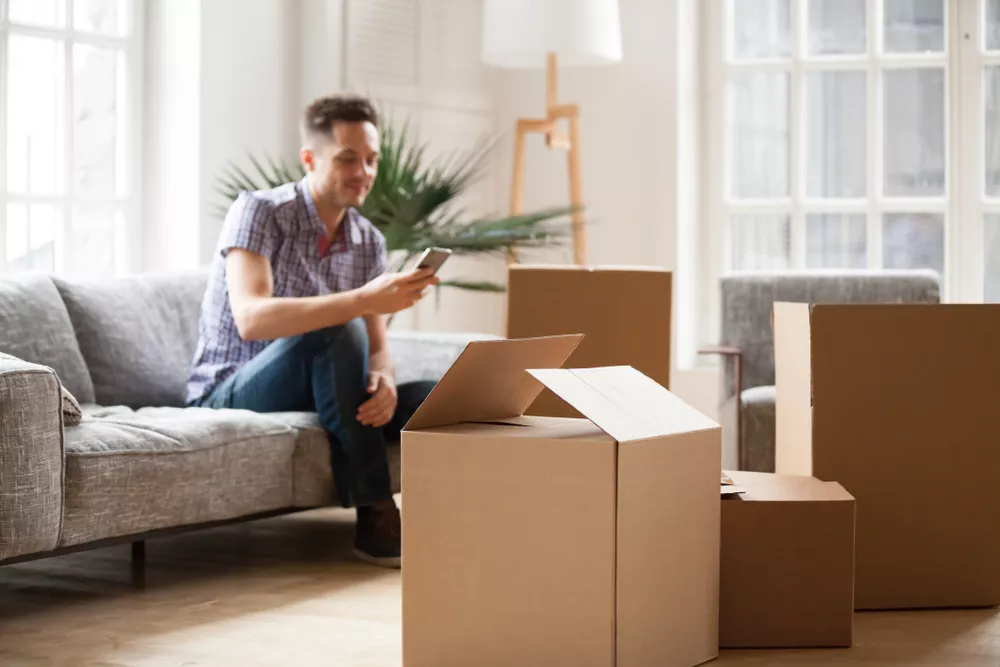
Moving to a new home by yourself? A lot of preparation goes into making a move successful, and handling all of it alone can be as challenging as it is rewarding. Whether you're relocating for a job or moving into your first apartment, here's our step-by-step guide for moving alone.
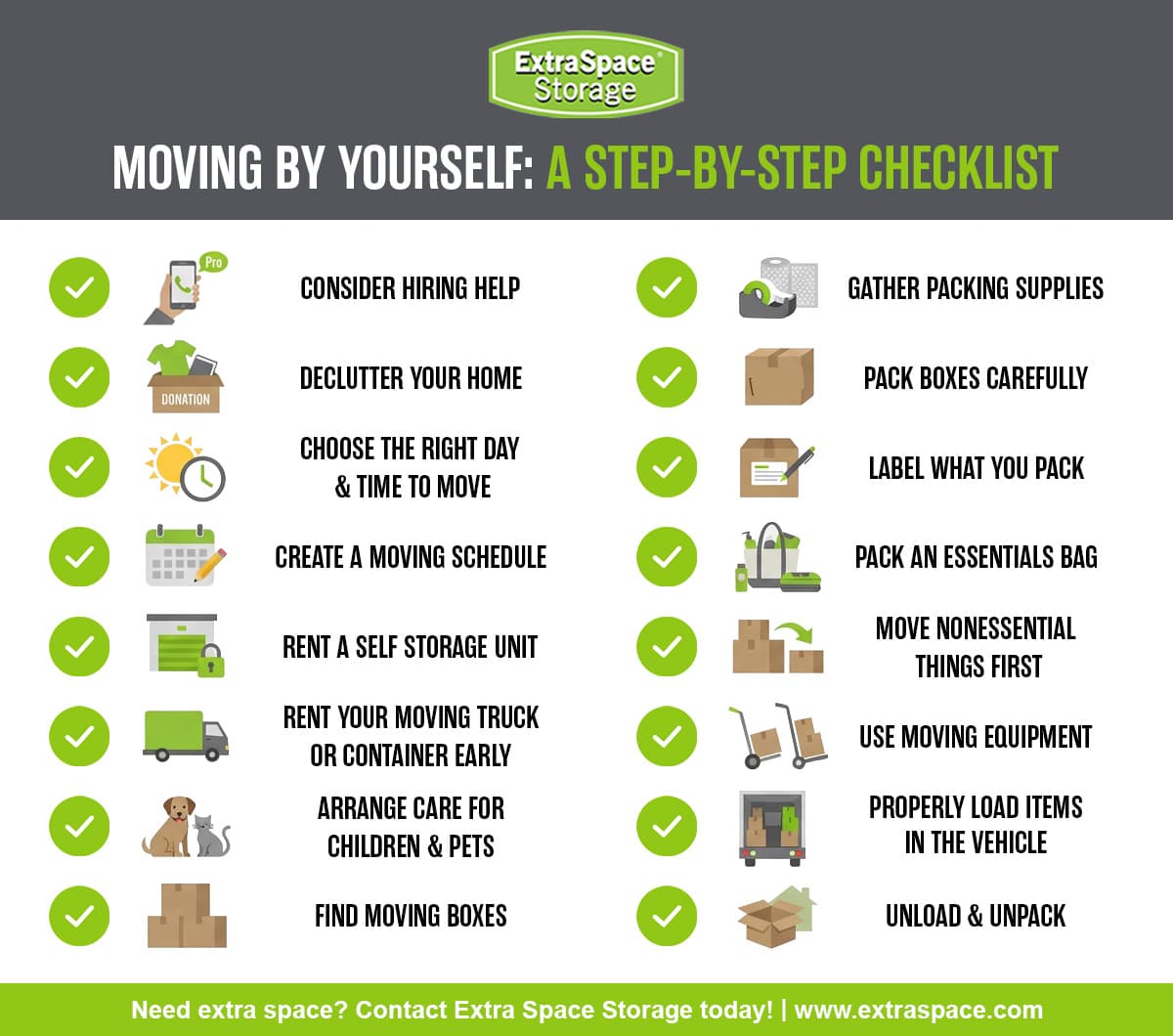
Budget for Your Solo Move
Before you book a truck, figure out what moving by yourself will actually cost and how much help you'll want along the way.
Compare DIY & Professional Moving Costs
Wondering how much it costs to move by yourself? Depending on the size of your household, DIY moving costs can range from $200 to $5,125 for local and regional moves under 500 miles, or $650 to $10,125 for cross-country moves. Hiring professional movers can cost between $200 and $6,250 for local and regional moves, or $1,550 and $16,250 for cross-country moves. Your total cost will also depend on how far you're moving, the time of year, and how much help you'll need. Before deciding to move yourself, create a budget that factors in all of your expected expenses—like fuel, mileage fees, packing supplies, and lodging—not just the moving truck rental. Use our moving cost calculator for a personalized estimate.
Consider Hiring Help
Keep in mind that moving yourself doesn't have to mean doing every step on your own! There are a few ways to approach a DIY move:
Full DIY: You pack, load, drive, unload, and unpack everything yourself—this reduces costs but requires the most time and physical effort.
DIY with moving labor: You rent the truck and handle transportation yourself, but hire movers for a few hours to help load or unload heavy items like furniture or appliances.
DIY with a moving container: A portable container is dropped off at your home, you pack and load it on your own schedule, and the company transports it to your new home so you don't have to drive a moving truck.
Hybrid options let you handle most of the move yourself while getting help with the most physically demanding or stressful parts, usually for less than the cost of hiring a full-service moving company.
Plan & Prep for Your DIY Move
Moving by yourself can take longer than you might expect. Packing up your entire household and moving on your own can take anywhere from a couple weeks to a couple months, so give yourself plenty of time to plan your move and set yourself up for success.
Declutter Your Home
Decluttering your house is an essential first step to any move—and it's especially helpful when you're moving on your own. By getting rid of items you no longer need, there will be fewer boxes to haul on moving day. Sort through your belongings to decide what you want to sell, donate, or throw away. Consider selling old furniture online through exchange sites like Facebook Marketplace or Craigslist. Or if you have time and want to get rid of a lot of items at once, try hosting a garage sale—you might even make some extra cash to help with moving-related costs!
Choose the Right Day & Time to Move
Moving on the weekend can help if you can't take extra time off work, giving you a day or two to settle in before the workweek starts. Just keep in mind that weekends are a popular time to move, so trucks and equipment may book up quickly and cost more. Reserve early, or consider a weekday move if your schedule allows. Whichever day you choose, starting early in the morning can give you a head start on rush hour traffic and leave plenty of time to unload before evening, so you won't be unpacking late into the night. It's also wise to plan for your move to take longer than you expect, especially if you're moving without help.
Create a Moving Schedule
Once you've set a date for your move, create a detailed moving schedule. Take into consideration whether you're doing a long-distance move or short-distance move, as well as the potential weather you'll experience and the physical demand of moving. When you don't have anyone else to load, drive, or help you navigate, it's important to have potential roadblocks identified ahead of time so your solo move goes off without a hitch.
Rent a Self Storage Unit
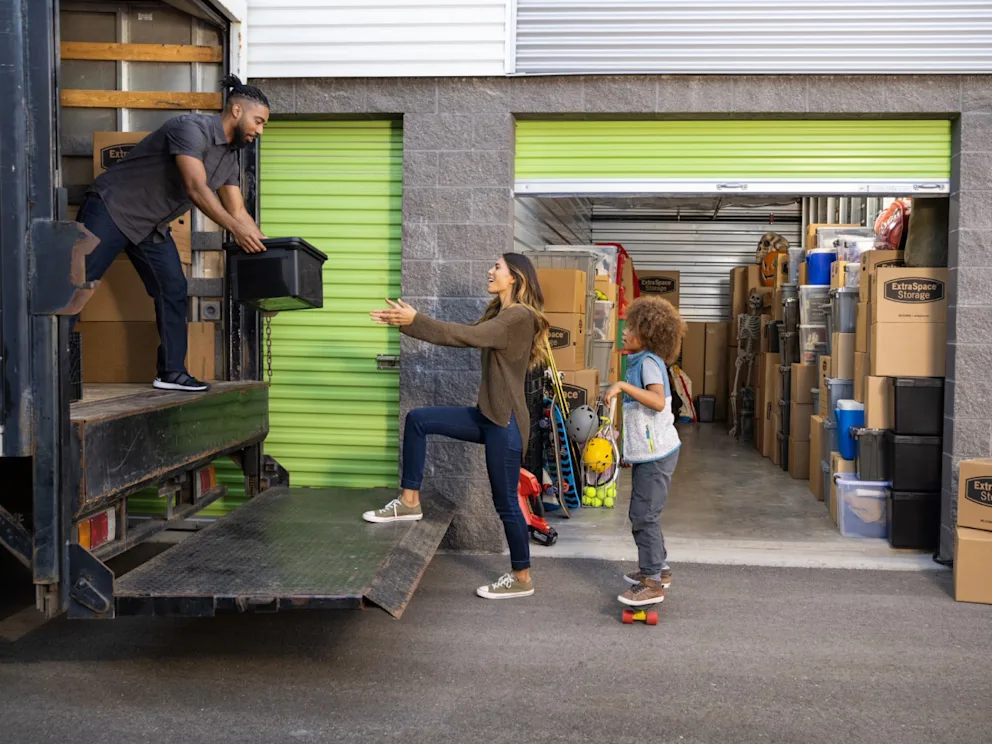
Whether you've got too much to move in one go or have items you don't need right away, using a storage unit while moving can be beneficial. A storage unit can give you a place to store seasonal items, furniture, boxes, and other belongings while you prepare your new home. This can be especially useful if you have a gap between your move-out and move-in dates, are downsizing, or need to stage your home. Temporary self storage also allows you to gradually move items when it works for you, taking some of the pressure off the big moving day. Extra Space Storage offers a range of storage unit sizes and amenities like 24-hour access, climate control, and more to help make the moving process easier.
Moving solo can feel overwhelming, and where you store your things matters. Here’s what one customer said about using storage while moving on her own.
"I have had the best experience using this Extra Space Storage! I was moving alone and needed a storage unit for about a month. As a 21 year old girl moving alone for the first time, feeling safe was a priority to me. I am so lucky I found this location because of how amazing and helpful the management has been. Thank you to everyone at this Extra Space Storage.
- Madisyn B., West Hollywood, CA "
Reserve Your Moving Truck or Container Early
If you're moving without professional help, you'll need to find a suitable moving truck or trailer. There are tons of moving truck companies out there that can meet your needs. If you're getting a truck, try to find a pick-up and drop-off spot near your destinations to save time and money, as you'll likely be paying for every mile. If your vehicle can handle it, trailers are great alternatives to moving trucks since they're often less expensive and take up less space than traditional rental trucks. Make sure to reserve your moving vehicle or moving container early—some moving seasons are busier than others.
Arrange Care for Children & Pets
Moving with kids or moving with pets can be stressful, and keeping an eye on little ones while you carry heavy furniture and boxes isn't easy. To maintain safety and avoid distractions, consider asking a friend or family member to watch your kids and pets on moving day. If no one is available, you can find a trustworthy sitter through babysitting sites or pet-sitting apps.
Find Affordable Self Storage Near You
Extra Space Storage has over 4,000 locations across the U.S. with friendly customer service, advanced security features, and affordable month-to-month rates.
- Save up to 40% off online
Pack Your Belongings
Once your moving date and transportation are set, you can start packing up your home room by room. Here's how to make the process simpler when moving on your own.
Find Moving Boxes
Reusing old boxes is a great packing tip to save some money during your solo move—just make sure to calculate how many moving boxes you'll need before you start hunting for them. You can find free or cheap boxes from a wide variety of retailers, online marketplaces, and social media groups. Ask your local grocery store or nearby retailer if you can take some boxes off their hands after they receive a shipment. If you can't find enough free moving boxes to supply your move, get creative by using suitcases, securing already-packed drawers, or using plastic totes.
Gather Packing Supplies
A key aspect of any DIY move is making sure items get to their destination safely. Packing and moving supplies like packing paper, bubble wrap, packing peanuts, packing tape, and mattress bags can go a long way in protecting your belongings throughout the move. You can also get a tape gun to speed up the packing process and make sure boxes are sealed securely. You can find these supplies at many moving truck rental locations, home improvement stores, or Extra Space Storage facilities.
Pack Boxes Carefully
When you move alone, how you pack moving boxes is incredibly important. Make sure boxes are not overly heavy so they can be carried easily by one person. In each box, place the large or heavy items at the bottom first to prevent lighter objects from getting crushed. Packing heavy items or packages into smaller boxes can make them easier to carry, as well. For example, items like individual dishes or books might not be heavy on their own, but become heavy in large quantities. In contrast, large moving boxes are perfect for carrying lightweight items like clothes or bedding.
Label What You Pack
Create a detailed packing list of all of the things you box up and where they'll be going in your new home. Then, pack and label your boxes accordingly with details like their designated room—or, if you want to be specific, label what's inside like "Kitchen Utensils." This kind of organization will be greatly beneficial as you start to unload and unpack. There are also helpful moving apps available you can use to track what you pack!
Pack an Essentials Bag
Before your DIY move, put together a bag of important items you'll want to keep organized and easily accessible. If you're staying in a hotel or temporary housing, you won't want to fully unpack until you get to your new home. Keep items like toiletries, electronics, phone chargers, and a change of clothes on hand, as well as important documents like Social Security cards, birth certificates, and passports. Keeping these essential items in one place will hopefully save you from digging through all of your already-packed boxes for necessities! Lastly, it's a good idea to pack snacks, water, electrolyte drinks, or cooling fans to keep cool and hydrated while moving.
Move Homes & Settle In
Once your moving plan is in place and packing is underway, use these tips to make your solo move smoother.
Move Nonessential Things First
Do you have an overlap between your previous lease agreement and your new home move-in? If so, try moving in smaller batches throughout several days, and start with nonessential items first. This can include seasonal decor, items you keep in storage, clothes, plants, books, electronics you don't use every day, and furniture that doesn't have a vital function. Moving a little at a time is a simple way to lessen the pressure of loading and unloading everything in one day when you're moving on your own.
Use Moving Equipment
Moving by yourself can be physically demanding, and carrying heavy items without proper support can lead to damaged belongings or injury. Even if you have an extra set of hands, the right equipment makes heavy items much more manageable. Quality gloves, furniture sliders, lifting straps, and dollies can help you move bulky pieces like bookcases, couches, and beds while taking pressure off your body. Protect your furniture along the way with furniture pads and moving blankets. You can rent or buy moving equipment from truck rental companies, hardware stores, or home improvement stores.
Properly Load Items in the Vehicle
When you move with your own vehicle, fold down the seats if you can to create extra room and cut down on the number of trips. Make sure items are secured in place, so they don't shift while you drive. However, make sure the vehicle is not so full that your view is obscured. If you choose a rental truck, give yourself enough time in both your rental agreement and schedule to fill your moving truck properly. You can even rent the truck for multiple days if you want to spread out the loading process. It's best to load heavy items first, near the front of the truck or trailer, to prevent the back end from fishtailing while you drive.
Unload & Unpack
Once you arrive at your new home, place each box in its designated room instead of opening and sorting everything as you unload. Then, unpack one room at a time. Be sure to prioritize the rooms you'll need the most right away—like your kitchen, bathroom, and bedroom. Breaking your unloading and unpacking process into smaller chunks will help you tackle all the boxes in no time.
***
Extra Space Storage has self storage facilities located across the country that can help move you to a better tomorrow. Find self storage units near you!
How to Move Posts
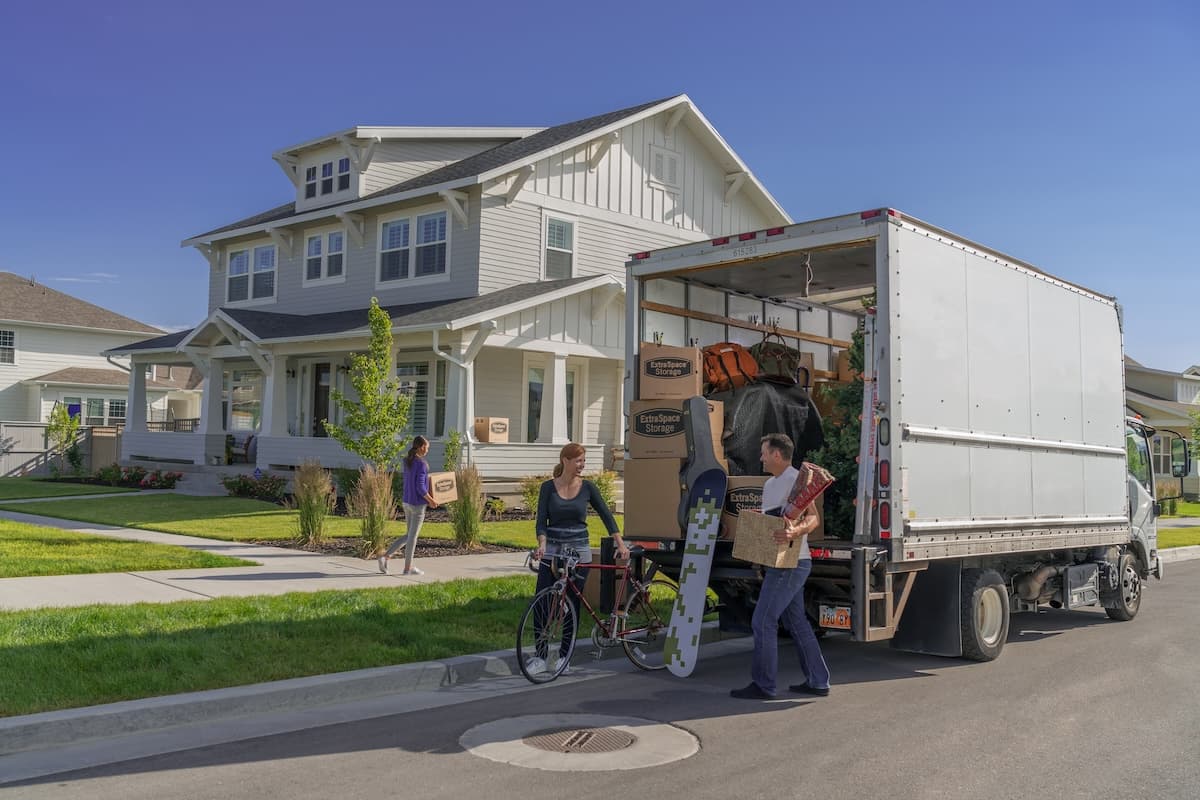
How to Move: Your Complete Guide to an Easy Relocation
Planning a move? This moving guide includes everything you need for planning a smooth relocation, including checklists, packing tips, costs, and more.
How to Move Last Minute
Moving on short notice? From preparation and packing to moving day, there are several ways to make your last-minute move go smoothly. Check out this guide.
How to Move on a Budget
Moving doesn't have to be extremely expensive. Learn how to save money when planning your move by following these 12 budget-friendly moving tips.
How to Move Short Distances
Embarking on a short-distance move? From downsizing to utilizing household items for packing—here are 12 ways to help you stay on track during moving day!
Author Profile
Quinn Johnson
Quinn Johnson is a moving expert and author for Extra Space Storage. He's moved over 15 times, including internationally, and helped countless others between their own homes. He's happy to lift some boxes for a friend as long as he's paid in pizza. As a writer and content creator for Extra Space Storage since 2019, Quinn shares helpful moving tips and info to alleviate the common stresses of moving.