Moving Guide
How to Pack Bedding For a Move: Blankets, Sheets, Pillows, & More

Packing bedding may seem simple, but due to their bulkiness, it's important to move them with care. With a little planning, you can pack your bedding in a way that saves space, keeps everything organized, and protects against dirt or damage during the move. From gathering the proper supplies to packing different types of items room by room, follow these tips on how to pack bedding and linens for moving.
Gather Your Packing Supplies
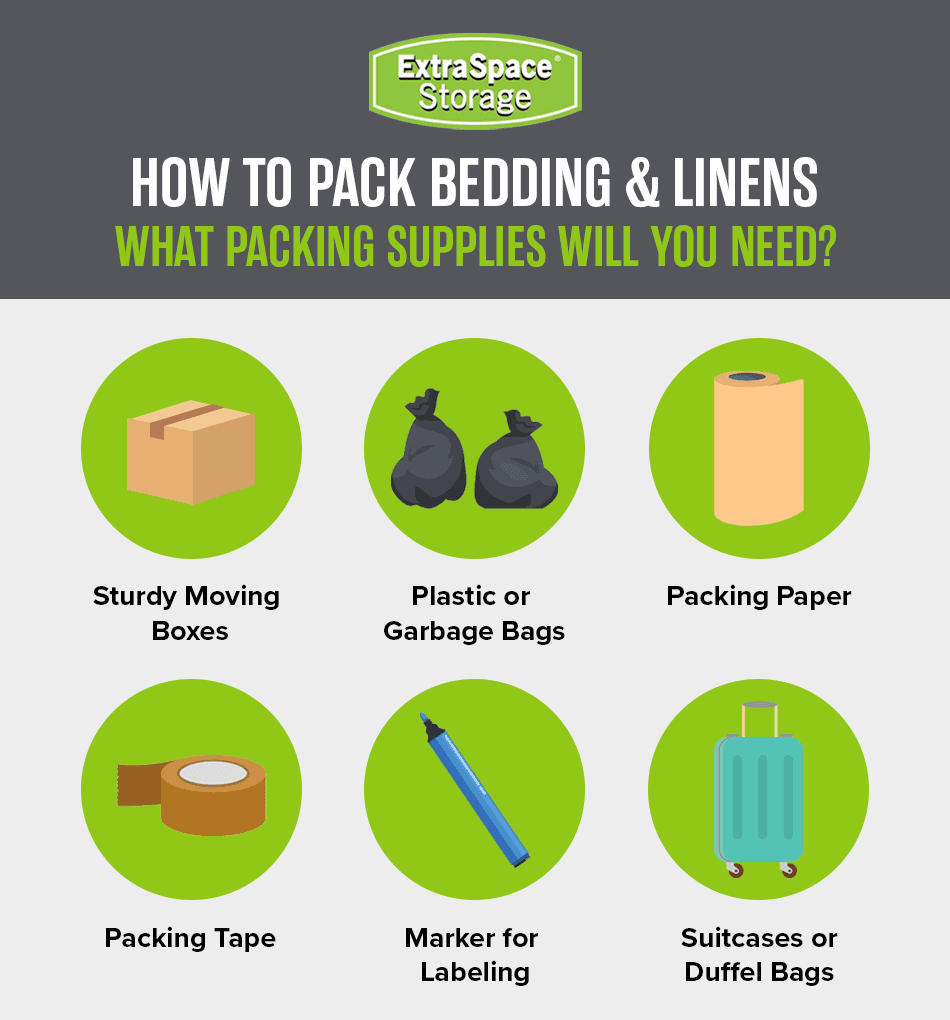
Before you start boxing up your blankets and folding your sheets, make sure you have all the necessary packing materials on hand. Here’s what you’ll need:
Medium & Large Moving Boxes
Plastic Bags or Garbage Bags
Packing Paper
Packing Tape
Marker for Labeling
Suitcases or Duffel Bags
Prepare Your Bedding & Linens Before Packing
Preparing your bedding and linens ahead of packing offers huge benefits for cleanliness and organization. Here’s what to do:
Wash Everything First: It’s best to wash and dry all bedding and linens before you pack them. Clean linens will ensure that when you unpack, everything is fresh and ready to use. Make sure everything is completely dry to avoid mildew.
Declutter & Decide What to Keep: Moving is a perfect time to evaluate your collection of bedding and get rid of what you don't need. Sort through your linen closet and decide what is worth taking. Consider donating or recycling linens that are worn out or that you won’t need in your new place. The fewer items you have to pack, the easier it will be to transport.
Collect Each Room’s Linens Together: Gather bedding by room or by bed. For instance, collect all the bedding from the master bedroom in one spot, and repeat for each bedroom or linen closet. This way you can pack each room’s linens together, which will make unpacking and setting up beds simpler.
Find Affordable Self Storage Near You
Extra Space Storage has over 4,000 locations across the U.S. with friendly customer service, advanced security features, and affordable month-to-month rates.
- Save up to 40% off online
How to Pack Different Types of Bedding
Learn how to efficiently pack various types of bedding and linens!
Pillows & Cushions
Clean & Cover: Ensure all pillows are clean and completely dry. Slip each pillow into a fresh pillowcase or a large plastic bag to add a layer of protection against dirt. Standard bed pillows can stay in their pillowcases; for throw pillows or couch cushions, you can use kitchen-sized trash bags or clear plastic bags. Tie or tape the bag shut to keep out dust.
Vacuum-Compress if Possible: If you have vacuum storage bags, place the pillows inside, seal the bag, and use your vacuum cleaner to suck out the air.
Use Pillows as Packing Material: Decide if any of your pillows will be used to pad other items. Set those aside to wedge between furniture in the moving truck.
Box or Bag the Pillows: For the remaining pillows, choose an appropriately sized box. Line the box with packing paper or a trash bag for extra protection. You can typically fit 2-4 bed pillows in a large box; don’t cram them so tight that you have to force the box closed, but it’s fine if they are snug.
Label & Tape: Once pillows are packed, tape boxes shut and use a marker to label each box with its contents and destination. This ensures the pillows end up in the correct room and you can find them when setting up beds and sofas.
Bed Sheets & Pillowcases
Wash & Fold Neatly: Wash, dry then neatly fold each sheet and pillowcase. Flat folds will save space and reduce deep wrinkles. Pair up sets if you can: for example, fold the fitted sheet, flat sheet, and one pillowcase, then wrap the folded stack inside the matching second pillowcase.
Use a Medium Box: Get a medium-sized moving box, and line the bottom with a sheet of packing paper for cleanliness. Place your folded sheets and pillowcases into the box, stacking them by set or size. Heavier linens like flannel sheets can go at the bottom, lighter ones on top.
Don’t Cram—Allow a Little Breathing Room: Unlike breakables, linens don’t need tight padding, and in fact, cramming too many can make them overly heavy or cause more wrinkling. Pack the box loosely enough that you could still slide a hand between the stacks. This ensures air can circulate a bit, and the box isn’t too heavy.
Alternative Containers: If you have a suitcase or a lidded plastic bin, you could pack some bed linens there too. Suitcases are great for sheets—just remember to label or note which suitcase has the sheets when you arrive.
Seal and Label: Close up your box or bin, tape it shut, and label it clearly with contents and room. This way you or your movers know exactly where to put it in the new house. You’ll appreciate knowing which box has the
sheets for your bed when it’s time to make it!
Blankets & Quilts
Clean & Freshen: Make sure all blankets and quilts are clean and thoroughly dry. Just like with sheets, you don’t want to trap any dirt or moisture. Moving is also a good time to air out quilts—even if you can’t wash a handmade quilt, let it hang outside for a bit to freshen it up.
Fold or Roll: Fold each blanket or quilt into a rectangle that fits your boxes. For very thick or fluffy blankets, you might try rolling them tightly instead—rolling can push out some air and make it easier to nest them in a box.
Use Vacuum Bags: If you have vacuum storage bags and a lot of voluminous blankets, use them here as well. Vacuum-sealing a big comforter or quilt will make it much easier to pack.
Choose the Right Box Size: For blankets and quilts, a large box might be needed, especially for thicker quilts. Line the bottom with packing paper and place the folded or rolled blanket inside. Don’t make the box too heavy—blankets can add up in weight if you stack many.
Seal & Mark: Tape up the boxes of blankets securely and label each box with its contents and destination.
Comforters & Duvets
Separate Duvet Inserts & Covers: If you use a duvet, take the cover off first. The duvet insert itself will be packed like a comforter. By removing the cover, you can wash it, and you also reduce some bulk when packing the insert.
Make Sure It’s Dry: Comforters can hold a lot of moisture in their filling. If you washed it, give it plenty of time to dry completely. Any dampness in a comforter can lead to a musty smell later, so ensure it’s dry and aired out.
Fold or Roll the Comforter: Spread the comforter or duvet out and fold it into a manageable size. For a queen or king comforter, folding in thirds or quarters works. You might also roll it up tightly, pushing out air as you go. Rolling can sometimes be easier with lofty items.
Vacuum-Seal Large Comforters: This is where vacuum storage bags truly shine. Place the folded or rolled comforter inside an extra-large vacuum-seal bag. This not only saves an enormous amount of space but also keeps the comforter protected from any water or dirt.
Use a Box or Bag: Once compressed or bagged, decide if you need a box. A vacuum-sealed comforter might be compact enough to go in a box with other linens or stand alone. A bagged comforter can be placed in a box for easier stacking.
Secure & Label: Tape up any boxes that contain comforters/duvets, or firmly tie the plastic bags. Label them clearly so you or your movers know which room they go in once they arrive at your new home.
Towels & Other Linens
Wash & Sort Towels: Gather and wash all your towels before packing , then sort and fold them by size or set. Towels are fairly heavy when stacked, so it’s best to pack them in medium or small boxes rather than large ones.
Use Towels for Padding Delicates: Just as with blankets, towels make excellent protective padding. Set aside a few lesser-used towels to wrap fragile items like mirrors, artwork, or to cushion appliances.
Box Up Remaining Towels: Line a box with paper and place your folded towels inside. Don’t overfill the box, as a big stack of towels can get heavy.
Pack Table Linens: For items like tablecloths, cloth napkins, curtains, or other miscellaneous linens, the process is similar: wash, fold neatly, and pack in a clean box. These tend to be lighter and thinner, so you might put all dining room or kitchen linens in one box. Place heavier fabric at the bottom and lighter ones on top.
Keep One Towel Out: It’s a good idea to keep at least one bath towel and a hand towel easily accessible for each person in the household. You might pack a first day box with a towel, toiletries, shower curtain, and soap—so you can take a shower the first night without searching for where you packed the towels. Mark this clearly or carry it with you.
Seal & Label Boxes: Tape up the towel box and label it clearly. Because towels and linens aren’t fragile, you have more flexibility in what you combine together.
***
For more helpful tips on packing and moving bed sheets, clothes, and other household items, be sure to explore our additional moving resources. And if you need a convenient, secure spot for extra belongings during your move or blankets and pads for moving, Extra Space Storage has thousands of locations across the U.S. that can help. Find self storage near you!

Explore More Packing Tips
7 Tips for Labeling Moving Boxes
Moving into a new home? Use this guide for proper labeling techniques to make the moving process easier.

Tips for Packing & Moving a Flat-Screen TV
Moving homes and need to pack a flat-screen TV? Follow this guide on how to securely and safely prepare it for your move.
Best Way to Pack Clothes for Moving
Learn the best ways to pack clothes for a move with these expert tips on decluttering, folding techniques, packing supplies, and more.
How to Pack Fine China
Need to pack china for storage or moving? Follow these helpful steps to avoid damaging your delicate china.
Room-By-Room Packing Checklist
Make packing for your next move easy with our room-by-room checklist, which includes specific packing tips for each area of your home or apartment!
Author Profile
Quinn Johnson
Quinn Johnson is a moving expert and author for Extra Space Storage. He's moved over 15 times, including internationally, and helped countless others between their own homes. He's happy to lift some boxes for a friend as long as he's paid in pizza. As a writer and content creator for Extra Space Storage since 2019, Quinn shares helpful moving tips and info to alleviate the common stresses of moving.