Moving Guide
How to Move a Hot Tub

Moving a hot tub to a new location can be a major challenge, due to their size and weight—weighing between 500 and 1,000 pounds when empty. However, with good planning, the right equipment, and some strong helpers, safely moving a heavy item like a hot tub is possible. Read our guide to learn how to move a hot tub, with or without professional movers.
DIY vs Professional Hot Tub Moving
One of the first decisions to make when moving to a new home with a hot tub is whether to recruit help from friends or hire professionals. DIY moving can work for short distances or tight budgets. But if you’re facing a long-distance move or tricky obstacles, professional movers can save you from costly mistakes. The best choice for you depends on your budget, timeline, and comfort with heavy lifting. Here are some of the pros and cons of each approach.
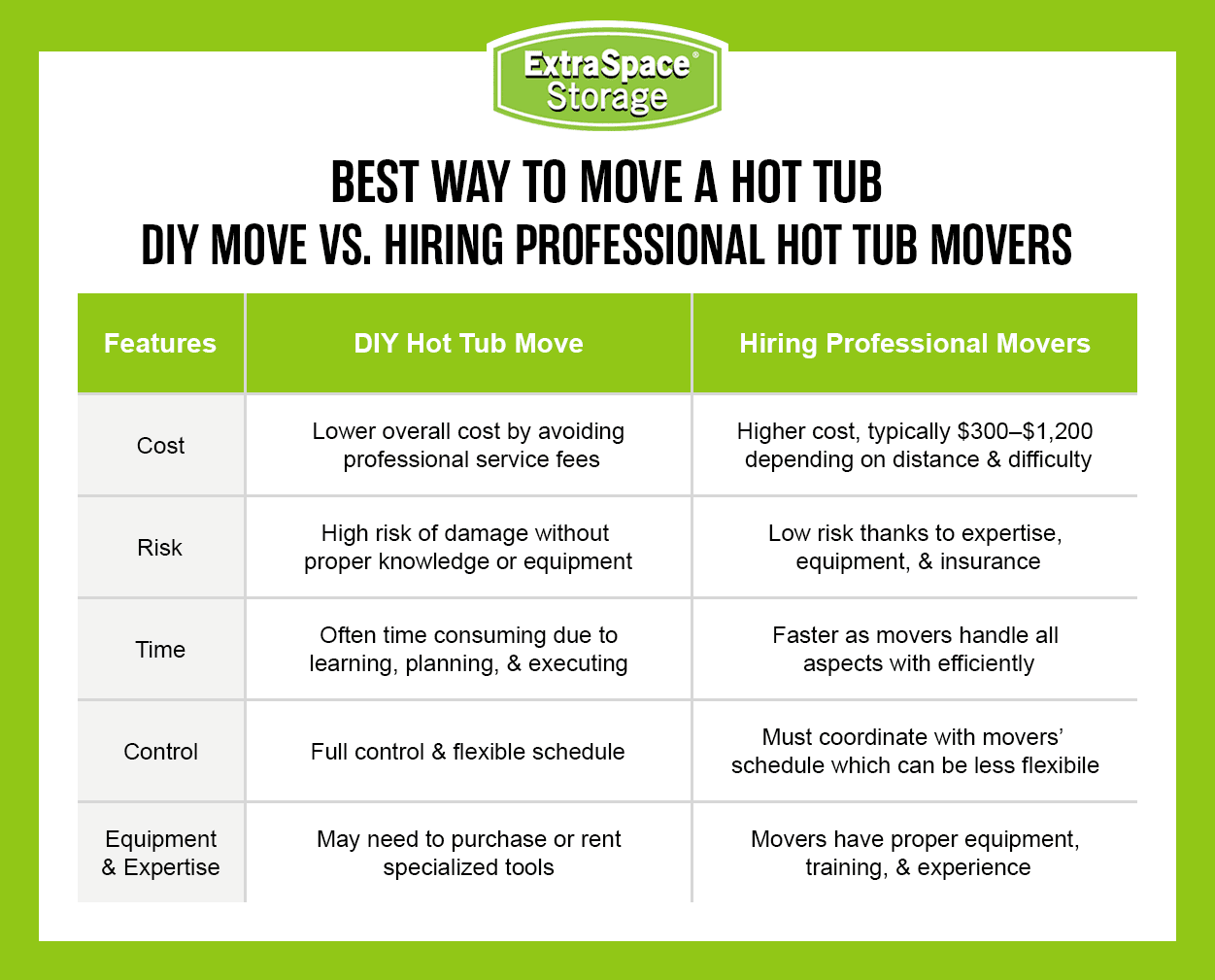
Pros & Cons of Moving a Hot Tub by Yourself
Pros:
Cost Savings: By not paying for movers, you avoid professional service fees, which can significantly reduce your overall
Control & Flexibility: Doing a DIY hot tub move lets you handle the process on your own schedule without having to coordinate with a company’s timetable.
Cons:
Risk of Damage: Without proper knowledge and equipment, there’s a higher risk of damaging the hot tub during the move. Hot tubs are awkward and heavy, so mistakes can be costly.
Physical Demands: Moving a hot tub means heavy lifting and awkward maneuvering, which can lead to serious strain or injury if done incorrectly.
Time-Consuming: Coordinating a DIY move can take longer than hiring professionals. You’ll spend time planning, gathering tools, and executing the move, which can prolong your overall moving timeline.
Specialized Equipment: You may need to purchase specialized moving equipment such as spa dollies and sliders, which require some moving knowledge and can add to total moving costs.
Pros & Cons of Hiring Professional Furniture Movers
Pros:
Expertise & Equipment: Professional hot tub movers have the training, experience, and proper equipment to move hot tubs safely and efficiently, ensuring a smooth relocation.
Reduced Risk & Peace of Mind: Experienced movers greatly minimize the chance of damage to your hot tub or property. They know the safest techniques and often carry insurance, so your hot tub is protected throughout the move.
Cons:
Higher Cost: Hiring a hot tub moving service is an added expense that may not fit everyone's budget. Professional movers may charge several hundred dollars for a hot tub relocation, around $300–$1,200 on average, depending on distance and difficulty.
Scheduling & Control: You’ll need to coordinate with the movers’ schedule and availability, which means less flexibility on timing.
Research Required: Finding a reputable moving company for your hot tub takes effort, time, and thorough research, something you may not have time for.
Planning & Preparation for Moving a Hot Tub
Proper planning makes all the difference in a successful hot tub move. Before moving day, take time to prepare with these considerations:
Measure the Hot Tub and Pathways: Know your hot tub’s exact dimensions and the width of any gates, doors, or pathways it must travel through. If necessary, remove fence panels or widen gates in advance. Plan how you'll orient the tub (flat or on its side) to navigate tight spaces and turns.
Plan the Route: Walk the route from the hot tub’s current location to the moving truck or trailer. Identify any obstacles like steps, slopes, or uneven ground. If there are stairs or steep inclines, plan to use an appliance dolly with straps. Clear any tripping hazards along the way, ensuring the path is completely clear of furniture, yard debris, or anything that could impede rolling the tub.
Assemble a Strong Team: Never attempt to move a hot tub alone. Plan on having at least 4 to 6 able-bodied people to help lift and steady the tub. Coordinate with friends or family ahead of time so everyone knows when and where to be, and assign roles (for example, two people at each end of the tub and others spotting on each side).
Gather Moving Equipment in Advance: You will generally need two heavy-duty furniture dollies, an appliance dolly, 4×4 lumber or plywood blocks, moving straps or ratchet straps, and moving blankets. You'll also need basic tools like screwdrivers or wrenches for disconnecting electrical or plumbing connections, as well as a garden hose or pump for draining water.
Secure a Truck or Trailer: Arrange a moving truck or trailer that can accommodate the hot tub’s size. A medium box truck with a loading ramp often works, but verify the interior dimensions against your hot tub’s measurements.
Prepare the New Location: When you've decided where the hot tub will go at its new destination and looked into any necessary local codes or permits, check that the foundation or pad at the new site is solid and will be able to support the tub’s weight when filled. Also, double-check that electricity can be hooked up easily at the new spot, and that any necessary plumbing or wiring is in place. Finally, clear an access path at the new location, removing obstacles and trip hazards.
Find Affordable Self Storage Near You
Extra Space Storage has over 4,000 locations across the U.S. with friendly customer service, advanced security features, and affordable month-to-month rates.
- Save up to 40% off online
How to Move a Hot Tub Yourself
While you should never try to move a hot tub completely alone, you can assemble a team yourself rather than hiring professional movers. If you’ve decided on the DIY route, follow these step-by-step instructions to move a hot tub safely.
Shut Off Power & Disconnect:
Turn off the hot tub and disconnect it from the power source. Unplug or shut off the circuit breaker, then disconnect the electrical cord from the outlet/control box. Coil up the power cord, wrap it in plastic, and secure it so it won’t dangle or get wet during the move. If your tub is hard-wired, have a qualified electrician safely disconnect it. If it’s a gas-heated spa, detach any gas line and turn off the gas supply.
Drain All Water:
Completely drain the hot tub at least a day before moving it. Attach a garden hose to the tub’s drain spout and route it to a safe drainage area, such as a street gutter or storm drain. Open the drain and let the water empty out. Remove any remaining water from the tub and dry the interior.
Remove the Cover & Accessories:
Take off the hot tub cover and set it aside. If the cover is attached with clips or screws, undo those so the cover can be moved separately to prevent damage and reduce weight. Accessories like steps, side panels, or rails should also be moved separately. Make sure the tub’s cabinet is free of any loose parts and that all caps or valves are closed up for transport.
Protect & Pad the Tub: Wrap the hot tub in moving blankets to protect its sides and frame. Secure the blankets with tape or straps so they stay in place. If the tub will need to be tilted on its side, attach plywood sheets or 2x4 boards along the side that will go down, to distribute the weight and prevent the side panel from cracking. Pad any corners or fragile edges of the hot tub before moving it.
Lift & Place on Dollies: Gather your helpers around the tub. Slide 4×4 wooden blocks under each corner of the hot tub by having everyone lift slightly in unison, lifting with the legs rather than the back. Placing blocks under the tub elevates it a few inches off the ground. Once elevated, roll two furniture dollies underneath the tub’s base—one under the front end and one under the back end. Remove the wood blocks so the tub now rests entirely on the wheeled dollies. Strap the tub onto the dollies if possible, using ratchet straps to tighten it down to keep the hot tub from slipping off during movement.
Move Slowly Along the Planned Path: With the tub securely on dollies, carefully roll it toward your moving truck or trailer following the route you planned. At least one person should be positioned on each side of the tub, keeping it balanced and preventing any tipping. Communicate as a team when navigating turns or slight inclines. Do not rush this process—slow movement reduces the risk of slips or accidents.
Load the Hot Tub into the Truck: If you have a truck with a ramp, line up the dollies and slowly push the hot tub up the ramp with at least one person guiding from behind and others supporting the sides. Move inch by inch to maintain control. If using a ground-level storage container or trailer, you can often roll the tub straight in more easily. Once inside the truck or trailer, tie down the hot tub with straps to the vehicle’s anchor points so it cannot slide around during transit. For convenience, you can leave the tub on the dollies (with the dolly wheels locked) while in transport.
Transport to the New Location: Drive carefully to the new location, avoiding hard stops or sharp turns. When you arrive, inspect that the straps are still tight and the tub hasn’t shifted. Plan the route from the truck to the new spa location just as meticulously as before.
Unload & Place the Hot Tub: To unload the hot tub, position a ramp and slowly roll the hot tub out of the truck with your team, or lift and slide it out in a controlled manner. Once on the ground, roll the tub to its new home using the dollies, with helpers stabilizing it just like before. Then reverse the loading process: lift one end slightly and remove a dolly, then the other, setting the tub down gently onto the prepared site. If it’s slightly off position, use the pry-bar and wood technique or dollies to adjust. Take your time to make sure the hot tub is exactly where you want it—it should be on a level, solid surface and oriented properly.
Reconnect & Test the Hot Tub: With the tub in place, it’s time to get it up and running again. Remove all wrapping and straps carefully. Reattach any components that were removed. Reconnect the electrical wiring or plug the cord in—for hard-wired tubs, consider having an electrician reconnect to ensure safety. Reconnect any plumbing lines or hoses that were detached. Refill the hot tub with water to the proper level. As it’s filling, check that water is not leaking from any connections you reattached. Once filled, turn the power back on and test the pump and heater. Make sure everything is operating normally. Finally, balance the water chemicals and put the cover back on.
Hot Tub Moving Safety Tips
Moving a hot tub is hard work and potentially dangerous, so keep these safety tips in mind throughout the process:
Never Move a Hot Tub Solo: A hot tub is far too heavy for just one or two people to move—at least four people should be involved in lifting and steadying it. If you cannot secure enough helpers, do not attempt the move. Call professionals instead of risking injury. There’s no shame in handing off a dangerous task to experts.
Use Proper Lifting Techniques: When lifting any part of the hot tub, lift with your legs, not your back. Keep your back straight and lift in unison with your team. Sudden jerks or improper lifting techniques can cause serious back injuries.
Go Slow and Communicate: Rushing increases the chance of accidents. Move slowly and deliberately, especially when navigating steps or narrow paths. Designate one person to call out commands or countdowns so everyone lifts and moves together. If someone needs to adjust grip or stop, they should signal the team to pause.
Secure the Load: Make sure the hot tub is securely strapped to the dollies to keep the tub from shifting or rolling off unexpectedly. Likewise, when the tub is on the moving vehicle, use tie-downs oEn all sides to anchor it firmly.
Wear Appropriate Gear: All helpers should wear sturdy, closed-toe shoes with good traction—moving a 1000-lb spa with wet feet or flip-flops is a recipe for injury. Work gloves can improve grip and protect your hands. It’s also wise to wear long sleeves and pants to avoid scrapes. Consider wearing a back brace for support while lifting.
Keep the Path Clear: Remove obstacles, tripping hazards, or slick spots along your route before moving the tub. If working on grass or uneven ground, proceed extra cautiously or lay down sheets of plywood to create a more stable rolling surface.
Take Breaks and Stay Hydrated: Lifting and moving such a heavy object is exhausting, especially if moving in the summer. If anyone gets overly fatigued, pause and take a break. Keep some water bottles handy and ensure everyone helping stays hydrated and focused.
***
Find more tips on moving large furniture, moving packing lists by room with our helpful moving resources. And if you need somewhere to store a hot tub during a move or you're decluttering for a move, Extra Space Storage has thousands of convenient storage locations throughout the U.S. that can help. Find self storage near you!

Essential Moving & Packing How-Tos

10 Tips for Moving Large Items
Wondering how to move large objects safely? Discover the 10 best tips for moving bulky items in this guide!

Tips for Packing & Moving a Flat-Screen TV
Moving homes and need to pack a flat-screen TV? Follow this guide on how to securely and safely prepare it for your move.
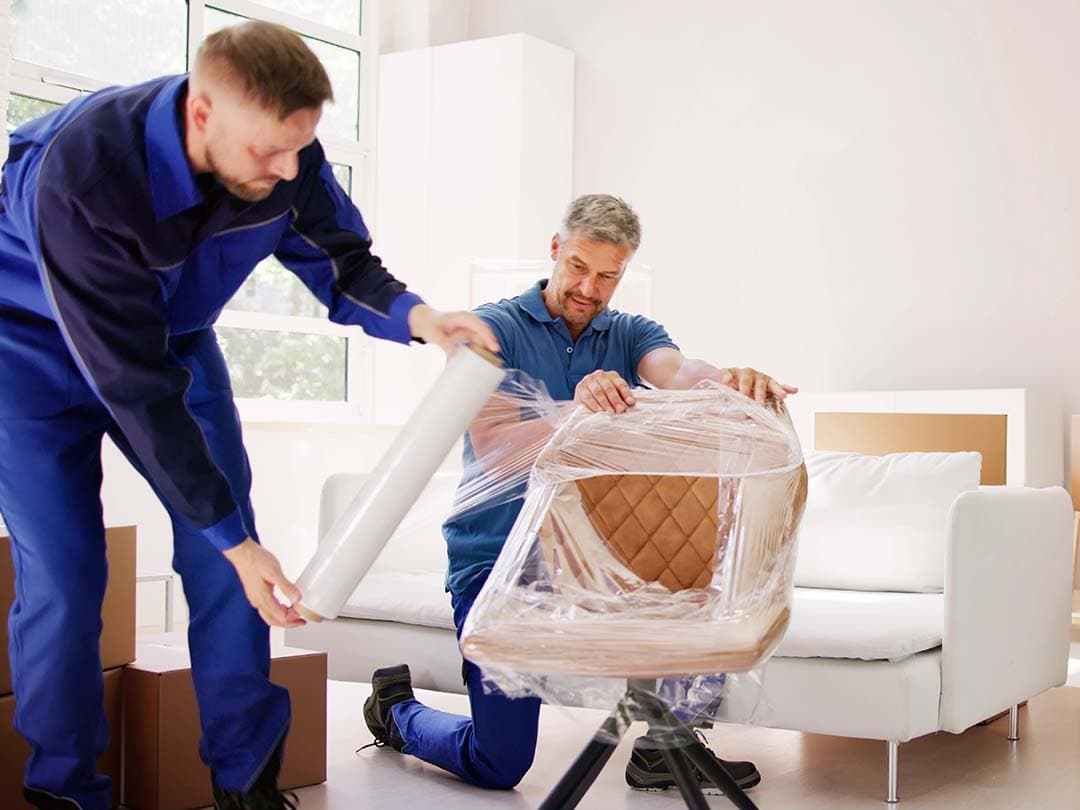
How to Wrap & Pack Furniture to Move
Moving soon and need to protect your furniture? Follow these steps to pack your couch, tables, chairs, bed sets, and other furniture.
How to Move a Treadmill
Heavy, bulky, and expensive if hiring movers—here's how to move or dispose of a treadmill quickly and safely.

7 Steps for Packing Paintings & Artwork for Moving
Whether you’re an artist or collector, it’s important to protect your art from damage and depreciation. Here’s how to pack paintings and artwork for moving!
Author Profile
Quinn Johnson
Quinn Johnson is a moving expert and author for Extra Space Storage. He's moved over 15 times, including internationally, and helped countless others between their own homes. He's happy to lift some boxes for a friend as long as he's paid in pizza. As a writer and content creator for Extra Space Storage since 2019, Quinn shares helpful moving tips and info to alleviate the common stresses of moving.