Moving Tools
Guide to Hiring Single-Item Movers for Heavy or Fragile Items

If you're moving on a budget but still have heavy or fragile items to move, it may be worth it to hire a single-item moving company. These movers specialize in large or unique items and can help make the process go smoothly. Here's a quick guide for what you need to know when hiring single-item movers!
What Are Single-Item Movers?
Single-item movers are professional movers who specialize in transporting individual items or very small loads, rather than entire households. They have the specialized equipment, technical know-how, and experience to manage items of various shapes, sizes, and weights safely—such as a bulky sectional couch, a large hot tub, or fragile artwork.
When Should You Hire Single-Item Movers?
Whether you're moving by yourself or just need help with a few items, single-item movers can be lifesavers when you have a heavy or awkward item to move. Instead of risking injury or damage by tackling it yourself, professionals can handle the job safely. Here are common situations where hiring single-item movers can be a smart choice:
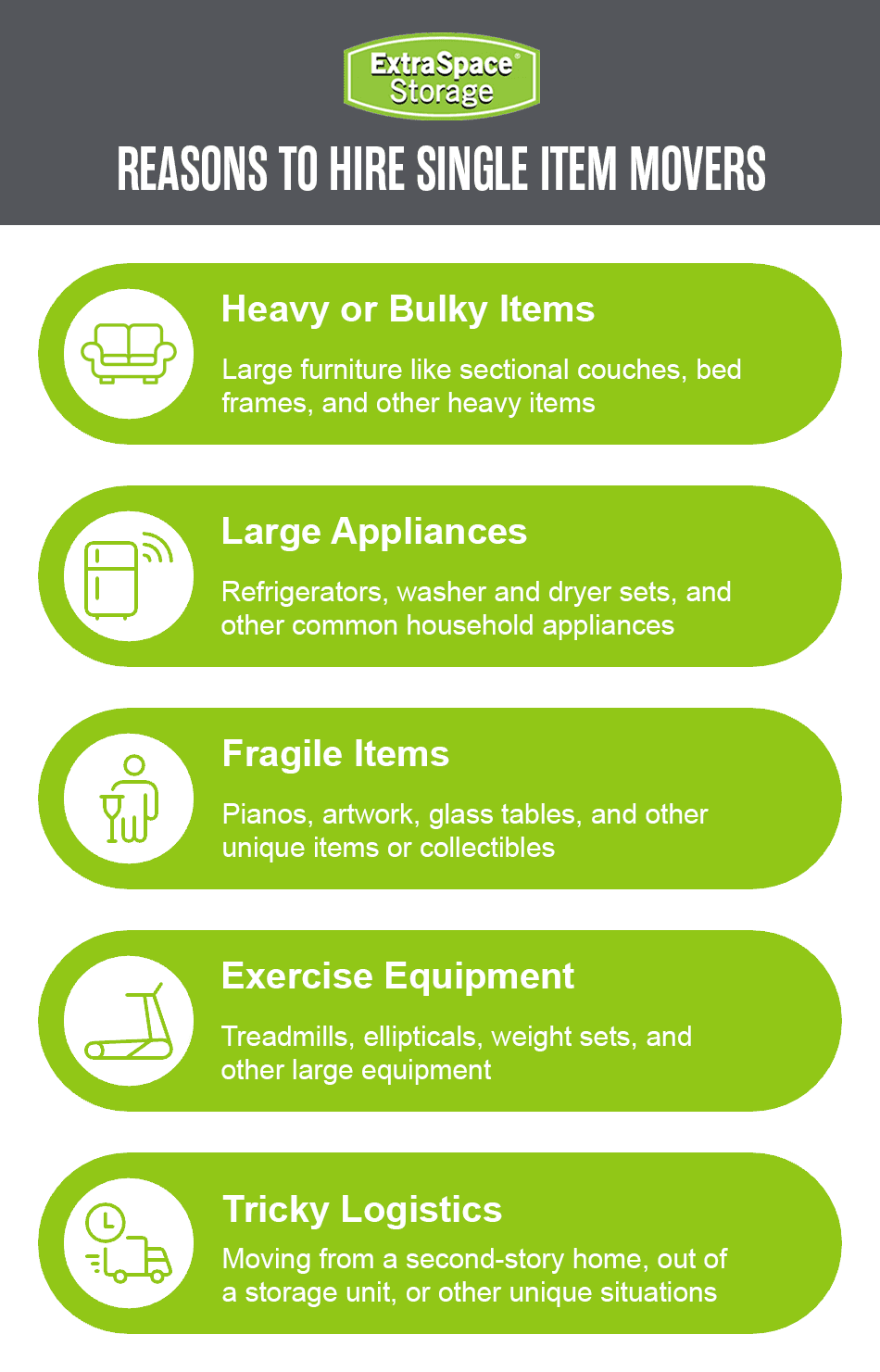
Heavy or Bulky Items: Large furniture like couches, dressers, or bed frames (especially if stairs or tight corners are involved) are tough to move alone. Professionals can handle these without risking injury or damage.
Large Appliances: Refrigerators, washers, dryers, and other big appliances are awkward and heavy. Movers can safely transport and even help set them in place, saving your back and floors from potential harm.
Fragile or Valuable Items: Moving some items like artwork, antiques, pianos, glass tables—need special handling and maybe custom packing. Single-item movers have experience protecting delicate valuables so they stay safe in transit.
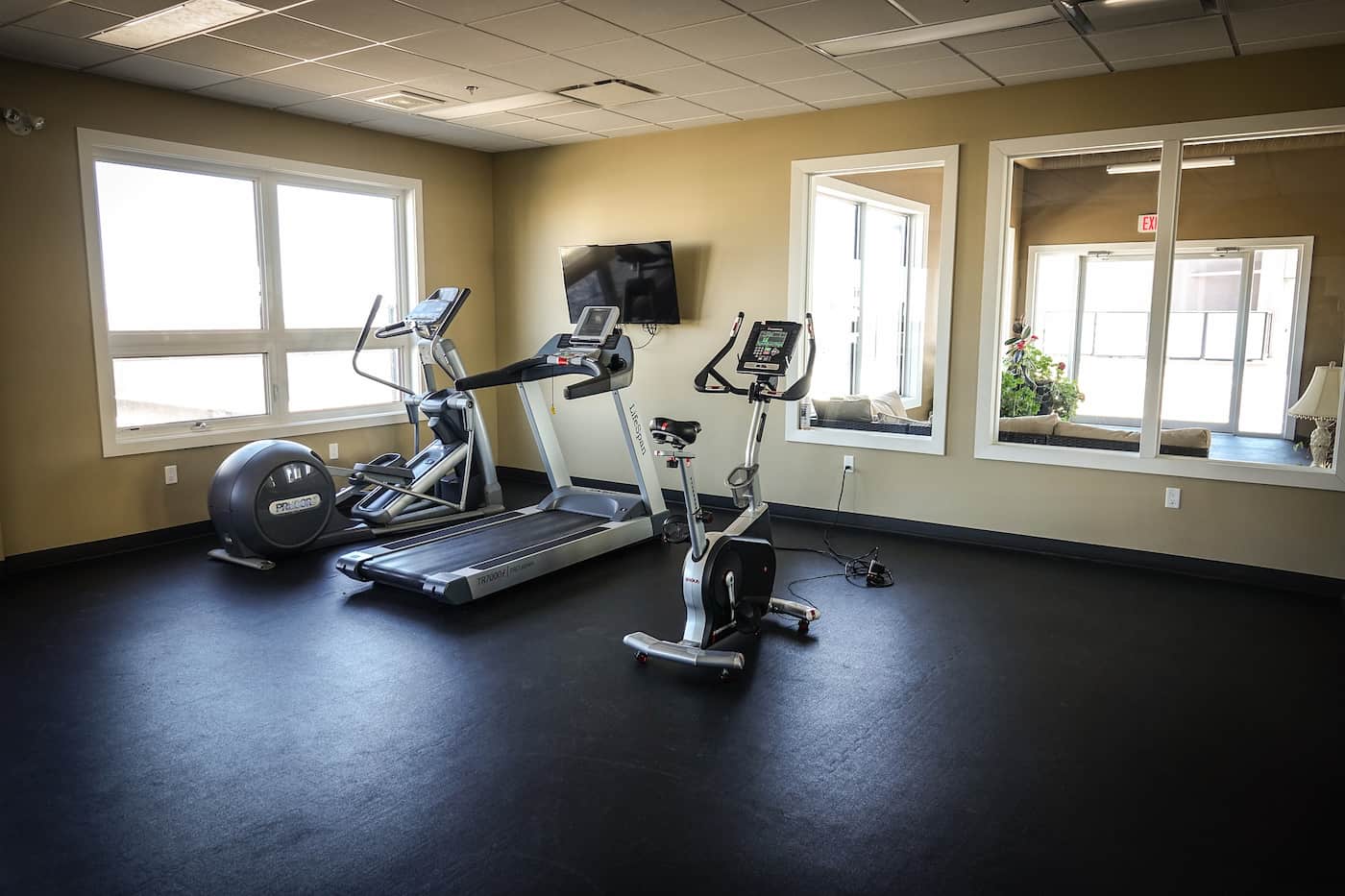
Exercise Equipment & Large Electronics: Treadmills, ellipticals, or big-screen TVs often require partial disassembly and careful handling. Professionals know how to do this properly and move these items without damage.
Tricky Logistics: Perhaps you sold a piece of furniture online and need it delivered to the buyer, or you have to retrieve a single item from a storage unit. In tight timing or complex situations, a single-item mover can step in and coordinate the move efficiently.
What Types of Items Can Be Moved?
Single-item movers can handle almost any household item, as long as it’s a single, standalone piece. Common examples include:
Furniture: Sofas, beds, dressers, dining tables, recliners, etc. Movers have the equipment and skills to transport bulky furniture safely.
Appliances: Refrigerators, ovens, washing machines, dryers, and other large appliances. Professionals ensure these heavy items are moved without damage (and can assist with hookups if agreed upon).
Specialty Items: Pianos, pool tables, hot tubs, safes, and other unusually heavy or complex items. These often need special disassembly, crating, or handling techniques, which single-item movers can provide.
Antiques & Artwork: Fragile or valuable pieces like antique cabinets, fine art paintings, sculptures, or large mirrors. Movers may use custom padding and crates to protect these treasures during the move.
Electronics: Big-screen TVs, arcade machines, or home theater components. Even though these might not fill a truck, they require careful handling and secure transport to avoid any electronic damage.
Cost Factors to Consider
While prices can vary for single-item movers, it's still typically more affordable than hiring a full-service moving company. Here are some key factors that can influence the cost of single-item moving services:
Distance: Depending on how far you're moving will determine how much a single-item mover will cost. Local moves are often charged hourly with a minimum time, whereas long-distance moves might have a flat rate or weight-based fee.
Size & Weight: The larger and heavier the item, the more it may cost. Bulky or very heavy pieces often require more movers or special equipment, which increases the price. A small dresser will be cheaper to move than a grand piano or a massive safe, simply due to the effort and gear needed.
Complexity: If a mover has to navigate stairs, narrow hallways, elevators, or tricky doorways, it can add to the cost because they slow down the move and require extra care. Also, if the item needs disassembly/reassembly or special crating, labor or material will be included in the price.
Timing: Urgent moves or those outside normal hours might come with an extra charge. Also, if you book during peak moving times, rates could be higher due to demand. Flexibility in scheduling might help you get a better rate.
Insurance & Extras: Basic moving coverage is usually included, but if you opt for additional insurance for a high-value item, it will cost a bit more. Other add-ons like packing services (having the movers wrap/pack the item for you) or short-term storage will also increase the total.
Find Affordable Self Storage Near You
Extra Space Storage has over 4,000 locations across the U.S. with friendly customer service, advanced security features, and affordable month-to-month rates.
- Save up to 40% off online
How to Choose a Reliable Single-Item Moving Service
A reliable single-item mover will not only have a fair price, but also the reputation and professionalism to make you feel comfortable that your one item is in good hands. When it comes time to hire a single-item moving service, be sure to keep these considerations in mind:
Recommendations & Reviews: Ask friends or family if they know a good moving service for small jobs. Personal experiences can point you to trustworthy companies. Also, check online reviews—look for movers with strong ratings and positive feedback, especially on handling items similar to yours.
Licensing & Insurance: Verify that the mover is properly licensed and insured. For interstate moves, they should have a USDOT number. Insurance is crucial too—confirm what coverage your item will have during the move (and if needed, purchase extra coverage for full value protection).
Get Multiple Quotes: Contact multiple companies and compare quotes for your item. Ensure each quote clearly outlines what’s included so you can compare them fairly. Be cautious of any quote that’s much lower than the rest, as it could be a red flag.
Experience With Similar Items: Ask if they have experience handling your specific item. A proven track record with similar items will give you more confidence.
Communication & Professionalism: Notice how responsive and clear the company is when answering your questions. If communication is prompt and polite, that’s a good sign; if they’re hard to reach or give vague answers, consider it a warning sign.
Preparing Your Item for Transport
Before moving day, it’s wise to get your items ready for transporting. Proper packing and preparation not only speed up the process but also help protect your belongings from damage. Here’s how to prep your item:
Clean & document: Give the item a light cleaning to remove dust and grime. As you do, check its condition and take photos from several angles. This way, you have documentation of any existing scratches or marks.
Disassemble if possible: If your item can be taken apart into smaller pieces, do it. Remove things like table legs, shelves, or detachable parts from furniture. For appliances, detach any loose components. Keep screws and small parts in a labeled bag taped to the item or stored safely. Breaking an item down makes it easier and safer to move.
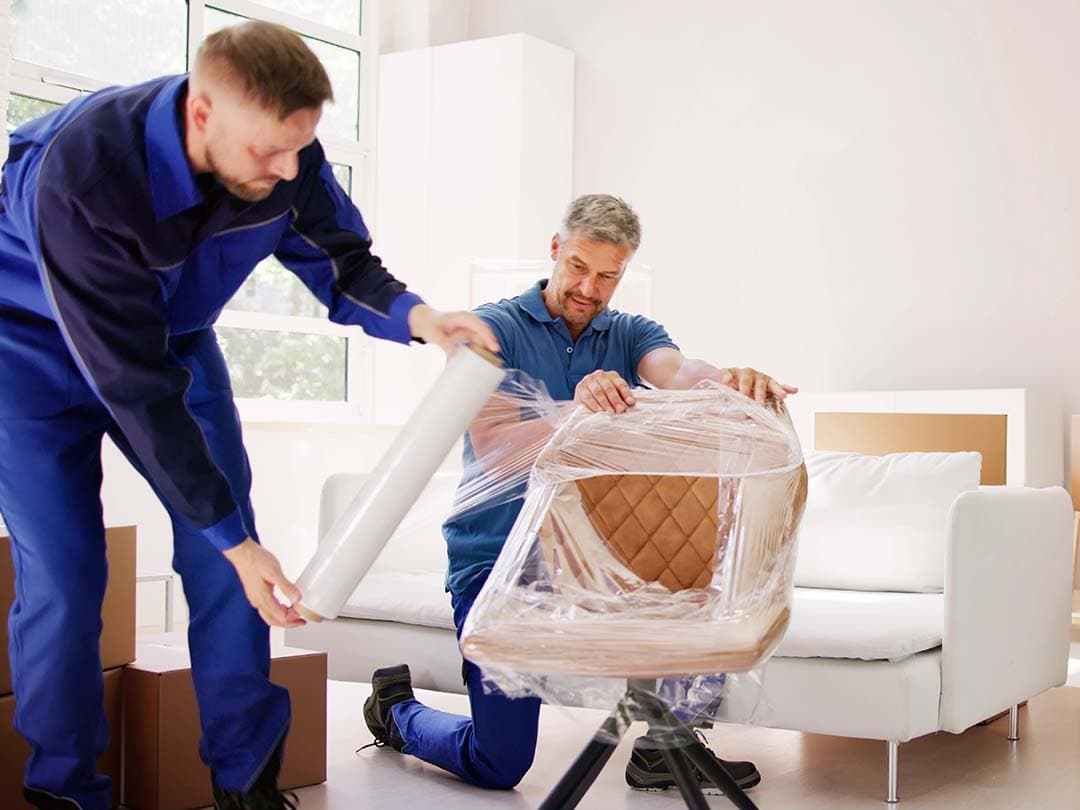
Wrap & protect: Use padding to safeguard your item. Wrap fragile parts in bubble wrap or use thick moving blankets for furniture. Secure the wrapping with tape or plastic stretch wrap so it stays put. Don’t skimp on protection—the more cushioned your item is, the less likely it will get scuffed or broken. If the item has doors or drawers (like a cabinet or appliance), tape or tie them shut to prevent opening during transit.
Clear the path & notify: Make sure the route from the item to the exit is clear of obstacles (no rugs, cords, etc.), and doors are propped open for easy access. If you’re in an apartment, reserve the elevator. Let your movers know about any special handling needs, too—for example, if an item must stay upright or has fragile parts, tell them in advance.
***
Moving soon? Use our free moving cost calculator, read expert guides, and more with Extra Space Storage Moving Resources. And for any storage needs throughout your move, we have convenient locations across the U.S. Find a storage unit near you!

Essential Moving & Packing How-Tos

10 Tips for Moving Large Items
Wondering how to move large objects safely? Discover the 10 best tips for moving bulky items in this guide!

Tips for Packing & Moving a Flat-Screen TV
Moving homes and need to pack a flat-screen TV? Follow this guide on how to securely and safely prepare it for your move.
How to Wrap & Pack Furniture to Move
Moving soon and need to protect your furniture? Follow these steps to pack your couch, tables, chairs, bed sets, and other furniture.
How to Move a Treadmill
Heavy, bulky, and expensive if hiring movers—here's how to move or dispose of a treadmill quickly and safely.

7 Steps for Packing Paintings & Artwork for Moving
Whether you’re an artist or collector, it’s important to protect your art from damage and depreciation. Here’s how to pack paintings and artwork for moving!
Author Profile
Quinn Johnson
Quinn Johnson is a moving expert and author for Extra Space Storage. He's moved over 15 times, including internationally, and helped countless others between their own homes. He's happy to lift some boxes for a friend as long as he's paid in pizza. As a writer and content creator for Extra Space Storage since 2019, Quinn shares helpful moving tips and info to alleviate the common stresses of moving.