Moving Guide
How to Move with Plants
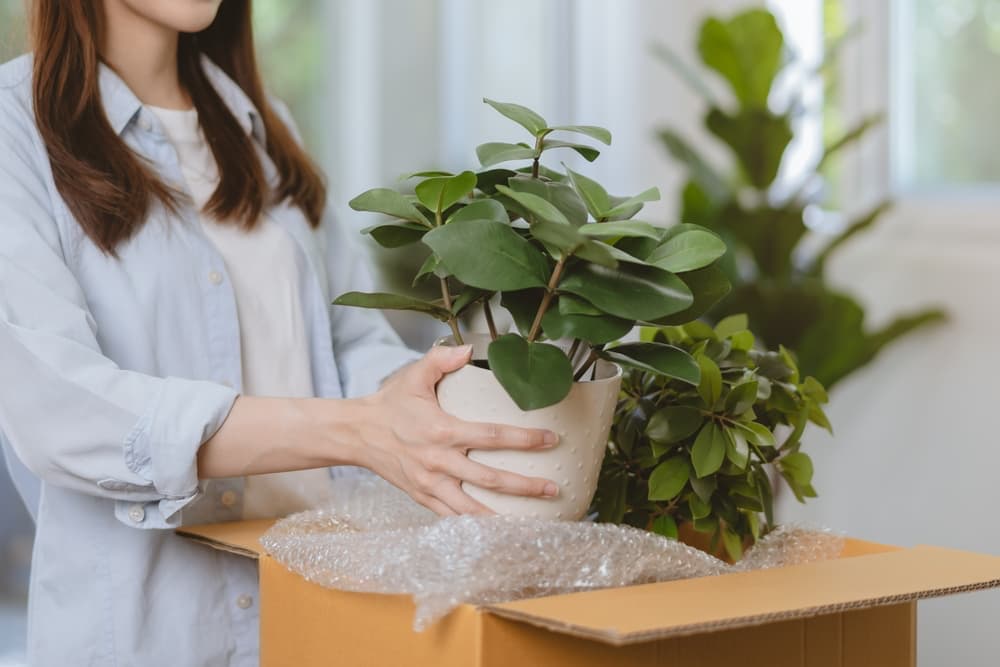
Moving to a new home is exciting, but doing it with a collection of beloved plants without harming them can feel daunting. Unlike furniture or boxes, plants are living things that need special care during a move. With a bit of planning and careful handling, you can safely relocate all kinds of plants—from tiny succulents to large potted trees—and help them thrive in your new space. Read this guide for practical tips for moving with plants so your green friends arrive healthy and ready to brighten your new home.
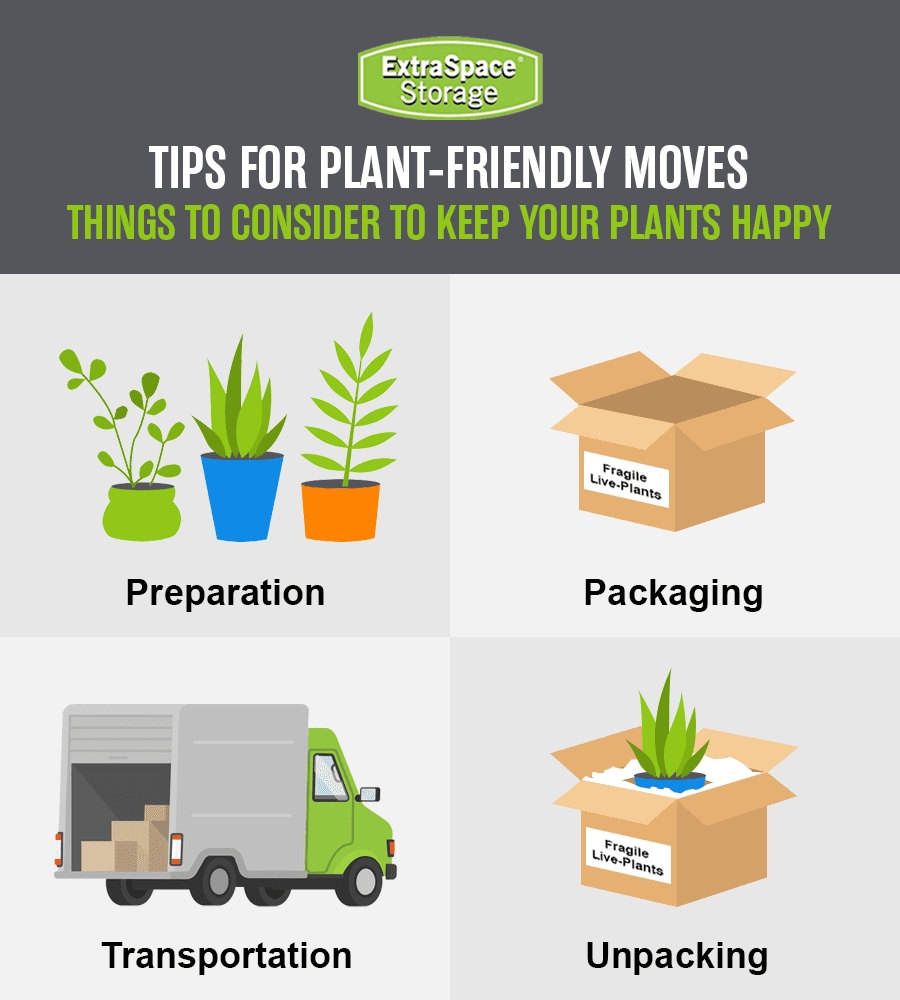
Why Plants Need Special Care When Moving
Plants are sensitive to changes in their environment. Even a small shift in light or temperature can stress a plant, so a long-distance relocation can be a big shock to its system. During a move, plants may face temperature extremes, limited light, lack of water, and plenty of jostling, all of which can lead to wilting or damage if not mitigated. Additionally, different regions have different climates and often have agricultural rules to protect local ecosystems. Certain states (like California, Arizona, or Florida) have strict regulations about bringing plants across state lines to prevent pests or invasive species from spreading. Because of these factors, moving with plants requires some extra attention and preparation compared to other household items.
Most moving companies won’t transport plants, especially on interstate moves, due to the risk and regulations. This means you’ll likely be moving them yourself. It might sound challenging, but don’t worry—with the right approach, your plants can make the journey safely.
Prepare Your Plants for the Move
Proper preparation is key to moving plants successfully. Start getting your plants ready at least a couple of weeks before moving day. Here are important steps to take:
Decide Which Plants to Take: Evaluate your collection and decide which plants you will move. Consider finding new homes for any that are unhealthy or that might not adapt well to your new location’s climate. (For instance, a tropical plant might struggle in a colder, drier environment.) Paring down your collection can lighten your load and help you focus on caring for the plants you truly cherish.
Check for Restrictions: If you’re moving to another state, research any plant quarantine or inspection requirements. Many states require houseplants to be grown in sterile, pest-free potting soil, and some may ban certain species or require an inspection certificate. Check with your new state’s Department of Agriculture or Natural Resources for guidelines. It’s better to know ahead of time than to have a surprise at the state border.
Re-pot into Lightweight Containers: 2-3 weeks before moving, re-pot plants that are in heavy or fragile containers into lighter, unbreakable pots (plastic is ideal) of the same size. This makes them easier and safer to transport. Use fresh, sterile potting soil when re-potting—this not only refreshes the plant’s environment but also meets any state requirements about soil. Re-potting a few weeks early gives the plant time to recover from the switch before the move.
Prune & Inspect Plants: 1-2 weeks before the move, trim back excess foliage on larger or bushy plants. Removing a little growth helps the plant focus on its core strength and makes it more compact for transport. Avoid heavy pruning on ferns or succulents, which don’t respond well to trimming, but do remove any truly dead leaves. As you prune, inspect for bugs or signs of disease. Treat any pest problems now so you won’t carry them with you. A pest-free plant will have a much better chance of thriving in your new home.
Water the Right Way: A few days before moving day, water your plants normally so that the soil is moist but not soaking wet. The goal is to hydrate the roots well without leaving the soil dripping on moving day. If the soil is too wet when you move, it can lead to mold or root rot—and makes pots heavier. If it’s too dry, the plant may suffer during transit. Usually watering 2-3 days before the move works well; in very hot weather you might water 1-2 days prior instead. Adjust according to your climate, but remember: moist, not soggy.
Plan for Heavy or Large Plants: For very large floor plants or heavy planters, make a game plan ahead of time. If a planter is extremely heavy (e.g., ceramic, stone, or large wooden barrels), consider transferring the plant into a more manageable container for the move. You could also remove some soil from the pot to reduce weight. Have a sturdy dolly or hand truck available on moving day, and get a friend to assist when lifting or carrying big plants. If you plan to take a plant from your garden (such as a small tree or shrub), dig it out carefully and wrap the root ball in damp burlap or plastic to keep them moist during transport. It’s worth the extra effort to protect yourself from injury and prevent dropping or damaging a prized plant.
Prepare Cuttings (Optional): If you’re worried a certain plant might not survive the move due to size or fragility, you can take cuttings as a backup or alternative. Snip a healthy piece of the plant (such as a stem cutting), wrap the cut end in a damp paper towel, and place it in an unsealed plastic bag. Stored this way, cuttings can stay alive for several days. Later, you can pot those cuttings in your new home to propagate a new plant. This way, even if you can’t bring the whole mature plant, you won’t lose the genetics or memories attached to it.
Finally, as you get close to moving day, make sure you have the materials you’ll need to pack your plants: boxes, paper or bubble wrap, plastic bags, etc. Having these ready will make the next step much easier.
Packing Your Plants for a Safe Move
When it’s time to pack your plants, the goal is to cushion them from shock and prevent mess. Here’s how to pack plants for moving and keep them safe during transport:
Wrap the Soil: To avoid soil spilling out, cover the top of each pot. You can stretch plastic wrap across the soil surface or place the pot in a plastic bag and tie it loosely around the base of the plant. Another trick is to put a damp paper towel over the soil, then cover with foil or plastic wrap. Securing the soil like this keeps moisture in and dirt contained.
Use Snug Boxes: Choose boxes just big enough to hold your pots upright. For small pots, you can cluster several in one box. Fill any gaps between them with crumpled newspaper or towels so the pots won’t slide around. Leave the box open at the top (or cut the flaps down) if the plants are taller than the box. The box sides will protect the plant, and an open top ensures it gets some air.
Protect the Foliage: Gently wrap large or delicate leaves to shield them from damage. You might use newspaper or an old sheet to loosely wrap around a bushy plant. For trailing plants (or those with long vines), gather up the vines carefully and secure them with soft ties or place them gently into an open plastic bag around the pot. This way, stray stems won’t get snagged or broken in transit. Remember not to wrap too tightly—the idea is to cushion, not compress, the plant.
Label “Fragile—Live Plants”: Clearly label each plant box with words like “Fragile”, “Live Plants”, and “This Side Up.” This will alert anyone helping you (or movers, if involved) to handle those boxes with care. It also reminds you to unpack them promptly. If you close a box, poke a few small holes for ventilation or leave it slightly ajar so your plants can breathe.
Tall Plants in Wardrobe Boxes: If you have an indoor tree or very tall houseplant, consider using a wardrobe moving box. These tall boxes can accommodate a large plant standing upright. You can support the plant by lightly tying the main stem to the wardrobe bar, and add padding at the base so the pot stays in place. Just be sure to label the outside conspicuously—a tall plant in a box looks a lot like a regular wardrobe box, and you want everyone to know it contains a living plant.
If You Need to Ship Plants: If you absolutely must ship a plant to your new location, remove it from its pot and wrap the roots in a damp paper towel and plastic. Cushion the plant well inside a snug box so it can't move, and clearly label the box as containing a live plant. Use the fastest shipping option available (and avoid shipping during extreme heat or cold). Unpack and replant your greenery as soon as it arrives.
With your plants all bundled up and boxed, you’re ready to load them for the journey. Let’s go over some tips on transporting them safely.
Find Affordable Self Storage Near You
Extra Space Storage has over 4,000 locations across the U.S. with friendly customer service, advanced security features, and affordable month-to-month rates.
- Save up to 40% off online
How to Transport Plants on Moving Day
The big day is here—now it’s all about keeping your plants safe while in transit. A few simple precautions will help ensure your leafy passengers arrive in good shape. Remember, plants can be fragile, but with the right care during the drive, they’ll handle the trip just fine.
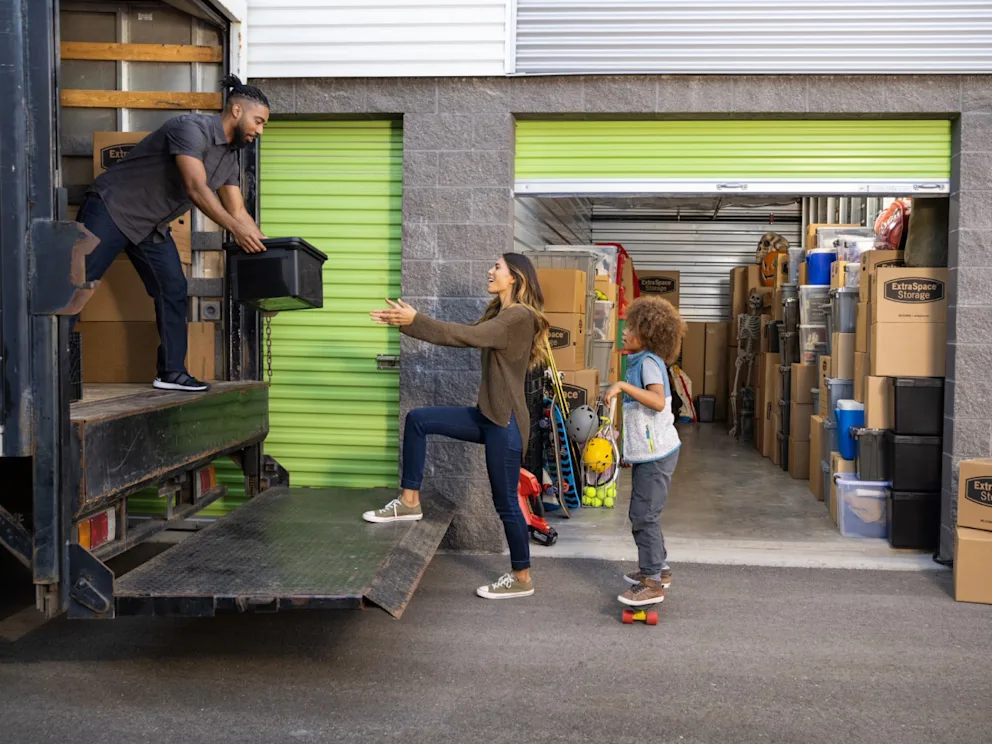
Using teamwork and proper support is essential when moving large potted plants safely.
Keep Plants with You if Possible: Your plants will do best in a car with you, rather than in the back of a moving truck. In your vehicle, you can control the temperature and check on them as needed. If you’re hiring movers for your other belongings, plan to set aside space in your own car for your plants. Having them with you means you can give them gentle handling and a stable environment en route.
Load Plants Last, Unload First: When packing the vehicle, load the plant boxes or pots last. This ensures they sit on top of other items (i.e., nothing heavy goes on them) and you can grab them quickly at the destination. Making plants the first things you unload at the new home helps get them back into a stable environment sooner.
Secure Them in the Car: Prevent tipping or sliding by securing your plant pots in the car. You can wedge boxes between suitcases or other boxes so they won’t move. For a large plant that isn’t boxed, consider putting it in a bucket or open tote and then use a seatbelt to strap it in. The less things shift during a sudden stop or turn, the safer your plants will be.
Maintain Comfortable Temperature: Keep the car interior at a plant-friendly temperature and avoid any extremes. If it’s cold out, keep the car warm; if it’s hot, use the AC. Never leave your plants unattended in a parked car, even briefly, because temperatures can quickly become too extreme for them.
Shield from Direct Sun: Sunlight through car windows can scorch leaves. If sun is beaming directly onto a plant for a long period, provide some shade. You can hang a light cloth or sunshade over the window or gently over the plant to diffuse the light. This helps prevent overheating and sunburn on delicate foliage.
Drive Gently: Sudden starts, stops, and sharp turns can send plants toppling. Drive smoothly and give extra space for braking. Avoid potholes and rough roads where you can. Not only will your plants be safer, but you’ll also have peace of mind knowing they aren’t getting jolted around in the back seat.
Take Breaks on Long Trips: If your move will take more than a day, check on your plants whenever you stop. If any have tipped or look wilted, adjust them and give a small drink of water if needed. During an overnight stop, bring plants inside with you (don’t leave them in a freezing or sweltering vehicle) and crack open their boxes for some fresh air.
Be Mindful of Weather Extremes: Try to avoid exposing plants to the worst of the day’s heat or cold. If you’re moving in summer, plan to drive in the cooler morning or evening hours rather than leaving plants in midday sun. For winter moves, protect plants from freezing winds by wrapping them in paper or a light blanket when moving them to and from the car. A few minutes of extreme heat or cold can damage a plant, so take those little precautions like covering and timing your loading/unloading for milder conditions whenever you can.
With these transportation tips, you’re essentially giving your plants a comfortable ride to their new home. Once you arrive, the focus will shift to helping them settle in and recover from the journey.
Helping Your Plants Settle In After the Move
Now that you’ve arrived, you want to help your plants adjust to the new environment as smoothly as possible. Here’s what to do once you’re in your new home:
Unpack Plants First: Make unpacking your plants a priority. They’ve been in boxes or confined spaces and likely in the dark for the duration of the move. As soon as you can, get each plant out of its box or wrapping. Handle them gently, as they might be a bit fragile after the journey. If a plant is stuck in a box, remember to lift it out from the bottom of the pot rather than pulling on the stems.
Place Them in a Suitable Spot: Set each plant in a safe, low-traffic area of your new home to let it recover. Ideally, choose a spot with a similar light level to its old location, and keep it away from cold drafts or harsh direct sun at first.
Remove Wrappings and Check Soil: Take off any plastic, tape, or ties that you added for the move, especially around the pot. Let the soil and plant breathe. Touch the soil to gauge moisture. If the top inch of soil is dry, give the plant a bit of water. If the soil is still slightly damp, hold off on watering immediately—the plant may not have used much water while in transit, and you don’t want to overwater. Resume watering based on each plant’s needs, checking the soil as you normally would.
Prune Damaged Leaves: Some leaves or small stems might have yellowed or gotten bent during the move. Use clean scissors or pruning shears to snip off any parts that are clearly broken or dead. This tidies the plant and helps it direct energy to healthy growth. Don’t be alarmed if a few more leaves drop in the days after the move—that can be a natural response to stress. Just keep the area clean and give the plant time.
Hold Off on Fertilizer: It’s wise to wait a few weeks before fertilizing your plants after a move. Right now they’re in recovery mode, and feeding them could do more harm than good to their stressed roots. Once you start seeing new growth emerging, that’s your sign that the plant is settling in and you can gradually reintroduce fertilizer as part of its care routine (if that’s something you normally do).
Resume Normal Care Gradually: Give your plants time to adjust before making any big changes to their care routine. For instance, if you want to move a plant into much brighter light than it had before, introduce the change slowly over several days. Monitor each plant’s soil moisture and overall condition, and adjust watering or light gradually as needed. A consistent, patient approach will help ease them into the new environment.
Watch for Pests: Keep an eye out for any pests in the first few weeks after moving. Sometimes the stress of moving or a new environment can make plants more susceptible to bugs, or you might have inadvertently brought along a hitchhiker like a gnat or aphid. If you spot any unwelcome insects, isolate the affected plant and treat the issue promptly with the appropriate method (e.g., an insecticidal soap spray for most common houseplant pests). Catching any infestation early will protect your whole plant family in the new space.
By following these steps, you’ll help your plants get back to their happy routines. They’ll start to perk up as they acclimate, and new growth will be the surest sign that they feel at home again.
***
For more helpful tips on packing and moving, be sure to explore our additional moving resources. And if you need a convenient, secure spot for your belongings or plant supplies during your move, Extra Space Storage has thousands of locations across the U.S. that can help. Find a unit near you!

Moving & Packing How-To Guides
How to Move: Your Complete Guide to an Easy Relocation
Planning a move? This moving guide includes everything you need for planning a smooth relocation, including checklists, packing tips, costs, and more.

How to Move Heavy Furniture
Need to move heavy furniture? From safe lifting to smart tools, here’s how to make moving large items easier.

Guide to Packing A Home Office for Moving
Moving your home office? Discover tips for packing electronics, securing data, furniture disassembly, and more.

How to Move a Refrigerator
Relocating a refrigerator without hired movers? Follow these helpful steps for a safe, proper fridge removal.
How to Move a Mattress by Yourself or With Help
Moving a mattress? Get expert tips for packing, loading, and transporting it to your new home. Plus advice for solo moves, cross-country moves, and more!
How to Pack a Moving Truck
Want to avoid damage while loading a moving truck rental? This is the best way to pack a moving truck.
Author Profile
Quinn Johnson
Quinn Johnson is a moving expert and author for Extra Space Storage. He's moved over 15 times, including internationally, and helped countless others between their own homes. He's happy to lift some boxes for a friend as long as he's paid in pizza. As a writer and content creator for Extra Space Storage since 2019, Quinn shares helpful moving tips and info to alleviate the common stresses of moving.