Moving Guide
How to Move Patio Furniture

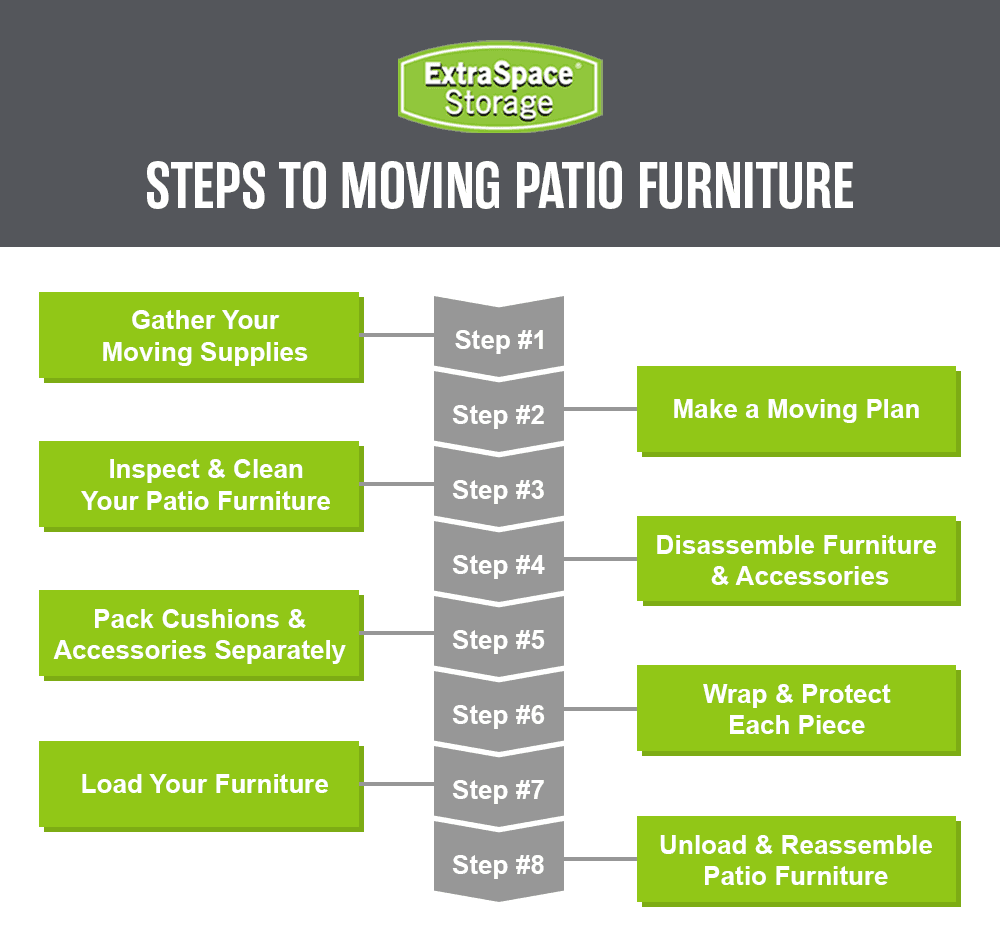
Gather Your Moving Supplies
Whether you're relocating locally or moving across the country, safely moving furniture of any kind starts with gathering the proper packing supplies and moving equipment. Some items you might need to protect and transport your patio furniture include:
Moving Blankets or Furniture Pads: Thick, padded moving blankets and furniture pads can cushion and protect your patio furniture from scratches, dents, and other damage.
Bubble Wrap & Packing Paper: For delicate items like glass or detailed wicker furniture, bubble wrap and packing paper can provide an extra layer of protection.
Plastic Wrap or Furniture Covers: You can get custom outdoor patio furniture covers or make your own with plastic wrap to help keep pieces clean and dry during the move.
Packing Tape: High-quality packing tape is essential for securing wrapping materials.
Sturdy Boxes or Plastic Bags: It's smart to pack cushions, pillows, and smaller accessories in separate moving boxes or small plastic bags so you don't lose them during transit.
Markers: Using a marker to clearly label each box and bag helps you to know where everything goes when it comes time to reassemble.
Screwdriver & Wrench: Having tools on hand is great for disassembling and reassembling tables, chairs, umbrella stands, and more.
Dolly or Hand Truck: Renting or buying a furniture dolly or hand truck can help you safely move large, heavy pieces of patio furniture—reducing strain on your back and making it easier to navigate stairs and ramps.
Furniture Sliders: Sliding patio furniture across the ground with furniture sliders is especially helpful if you're
moving by yourself. They're also great for avoiding scratches and other damage.
Bungee Cords, Zip Ties, or Rope: Keep everything stable during transit by securing pieces inside the vehicle with tie-down cords, zip ties, or rope.
Work Gloves & Appropriate Shoes: Put on work gloves to protect your hands and get a better grip when lifting patio furniture. Wear closed-toe, non-slip shoes to maintain your balance.
Moving Vehicle: Determine how you'll transport the patio furniture. For anything too large to fit in your personal vehicle, consider borrowing a pickup truck from a friend or renting a moving truck or trailer.
Make a Moving Plan
Now that you have your supplies, it's time to make your moving plan. Here are some things to keep in mind:
Measure Furniture & Pathways: Measure the dimensions of your largest patio pieces and compare with doorways, gates, and hallways on the way out of your current home and into your new place. Planning ahead can help you avoid frustrating jams and gives you time to figure out a new route if needed.
Plan the Route: Create a clear path from your patio to your moving vehicle, ensuring there's enough space for your furniture to get through. Remove any obstacles along the way that could present a tripping hazard.
Prepare for Weather: Check the forecast and prepare for extreme weather accordingly. Moisture can damage wood and fabric—even if it's made for the outdoors—so if you know it's going to snow or
rain during your move, use tarps or waterproof covers.
Enlist Help for Difficult Items: Teamwork helps prevent injuries and damage to your items. Ask a friend or neighbor for help with particularly large, heavy, or awkwardly-shaped pieces. If anything still feels unsafe or difficult to move, consider hiring professional movers.
Inspect & Clean Your Patio Furniture
Before you pack or move anything, check for damage and give your furniture a thorough cleaning. Not only does this help you spot any pieces that may need to be handled more carefully, but it ensures you’re not bringing any dirt, mold, or pests along to your new home. These are some helpful tips for cleaning your patio furniture:
Check the Condition of Each Piece: Examine your furniture for any existing damage or weak spots so you can treat these pieces with extra care during the move and prevent further damage.
Wipe Down Surfaces: Wipe down hard surfaces with a damp cloth to remove dirt, pollen, or bird droppings. Use a vacuum or gentle brush to get debris out of textured surfaces like wicker.
Use Appropriate Cleaners: Match cleaning products to the furniture material—wood, metal, plastic, wicker, and glass all require different types of care.
Ensure Everything Is Dry: After cleaning, let each item dry fully. Trapped moisture can lead to mildew or mold.
Disassemble Outdoor Furniture & Remove Accessories
Before moving large furniture, see if any pieces can be disassembled—it's often safer and easier to move patio furniture in chunks. Taking bulky or modular furniture apart can lighten the load, allow you to more easily navigate corners and doorways, and help prevent damage. This is also a great time to remove any small parts or accessories. Consider the following:
Disassemble Pieces When Possible: If your furniture can safely come apart into smaller sections, do it—it's easier to transport smaller, lighter pieces. Disconnect the sections on any modular patio sets. Break down swings, hammocks, umbrellas, or fire pits into smaller pieces.
Remove Fabrics & Cushions: Take off any seat cushions, chair pads, or removable fabrics, then set them aside. Packing these items separately makes furniture lighter and keeps fabrics from getting torn or dirty in transit.
Detach Other Removable Parts: When possible, unscrew table legs, arms, and tops. It's always best to remove and pack glass components separately to avoid breaking.
Keep Hardware Safe: As you remove bolts, screws, and washers, place them in a labeled plastic bag. Tape the bags securely to their corresponding furniture piece, or keep them all in a clearly labeled box—this saves time and stress during reassembly.
Pack Cushions & Outdoor Accessories Separately
Any cushions, fabrics, accessories, or other small decor items from your patio should be packed separately from the big furniture. This keeps them clean and easy to find when setting up your patio at your new home. Here’s what to do:
Use Boxes or Bags for Cushions: Gather all your seat cushions, outdoor pillows, and other fabrics. Pack them into large, sturdy boxes or heavy-duty plastic bags, then seal and label.
Pack Small Accessories in Separate Boxes: If you have lanterns, table decor, outdoor dinnerware, lights, or other small pieces, pack them in a box with padding so they don't shift around. Wrap anything breakable in extra paper or bubble wrap.
Don’t Overload Boxes: Though cushions are lightweight, if you pack too many in one giant box, it can become bulky and hard to carry. Smaller, well-packed boxes are easier to handle and less likely to burst.
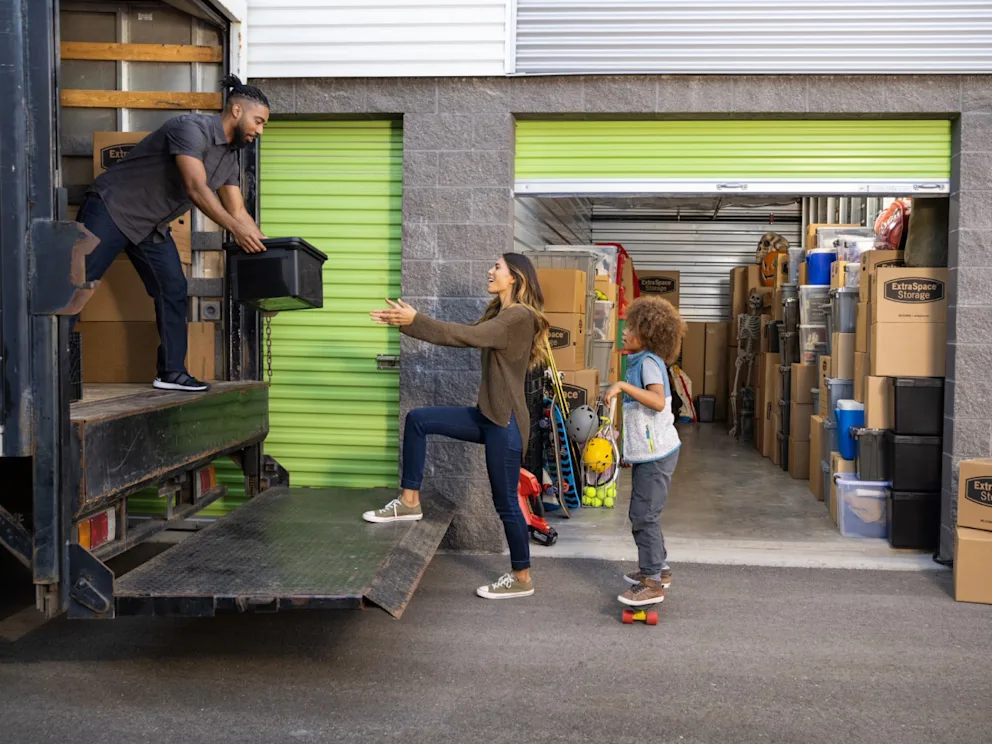
Find Affordable Self Storage Near You
Extra Space Storage has over 4,000 locations across the U.S. with friendly customer service, advanced security features, and affordable month-to-month rates.
- Save up to 40% off online
Wrap & Protect Each Piece
For the larger pieces, proper padding and wrapping will shield your patio furniture from scratches, dents, and breaks during transport. Keep these tips in mind when wrapping furniture for moving:
Cover Large, Heavy Pieces with Moving Blankets: Thick furniture pads or moving blankets are ideal for protecting wooden and metal furniture. Wrap blankets around legs, arms, and tabletops that could easily get scratched, and secure with zip ties or rope.
Wrap Fragile Items Extra Carefully: Fragile materials like glass and wicker need extra padding to stay in good condition—cover them in a layer of bubble wrap, sandwiched by a blanket or moving pad.
Be Mindful of Sharp Edges: Cover sharp corners and edges with extra padding to protect both the item and anything it touches.
Secure Everything with Tape or Ties: Tape can strip off painted or polished finishes, so don't put it directly on your furniture—only tape over protective material. You can also use bungee cords or ropes to secure the padding around each piece.
Use Special Care for Glass: Glass pieces should be given special attention. Once wrapped, transport glass upright on its side—rather than flat—to prevent cracking. Wedge glass between other large, soft items to keep it more secure during transit.
Load Your Patio Furniture
Once all your pieces are properly protected, it's time to pack your moving vehicle. Proper loading techniques can maximize available space and keep your items from shifting and getting damaged during the move. Follow these tips to load your patio furniture efficiently:
Plan How You'll Fit Everything: Evaluate the amount of space you have in your moving vehicle to figure out where items will fit best.
Protect Doorways & Floors: Use blankets to protect sharp corners, door frames, and floors while moving larger items out—especially if you have to go through the house.
Lift & Move Heavy Pieces Safely: Always lift with your legs—not your back—to reduce the risk of injury. If you can't lift something by yourself, get a friend to help you or use a dolly to move heavy items.
Put Heavy, Bulky Items in First: Create a stable base in your moving vehicle by bringing the largest, bulkiest items in first.
Distribute Weight Evenly: Uneven loading can cause items to shift and even make driving more difficult. As you load, keep the weight balanced across the vehicle. Heavier items should stay on the bottom and closer to the center.
Use Soft Items as Buffers: If you have bags of cushions or boxes of light patio decor, use them to fill gaps between furniture and keep items from sliding around—just be sure there are no sharp edges against your soft items.
Tie Down & Secure Items: Once your items are loaded, secure them in place with tie-downs. Loop these through the vehicle's anchor points and around furniture frames. Be sure any items that have wheels are locked or wedged between other pieces to keep them from rolling around during the drive.
Unload & Reassemble Your Patio Furniture
After safely and easily transporting your patio furniture to your new home, you can finally unload and reassemble your pieces to enjoy them again! These are the final steps of the moving process:
Unload with Care: When you're ready to unpack the moving vehicle, start by carefully removing any tie-downs. Begin with the lighter items that were loaded last, and work your way toward the heavier base pieces. Use your hand truck again for anything large, and take your time navigating doorways, gates, or tight corners. Continue to lift with your legs and avoid rushing.
Get Everything in One Place: Instead of assembling furniture in the driveway or garage, carry each item to your patio or backyard first. Roughly positioning larger pieces where you want them to end up helps you avoid moving fully built furniture later.
Unwrap & Reassemble Each Item: Remove any plastic wrap, moving blankets, or padding from each piece. Now’s the time to grab your labeled hardware bags and tools. Start reattaching legs, seats, tabletops, and other components. If any pieces feel unstable after reassembly, double check that all parts are in the right place and securely fastened.
Add Cushions & Decor: Once the furniture is reassembled, unpack your outdoor cushions, fluff them up, and place them back where they belong. Reattach umbrella fabrics or outdoor curtains. Set up any rugs, lighting, planters, and accessories. And enjoy bringing your outdoor space back to life!
***
Gearing up for a move? Extra Space Storage provides helpful moving resources to assist with your transition. Plus, if you need somewhere to store indoor or outdoor furniture during your relocation, we have convenient storage units across the nation. Find affordable storage near you!

Essential Moving & Packing How-Tos

10 Tips for Moving Large Items
Wondering how to move large objects safely? Discover the 10 best tips for moving bulky items in this guide!

Tips for Packing & Moving a Flat-Screen TV
Moving homes and need to pack a flat-screen TV? Follow this guide on how to securely and safely prepare it for your move.
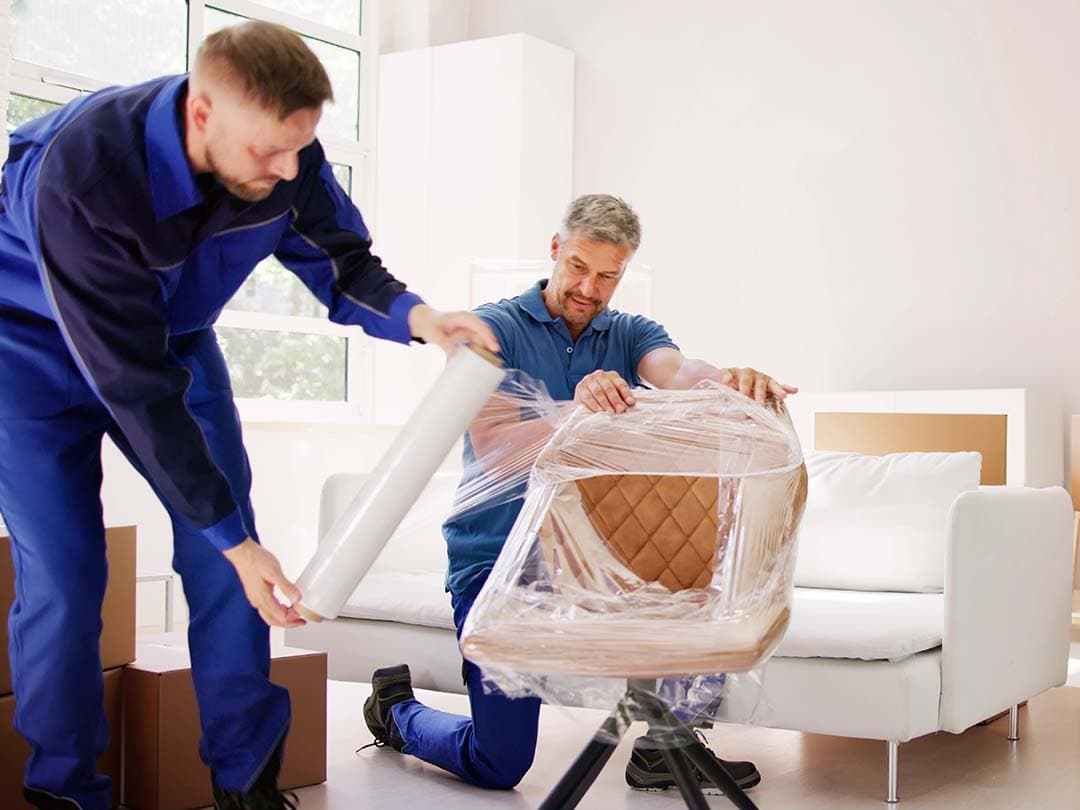
How to Wrap & Pack Furniture to Move
Moving soon and need to protect your furniture? Follow these steps to pack your couch, tables, chairs, bed sets, and other furniture.
How to Move a Treadmill
Heavy, bulky, and expensive if hiring movers—here's how to move or dispose of a treadmill quickly and safely.

7 Steps for Packing Paintings & Artwork for Moving
Whether you’re an artist or collector, it’s important to protect your art from damage and depreciation. Here’s how to pack paintings and artwork for moving!
Author Profile
Quinn Johnson
Quinn Johnson is a moving expert and author for Extra Space Storage. He's moved over 15 times, including internationally, and helped countless others between their own homes. He's happy to lift some boxes for a friend as long as he's paid in pizza. As a writer and content creator for Extra Space Storage since 2019, Quinn shares helpful moving tips and info to alleviate the common stresses of moving.