Moving Guide
Portable Storage Containers for Moving: A Complete Guide
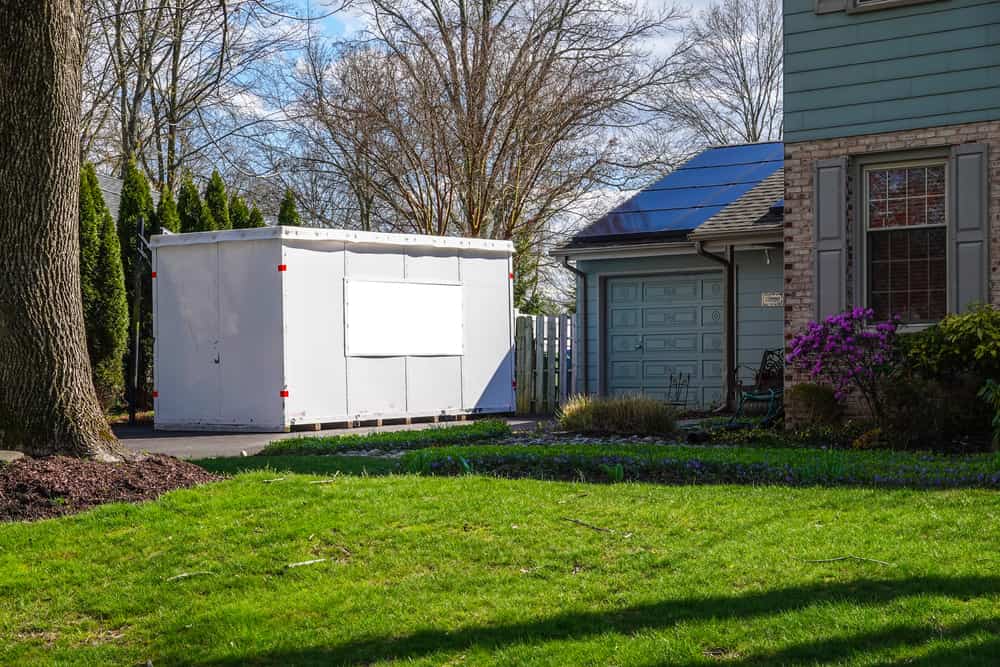
Moving to a new home? Whether you're relocating across town or across the country, choosing the right moving method can make all the difference in your budget and stress level. Portable storage containers for moving are a flexible, stress-free option allows you to pack at your own pace and combine moving and temporary storage into one simple process. Use our guide below to learn how portable moving containers work, how much they cost, and when they're the right choice for your move.
What Are Portable Storage Containers?
Portable storage containers—also called mobile storage containers—are storage units delivered directly to your home for you to load at your own pace. Once your belongings are packed, the storage container company picks up the sealed container and transports it to your new location or a secure storage facility until you're ready to unload.
Portable Storage Container Sizes
Most mobile storage container companies offer a few standard sizes to match different moving needs. While dimensions can vary slightly by the provider, there are a few common options.
Small containers (7 to 12 feet): Can hold the contents of a studio apartment or dorm room.
Medium containers (12 to 16 feet): Accommodates most one to two-bedroom apartments—this is the most popular size.
Large containers (16 to 20 feet): Suited for three to four-bedroom homes.
How Much Do Portable Storage Containers Cost?
The cost of portable moving containers varies based on several factors, but storage container companies typically include delivery, pickup, transportation, and one month of container rental time. Here's the average cost of a portable storage container based on the distance of your move:
Local moves (under 100 miles): $700 to $900
Long-distance moves (100+ miles or across state lines): $2,000 to $7,000
Factors That Affect the Cost of Moving Containers
When thinking about how portable moving containers factor into your moving budget, consider the following factors that may affect your overall costs:
Container Size: Larger containers typically cost 40% to 60% more than smaller units.
Distance: The farther you move, the higher the transportation cost.
Time of Year: Rates typically rise 20% to 30% due to high demand during the peak moving season between May and September.
Storage Duration: Container rentals typically include approximately one month of rent. Additional months can cost $150 to $250 each.
Insurance: Protection for your items during transit can cost $50 to $150, depending on the value of your items.
Hidden Costs to Consider
In addition to the other factors listed, there are a few hidden costs that many forget to calculate in their budgets when renting portable moving containers:
Permits: Some cities or HOAs require permits to place containers on streets or driveways, which can cost between $25 and $150.
Travel Costs: You'll need separate transportation to your new location since you're not driving the container.
Loading Help: If you need assistance, hiring labor can cost $50 to $100 per hour for 2 or 3 workers.
Portable Storage Containers vs. Self Storage Units
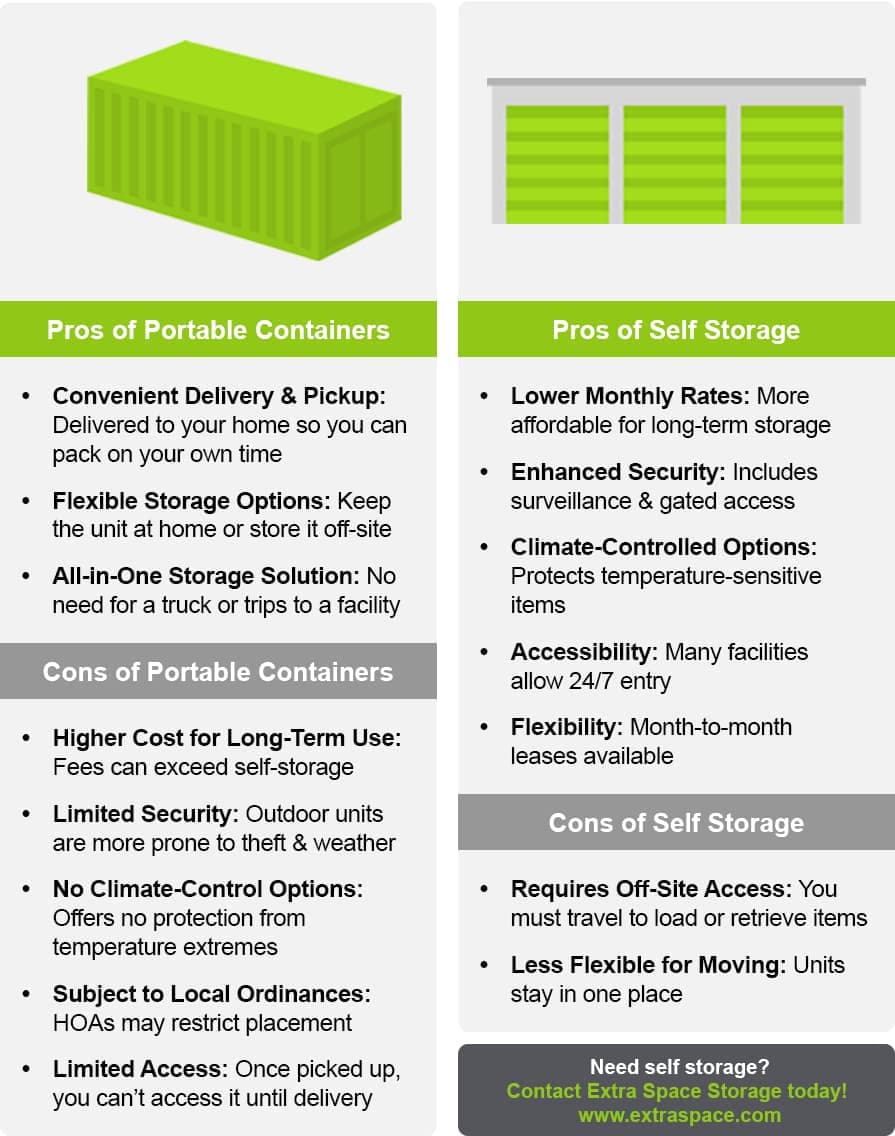
While portable storage containers offer flexibility, traditional self storage units can often be a more affordable and secure storage solution if you need access to your belongings for more than 2-3 months. The best choice depends on how long you plan to store your items, your budget, and whether you need mobility or stability. Here are the pros and cons of portable storage containers compared to self storage units.
Pros of Portable Containers
Convenient Delivery & Pickup: Containers are dropped off at your home so you can pack at your convenience, making them perfect for moves.
Flexible Storage Options: You can keep the unit on-site or have it stored off-site until you need it again.
All-in-One Storage Solution: You won't need to rent a moving truck or make a trip to a storage facility.
Cons of Portable Containers
Higher Cost for Long-Term Use: Rental fees and delivery charges can add up, making them pricier than self storage units ($150 to $400 vs. $80 to $250 monthly).
Limited Security: Containers stored outdoors may be more vulnerable to theft and weather-related damage than items in a secure self storage facility.
No Climate-Control Options: Moving containers cannot provide the same protections against extreme temperatures shifts that self storage units can.
Subject to Local Ordinances: HOAs may have restrictions on storing containers in your driveway or on the street.
Limited Access: Once your container is picked up, you won't be able to access it again until it reaches the new location.
Pros of Self Storage Units
Lower Monthly Rates: Self storage is generally more affordable for long-term storage needs.
Enhanced Security: Most storage facilities include video surveillance and gated access, in addition to other storage security features.
Climate-Controlled Options: Self storage with climate control can help protect items that are sensitive to heat and humidity.
Accessibility: Many storage facilities offer 24-hour access to stored items.
Flexibility: Storage facilities typically offer month-to-month leases.
Cons of Self Storage Units
Requires Off-Site Access: Trips to and from the facility are needed to load or retrieve items.
Less Flexible for Moving: Unlike portable containers, units can't be relocated once rented.
When to Use Portable Storage Containers
Portable storage containers can be a smart solution when you need both transportation and temporary storage during a move. Because they're delivered directly to your home, they're especially convenient for flexible timelines or long-distance relocations. Here are some common situations where portable moving containers make sense:
Long-Distance Moves: If you're relocating across the state or country, containers eliminate the challenge of driving a truck across states.
Flexible Move Dates: When your new home isn't ready yet, most providers can store your container at a facility until delivery.
Downsizing Moves: Portable containers allow you to load and store items gradually as you decide what to
No Vehicle for Moving: If you don't have access to or don't want to drive a moving truck, portable containers are a great alternative.
Portable storage containers are best for short-term transitions, especially when convenience and flexibility are top priorities. For long-term or climate-sensitive storage, a traditional self storage unit may be the more secure and affordable option.
How to Pack a Portable Storage Container
Packing your portable storage container efficiently can help protect your belongings and make the most of the space inside it. Follow these tips to load your container safely and securely.
Before Loading
Measure & Plan: Know the container dimensions and plan how furniture will fit.
Declutter First: Donate or sell items you don't need—less to move means lower moving costs.
Gather Supplies: Stock up on moving supplies like boxes, bubble wrap, moving blankets, tie-down straps, and packing tape.
Disassemble Furniture: Take apart bed frames, shelving, and tables to save space. Be sure to wrap and pack furniture as needed.
Create an Inventory: List what you're packing for personal organization and insurance purposes.
Loading Tips
Load Heavy Items First: Place furniture and heavy boxes along the walls for stability.
Distribute Weight evenly: Balance weight on both sides to prevent shifting.
Stack to the Ceiling: Fill vertical space with lighter items on top of heavier ones.
Secure Everything: Use tie-down straps to prevent movement during transport.
Protect Fragile Items: Wrap breakables and mark boxes clearly. Store these on top.
Fill Gaps: Use soft items to fill empty spaces and prevent shifting.
What Not to Pack
Hazardous Materials: Items that cannot be stored in a portable container include propane, gasoline, paint, chemicals, and batteries.
Perishables: Food, plants, and anything that can be spoiled should be moved separately.
Irreplaceable Items: Important documents, jewelry, and valuables should travel with you.
Temperature-Sensitive Items: Medications, photographs, electronics, and musical instruments may be damaged without climate control.
Find Affordable Self Storage Near You
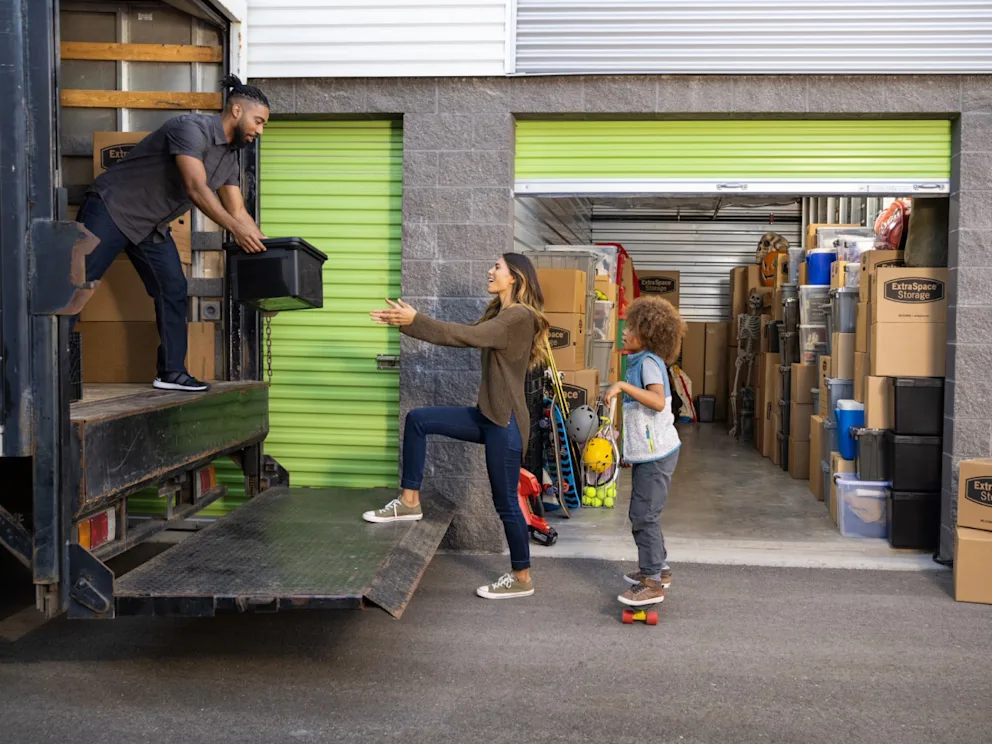
Extra Space Storage has over 4,000 locations across the U.S. with friendly customer service, advanced security features, and affordable month-to-month rates.
- Save up to 40% off online
Combining Portable Containers with Self Storage
For many moves, combining a portable storage container with a traditional self storage unit offers the best mix of convenience, flexibility, and savings. Switching from a container to self storage unit after your move could save you between $210 to $450 over three months, or $420 to $900 over six months. Here's where a hybrid approach may make the most sense:
Long-Term Storage Access: Use a container for transport, then transfer your belongings into a self storage unit if you need access for longer than 2-3 months.
Downsizing Moves: Move essentials with the container and store seasonal or extra items in a storage facility.
Temporary Housing Needs: If your move-in and move-out dates don't align and you need temporary housing, use self storage for short-term storage.
Portable Containers vs. Other Moving Options
Portable moving containers aren't the only way to relocate your belongings, but they can be one of the most convenient. Here's how they compare to other common moving methods so you can choose the best fit for your moving timeline, budget, and comfort.
Containers vs. Truck Rentals
Both portable containers and rented moving trucks allow you to take a DIY approach to moving, but each has its advantages.
Choose portable containers if:
You're moving long-distance (500+ miles)
You want to avoid driving a large truck
You need flexible packing time
You prefer someone else handle transportation
Choose truck rentals if:
You're moving locally (under 50 miles)
You have a tight budget
You need immediate transportation
You're comfortable driving large vehicles
Containers vs. Full-Service Movers
When you hire professional movers, they can help handle your move—from packing and loading to transport and unloading—but at a higher cost.
Choose portable containers if:
You're on a budget—containers typically cost 50% to 70% less
You prefer to pack your own items
You have flexible moving dates
Choose full-service movers if:
You have limited time or physical ability
You're moving valuable or delicate items
Budget is less important than convenience
Tips for Using Portable Storage Containers
A few simple steps can make your portable moving container experience smoother, safer, and more efficient. Follow these best practices to save time and reduce stress on moving day.
Plan Ahead: Book your container two to four weeks in advance, especially during peak moving season.
Check Access: Confirm your delivery location can accommodate the container and delivery truck—and that you don't need HOA permission or permits to keep a storage container at your home.
Document Everything: Take photos of belongings before packing and the container's condition upon delivery in case you need to file an insurance claim for damages.
Get Insurance: Consider coverage for valuable items during transport.
Keep Weather in Mind: Check the weather to help you choose a dry week for loading to avoid moisture damage.
Lock Securely: Use a heavy-duty disc lock to secure your container.
Keep Essentials Separate: Don't pack items you'll need immediately in the container.
What to Consider When Choosing a Container Company
Not all portable storage container companies offer the same services, so it's worth comparing your options before booking. The right provider should fit your moving timeline, budget, and storage needs. Here are other considerations you should keep in mind when comparing rentable container companies:
Service Area: Verify the company services both your current location and destination—especially if you're moving long-distance.
Container Sizes: Most companies offer multiple sizes, so ensure they offer the size you need.
Included Rental Time: Ask what's included in your quote—delivery, pickup, transportation, and one month's rental are typically included, but some companies charge extra for extended storage.
Transportation Timeline: Select a company that can securely store your container until you're ready for delivery, and find out how long it takes to transport the container to make sure it works with your timeline.
Storage Facilities: Confirm they have secure facilities if you need temporary storage.
Insurance Options: Understand what's covered if items are damaged during transport and consider additional protection for valuable belongings.
Questions to Ask Your Container Provider
Before you sign a contract, make sure you understand exactly what's included in your portable container rental. Here are some helpful questions to ask each company during your research:
What's included in the quoted price?
Are there additional fees for delivery, pickup, or extended rental?
What are the exact container dimensions?
Do you offer climate-controlled storage for the containers?
What items are prohibited?
Can I change my delivery or pickup date if my plans shift?
Is insurance included, or do I need to purchase additional coverage?
Getting the Best Price
Portable storage containers can be a cost-effective moving solution—if you plan strategically. Here are a few ways to lower your costs and get the best overall value:
Compare Quotes: Contact at least three companies to compare base rates, delivery fees, and rental terms.
Book During Off-Peak Seasons: Moving between October and March typically costs less than summer months, when demand is highest.
Be Flexible with Timing: Moving mid-week or mid-month often provides better pricing than weekends or the end of the month.
Ask About Discounts: Military, senior, and student discounts are frequently available.
Bundle Storage & Moving: Some companies offer lower rates if you use their storage facility for long-term needs after transport.
Need storage for your move? Extra Space Storage offers secure self storage solutions like climate control, 24/7 access, and flexible month-to-month rental terms at facilities across the country. Find a storage unit near you!
Related Cross-Country Moving Guides

How Much Does it Cost to Move Across the Country?
Wondering what it costs to move across the country? Here are estimated long-distance moving costs and factors that affect the total price you pay.

19 Packing Tips for Cross-Country Moving
Trying to find the best ways to move long distances? A cross-country move can take a lot of planning. Check out these packing tips for moving out of state!

Moving on a Budget: Affordable Ways to Move Across the Country
Explore affordable ways to move to another state, with moving budget factors, storage options, and more in this cross-country moving guide.
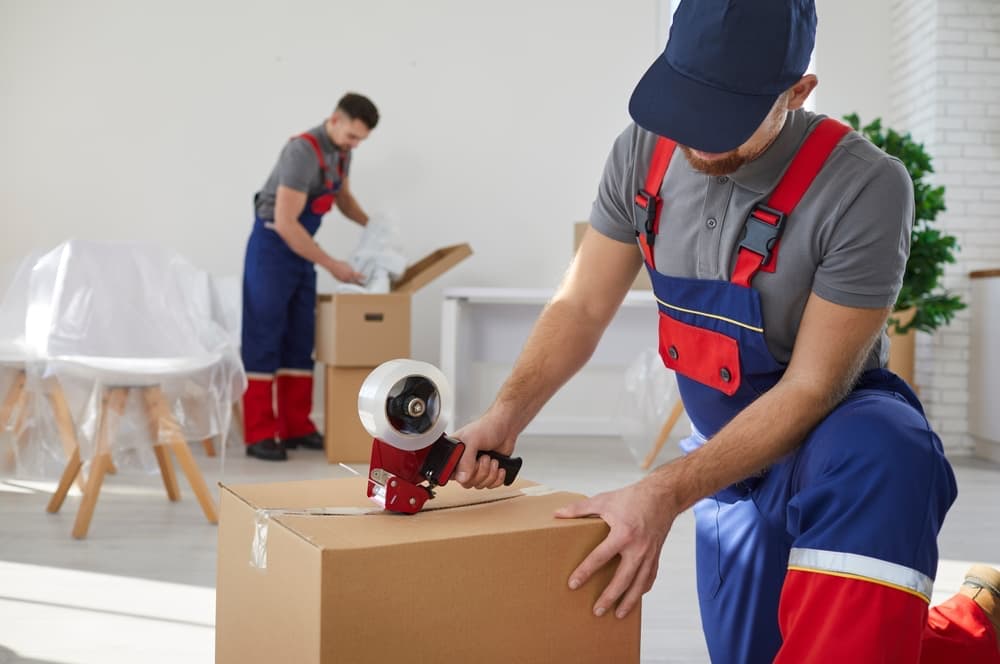
Cheapest Ways to Ship Boxes Across the Country
Need to ship moving boxes across the country? Explore the most affordable ways to ship boxes in this guide!
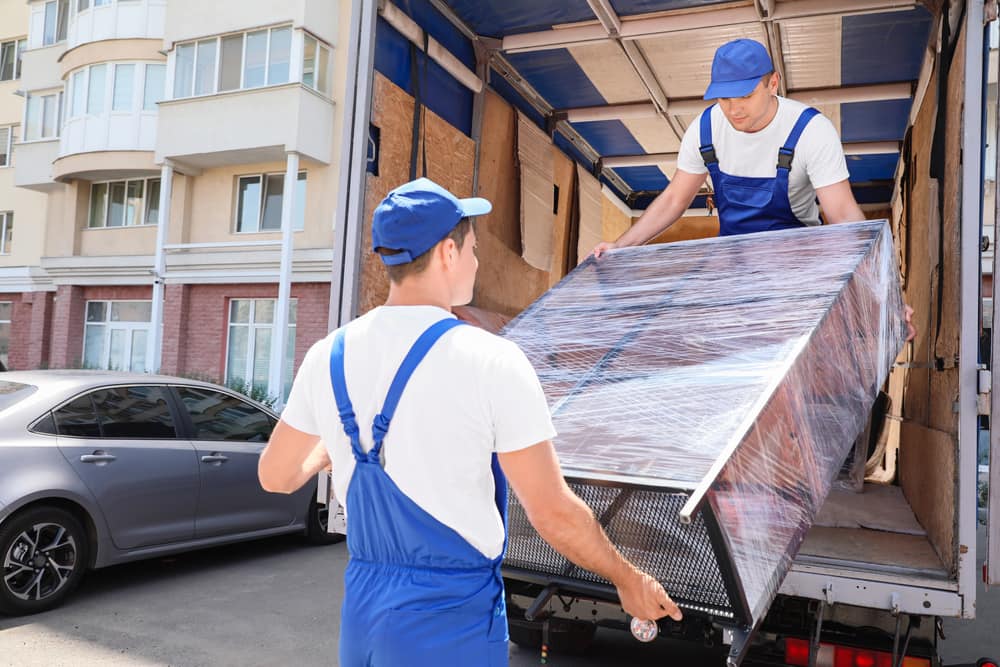
Guide to Shipping Furniture Out of State
Moving to a new state? If you're thinking of shipping your furniture, check out this guide to learn how to prep your belongings for transit!
Author Profile
Quinn Johnson
Quinn Johnson is a moving expert and author for Extra Space Storage. He's moved over 15 times, including internationally, and helped countless others between their own homes. He's happy to lift some boxes for a friend as long as he's paid in pizza. As a writer and content creator for Extra Space Storage since 2019, Quinn shares helpful moving tips and info to alleviate the common stresses of moving.