Moving Guide
Eco-Friendly Moving Supplies for a Sustainable Move

Moving day doesn't have to leave a mountain of cardboard, plastic stretch wrap, and styrofoam in its wake. Whether you're moving a short distance or tackling a cross-country move, there are a growing range of planet-friendly packaging options available to safeguard your belongings and reduce your environmental impact.
Why Use Eco-Friendly Moving Supplies?
If you strive to live a sustainable lifestyle, moving can generate a lot of waste. Fossil fuel-based options like styrofoam and bubble wrap generate higher emissions that add to pollution, while recycled, reusable, or compostable moving materials can help conserve resources and drastically cut waste. This eco-conscious approach to packing can help ease some of the stress during a process with so many moving parts.
Types of Sustainable Moving Supplies
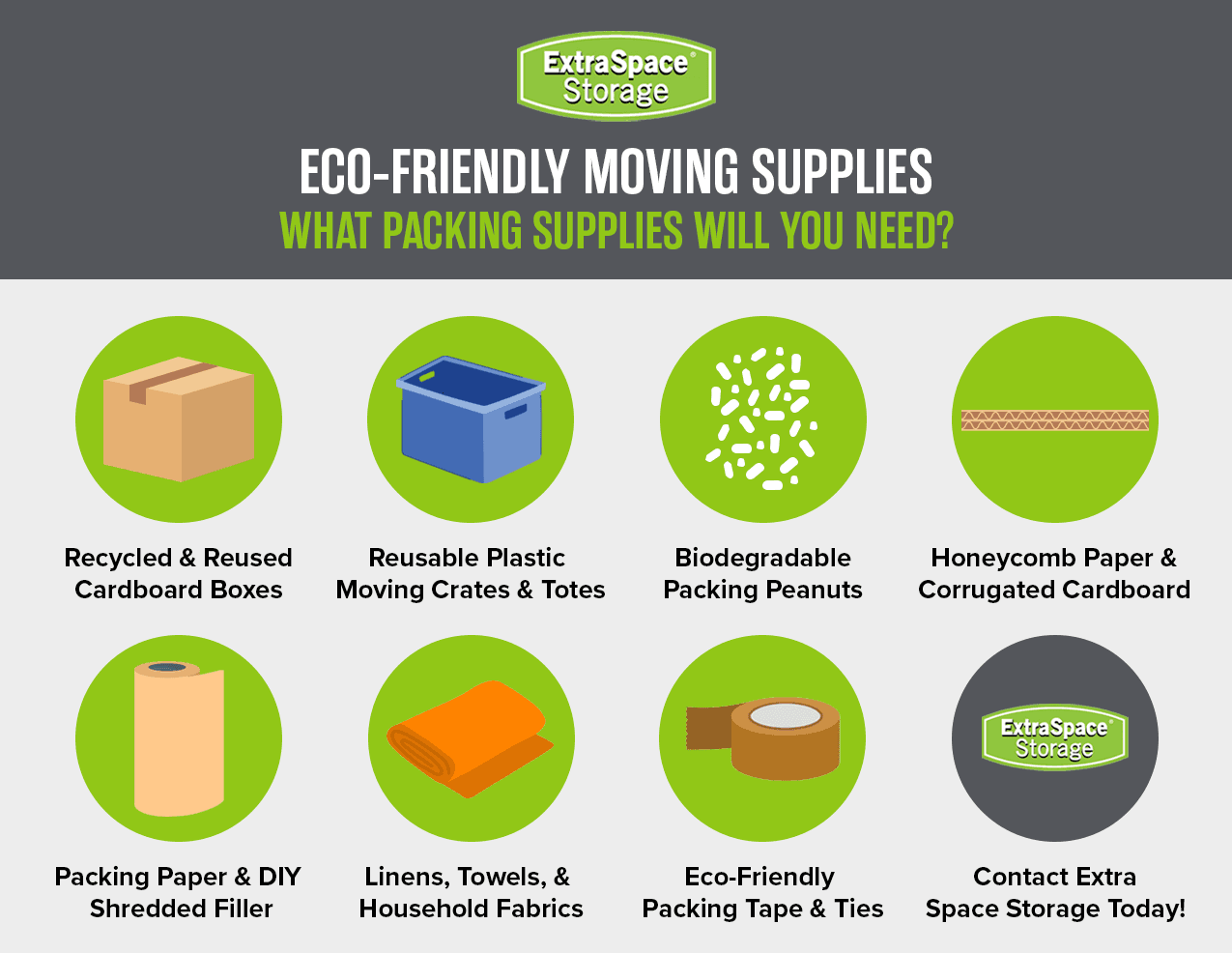
Whether you want recycled moving boxes, eco-friendly cushioning, or alternatives for packing peanuts, using eco-friendly moving supplies can help you pack with purpose—and don't forget to be resourceful with everyday items you already have that could be utilized during a move! Here are some of the best moving supplies for keeping your belongings safe while being kind to the planet.
Recycled & Reused Cardboard Boxes
Choosing used or recycled moving boxes is one great option for sustainable moving. Seek out eco-friendly moving boxes made with post-consumer content, meaning they contain around 65% to 100% recycled fibers. You can also look for FSC-certified packing options to ensure the wood pulp comes from responsibly managed forests. Another great way to conserve resources while also saving money is to source secondhand boxes from local retailers, friends and family, or online marketplaces like Facebook Marketplace, Buy Nothing groups, and Freecycle. When you're finished unpacking, you can drop the cardboard moving boxes at a local recycling center.
Reusable Plastic Moving Crates & Totes
Using milk crates or nestable plastic totes with snap-tight lids eliminates the need for packing tape or a waste pile. After you're settled, you can save the plastic totes for your next move or use them to store holiday items or outdoor recreation equipment. If you don't need a ton of extra plastic containers, some eco-friendly moving companies will rent them out to you in bulk—when you're finished unpacking, you can simply return them.
Biodegradable Packing Peanuts
Traditional polystyrene packing peanuts are not recyclable, so they're not the best choice for a low or zero waste move. Compostable packing peanuts made from corn starch or wheat by-products are an excellent alternative. Eco-friendly packing peanuts can be composted, melted under running water, or scattered in garden soil for disposal. They're also nontoxic, offering peace of mind if curious pets or children nibble one by accident.
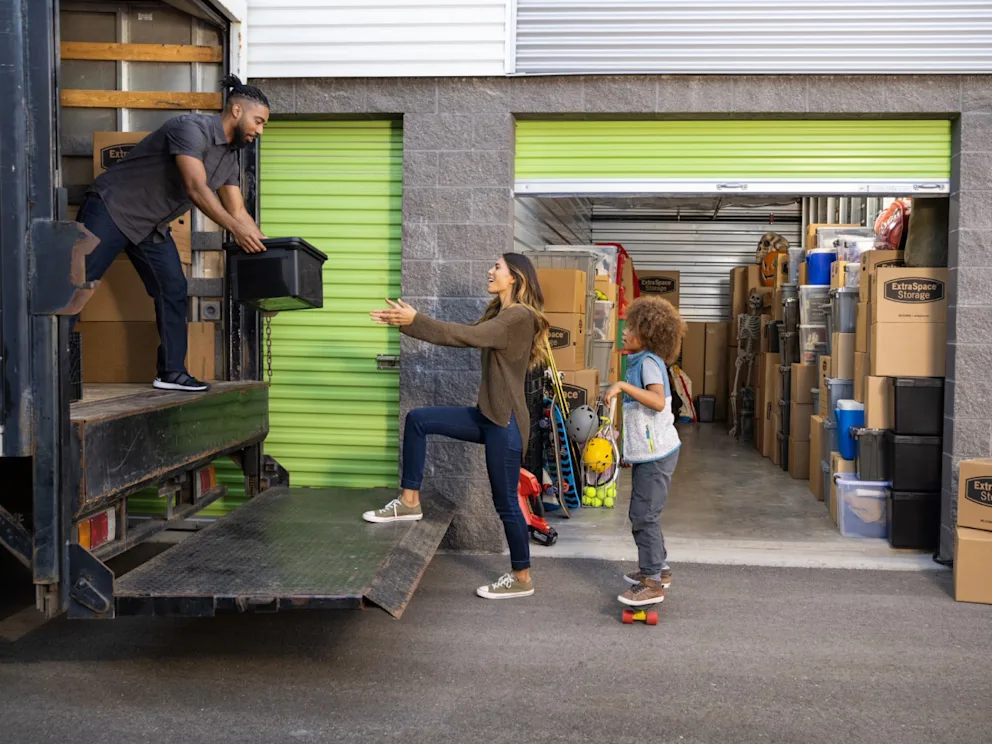
Find Affordable Self Storage Near You
Extra Space Storage has over 4,000 locations across the U.S. with friendly customer service, advanced security features, and affordable month-to-month rates.
- Save up to 40% off online
Honeycomb Paper & Corrugated Cardboard
Honeycomb paper is an innovative bubble wrap alternative—paper is cut into expandable hexagons that form air pockets, providing cushioning for items. After it's used, it can be composted or recycled with mixed paper. Other great bubble wrap alternatives include corrugated cardboard sheets, molded pulp corner guards, packing paper, or a compostable bioplastic bubble roll for more delicate items like electronics. For a smart hack for a green move, you can also reuse air pillows or bubble wrap from packaged deliveries for your move.
Packing Paper & DIY Shredded Filler
Unprinted newspaper and packing paper are great for wrapping dishes, fine china, wine glasses, and keepsakes. You can also shred junk mail, outdated files, or kids’ old homework to create fluffy box filler. Use crumpled paper on box bottoms and tops as layers for shock absorption, and use flat sheets between stacked items to prevent scuffs. After the move, everything can slide straight into the recycling bin.
Linens, Towels & Household Fabrics
Moving on a budget? Making your existing belongings do double duty is one of the best eco-friendly moving tips that also saves money! Instead of simply packing away towels, t-shirts, sweaters, and blankets, use them in place of plastic moving supplies to pad fragile goods en route. Consider using T-shirts between crockery and ceramics, quilts over mirrors and TVs, or bath mats to line appliance fronts. After unpacking, you can simply launder, fold, and put away the fabrics.
Eco-Friendly Packing Tape & Ties
For a more eco-conscious move, consider various sustainable tape options. Water-activated paper tape, made from kraft paper and plant-based starch, forms a tamper-evident seal and is recyclable with the box, though it requires a dispenser or damp sponge for application. Bamboo tape and some other biodegradable packing tapes offer a transparent look similar to clear plastic tape, tear easily by hand, and are compostable. Another excellent choice is natural-rubber adhesive paper tape, which combines paper with a sap-based glue for a strong hold and fewer chemicals, working just like standard pressure-sensitive tape. For short-distance moves, you can also forego tape entirely by using reusable straps, twine, or old belts.
***
Looking for an eco-conscious storage company that shares your passion for sustainable solutions? Extra Space Storage is a sustainable leader within the self storage industry. Find a facility near you today!

Related Moving Resources
How to Choose the Right Moving Company
Whether you're on a budget, moving cross-country, or need full-service assistance, here's how to choose the right moving company for your relocation needs.

How Much Does it Cost to Move?
Learn the cost of moving, from hiring professional movers to cross-country moving costs and more, with our complete guide to moving costs.

Pros & Cons of Hiring a Moving Company
Preparing to move and considering hiring movers? Explore the pros and cons in this guide to determine whether you should hire movers or DIY your move.
Important Questions to Ask a Moving Company Before Hiring
Wondering what questions to ask moving companies? Review these helpful moving questions to avoid delays or damaged belongings for a smooth move.

How to Protect Your Furniture When Moving
Whether you're moving across the country or relocating to a nearby area, our tips to protecting your furniture can help you doing your move!
Author Profile
Quinn Johnson
Quinn Johnson is a moving expert and author for Extra Space Storage. He's moved over 15 times, including internationally, and helped countless others between their own homes. He's happy to lift some boxes for a friend as long as he's paid in pizza. As a writer and content creator for Extra Space Storage since 2019, Quinn shares helpful moving tips and info to alleviate the common stresses of moving.