Moving Guide
Guide to Small Moves
Small moves generally involve less labor and fewer items, but still require careful planning to ensure a smooth relocation. Whether you're downsizing or have just a few belongings to transfer, read our guide for planning a small move!
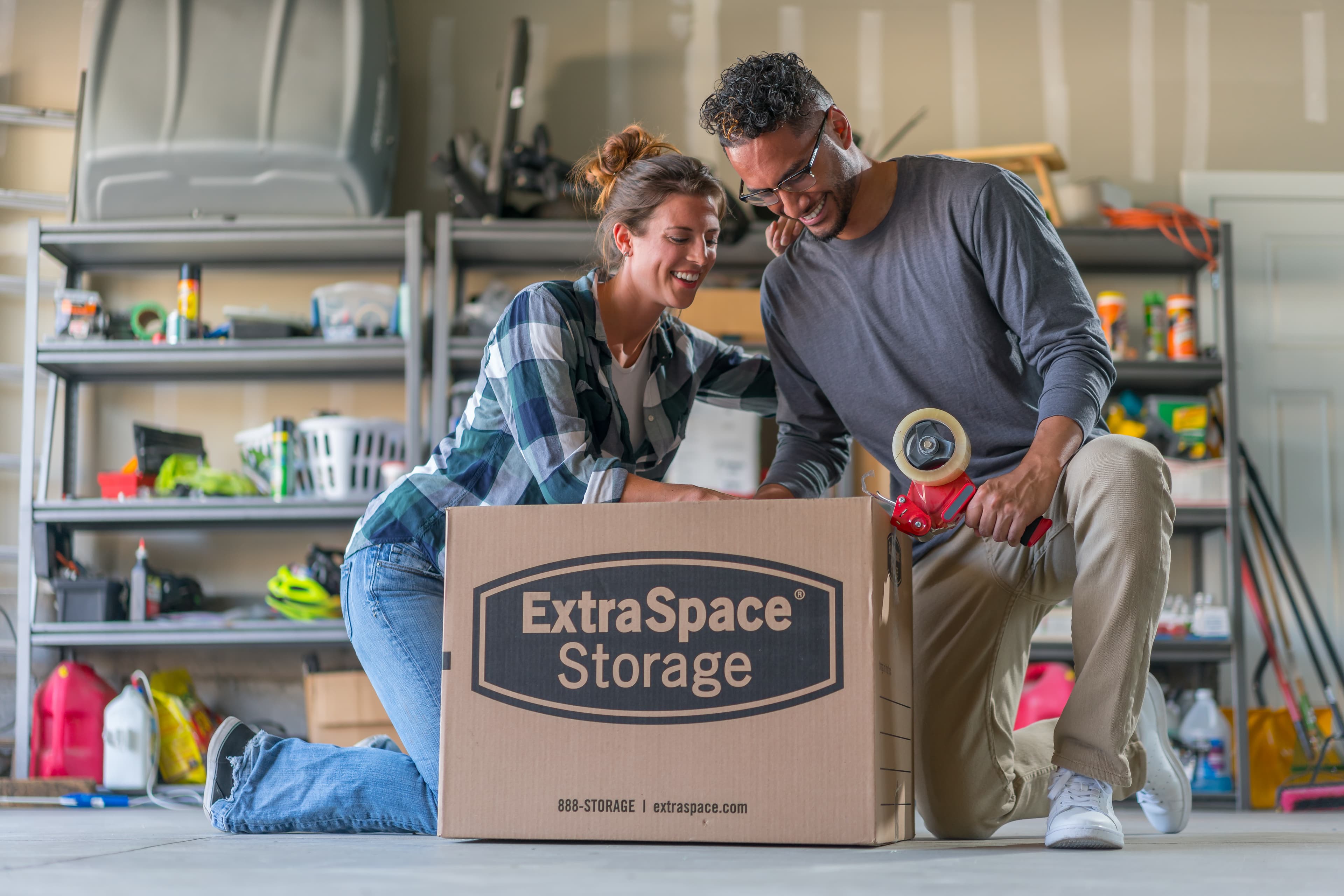
Not every move involves packing up an entire house into a giant moving truck. Sometimes small moves—like relocating the contents of a dorm room or a studio apartment—are on your horizon. These smaller-scale moves can be just as exciting as a big cross-country relocation. Whether you're a college student moving into a dorm, young professional moving into your first apartment, or senior downsizing into a cozier home, a small move comes with its own set of challenges and advantages. This guide will walk you through everything you need to know about small moves.
What Is a Small Move?
A small move generally refers to moving a relatively small amount of items compared to a full household relocation. There's no strict definition, but many moving companies consider any move under about 2,000 pounds to be "small." If your belongings are just a few rooms’ worth of items or can fit in a small moving truck, you're likely dealing with a small move.
Common Examples of Small Moves
College Dorm Move: Moving into or out of a dorm room typically involves just personal items, clothes, and maybe a few small pieces of furniture. Dorm moves are a classic small move scenario.
Studio or One-Bedroom Apartment: Relocating from a studio or a one-bedroom place means you have fewer rooms of furniture to move. Often, these moves can be done with a single small rental truck or even in a couple of carloads.
Downsizing for Retirement: When an older adult moves from a long-time family home into a smaller house or assisted living, they often take only essential and sentimental items. This downsizing process results in a smaller load to move.
Few Specific Items: Sometimes only a single item or handful of large items need moving. For example, transporting a couch and some boxes to a new place, or sending family heirlooms to relatives in another state.
Temporary or Partial Relocations: If you're moving belongings into a storage unit during a home renovation, or moving for a short-term job assignment, those also count as small moves.
Benefits of Small Moves
Moving on a smaller scale comes with some big benefits. Here are a few advantages to being a small mover.
Lower Stress: Fewer belongings mean fewer things to worry about. Small moves usually take less time to pack and unpack, which can reduce the overall stress of moving. You can often organize everything more easily and keep track of your items without feeling overwhelmed.
Cost Savings: A small move can be easier on your wallet. With fewer boxes and furniture pieces, you might spend less on packing supplies, labor, and transportation. For
local moves, you might not even need to hire movers or rent a large truck—a couple of car trips or a small van might do the trick, saving you money.
Flexibility: Small moves give you more flexibility in how you relocate. You can choose a DIY moving approach because the load is manageable, or schedule a move on shorter notice. It’s often easier to find a convenient moving date or make multiple quick trips if you're moving nearby.
Opportunities to Declutter: When you have to move only your most important items, it’s a perfect chance to simplify. Small moves encourage you to sort through your possessions and let go of clutter. By the time you settle in your new place, you'll be surrounded only by possessions you really need or love.
Easier Setup: Settling into your new space can be quicker and more straightforward. With fewer boxes to unpack, you can make your new apartment or dorm room feel like home faster. You won’t be drowning in boxes for days or weeks after moving—everything finds its place sooner.
Planning Tips for Small Moves
Every successful move starts with a solid plan. Just because a move is small doesn’t mean you should wing it. Here are some planning tips to ensure your small move goes smoothly.
Start Early & Make a Checklist: Begin planning as soon as you know a move is on the horizon. List out all the tasks—from buying packing supplies to notifying your utility companies and updating your address. A simple moving checklist will keep you organized and prevent any last-minute scrambles, even if you’re only moving a small load.
Take Inventory & Declutter: Go through your belongings and decide what you really need to take with you. One perk of small moves is the opportunity to declutter your home. Sell, donate, or recycle items you no longer use. The fewer items you have to move, the easier moving day will be.
Consider Recruiting Help: Just because it’s a small move doesn’t mean you have to move by yourself. If you have a couple of pieces of heavy furniture or lots of boxes, ask a friend or family member for help. Having an extra set of hands can keep the day positive and safe. Plus, moving is more fun with a buddy. If friends aren’t available and you need muscle for an hour or two, consider hiring a local moving company for just the loading or unloading.
Stay Organized & Optimistic: Keep important documents in one folder so nothing gets lost. Maintaining a positive mindset will help you navigate any hiccups. Remind yourself that you have a manageable move and you’re fully capable of handling it!
DIY vs. Professional Small Moves
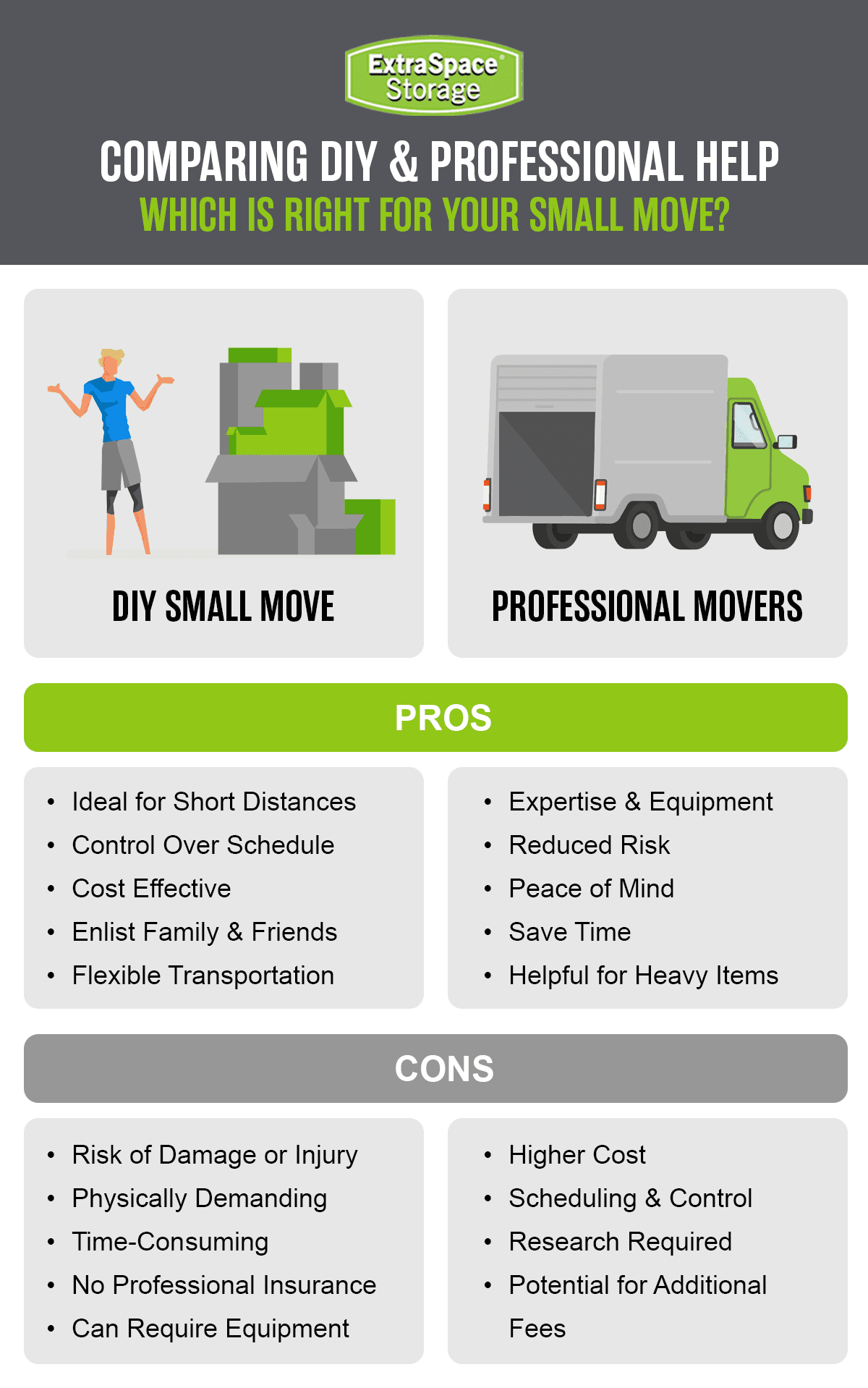
When planning a small move, one big question is whether to do it all yourself or hire professionals. Both approaches can work great for small moves—it just depends on your situation and comfort level. Here’s some guidance to help you choose.
DIY Small Move: A do-it-yourself approach is ideal for many small moves, especially if you’re moving only a
short distance or have small set of items. Driving your belongings in your own car or a rented van gives you full control over the schedule and handling of items. DIY moves can save you money on labor costs, and they often work well if you have friends or family to lend a hand. If you're physically able and prepared to do the heavy lifting, a DIY small move can be an empowering project. Just be sure to plan for any moving equipment you might need, such as dollies or furniture pads, and take safety precautions when moving by yourself.
Hiring Professional Help: Even for a small move, you might choose to hire movers—and that’s perfectly okay. Professional movers come with expertise, tools, and insurance that can take a lot of weight off your shoulders. Hiring pros is a smart choice if you have very heavy or delicate items, if you're moving long-distance, or if you simply don’t have the time or ability to do it yourself. Many moving companies offer special small move or “small load” services, where they handle shipments that don’t fill an entire truck. This can be cost-effective and convenient, as your items may share space on a truck with other small shipments going the same direction. When choosing movers for a small job, look for companies with good reviews and ask about minimum charges or small-load pricing so you know what to expect.
Packing Strategies for Small Moves
Packing for a small move might sound simple, but smart strategies will make the process even easier and keep your belongings safe. Here are some packing tips tailored for small moves.
Choose the Right Box Sizes: It might be tempting to toss everything into a couple of big boxes since you have fewer items. But using smaller, sturdy boxes or containers can actually make carrying and loading easier. Small boxes are less likely to get too heavy to lift, which protects both you and your belongings.
Use What You Already Have: One perk of a small move is you often have enough personal containers to pack your items. Suitcases, backpacks, laundry baskets, and reusable shopping totes can all be filled with items—saving you money on boxes.
Keep Items Organized by Category: With a limited number of boxes, you can organize in a way that makes unpacking a breeze. Pack similar items together. Clearly label each box or container with its contents and the room it’s going to. Even if there are only a handful of boxes, clear labels prevent any confusion when you’re looking for something specific later.
Protect Fragile Items: In a small move, you might handle all your boxes yourself, but that doesn’t mean you should skimp on padding. Wrap fragile items like dishes, glasses, or electronics in bubble wrap, towels, or even your t-shirts. Fill any empty space in boxes with socks or packing paper so things don't shift around.
Keep Essentials Separate: Pack a separate “essentials” box or bag with the items you’ll need right away at your new place. This might include toiletries, a change of clothes, basic kitchen items, important documents, chargers, and snacks. Keep this essentials kit with you during the move. With a small move, you might unpack everything in a day, but it’s comforting to know exactly where your must-haves are when you first arrive.
Disassemble Large Items: If you do have a couple of bigger pieces of furniture, take them apart beforehand. Smaller components are easier to pack in a tight space. Keep the screws and hardware in a labeled bag taped to the item so nothing gets lost. This way, even a “large” item becomes a collection of small, manageable pieces for moving.
Find Affordable Self Storage Near You
Extra Space Storage has over 4,000 locations across the U.S. with friendly customer service, advanced security features, and affordable month-to-month rates.
- Save up to 40% off online
Transportation Options for Small Moves
One advantage of a small move is having more transportation options available. Since you’re not hauling a whole house, you can get creative and choose the option that fits your budget and distance. Here are common transportation methods for small moves.
Personal Vehicle: If you’re moving just a carload of items, using your own vehicle can be the simplest solution. Many small moves can be handled by filling up a car, SUV, or pickup truck with boxes and smaller furniture. Just make sure to secure items and not block your visibility while driving. You might need to make a few trips, but if the new place is close by, this can be an easy, affordable option.
Rental Van or Small Truck: For small moves that won’t quite fit in your car, consider renting a cargo van or a small moving truck. Companies rent these vehicles by the day, and they’re perfect for studio or one-bedroom moves. They're easy to drive and can usually hold all your items in one go. Remember to reserve the rental in advance, especially during busy moving weekends, and factor in the costs of fuel and any mileage fees.
Trailer Attachment: If you have a vehicle with a tow hitch, you could rent a small trailer to attach to your car. This option is handy for moving a few pieces of furniture or boxes without driving a large truck. It’s cost-effective and you can still do the move on your own schedule. Be sure you’re comfortable driving with a trailer and that you secure everything tightly before hitting the road.
Portable Moving Container: Companies will drop off a small container at your current location. You load it up at your pace, and then the company will pick it up and deliver it to your new address. This works well for small moves across the country or when you need storage time before moving into the new place. It combines DIY packing with professional transportation—often a good balance for small loads.
Shipping or Mail Services: If you only have boxes of clothes, books, or small household items and you’re moving far away, shipping your moving items via postal or courier service can be a viable option. Services like UPS, FedEx, or USPS flat-rate boxes might cost less than renting a truck for just a handful of boxes. This can be useful for students or anyone sending a small number of items cross-country. Just be sure to pack securely and insure any valuable shipments.
Small Load Moving Services: Finally, you can hire a moving service that specializes in small moves. Many professional moving companies offer budget-friendly options for moving small loads, where they might consolidate your items with other shipments. You still get movers to handle the heavy lifting and transportation, but you pay only for the space or weight you use in the truck. This is a great choice if you want professional help without the cost of booking an entire moving truck for yourself.
Cost-Saving Strategies for Small Moves
One of the best things about a small move is the potential to save money. Here are some strategies to help you cut the cost of your move.
Move During Off-Peak Times: If you have flexibility, schedule your move for a weekday or in the middle of the month. Weekends and end-of-month periods tend to be high demand for moving companies and rentals, which can drive up prices. Moving during off-peak times might get you lower rental rates or more affordable quotes from movers.
Use Free or Cheap Packing Materials: Small moves often require fewer boxes, so try to source them for free. Check local grocery stores or bookstores for sturdy boxes they’re discarding, or use online community groups to find people giving away moving boxes. Also use what you already have—suitcases, tote bags, and original packaging for electronics.
Trim Down Your Load: Since cost for long-distance moves is often based on weight or volume, reducing the amount you move directly saves money. Sell or donate items you don’t need before the move. Not only will your move be less expensive, but you might earn a bit of cash from selling unneeded possessions.
Do It Yourself: Labor is a big part of moving costs. If you’re up for it, handle as much as you can on your own or with friends. Packing your own boxes, loading a rental van yourself, or enlisting buddies in exchange for pizza are classic money-saving tactics. Just be careful to balance sweat equity against your own limits—sometimes spending a little for help with heavy lifting is worth avoiding injury.
Shop Around for Movers: If you choose moving professionals, get quotes from multiple companies and specifically ask about small move options. Some movers have minimum charges that might not suit a small load, but others offer hourly rates or consolidated shipments that can be much cheaper. Comparing options ensures you get a good deal. Also, ask if they have any discounts for students, seniors, or military.
Avoid Hidden or Last-Minute Costs: Plan ahead to sidestep unexpected moving expenses. For example, return rental equipment on time to avoid late fees, fill up the gas tank before returning a rental truck to dodge the rental company’s high fuel charges, and if you’re in an apartment, check if there are any fees for using the service elevator or parking a moving van. When you anticipate these details, you can either avoid them or budget for them without surprise.
Common Challenges of Small Moves & How to Avoid Them
Even a small move can come with a few tricky moments. Here are some common small-move challenges and tips to avoid them.
Not Planning: People sometimes underestimate a small move and leave everything until the last minute. Avoid this by treating even a small move with a basic plan. Starting early ensures you won’t be frantically tossing items into boxes on moving day.
Underestimating Heavy or Bulky Items: You might only have one or two pieces of furniture, but those items can be awkward or heavy. Don’t risk injury or damage by trying to handle these alone. Plan for help and use proper equipment like dollies and lifting straps. If something is too heavy for you and a friend to carry safely, consider hiring professional help just for that item. It’s worth it.
Logistical Surprises at the New Place: There may be restrictions on move-in times, or you might find the elevator is unexpectedly out of order. To avoid these snags, call ahead to your new building management to learn about any move-in rules. If possible, scout out the parking and entryway situation beforehand so you know how far you’ll have to carry furniture and boxes.
Not Enough Space in the Car/Truck: It’s easy to misjudge how much space your belongings will take up. On moving day, you don’t want to discover that your sofa won’t fit in the van you rented or that you actually need two trips instead of one. To prevent this, take measurements of large items and the vehicle’s storage area. Load the largest items first, and have a backup plan if everything doesn’t fit at once.
Breaking Fragile Items: Always pack breakables with care, even if you’re planning to personally carry the boxes. Use plenty of padding and clearly mark fragile boxes. Drive carefully over bumps. Basically, treat it like a big move when it comes to protecting your valuables.
Emotional Overload: Don’t overlook the emotional side of moving, even when it’s a small move. Leaving a familiar place—be it your childhood home, a college dorm, or a house you’ve lived in for decades—can be overwhelming. Downsizing, in particular, can stir up feelings as you sort through years of memories. Give yourself time to reminisce and say goodbye to the old space. If you’re helping a senior parent downsize, be patient and supportive—it’s a big change for them. And always stay focused on the positive aspects of the move.
Getting Overwhelmed on Moving Day: Even with good planning, the actual moving day can be busy. You might feel rushed or experience a minor setbacks—like a rain shower on your moving day. So, build a little cushion into your schedule. Start early so you have time for breaks. Keep your phone charged and a list of important contacts handy. And if something doesn’t go as planned, take a deep breath and remember that you’ve got this.
***
Preparing for an upcoming small move? Find short-term storage near you with Extra Space Storage facilities across the country—or discover more moving resources today
Explore More Moving Tips

How to Move on a Budget
Moving doesn't have to be extremely expensive. Learn how to save money when planning your move by following these 12 budget-friendly moving tips.

Pros & Cons of Hiring a Moving Company
Preparing to move and considering hiring movers? Explore the pros and cons in this guide to determine whether you should hire movers or DIY your move.
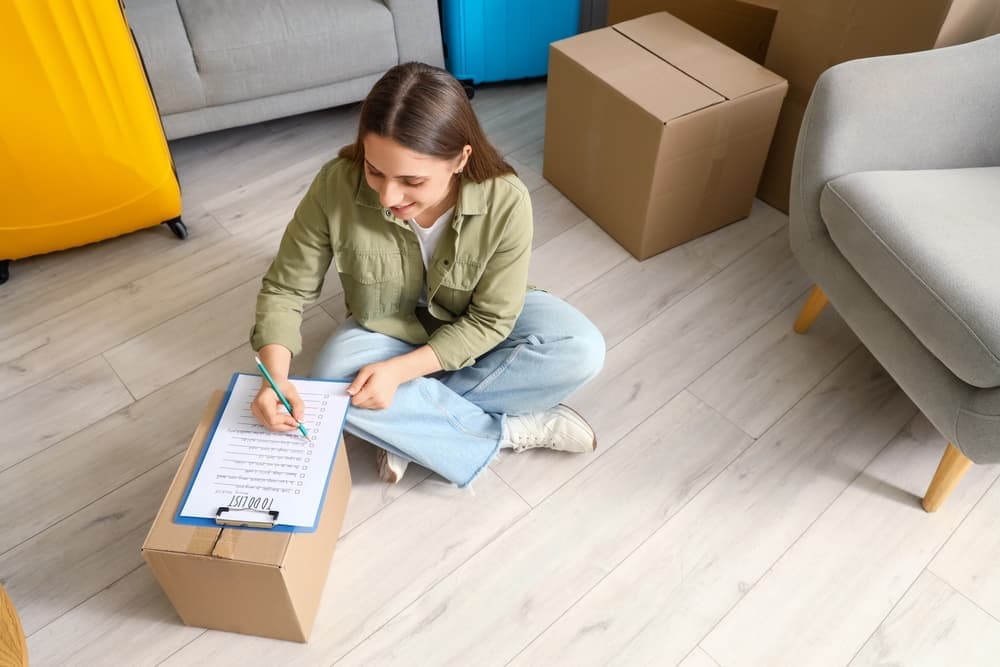
Room-By-Room Packing Checklist
Make packing for your next move easy with our room-by-room checklist, which includes specific packing tips for each area of your home or apartment!
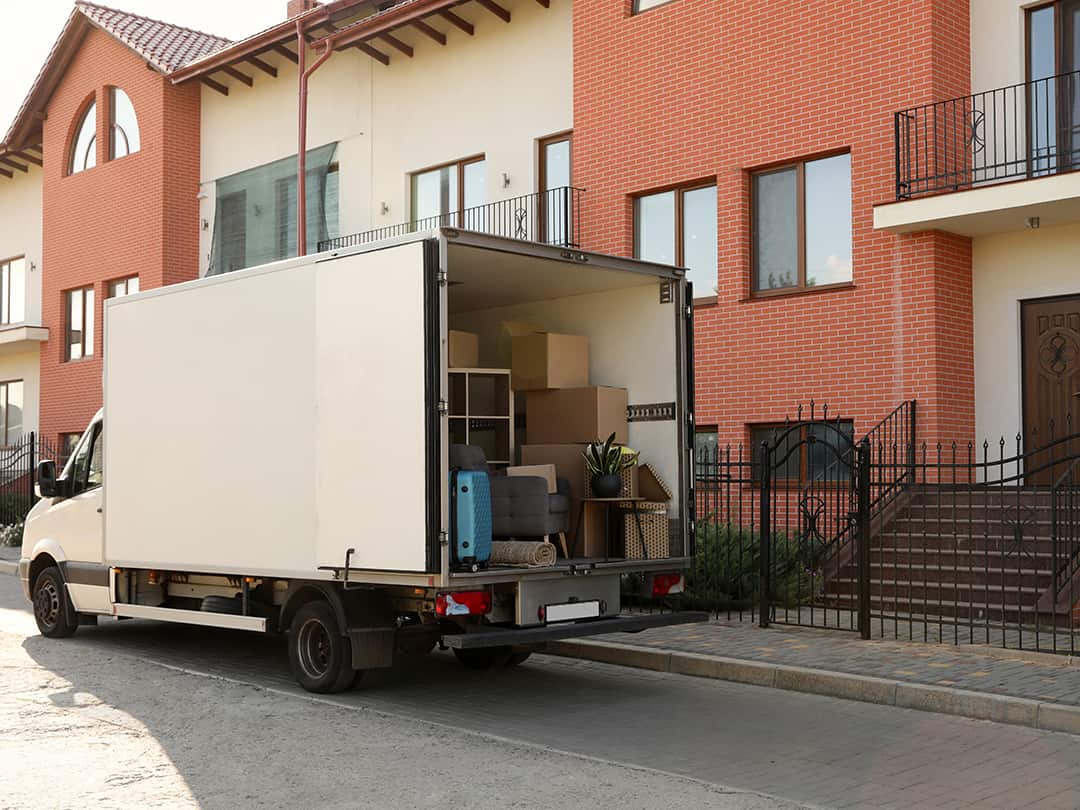
Moving Truck Size Comparison
Not sure what size moving truck you need? Use our moving truck size chart to rent the best dimensions for you!
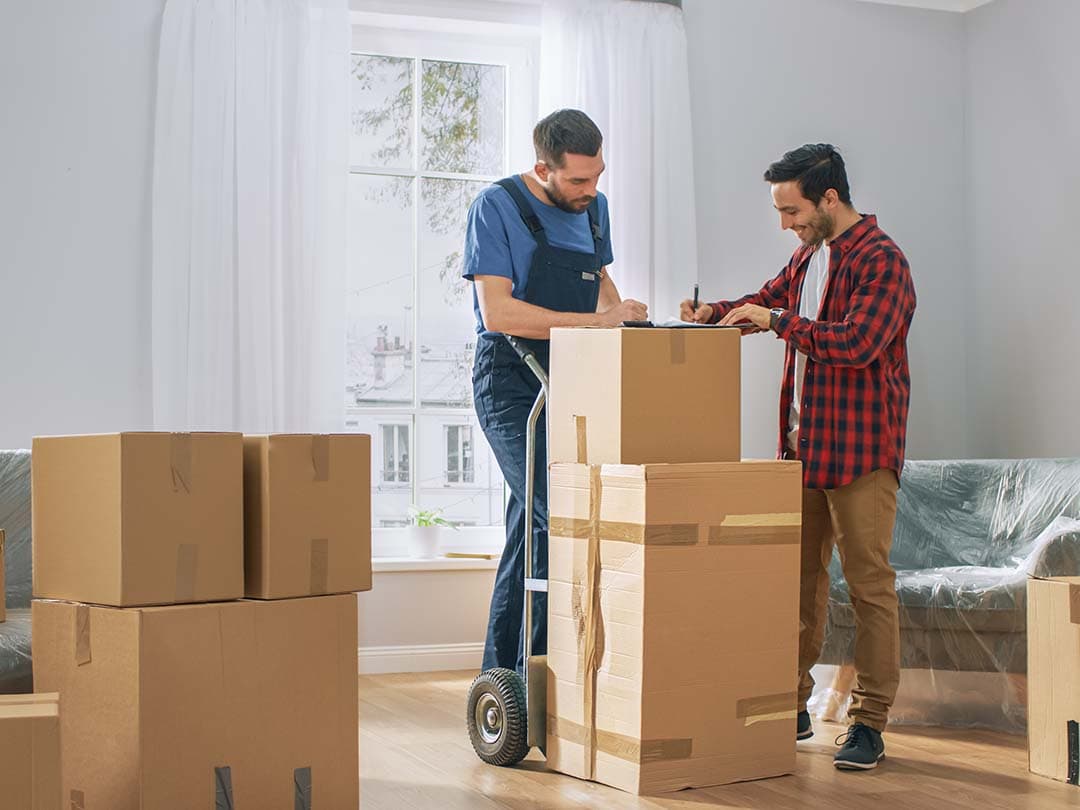
Guide to Hiring Movers
Thinking of hiring professional movers? Using movers can make your relocation go more smoothly. Read our guide for hiring a moving company!
Author Profile
Quinn Johnson
Quinn Johnson is a moving expert and author for Extra Space Storage. He's moved over 15 times, including internationally, and helped countless others between their own homes. He's happy to lift some boxes for a friend as long as he's paid in pizza. As a writer and content creator for Extra Space Storage since 2019, Quinn shares helpful moving tips and info to alleviate the common stresses of moving.