Moving Guide
How to Downsize: 14 Tips for Moving to a Smaller Home

Thinking about downsizing your home? Whether you're retiring, embracing a minimalist lifestyle, moving to a new city, adjusting to an empty nest, or simply looking to save money, downsizing can open the door to new opportunities. From spending less time worrying about home maintenance to paying off debt, taking more vacations, and building your savings, a smaller home can help you focus on what matters most. Downsizing can take anywhere from several months to a year, depending on the size of your home and how much you need to sort through, so it's best to start early. This downsizing guide will walk you through each stage of the process and help you transition into small-space living.
The timeline below is a general guideline. Adjust it to fit your moving date, household, and the amount of decluttering you need to do.
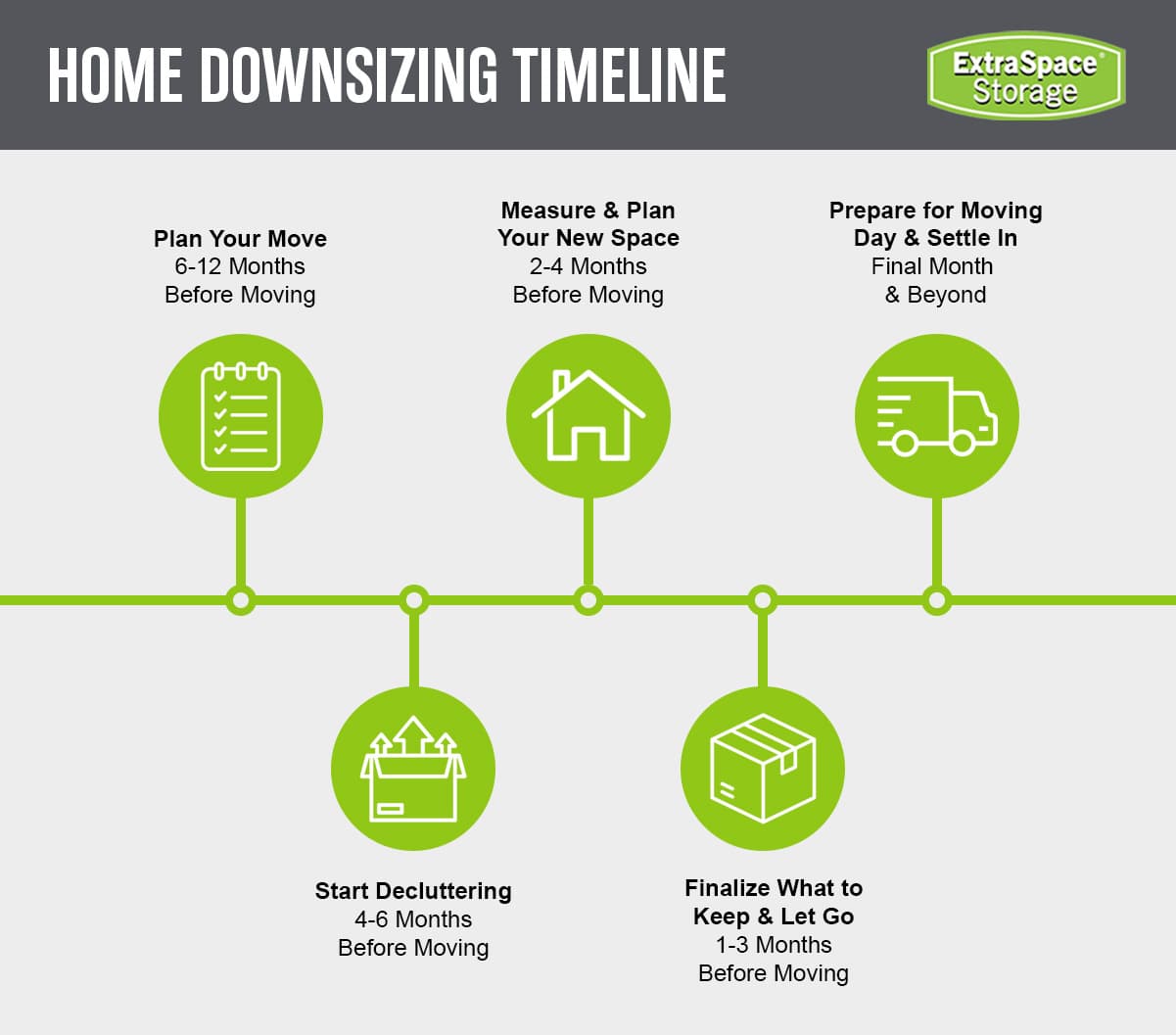
Phase 1: Plan Your Move (6-12 Months Before Moving)
When planning a move to a smaller home, start by considering your goals, reviewing your finances, and preparing your household for the transition. You don't need to have every detail figured out yet—but getting organized early can help you make informed decisions about what to keep and give you plenty of time to prepare.
Consider Your Options
Before planning your move, consider which type of home best fits your lifestyle, budget, and long-term needs. An apartment can offer low-maintenance living and shared amenities, while a condo provides ownership with shared building responsibilities and association fees. A townhome may offer more space and privacy than some apartments, while a smaller house can provide a yard and greater independence but typically requires more upkeep. Compare purchase prices or rent, utilities, maintenance responsibilities, association fees, and available space. If you're downsizing for retirement, consider accessibility and proximity to family, healthcare, and everyday conveniences, too. Choosing the right type of home early can help you set a realistic budget and decide what belongings you'll need to bring.
Draft a Budget
Create a budget that accounts for both moving expenses and future living costs. Downsizing may reduce monthly expenses, including mortgage payments, property taxes, insurance, and utilities. If you're downsizing for retirement, consider how housing costs will fit into your retirement income and budget for healthcare, transportation, and other ongoing expenses. Also account for one-time expenses—such as home-selling costs, professional movers or a rental truck, packing supplies, storage fees, and furniture for your smaller space. Then, review your expenses and decide how to allocate savings toward goals like paying off debt or traveling. Our moving cost calculator can help you estimate moving expenses and create a budget that works for you.
Involve the Entire Family
Downsizing a family home? Get everyone involved! This helps divide the workload and ensure nothing important gets overlooked. When you're ready, you can also invite friends or relatives to look through items you no longer need and take anything they'd like, giving your belongings a new home while helping you downsize.
Phase 2: Start Decluttering (4-6 Months Before Moving)
Downsizing your home usually means decluttering—and letting go of belongings you no longer need or use. Work through one room or category at a time to build momentum without feeling overwhelmed.
Choose a Decluttering Method
A structured approach can help you stay organized and make decisions more easily. Consider these popular decluttering methods to get started:
Four-Box Method: Sort all belongings into one of four categories: keep, donate/sell, discard, or relocate.
KonMari Method: Sort all belongings by category and focus on keeping only items that "spark joy."
If you need extra guidance, consider hiring a professional organizer to help you declutter and develop organizational habits you can carry into your new space.
Evaluate What to Keep
Start with items you rarely use, duplicates, and belongings you already know you don't need. Focus on keeping items you use regularly or truly value. Embracing a minimalist approach to decluttering can help you focus on what matters most and make the most of your smaller space. Save final decisions about large items—such as refrigerators, laundry machines, and bulky pieces of furniture—until you've measured your new space and have a clearer idea of what you need and what will fit.
Take Extra Time with Kids
Moving with kids to a smaller home is an opportunity to help them embrace a new chapter. Give them plenty of time to sort through their books, games, and stuffed animals, and let them help decide which belongings to bring along. Turn the process into a game, talk to them about why the move is happening, and help them look forward to the exciting possibilities of their new home.
Sort Through Sentimental Items
Sentimental belongings can take extra time to sort through, especially if you've accumulated years of keepsakes and memorabilia. Create separate piles for items you want to keep, those you're unsure about, and belongings your children, family, or close friends might want. That way, you can mentally prepare to part with special belongings or store them elsewhere for safekeeping. If the process feels overwhelming, start with sentimental items that carry less emotional weight, such as duplicates, items without a clear personal story, or things tied to more recent memories. Building confidence with these decisions can make it easier to navigate the more meaningful items later.
Digitize Photos & Documents
To maximize space in a smaller home, consider updating the way you organize photos and other papers. Digitizing photos, documents, and children's artwork can help you preserve important memories and information without using valuable storage space. Scan paperwork and sentimental photos, then save the digital files to a hard drive or secure cloud service. Organize your files so they're easy to find and access when needed. Also, know that you don't have to discard every physical keepsake. Choose a few meaningful items to keep and digitize the rest to strike a balance between preserving memories and reducing clutter.
Phase 3: Measure & Plan Your New Space (2-4 Months Before Moving)
Once you've identified your next home and have access to its dimensions, plan what will realistically fit. Continue decluttering as you make more informed decisions about furniture, appliances, and storage.
Take Measurements
One of the best downsizing tips is to take measurements of your current home and your new one so you can compare. Write down the dimensions of each room to determine what furniture will or won’t fit. Measure your largest pieces and use a floor plan app or simple graph paper to see whether these items will physically fit in your new space. This will save you time and emotional energy when deciding which furniture and large items to bring.
Snap Photos of Room Layouts
Take photos of how your rooms are set up in your current home. While your new space will have different dimensions, this can at least offer inspiration and help you remember how rooms used to come together. Also, taking photos of how you had set up cords and any technology in your old home is another moving tip that can save you time!
Create a Home Inventory
Some of the best downsizing advice is to keep track of items as you go. Once you have a better idea of what will fit in your new home, create a working inventory of the belongings you plan to bring. Record key details about furniture, appliances, and other large items to help you plan room layouts and determine where everything will go. Update the inventory as your plans evolve, and use it to track furniture placement, coordinate packing, and confirm what needs to be moved on moving day.
Prioritize Space-Saving Furniture
Moving into a smaller space? Multi-purpose items can help you make the most of limited square footage. Identify any space-saving furniture pieces you already own that could work well in your new home—like a wall desk, coffee tables that double as seating or storage, or a drop-leaf dining table. Once you've measured your rooms and planned your layout, determine which pieces will fit and meet your needs. You can then identify any additional furniture or space-saving solutions worth considering.
Plan for Multi-Functional Spaces
When downsizing your home, think about how you want to use each room and whether a single space can serve multiple purposes. For example, you might combine your guest room and home office, using features like a rolling desk to create a flexible workspace. Consider hidden living room storage for playroom toys and other everyday items. Maximize space in a studio apartment by using furniture, room dividers, or curtains to create distinct zones that allow one area to serve multiple purposes—especially if you're sharing the space with a roommate. Other tips for living in small spaces include using vertical space for storage, choosing light paint colors, and doing space-saving renovations. Thinking through these possibilities before moving can help you make the most of your new home without purchasing unnecessary furniture or storage solutions.

Find Affordable Self Storage Near You
Extra Space Storage has over 4,000 locations across the U.S. with friendly customer service, advanced security features, and affordable month-to-month rates.
- Save up to 40% off online
Phase 4: Finalize What to Keep & Let Go (1-3 Months Before Moving)
With your initial sorting complete and a clearer idea of what will fit, decide where the remaining belongings will go. Allow enough time to sell valuable items, arrange donations, pass along keepsakes, or find storage for anything you aren't ready to part with.
Donate, Sell, or Pass Along Unwanted Items
Once you've decided what you no longer need, determine the best way to part with each item. Sell valuable belongings through a garage sale, estate sale, or online marketplace like Facebook Marketplace or Craigslist. Donate other items to charity, or pass them along to friends and family who can put them to good use. For unwanted items that are damaged or in poor condition, consider bulk pickup or junk removal services. Clearing out these belongings before moving helps you avoid packing items you won't need in your new space.
Consider Renting Self Storage
Renting a storage unit can give you extra time to decide what to do with belongings you're unsure about or items you want to keep but don't have room for in your new home. Smaller 5x5 or 5x10 units can be suitable for boxes, seasonal items, and smaller furniture, while a 10x10 unit (or larger) can usually accommodate furniture and belongings from multiple rooms. Our size guide can help you choose the most economical storage unit size for your needs. For valuable furniture, photographs, documents, and sentimental keepsakes, consider climate-controlled storage to help protect against temperature fluctuations and humidity.
Phase 5: Prepare for Moving Day & Settle In (Final Month & Beyond)
With decisions about your belongings finalized, it's time to prepare for moving day and plan for life in your new home. Confirm moving arrangements early, then pack and label your belongings in the weeks leading up to the move. Once you've arrived, focus on setting up essential spaces, organizing your belongings, and establishing routines that work for your smaller home. Following these steps can help reduce moving-day stress and make the transition more comfortable.
Confirm Moving-Day Logistics
If you're hiring professional movers, confirm your reservation, moving date, arrival time, and any special requirements for large or fragile items as soon as possible. If you're handling the move yourself, reserve a moving truck early and choose a size that can accommodate the belongings you're taking to your new home. Make sure to confirm access details for both homes, including parking, elevators, and any building move-in requirements. Keep your inventory and important moving documents accessible, and arrange for keys, utilities, and other essential services to be ready when you arrive.
Pack & Label Your Belongings
Using your updated moving inventory, begin packing the belongings you're taking to your new home. Start by packing items you don't use on a regular basis—such as seasonal clothing, books, decor, and extra kitchenware—and save everyday essentials for last. Go room by room, use sturdy boxes, wrap fragile items carefully, and label each box with its contents and destination room to make unpacking easier. Set aside an essentials box with toiletries, medications, important documents, chargers, and a few days' worth of clothing so everything you need immediately after the move is easy to find.
Settle In & Make the Most of Your Space
Once you've moved in, start by setting up the most essential areas, such as the bedroom, bathroom, and kitchen. Unpack gradually, making sure everything has a designated place before bringing in additional furniture or storage solutions. Use vertical storage, multi-purpose furniture, and flexible room arrangements to maximize your available space without sacrificing comfort. As you settle in, pay attention to what works and adjust your setup to keep your home comfortable, functional, and free of unnecessary clutter.
Give Yourself Time to Adjust
Settling into a smaller home takes time, so don't feel pressured to have everything figured out right away. Give yourself room to establish new routines, find the best places for your belongings, and discover how to make your space work for your lifestyle. You may need to rethink familiar habits or make a few adjustments along the way, and that's okay. Focus on the benefits of downsizing, whether it's less home maintenance, lower living expenses, or more time and money to spend on the things that matter most to you.
Frequently Asked Questions About Downsizing
How do I start downsizing my home?
Start by setting a budget, establishing a moving timeline, and identifying your downsizing goals. Then, begin decluttering items you rarely use, duplicates, and belongings you no longer need. Work through one room or category at a time to avoid feeling overwhelmed, and save final decisions about large furniture and appliances until you know the size and layout of your new home.
Is it better to sell furniture or move it when downsizing?
It depends on the furniture's condition, value, sentimental importance, and whether it will fit in your new home. Measure your new space before deciding what to bring, and compare the cost of moving large pieces with the cost of selling them and purchasing replacements. Donating or selling furniture that won't fit can save money and help you make the most of your smaller space.
How long does downsizing take?
Downsizing typically takes several months to a year, depending on the size of your home, how many belongings you have, and how much time you can dedicate to sorting and organizing. Starting six to twelve months before your move can give you time to declutter gradually, make thoughtful decisions about sentimental items, arrange donations or sales, and prepare for moving day without rushing.
Is downsizing worth it?
Downsizing can be worthwhile if a smaller home better fits your budget, lifestyle, and long-term goals. You may save money on housing costs, utilities, insurance, and maintenance while spending less time caring for your home. It can also help you simplify your belongings and free up money for travel, savings, or other priorities. However, consider moving costs, potential storage fees, and the emotional adjustment before deciding whether downsizing is the right choice for you.
***
Need a secure place to store items that won't fit in your new home? Extra Space Storage has convenient storage facilities located throughout the nation. Find affordable storage units near you!
Find How Many Moving Boxes You Need 📦
Get quick recommendations for moving boxes and packing supplies with our moving supplies calculator! Fill out a few details about your move, and we’ll provide a free estimate for how many moving boxes you’ll need, along with supplies like packing tape, bubble pack, and more!
Related Moving Guides & Tips

Moving Insurance: A Complete Guide
Moving soon? Learn all about moving insurance—including types of coverage, costs, claims, and expert tips to protect your belongings during your move.
How to Move Heavy Furniture
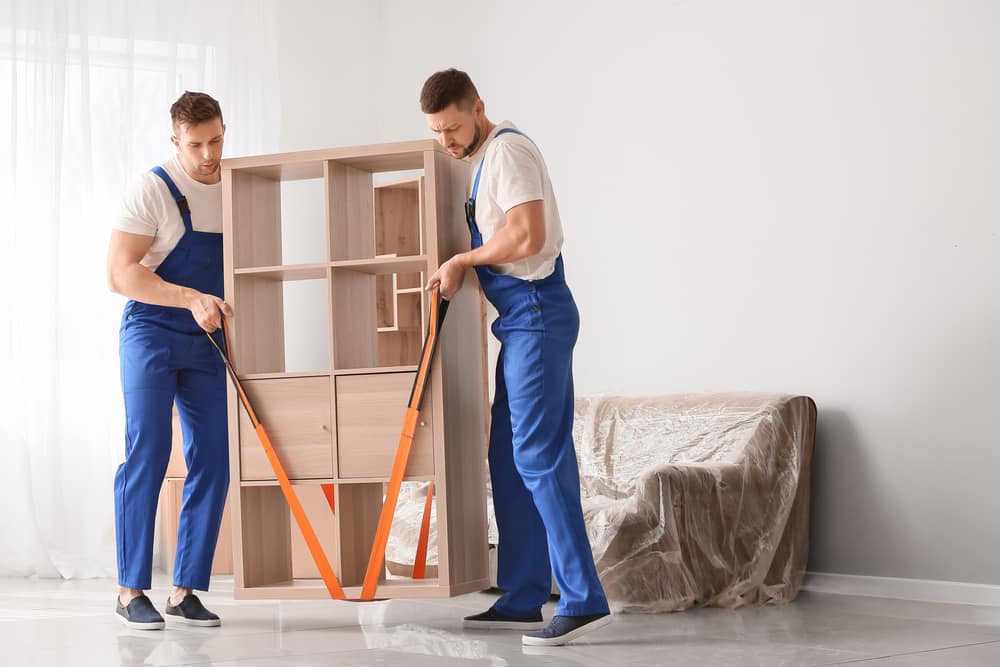
Need to move heavy furniture? From safe lifting to smart tools, here’s how to make moving large items easier.

A Guide to Moving Out of State
Wondering how to move to another state? These interstate moving tips and moving out-of-state checklist can help you easily plan the best cross-state move!

Moving Truck Rental Requirements
Before renting a moving truck, you'll want to make sure you meet common requirements. Read our guide on how to rent a moving truck!

How to Declutter Before Moving
Planning a move soon and need to get rid of clutter? Check out this guide for decluttering tips before a move!

Donating Used Furniture During a Move: Places that Offer Free Donation Pick-Up
Moving soon? Here are the best places to donate furniture that offer free pick-up and drop-off!
Author Profile
Quinn Johnson
Quinn Johnson is a moving expert and author for Extra Space Storage. He's moved over 15 times, including internationally, and helped countless others between their own homes. He's happy to lift some boxes for a friend as long as he's paid in pizza. As a writer and content creator for Extra Space Storage since 2019, Quinn shares helpful moving tips and info to alleviate the common stresses of moving.