Moving Guide
The Hassle-Free Guide to Moving Out of Your Parents’ House

Are you moving out of your parents' house for the first time—or after having moved back home for a while? Choosing to get your own space and becoming more independent from your parents can be a gratifying feeling, but it’s a decision that comes with several emotional and economic factors you need to consider. Here’s what to know and how to prepare for moving out of your parents' house!
Assess Your Financial Readiness to Move Out
Before you move out of your parents' house, it's essential to determine if you're financially ready for the transition. Start by listing out your current income, savings, monthly bills and expenses, and any outstanding debts. Then, use a rent calculator or mortgage calculator to help determine the monthly payment amount you can afford. (Note that landlords often require a tenant's income to be three times higher than the monthly rent—and if you can't meet this requirement, you'll need to bring in a co-signer or roommate to get approved for the apartment.)
This is also a good time to consider any lifestyle expenses that may impact living on your own—including how often you dine out, whether you'll be adopting or moving with a pet, and whether you'll be wholly responsible for covering groceries, utilities, and more.
In addition to evaluating your income and lifestyle habits, you should take steps to be financially independent once you've moved out. Establishing good budgeting habits now can help you maintain your finances once your living costs go up. It's also a good idea to use this time to improve your credit score—which is often a key factor in renting or buying a home. Paying credit card bills strategically and on time will help build your credit.
Acquire Essential Life Skills
Moving out for the first time often means transitioning from a household where someone else handles the behind-the-scenes logistics. If you've never had to do it yourself, the learning curve can catch you off guard. Before moving into your own place, try to have a firm handle on the following:
Basic Cooking & Meal Planning: Knowing how to cook at least four or five foundational, budget-friendly meals will be essential when living on your own.
Regular Chores: Figure out how to do laundry, dishes, mow your lawn, and any other chores you'll need to complete on a regular basis.
Minor Home Maintenance: Learn how to plunge a toilet, reset a tripped circuit breaker, clear a slow drain with baking soda and vinegar, and change an HVAC filter.
Knowing Who to Call: Get in the habit of saving key contacts in your phone. Start with poison control and local non-emergency lines, then add your landlord or property manager, maintenance emergency line, a trusted locksmith, and utility companies as soon as you know where you’ll be living.
Communicate with Your Parents
A crucial step in the process of moving out of your parents' house is to talk with them about it. Depending on your relationship with your parents, this conversation can be a one-off or an ongoing discussion. Since leaving the nest can carry some emotional weight, pick a time to discuss your decision with them when everyone is calm and open to conversation to help ensure a smooth dialogue.
It may help to start by acknowledging all your parents have done for you and the time they've let you stay in their home. Be sure to explain your reasons for moving out of your parents' house to help foster open communication and demonstrate that you have a thought-out plan for getting into a new home.
Consider involving your parents in the planning process to ensure everyone is on the same page—or simply to address any potential conflicts that might arise from the transition. Next, share your projected move-out timeline with your parents, so they're aware of your moving dates and can help alleviate moving stress by coordinating with other family members or professionals.
Research Where You Want to Move
Whether you're moving in a hurry or have a flexible timeline to move out of your parents' house, take some time to research where you want to live. Consider your lifestyle and preferences when deciding whether to move to a new city or just across town. For instance, if you want to be in a bustling metropolis with plenty of things to do, you might consider great cities for young professionals like Atlanta, Austin, or Boston. If your primary reason for moving is work, you could check out top cities for jobs like Boise, Orlando, and Raleigh.
The trick to researching a future place to live is to consider aspects like infrastructure, outdoor recreation opportunities, nightlife, the arts and culture scene, and local cuisine. Consider what you love about your current area, as well as things you've noticed and liked while traveling.
You'll also want to evaluate local data like average cost of living—including housing costs—crime rates, and quality of life. If possible, visit the potential areas you're considering to get a feel for things and see whether they meet the expectations set by your research. Here are some questions you might ask yourself when thinking about moving to a new place:
How will I get around—public transit, car, or other means?
Is the area bike-friendly or pedestrian-friendly?
Is this a dog-friendly city or area?
How far will I be from work, schools, or other important locations?
How will I build a new social circle or network in the area?
How does the city handle income tax?
What kind of housing options are available within my budget?
How far will I be from my family and friends?
Decide if You’re Buying or Renting
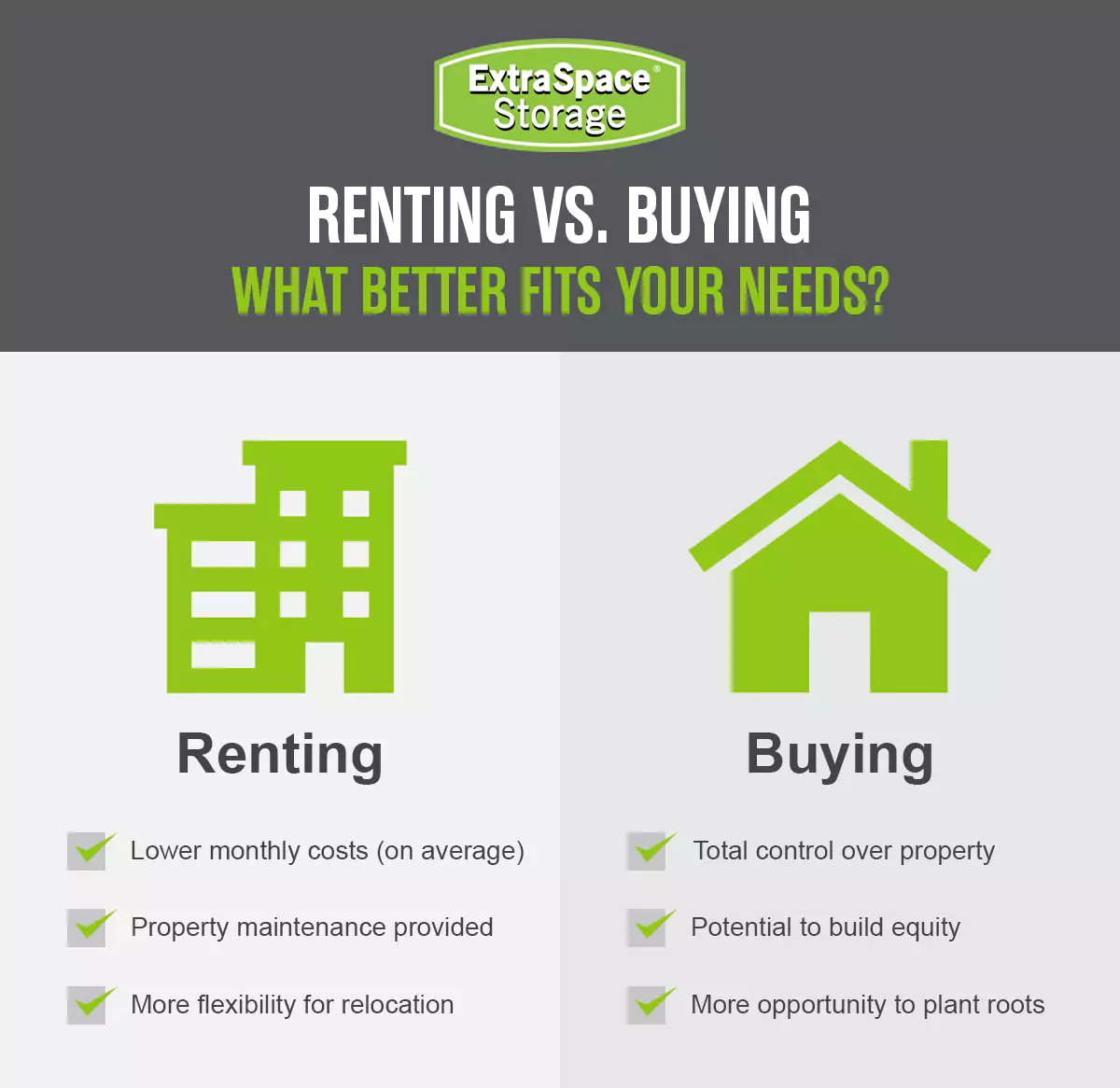
An important consideration when determining how to move out of your parents' house is whether you will buy or rent your new space—and how that'll affect your long and short-term budgets. Consider whether you'll be living alone, with a roommate, or with a partner, as the latter two options allow you to split the rent or mortgage payment.
Your financial situation, long-term goals, and lifestyle preferences will also heavily influence your decision—as will local housing market conditions. Buying a home allows you to slowly build equity as you pay off your mortgage—while renting allows you to maintain flexibility and build up to the long-term financial commitment of homeownership, if that's the ultimate goal.
Additionally, note that your decision will impact how much money you need to save up before moving. If you're deciding between several choices—such as renting your first apartment, buying your first home, investing in a condo or townhome, or building a custom home—make sure to familiarize yourself with the associated costs and required documents for each option.
For renters, it's best practice to save three months' rent in addition to a deposit and any application fees. Homebuyers will need to save enough for a down payment on a house, which may prolong your move—the median down payment for a house in the U.S. is around $78,831. Other costs to consider if pursuing homeownership include hiring a real estate agent and paying yearly property taxes.
Find & Vet Roommates
Whether you are moving in with a friend or finding a roommate online, protecting your peace of mind and your finances requires a proactive approach. When vetting potential roommates, look beyond whether you get along socially—a great friend doesn't always make a great roommate. Consider these steps for picking a roommate:
Compare Your Lifestyles: Talk through your day-to-day habits and see how they mesh, including work schedules, noise tolerance, cleanliness standards, and social habits.
Discuss Your Non-Negotiables: Be upfront with each other about your must-haves and dealbreakers, such as guest and partner policies and how each of you handles conflict.
Verify Financial Reliability: Share income stability and how you’d each handle rent, bills, and shared expenses. For online matches, it’s reasonable for both of you to offer proof of funds.
Check References & Decide: Talk to past roommates or landlords when possible, and meet in person or by video before committing. Choose someone whose lifestyle aligns with yours and who communicates openly and honestly.
Put It in Writing: Draft an agreement together covering how you’ll split rent or mortgage, utilities, deposits, and household supplies, plus what happens if someone needs to move out early.
Budget for Your New Home
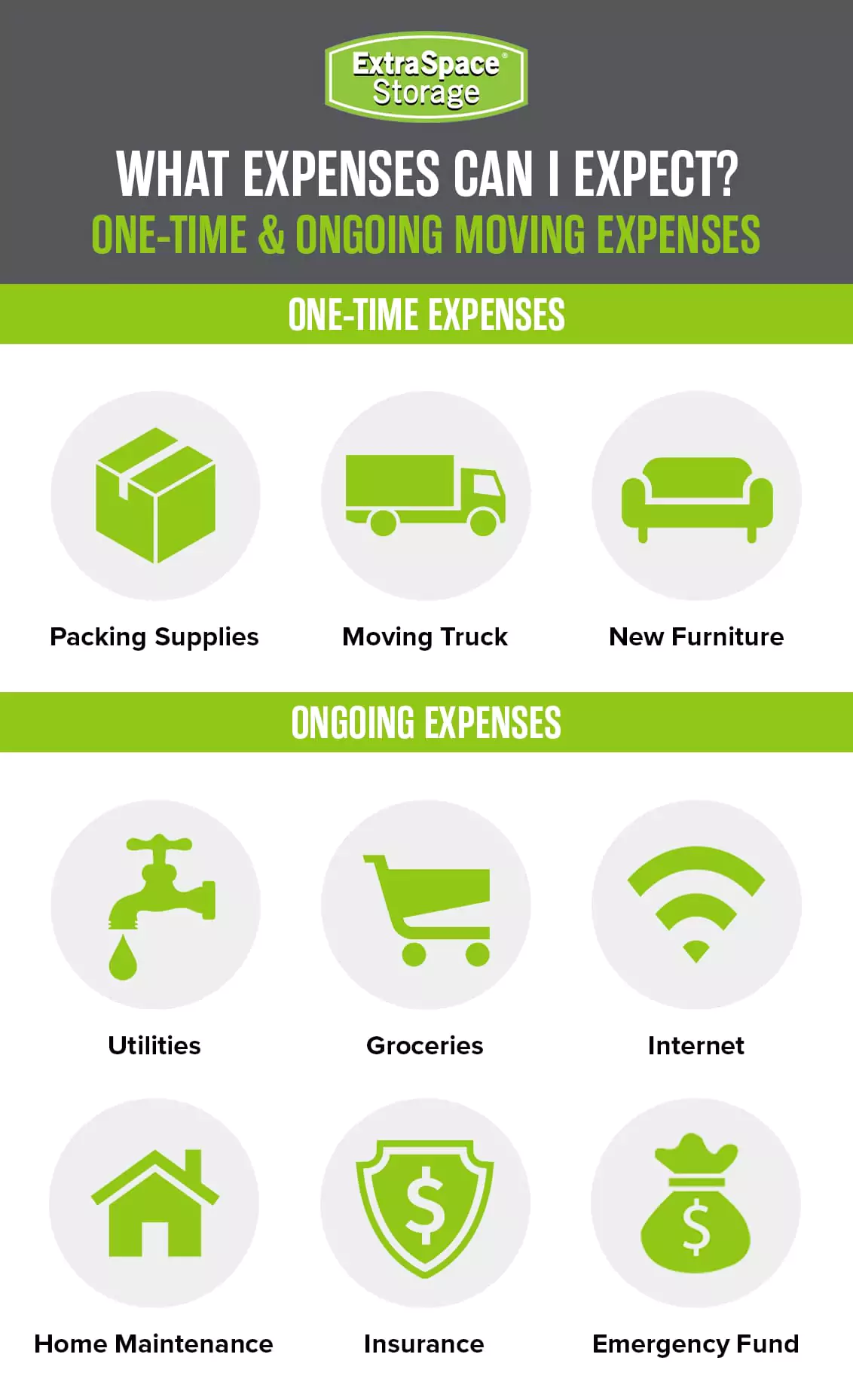
Developing and maintaining a budget during and after your move is crucial to affording to live in your new space for the long term—and it can help you avoid unexpected moving costs! Plan for one-time expenses like purchasing packing supplies, hiring movers or renting a truck, getting moving insurance, and paying for temporary housing if needed. You'll also want to consider potential expenses influenced by the time of year you're moving. Use a moving cost calculator to help estimate total expenses of the relocation, and include this in your moving budget.
After your move, you'll need to plan for several ongoing expenses, including your mortgage or rent payment, utilities, groceries, internet, homeowners or renters insurance, and furnishing your new home by purchasing new or used furniture—or by upcycling furnishings given by your parents.
It's also advisable to put money toward an emergency fund each month, which can help you stay financially stable if any issues arise—such as unexpected home repairs, unemployment, or medical emergencies. The amount you save will depend on your income and lifestyle, but saving around three to six months of expenses is generally recommended. It's important to monitor your spending and adjust your budget as your life circumstances change to ensure it reflects your current expenses and priorities.
Finalize Your Moving Plans
A specific move-out plan is one of the more important things you need when moving out of your parents' house. Start by creating a detailed move-out timeline that outlines key steps like finding a new place, packing, moving, setting up utilities, and other tasks to help keep you organized and on track to reach your goals. Avoid procrastinating by setting a hard move-out date and working backward from there. Real estate apps like Redfin, Zillow, and Apartments.com can help streamline your home search process, allowing you to browse listings, submit applications, and schedule in-person tours. Consider how much square footage you'll need and which amenities or features align with your lifestyle so you can filter your home searches accordingly.
Declutter & Reduce Your Things
Whether you're moving into your first apartment or buying your first house, the amount of belongings you have will impact the process in various ways—including the amount of boxes you need, the size of the moving truck, the amount of energy you'll need to spend packing and carrying things, how well your belongings will fit in your new home. That's why one of the most important things to do before moving out of your parents' house is to downsize your belongings by deciding what you'll need and what you can discard or leave behind when moving into your new space. After decluttering, get rid of items you no longer need by donating, selling, or throwing them away—this will make the moving process and new home organization easier. If there are items you want to keep but won't have space for in your new home, consider renting a storage unit near you to keep your belongings secure as you move in.
Hire Movers or Ask Friends for Help
Your moving needs will depend on your budget, the distance you're moving, and the amount of belongings you have. If you're moving solo, consider asking your parents to help, since they have experience in this area. This is also a great time to coordinate what items or keepsakes can be left at their place so you can reduce the number of things to pack and transport to your new space.
If you're moving cross-country, you might consider hiring professional movers to help make this big transition easier. Similarly, if you're moving a short distance but have several large, heavy items to transport, you may want to hire local movers to help protect your belongings from damage and avoid injuring yourself. In either instance, make sure you're hiring reputable movers by asking questions and getting quotes from multiple companies so you can compare prices and services. Additionally, look for a company with a strong reputation that's backed by positive customer reviews. And if you're not moving far away or don't own many home goods yet, it might be more effective to enlist the help of family and friends instead of hiring movers.
Gather Supplies in Advance
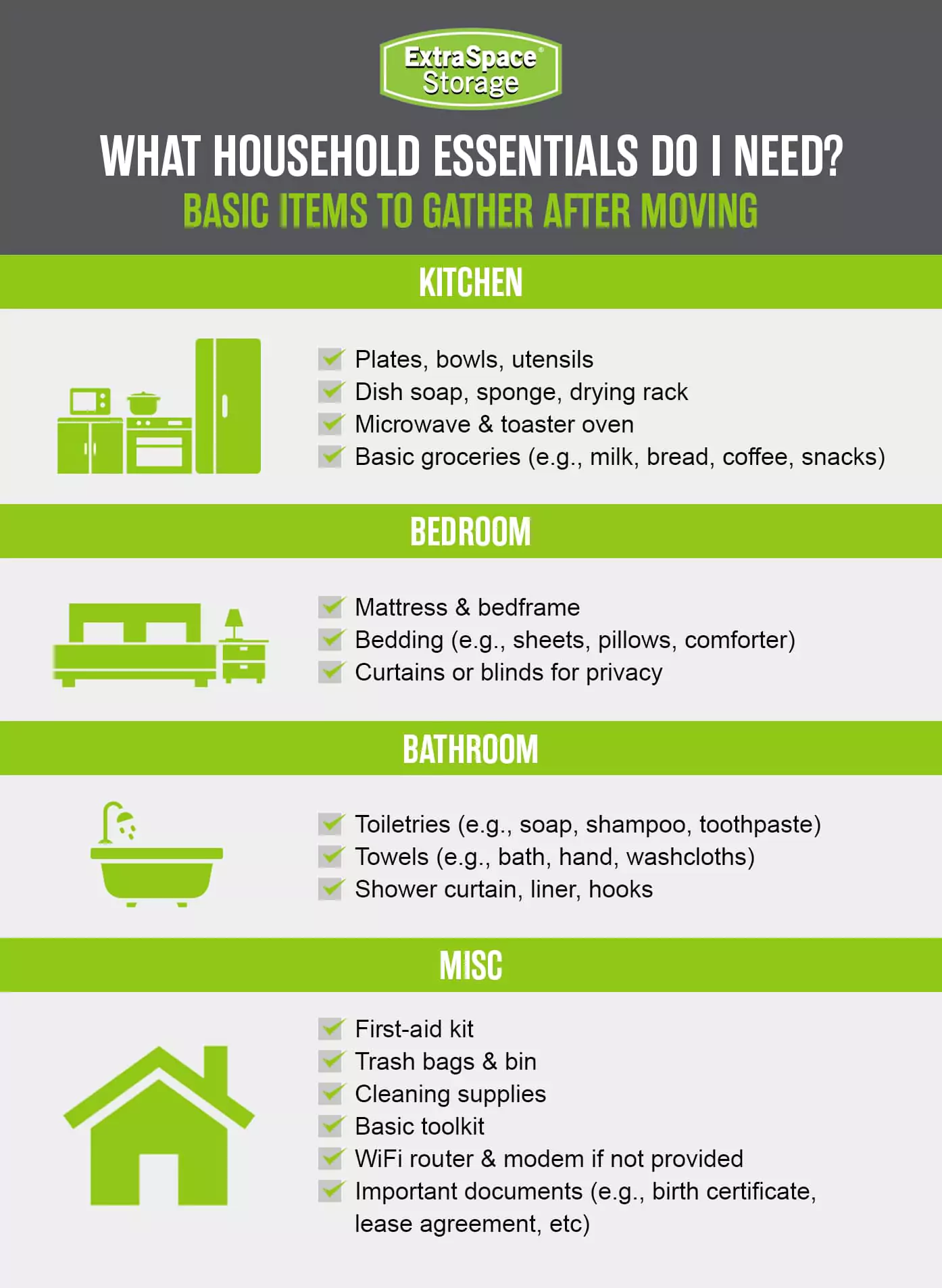
As you prepare to move out of your parents' house, one key step is gathering all the essentials for your new home. If you've lived with your parents for a while, you might take for granted the readily available things you've had access to—like kitchen utensils, cleaning supplies, first-aid supplies, and other necessities. Take the time to collect essential items for your first home before your move so you can settle into your space sooner and avoid last-minute trips to the store. Here are some items you'll need when moving out of your parents' house and into your own home:
Basic groceries (e.g., milk, bread, coffee, snacks)
Basic toolkit (e.g., screwdriver, hammer, nails, tape measure)
Cleaning supplies (e.g., all-purpose spray, sponges, etc.)
Curtains or blinds (for privacy)
Dish soap, sponge, and drying rack
First-aid kit
Important documents (e.g., birth certificate, lease agreement, etc.)
Mattress, bed frame, & bedding (e.g., sheets, pillows, comforter)
Microwave or toaster oven
Plates, bowls, & cooking utensils
Shower curtain, liner, & hooks
Toiletries (e.g., soap, shampoo, toothpaste)
Towels (e.g., bath, hand, & washcloths)
Trash bags & bin
Wi-Fi router & modem (if not provided)
Pack Smart
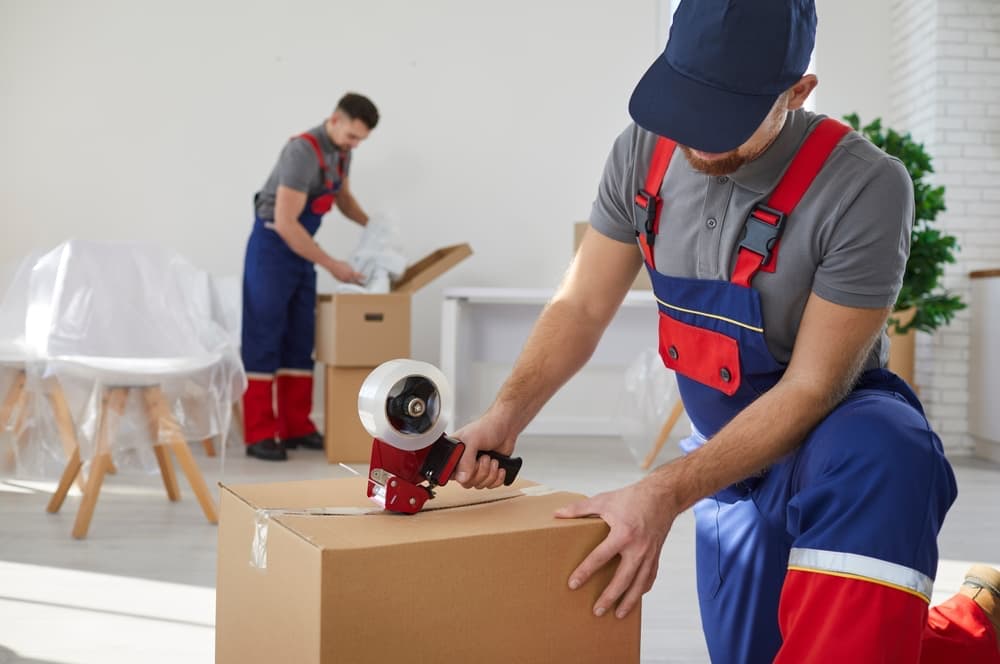
To pack your moving boxes efficiently, you'll first need to make sure you have the right supplies on hand to transport your belongings safely to your new home. Use a moving box calculator to help determine what boxes and packing materials you need. Then, once you've gathered essential packing supplies such as boxes, packing tape, bubble wrap, and packing paper, follow these packing tips to help make moving out of your parents' house stress-free.
Group Similar Items Together: Focus on keeping items of the same type together—with categories like books, clothes, dishes, etc.
Label Everything: Use a marker to clearly label all of your boxes with the items packed inside and the room they belong in for an easy unpacking process.
Use a Variety of Box Sizes: There are several different types of moving boxes, and you'll need different sizes to fit different belongings. Remember to put heavy items in small or medium-sized boxes for easier carrying.
Pack Heavier Items at the Bottom: Putting heavy items on the bottom of boxes helps keep things more stable during transit and prevents lighter items from getting crushed.
Pad Fragile Items: Protect breakable items like glasses or china with materials like clothing, bubble wrap, or packing paper to help cushion them while on the move.
Keep Essentials Accessible: Pack a duffle bag or backpack with essentials like toiletries, chargers, IDs, first aid supplies, and a change of clothes, and keep it accessible at all times to help mitigate potentially stressful situations during the move.

Find Affordable Self Storage Near You
Extra Space Storage has over 4,000 locations across the U.S. with friendly customer service, advanced security features, and affordable month-to-month rates.
- Save up to 50% off online
Set Up Utilities, Mail, & Insurance
Regardless of whether you’re moving to a new apartment or buying a house, there are a few simple but important things to take care of to limit any potential headaches in your new home. Remember to set up utilities for your new home in advance so you can have immediate access to HVAC, electricity, and internet when you move in. You'll also want to update your address and get your mail forwarded. Some places to notify of your address change include the USPS, IRS, employers, and your bank, among others. Invest in renters insurance or home insurance, so you're prepared for any potential damage to your home or belongings. Though homeowners insurance is not required by law in any state, most home-financing lenders offer some sort of policy to help protect the home and investment.
Frequently Asked Questions
How much money should I save before moving out of my parents' house?
A rule of thumb to use before moving out of your parents' house is to save enough for three to six months of living expenses, including rent. Typically this can be around $5,000 to $10,000—a total that covers upfront lease costs, starter expenses, and a safety cushion.
Should I rent or buy my first place?
Renting is almost always the best choice for your first place after living with your parents. It offers flexibility, shields you from costly property maintenance while you adjust to managing monthly bills, and requires significantly less upfront cash.
What's a good age to move out of your parents' house?
There is no single "right" age to move out—it depends on your financial stability and personal goals. In the U.S., the average age young adults move out is between 20 and 24, though living with parents into your mid-to-late 20s has plenty of benefits.
What is the best way to find roommates for the first time?
The best way to find your first roommates is by leveraging personal networks and trusted platforms like Roomi, Roomster, or local Facebook housing groups. Before committing, meet candidates to align on budgets, cleaning habits, work schedules, and guest policies, and always check references.
***
Ready to move out of your parents' house? Extra Space Storage has secure storage facilities across the U.S. to help with your relocation. Find affordable self storage near you!
Most Viewed Tools & Guides

Free Moving Cost Calculator
How much does it cost to move? Use this moving cost calculator from Extra Space Storage to get a moving cost estimate and compare moving options.

Moving Truck Size Calculator: What Size Truck Do You Need?
How big of a box truck do you need for your upcoming move? Check out this moving truck size calculator to find the right moving truck rental for you!
Cheapest Ways to Ship Boxes Across the Country
Need to ship moving boxes across the country? Explore the most affordable ways to ship boxes in this guide!

How to Protect Your Furniture When Moving
Whether you're moving across the country or relocating to a nearby area, our tips to protecting your furniture can help you doing your move!

What Size Apartment Do I Need & How Much Square Footage?
Finding the right apartment size can be difficult. From average apartment square footage to budget and layout, our apartment size guide can help you decide!
Author Profile
Quinn Johnson
Quinn Johnson is a moving expert and author for Extra Space Storage. He's moved over 15 times, including internationally, and helped countless others between their own homes. He's happy to lift some boxes for a friend as long as he's paid in pizza. As a writer and content creator for Extra Space Storage since 2019, Quinn shares helpful moving tips and info to alleviate the common stresses of moving.